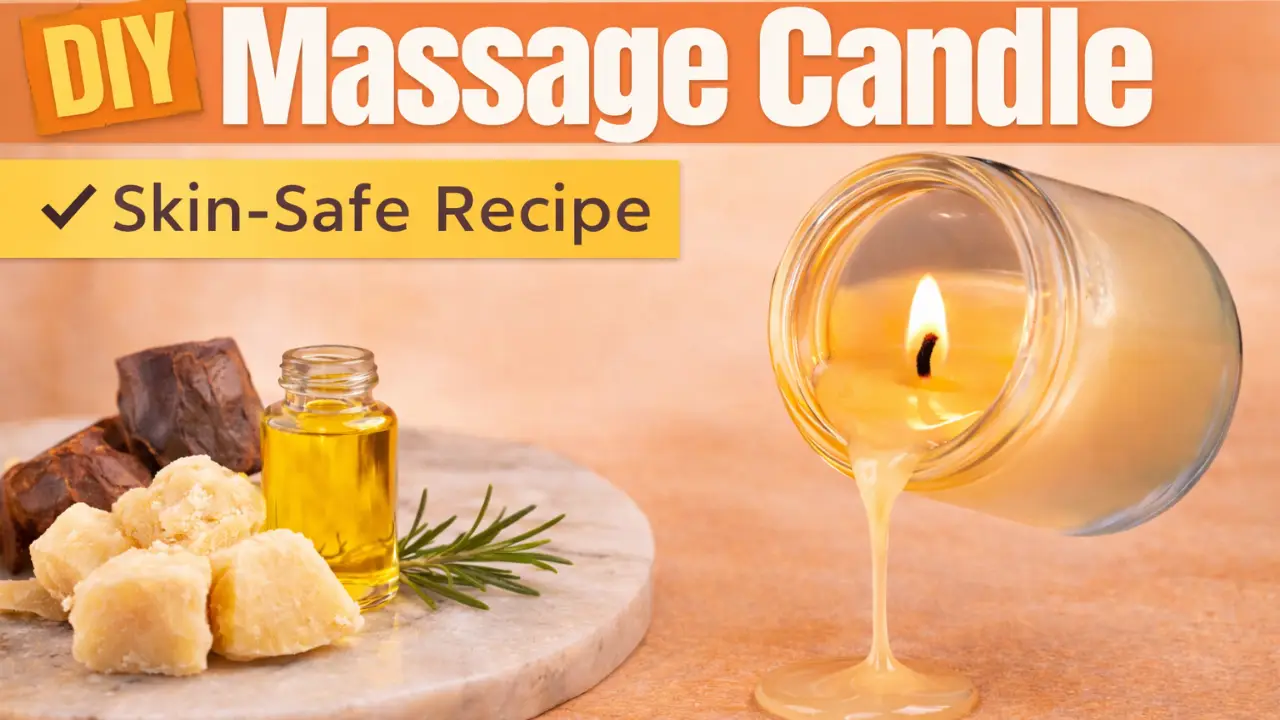
A massage candle—sometimes called a lotion candle—is designed to melt into a warm, pourable oil that nourishes the skin while providing enough slip for massage without feeling greasy. Unlike standard candles, massage candles rely on a careful balance of hard butters and liquid oils so the final product stays firm in the jar but melts at a skin-friendly temperature.
This beginner-friendly massage candle recipe uses soy wax, cocoa butter, shea butter, and castor oil to create a candle that melts smoothly, pours easily, and leaves skin soft—not slick.
Watch the full video here
Some links on this website are affiliate links, meaning I may earn a small commission if you click and make a purchase. This comes at no additional cost to you.
Table of Contents
Massage Candle Recipe (100 g Batch)
Yield: 1 small massage candle
Melt Point: ~95–102°F (35–39°C)
- Soy Wax: 25 g | 25%
- Cocoa Butter : 30 g | 30%
- Shea Butter (Refined): 30 g | 30%
- Castor Oil: 13 g | 13%
- Fragrance Oil: 2 g | 2%
Important: the fragrance oil must be both skin-safe AND candle-safe. We use the skin safe amount not the higher candle safe amount of fragrance oil.
Why These Ingredients Work (And What You Can Substitute)
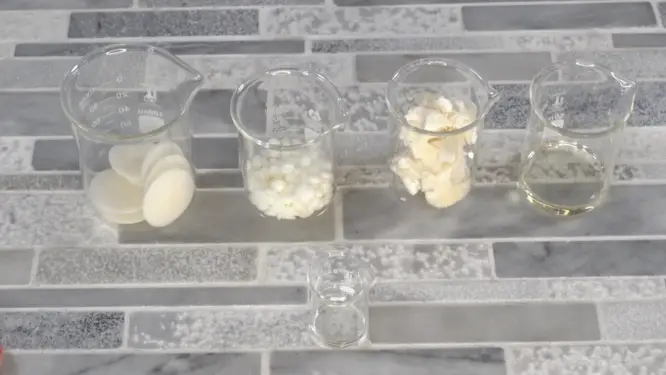
Soy Wax (25%)
Melting Point: ~120–125°F (49–52°C)
Soy wax provides structure and stability, keeping the candle solid at room temperature while still allowing it to melt slowly. In massage candles, soy wax helps prevent the product from becoming too soft or oily in warmer environments.
Why not more?
Too much wax raises the melt point and makes the oil feel draggy on skin.
Substitutions (No Beeswax):
- Coconut wax (hard type)
- Olive wax
- Sunflower wax
Cocoa Butter (30%)
Melting Point: ~93–101°F (34–38°C)
Cocoa butter is the backbone of this recipe. It melts right around body temperature, making it ideal for massage candles. It adds firmness in the jar while liquefying beautifully on skin.
Why deodorized?
Deodorized cocoa butter prevents scent interference and allows fragrance oils to shine.
Substitutions:
- Mango butter (slightly softer)
- Kokum butter (firmer, raises melt point)
Shea Butter (30%)
Melting Point: ~89–100°F (32–38°C)
Shea butter contributes creaminess and glide, preventing the melted oil from feeling stiff or waxy. It also conditions the skin, making this candle double as a body moisturizer.
You might be interested in Lotions Dots, which are lotion that is in solid form.
Refined vs unrefined:
Refined shea is preferred for candles because it has a neutral scent and smoother texture.
Substitutions:
- Illipe butter
- Tucuma butter
- Sal butter
Castor Oil (13%)
Melting Point: Liquid at room temperature
Castor oil is the secret slip ingredient. It adds viscosity and glide without thinning the candle too much. Unlike lighter oils, castor oil stays on the skin longer, making it excellent for massage.
Why 13%?
This is the sweet spot where you get enough slip without sacrificing candle firmness. Increasing liquid oils too much can cause sweating, soft candles, or poor burn performance.
Substitutions:
- Jojoba oil (lighter feel, slightly less slip)
- Sweet almond oil (lighter, absorbs faster)
- Rice bran oil
Fragrance Oil (2%)
Melting Point: N/A
Massage candles require low fragrance usage for skin safety. At 2%, the scent is gentle and spa-like without overpowering the senses or irritating the skin.
✔ Must be approved for both candle use and leave-on skin products
✔ Always follow IFRA limits
I used Palo Santo + Sage Fragrance Blend fragrance oil. Renowned for its sweet, woody aroma with hints of pine, mint, and lemon, palo santo has been cherished for centuries as a symbol of healing and protection. Paired with the grounding, herbaceous notes of sage, this blend creates a harmonious fragrance that invites tranquility, spiritual connection, and balance into your space. Perfect for those seeking a touch of sacred serenity.
Skin-Friendly Fragrance Ideas:
- Lavender
- Vanilla
- Sandalwood
- Rose
- Chamomile
- Coconut cream
Why This Recipe Melts Safely on Skin
The combined melting range of this formula sits just above body temperature. That means:
- The candle stays solid on your shelf
- Melts into a warm oil—not hot wax
- Can be poured directly onto skin when used correctly
You only leave the candle lit long enough to get a SMALL pool of oil. Blow the candle out, pour onto your hand and then use for a massage.
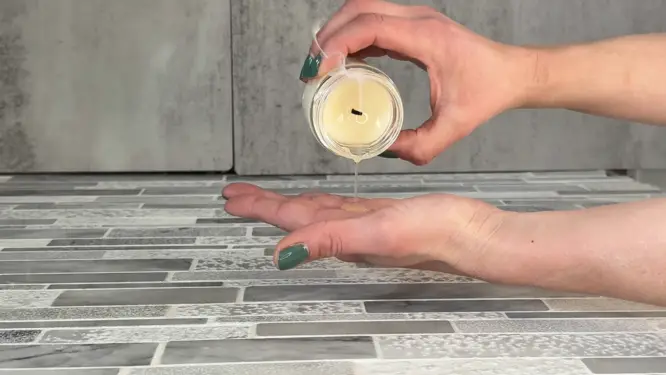
How To Make a Massage Oil Candle
Weigh all ingredients using a digital scale.
Add soy wax, cocoa butter, and shea butter to a heat-safe container.
Melt using a double boiler until fully liquid (around 160–170°F).
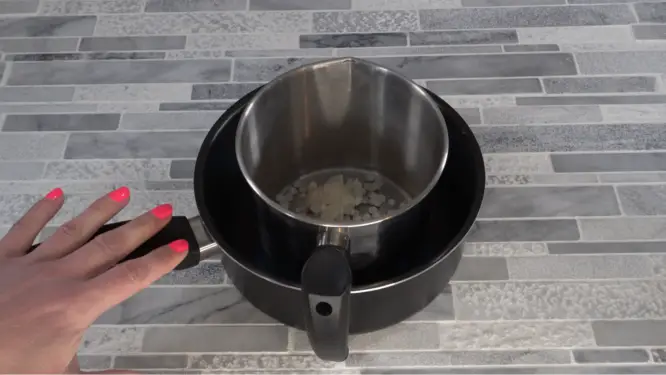
Remove from heat and stir in castor oil.
Allow the mixture to cool to 140–145°F, then add fragrance oil.
Stir gently for 1–2 minutes.
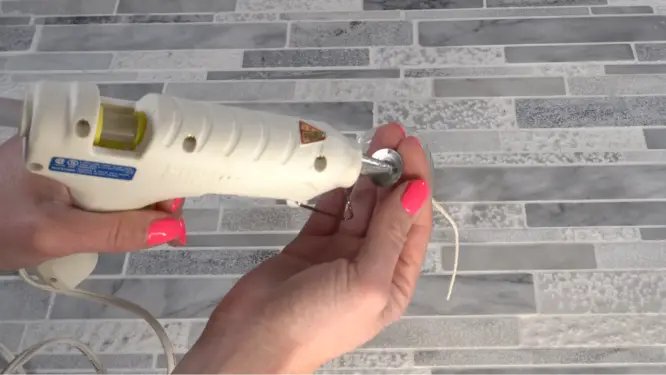
Pour into a heat-safe candle jar with a properly sized wick.
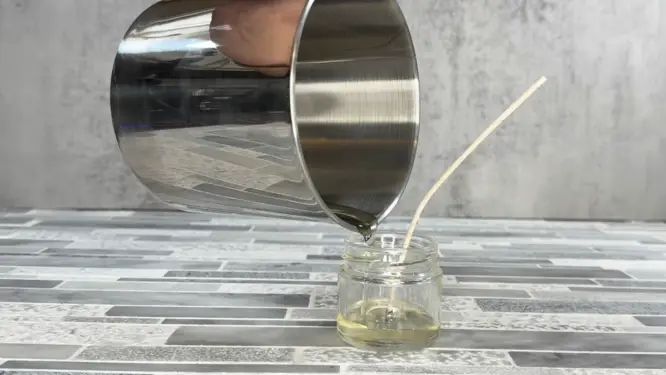
Let cool undisturbed for 24 hours before use.
Wick & Container Tips
- Use low-heat wicks (cotton or wooden wicks work well)
- Avoid containers that get too hot
- Smaller jars = safer skin temperature
Common Massage Candle Problems (And Fixes)
Too hard?
- Reduce wax slightly
- Increase shea butter
Too oily or soft?
- Reduce liquid oil
- Increase cocoa butter or wax by 3–5%
Poor scent throw?
- Ensure fragrance is candle-rated
- Cure for 48 hours before testing
Massge Oil Candle Printable Recipe

This Massage Candle Melts Into Body Oil (Skin-Safe Recipe)
Ingredients
- 25 g | 25% Soy Wax:
- 30 g | 30% Cocoa Butter
- 30 g | 30% Shea Butter (Refined)
- 13 g | 13% Castor Oil
- 2 g | 2% | 2% Fragrance Oil
Instructions
- Weigh all ingredients using a digital scale.
- Add soy wax, cocoa butter, and shea butter to a heat-safe container.
- Melt using a double boiler until fully liquid (around 160–170°F).
- Remove from heat and stir in castor oil.
- Allow the mixture to cool to 140–145°F, then add fragrance oil.
- Stir gently for 1–2 minutes.
- Pour into a heat-safe candle jar with a properly sized wick.