
If you’ve ever wondered why one DIY lotion feels amazing while another feels greasy, sticky, separates, or just doesn’t work the way you expected, you’re not alone. The difference often comes down to formulation.
Skincare formulation is about understanding what your ingredients do and how they work together—not just following a recipe.
In this beginner’s guide, I’ll explain the basics of skincare formulation in simple terms. We’ll look at the different roles ingredients play, the difference between water- and oil-based products, emulsions, preservatives, and how to start creating products that work the way you want them to.
You don’t need a chemistry degree to get started. Once you understand a few basic concepts, formulation becomes much less intimidating.
What Is Skincare Formulation?
Skincare formulation is the process of choosing ingredients and combining them in the right amounts to create a finished product with the texture, feel, and function you want.
Instead of simply following a recipe, learning formulation helps you understand why the ingredients are there and what each one contributes to the finished product.
When you understand formulation, you can:
- Customize products for different skin types and preferences.
- Adjust the texture and feel of a product.
- Make formulas in different batch sizes.
- Make informed ingredient substitutions.
- Troubleshoot problems such as separation, stickiness, or a product that feels too heavy.
A recipe tells you how to make a product, while a formula expresses the proportions of each ingredient. Learning to work with formulas makes it easier to understand how a product is designed and how to calculate different batch sizes.
If you’re new to formulation, start by learning the difference between percentages and grams in skincare formulation. You can then explore how to convert a recipe to a formula and how to read a skincare formula.
Understanding Ingredient Roles in Skincare
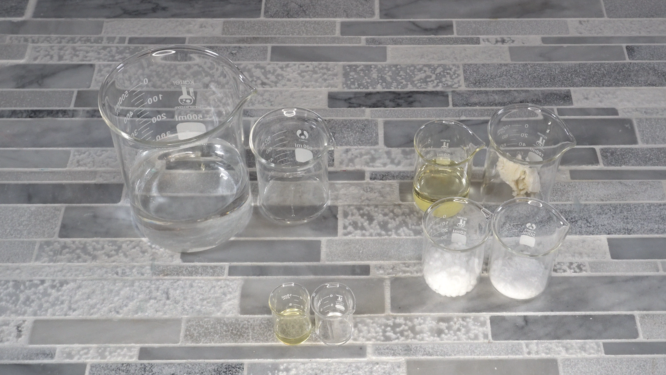
One of the easiest ways to understand formulation is to stop thinking of ingredients as simply a list of things in a recipe and start thinking about what each ingredient actually does.
Different ingredients can provide hydration, soften the skin, create a protective layer, thicken a product, emulsify oil and water, preserve the product, adjust the pH, add fragrance, or provide other functions.
Three terms you’ll hear often when learning about moisturizers are humectants, emollients, and occlusives.
Humectants
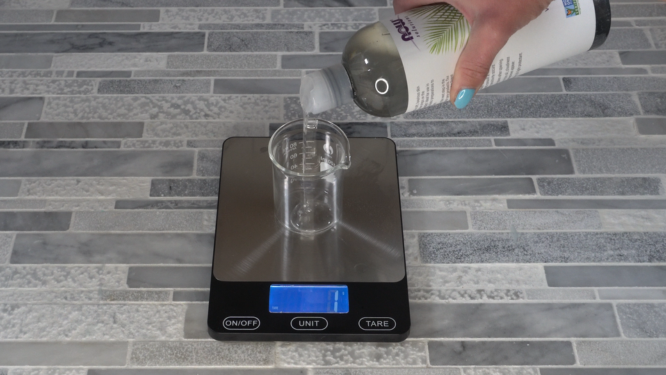
Humectants help attract and hold water, which can help the skin feel more hydrated. They are especially important in formulations for dry or dehydrated skin.
Common humectants include glycerin and panthenol. Aloe vera and honey can also contribute humectant properties, depending on the ingredient and formulation.
Humectants can sometimes feel sticky when used at higher concentrations, which is one reason formulators consider how they work alongside the other ingredients in a product.
Emollients
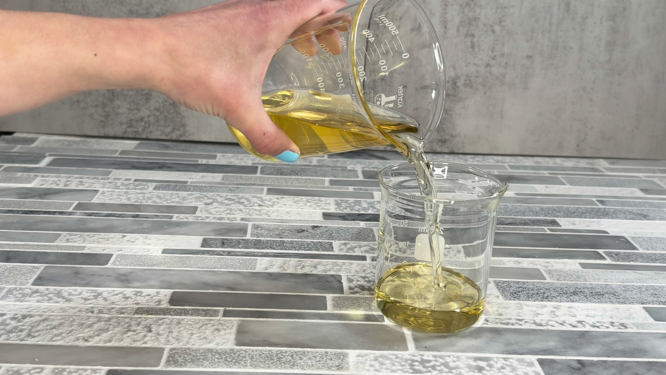
Emollients soften and condition the skin, helping improve its texture and feel.
Many common emollients are oils and butters, although there are many different types of emollient ingredients used in skincare. They are commonly used in products such as body oils, lotions, creams, and body butters.
Occlusives
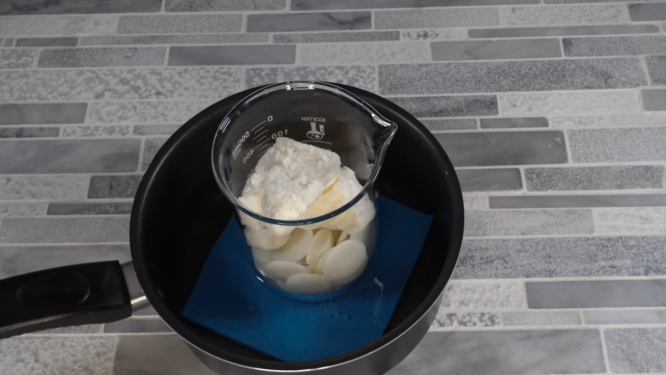
Occlusives form a protective layer on the skin’s surface that helps reduce water loss. They can be particularly useful in products designed for dry skin, lips, and feet.
Examples include petrolatum, lanolin, and certain waxes and butters, depending on their properties and how they are used in a formula.
To learn more about these three ingredient functions, read Humectants, Occlusives and Emollients Explained.
For a broader overview of the roles ingredients play in a formula, visit What Each Ingredient Does in Skincare Formulation.
Water vs. Oil in Skincare Formulation
One of the first things to understand when formulating skincare is whether your product contains water.
This makes a big difference in how the product is formulated, preserved, packaged, and used.
Water-Based Products
Water-based products include lotions, creams, facial mists, cleansers, and many other types of skincare products.
Water-containing products generally require an appropriate preservative system because they can support the growth of bacteria, yeast, and mold.
The preservative must be suitable for the formula and used according to its manufacturer’s instructions. Factors such as the product’s pH and the other ingredients in the formula can affect which preservative is appropriate.
Learn more about why preservatives matter in DIY skincare.
Oil-Based Products
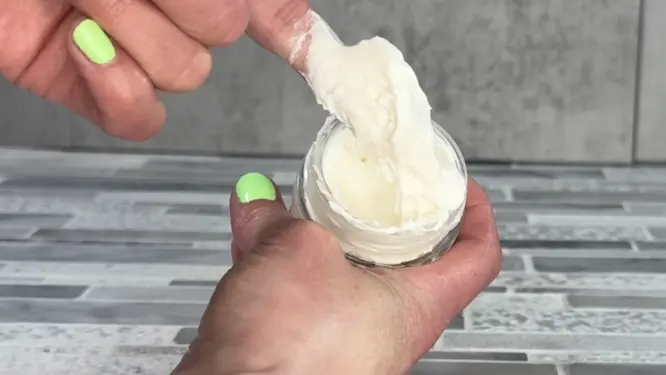
Oil-based products include body butters, balms, lip products, and body oils. Because they don’t contain water, they generally don’t require the same traditional preservative systems used in water-containing products.
However, oils and butters can still oxidize and eventually become rancid. Antioxidants such as vitamin E can help slow oxidation, but an antioxidant is not a substitute for a preservative in a water-containing product.
Understanding whether your product contains water is an important first step in deciding how to formulate and protect it.
What Is an Emulsion?
An emulsion is a mixture of two liquids that normally don’t stay mixed, such as oil and water. An emulsifier helps bring these two phases together to create a more stable product.
Lotions and creams are common examples of emulsions.
Creating a stable emulsion involves more than simply adding an emulsifier. The ingredients, percentages, processing method, and other parts of the formula all matter.
If you’re interested in making lotions and creams, understanding emulsions is an important part of learning formulation.
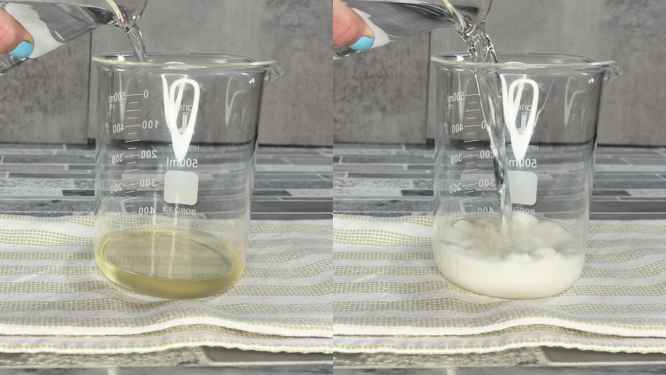
Read Emulsions – What Are They and How Do They Work? to explore the topic in more detail.
Preservation Basics for DIY Skincare
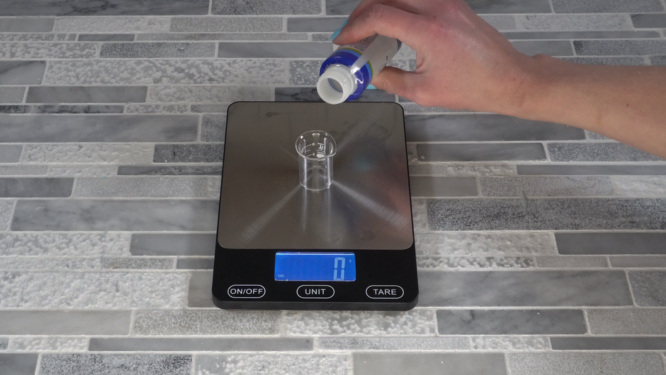
If you’re making a product that contains water, preservation is one of the most important things to understand.
Water-containing products can support the growth of bacteria, yeast, and mold, so they generally need an appropriate preservative system.
A preservative isn’t something you simply add at the end of a recipe. It needs to be suitable for the formula and used according to the manufacturer’s recommended usage rate and instructions.
For a closer look at choosing and using preservatives, read Why Preservatives Matter in DIY Skincare.
Why pH Matters in Skincare Formulation
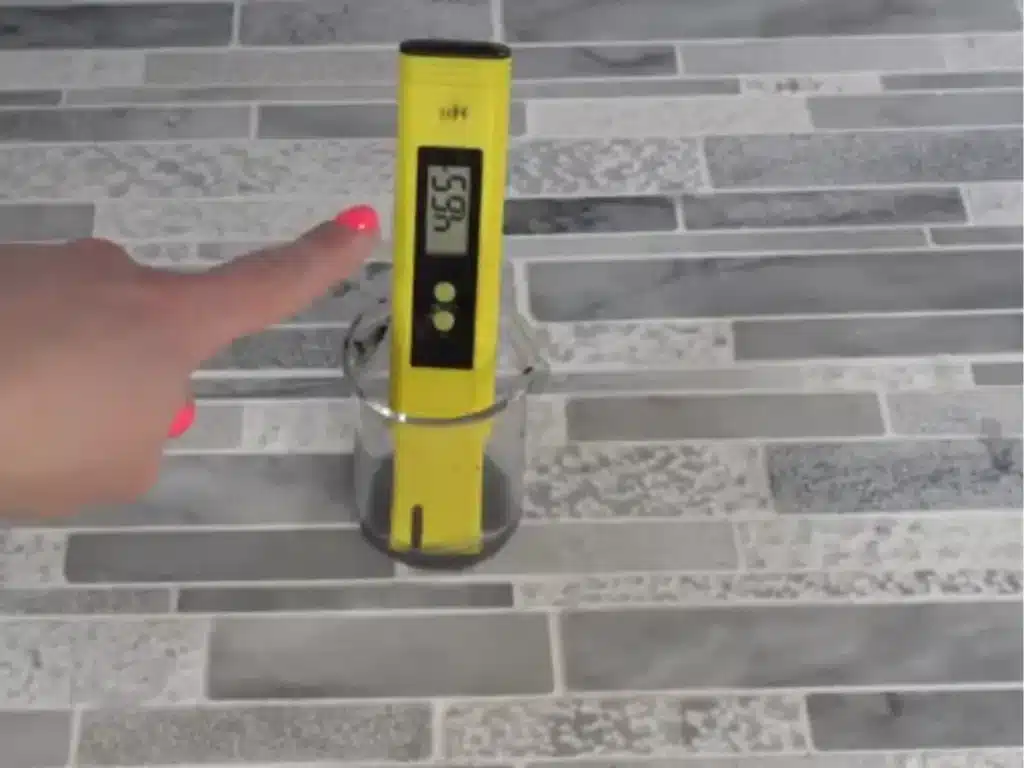
pH is another important consideration when formulating products that contain water.
The pH of a product can affect how it feels on the skin, how certain ingredients work, and how some preservatives perform.
You don’t need to become a pH expert to get started. The important thing is to understand that different products and ingredients have different pH requirements.
When you’re making a formula, always check the recommended pH range for the ingredients and preservative you’re using.
Learn more about How to Make Products With a Balanced pH Level.
Safety, Stability, and Shelf Life
Creating a good skincare formula isn’t just about how it feels when you first make it. You also want the product to remain in good condition while you’re using it.
Problems can include separation, changes in texture or color, unpleasant odors, or microbial growth.
A few good habits can make a big difference:
- Use clean equipment and containers.
- Follow ingredient and preservative instructions.
- Store products appropriately.
- Label your products with the date they were made.
- Pay attention to changes in the product over time.
When you’re learning to estimate how long a homemade product may last, the shelf life of your individual ingredients can be a useful starting point—but it doesn’t automatically tell you the shelf life of the finished product.
Preservation, packaging, storage, and the stability of the complete formula all matter.
For more information, read How to Determine the Shelf Life of Homemade Cosmetics.
How to Choose the Right Product Type
Once you understand the basic roles ingredients play, you can start thinking about what type of product you want to make.
Different product types have different advantages, textures, and formulation considerations.
- Lotions and creams: Often used for everyday skin moisturization. These typically combine water and oils using an emulsifier and require an appropriate preservative system.
- Body butters: Oil-based products made with oils and butters. Their texture depends on the ingredients, proportions, and how the product is made.
- Balms and lip care: Often oil- and wax-based products designed to soften the skin and help reduce moisture loss.
- Wash-off products: Cleansers and other rinse-off products may use surfactants or other ingredients selected for their cleansing function.
Choosing a product type helps narrow down which ingredients, techniques, and formulation principles you’ll need to understand.
Putting It All Together
Skincare formulation can sound complicated when you first start learning, but you don’t have to understand everything at once.
Start by learning what your ingredients do. Then learn how to work with percentages, understand water and oil phases, and explore the basics of emulsification, preservation, and pH.
As your knowledge grows, you’ll become better equipped to understand why ingredients are included in a recipe, what they contribute to the finished product, and which factors to consider when developing your own formulas.
The goal isn’t to memorize a list of rules. It’s to learn how to make informed decisions when creating skincare products.
If you’re ready to take the next step, start with How to Read a Skincare Formula for Beginners. Understanding how formulas are structured will help you connect the concepts in this guide to the practical process of formulating your own products.