
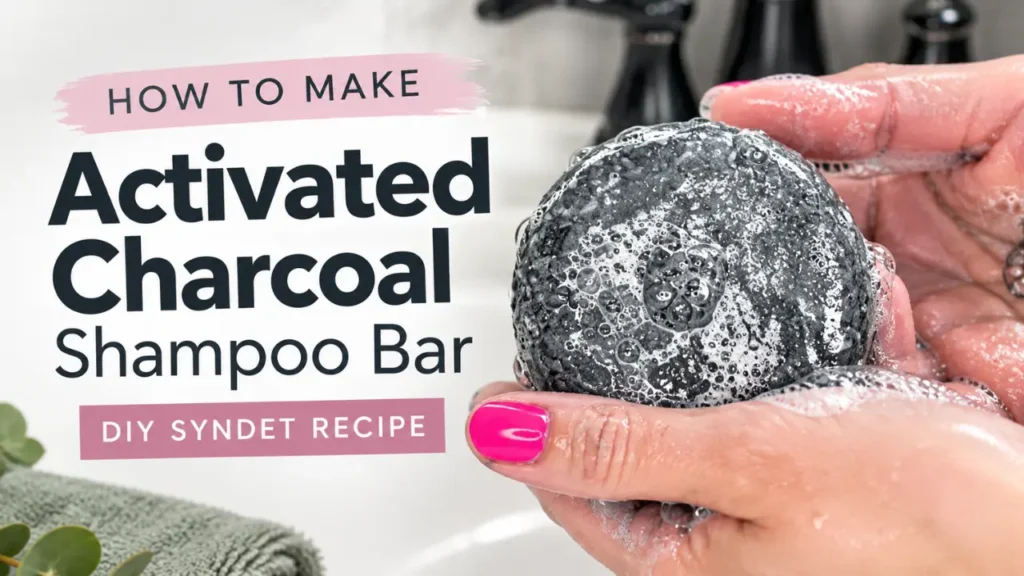
Want to make your own shampoo bar at home? This activated charcoal shampoo bar is a solid, surfactant-based cleanser made with SCI, conditioning ingredients, and activated charcoal.
Unlike traditional soap, a syndet shampoo bar uses synthetic detergents (surfactants) to cleanse the hair. This gives you more flexibility when formulating a shampoo bar designed for hair care.
In this tutorial, I’ll walk you through the ingredients, explain what each one contributes to the formula, and show you how to mix, mold, and test your finished bar.
If you’re new to making solid hair care products, understanding how the ingredients work together is just as important as following the recipe.
What Is an Activated Charcoal Shampoo Bar?
An activated charcoal shampoo bar is a solid cleanser that combines surfactants with ingredients that help give the bar its shape, texture, and conditioning properties.
Activated charcoal gives this recipe its dark color and is often included in cleansing products marketed for oily skin or hair. However, charcoal isn’t a magic detox ingredient. Your shampoo’s cleansing performance depends primarily on its surfactant system, how you use it, and how well the formula suits your hair.
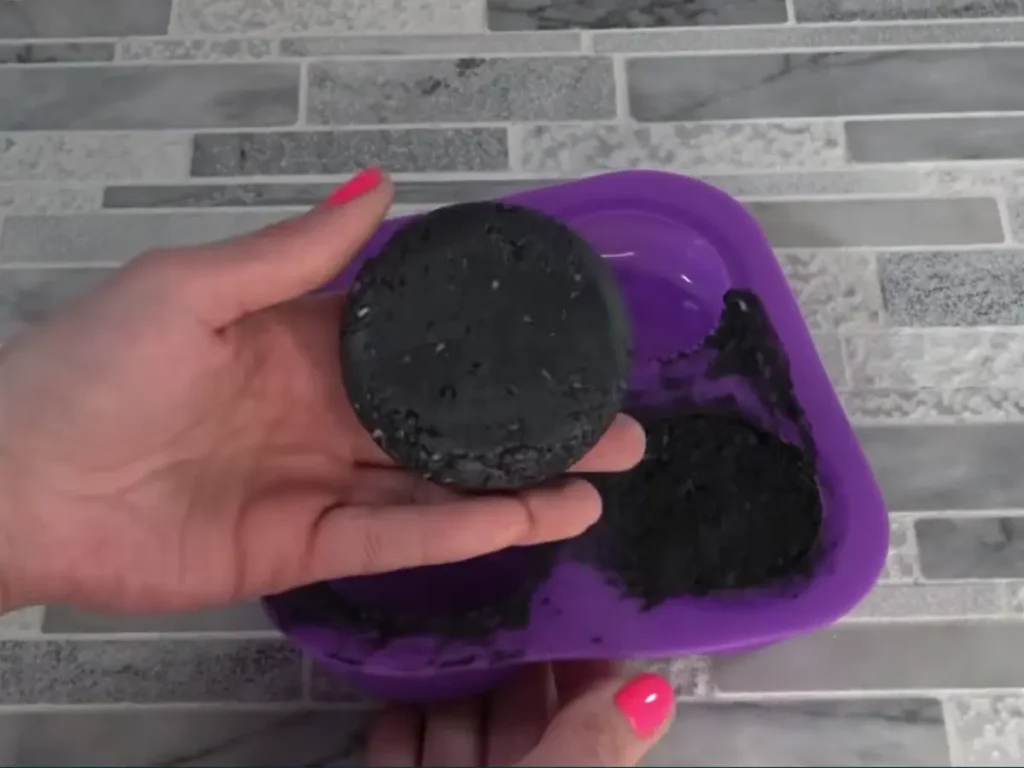
This recipe uses sodium cocoyl isethionate (SCI) as its primary surfactant, along with cocamidopropyl betaine to help create a creamy lather.
It also contains cocoa butter, cetyl alcohol, and BTMS-50 to contribute to the bar’s structure and conditioning feel.
A quick note: This is a syndet shampoo bar, not a traditional soap bar made by saponifying oils with lye. If you’re interested in how different ingredients work together in a formulation, read my guide to water versus oil in skincare formulation.
Prefer to watch How to Make A Shampoo Bar
Some links on this website are affiliate links, meaning I may earn a small commission if you click and make a purchase. This comes at no additional cost to you.
What Each Ingredient Does
A shampoo bar needs more than a cleanser. The surfactants provide cleansing and foam, while the remaining ingredients influence hardness, processing, conditioning, and the feel of the finished product.
Sodium Cocoyl Isethionate (SCI)
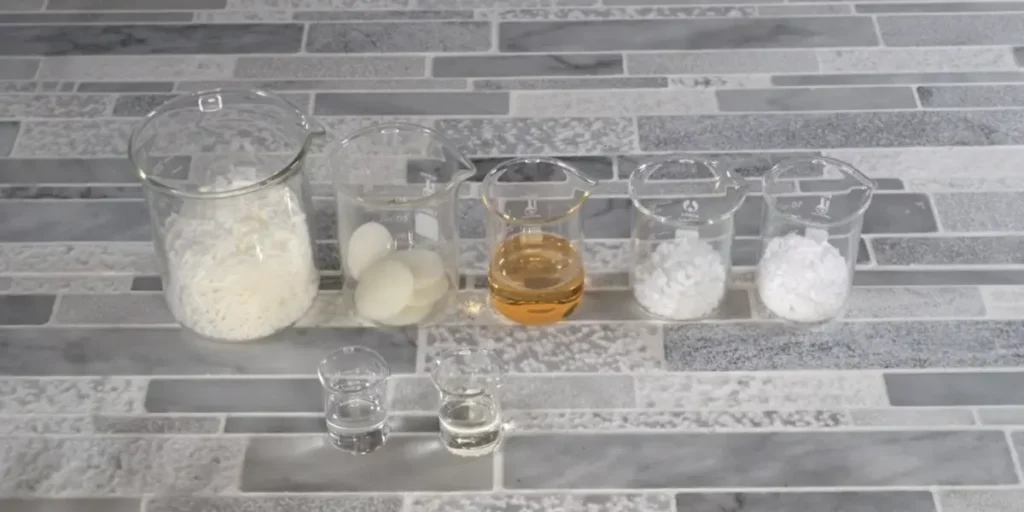
SCI is the primary cleansing surfactant in this recipe. It’s widely used in solid cleansing products because it can produce a rich, creamy lather.
SCI is usually supplied as noodles, flakes, or powder, depending on the manufacturer. Its physical form affects how easily it incorporates into a formula. The noodles are harder and powder is easier.
Cocamidopropyl Betaine
Cocamidopropyl betaine is an amphoteric surfactant that can support foam and work alongside anionic surfactants such as SCI.
Check the supplier’s specification sheet for its active matter and water content. Commercial cocamidopropyl betaine is often supplied as an aqueous liquid, which affects the overall water content of a shampoo bar.
Cetyl Alcohol
Cetyl alcohol is a fatty alcohol, not the drying alcohol found in some sanitizers. In solid hair care products, it can help improve structure, slip, and the feel of the finished bar.
It also contributes to the texture of the mixture during processing.
Substitutoin: Cetearyl alcohol is a blend of cetyl and stearyl alcohol, so it will make the shampoo bar firm and add slip, but the finished bar may be slightly harder or have a different texture.
Learn more about cetyl alcohol and its uses in formulations.
Cocoa Butter
Cocoa butter is a solid plant butter that contributes firmness and an emollient feel. In a shampoo bar, too much butter can make the product feel waxy or leave unwanted residue, so the balance between cleansing and conditioning ingredients matters.
Substitution: Mango butter or shea butter can be considered, but each may change the bar’s hardness, melting behavior, and feel.
BTMS-50
BTMS-50 is a conditioning ingredient commonly used in hair care formulations. It can improve the feel and manageability of hair, helping complement the cleansing action of the surfactants.
It also contributes to the structure of some solid hair care products.
Substitution: BTMS-25 is not a direct one-for-one replacement. Its composition and conditioning contribution differ, so the formula should be recalculated and tested.
You can also see how a conditioning emulsifier is used in my emulsified sugar scrub recipe.
Glycerin or Propanediol
Glycerin and propanediol are humectants that can influence how a formula handles moisture. They may also affect the consistency and workability of a surfactant paste.
Although they’re both used as humectants, they aren’t identical. Choose one based on the requirements of the formula rather than assuming the same amount will produce exactly the same result.
Sodium Lactate
Sodium lactate is a humectant and salt that may influence the consistency of a formulation. Its effect on hardness depends on the overall formula; it should not automatically be treated as a hardening agent in every syndet bar.
Distilled Water or Hydrosol
Water helps the ingredients combine and affects the consistency of the mixture. A hydrosol may contribute its own fragrance and other formulation considerations, so it isn’t always interchangeable with distilled water.
Because water is present, the bar needs an appropriate preservation strategy. Its water content also affects how the bar dries and performs during storage.
Activated Charcoal
Activated charcoal provides the dark gray or black color that makes this shampoo bar distinctive. It is often used in products intended for oily skin or hair, but its presence doesn’t guarantee that the bar will remove more buildup than another well-formulated shampoo.
Too much charcoal can affect the appearance and feel of the bar, so start with a carefully calculated level and evaluate the finished product.
Substitution: Clays such as French green clay or rhassoul clay may be used in other formulations, but they have different properties and should not be substituted gram-for-gram without testing.
Hydrolyzed Keratin
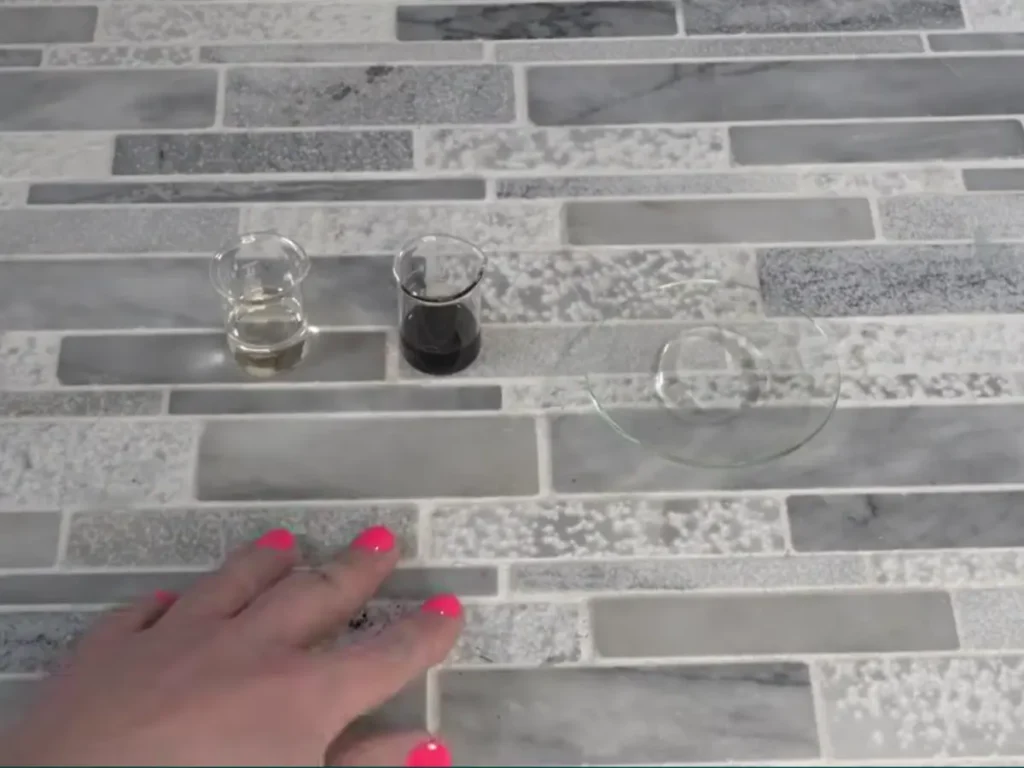
Hydrolyzed keratin is a protein ingredient used in hair care products to help improve the feel and manageability of hair.
Its compatibility with a shampoo bar depends on the specific supplier’s material, including its carrier, recommended use level, and heat tolerance.
Substitution: Hydrolyzed rice protein or silk protein may be options, but check their specifications and suitability for a rinse-off product before making a substitution.
Liquid Germall Plus
Liquid Germall Plus is a broad-spectrum preservative used to help protect suitable water-containing formulations from microbial growth.
Because this recipe includes water and a liquid surfactant, preservation is an important consideration. The appropriate preservative level must be calculated from the final batch weight and kept within the manufacturer’s recommended use level.
Add it at the temperature specified by its manufacturer. Preservatives are not interchangeable, and a preserved formula still needs appropriate stability and microbial testing.
Read my guides to choosing a preservative for DIY skincare and determining the shelf life of homemade cosmetics.
Fragrance Oil
Fragrance oil gives your shampoo bar its scent. Use only a fragrance suitable for rinse-off hair products at a concentration permitted by its supplier.
Check the relevant IFRA documentation for the specific fragrance and product category. A fragrance that works in candles isn’t automatically suitable for shampoo.
You can also leave fragrance out if you prefer an unscented product, but account for the removed percentage when recalculating the formula.
Activated Charcoal Shampoo Bar Ingredients
| Ingredient | Percentage | Weight |
|---|---|---|
| Sodium Cocoyl Isethionate (SCI) | 45% | 90 g |
| Cocamidopropyl Betaine | 12% | 24 g |
| Cetyl Alcohol | 4% | 8 g |
| Cocoa Butter | 5% | 10 g |
| BTMS-50 | 5% | 10 g |
| Glycerin or Propanediol | 4% | 8 g |
| Sodium Lactate | 3% | 6 g |
| Hydrolyzed Keratin | 2% | 4 g |
| Liquid Germall Plus | 0.5% | 1 g |
| Fragrance Oil | 2% | 4 g |
| Distilled Water or Hydrosol | 4% | 8 g |
| Activated Charcoal | 1.5% | 3 g |
| Total | 100% | 200 g |
How to Make an Activated Charcoal Shampoo Bar
Step 1: Prepare Your Equipment
Gather your digital scale, heat-safe mixing container, spatula, crock pot, silicone molds, and protective equipment.
SCI can create airborne dust, particularly when supplied in powder form. Avoid breathing it in, work in a well-ventilated area, and follow the supplier’s safety data sheet. Avoid raising dust when weighing or mixing it.
Weigh each ingredient individually. Accurate weighing is essential when working with surfactants and preservatives.
Step 2: Heat the Main Ingredients
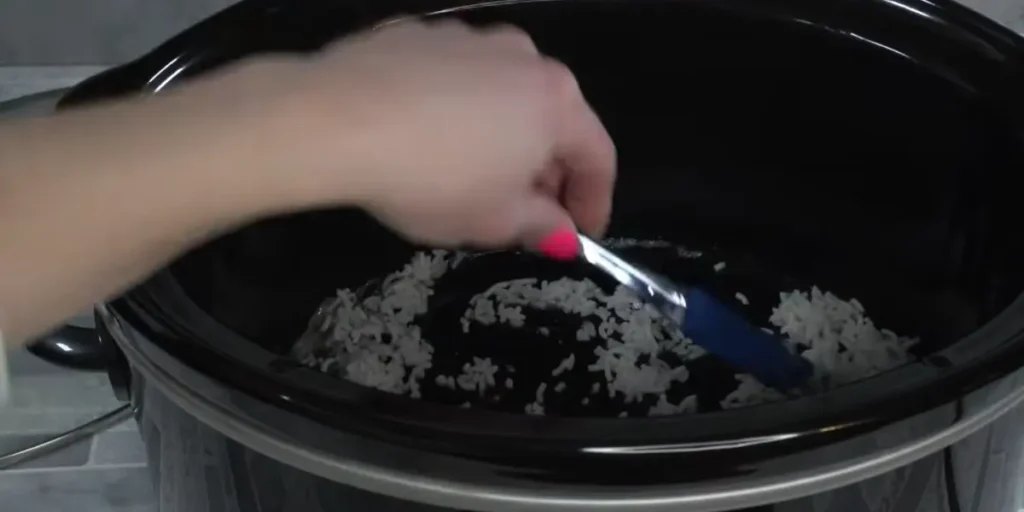
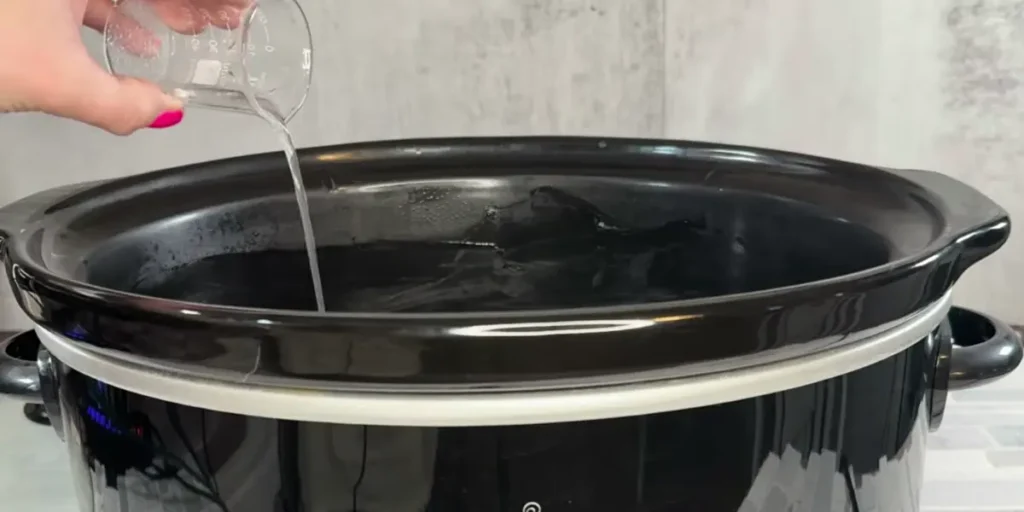
Combine the sodium cocoyl isethionate (SCI), cocamidopropyl betaine, cetyl alcohol, cocoa butter, BTMS-50, glycerin or propanediol, and sodium lactate in your crock pot.
Heat gently, stirring occasionally, until the ingredients soften and form a thick, workable paste.
The mixture will become a thick paste rather than a pourable liquid.
Step 3: Incorporate the Water and Activated Charcoal
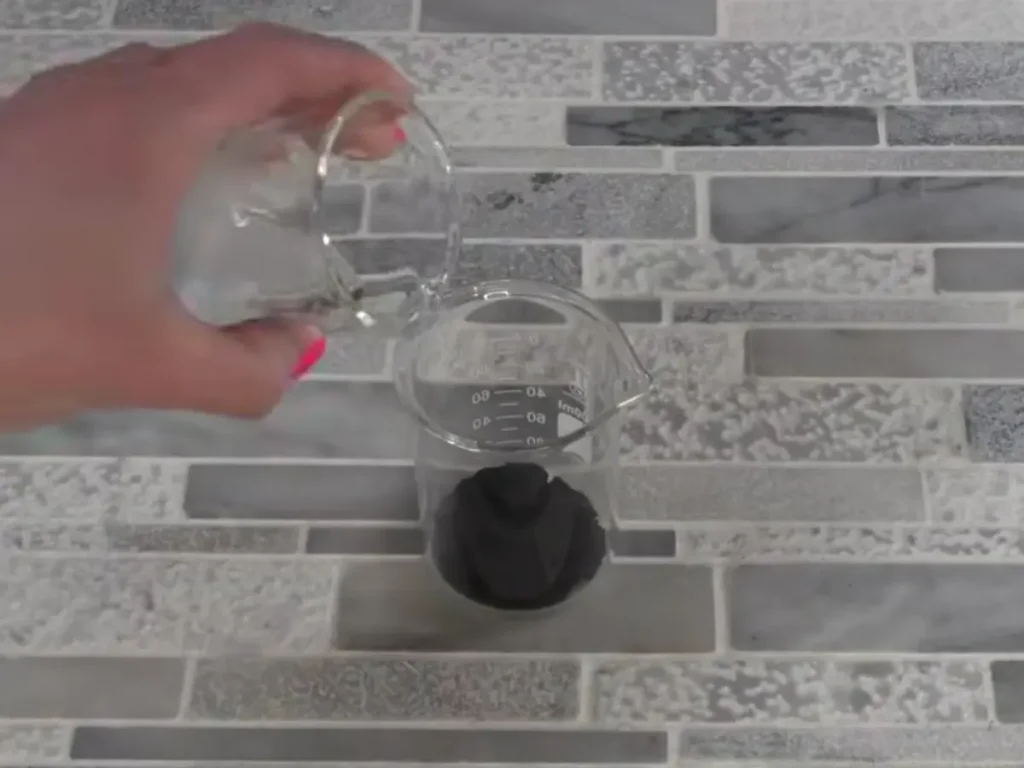
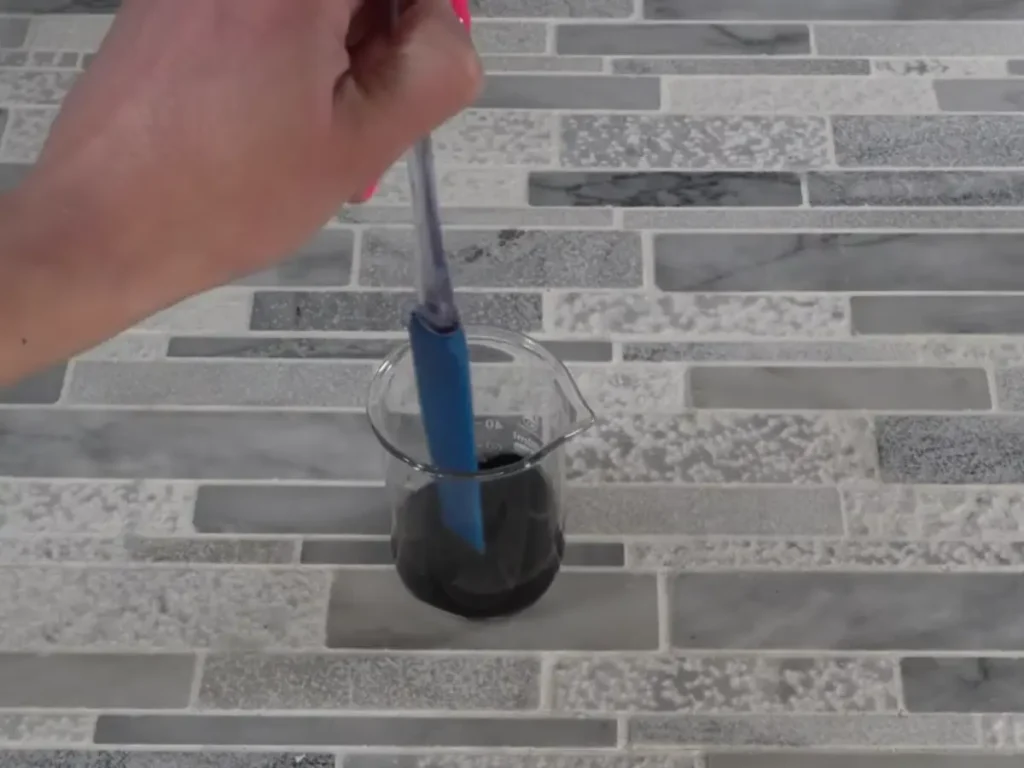
Add the water and activated charcoal. I like to create an activated charcoal slurry to mix into the bar. It just makes it easier to combine everything.
Step 4: Cool and Add Heat-Sensitive Ingredients
Allow the mixture to cool to the temperature recommended by the suppliers of your remaining ingredients normally below 120°F.
Add the hydrolyzed keratin, Liquid Germall Plus, and fragrance oil. For Liquid Germall Plus, follow its manufacturer’s temperature and use-level guidance rather than relying on a generic cooling temperature.
Mix thoroughly, scraping the sides and bottom of the container to distribute the ingredients evenly.
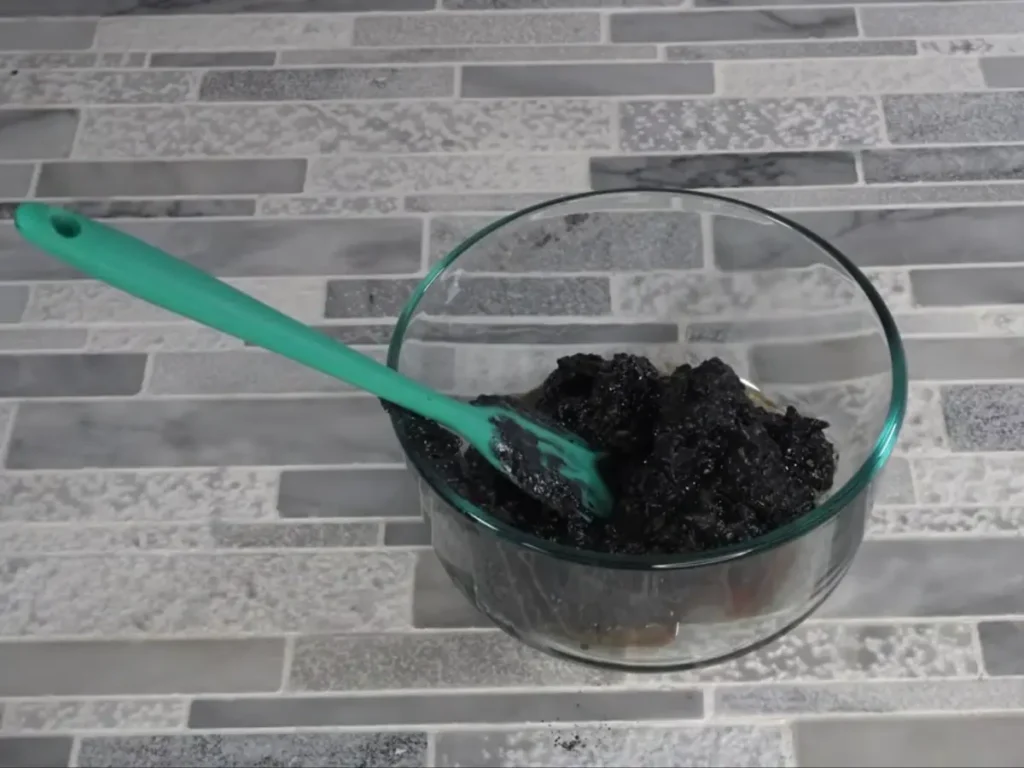
Step 5: Press the Mixture into Molds
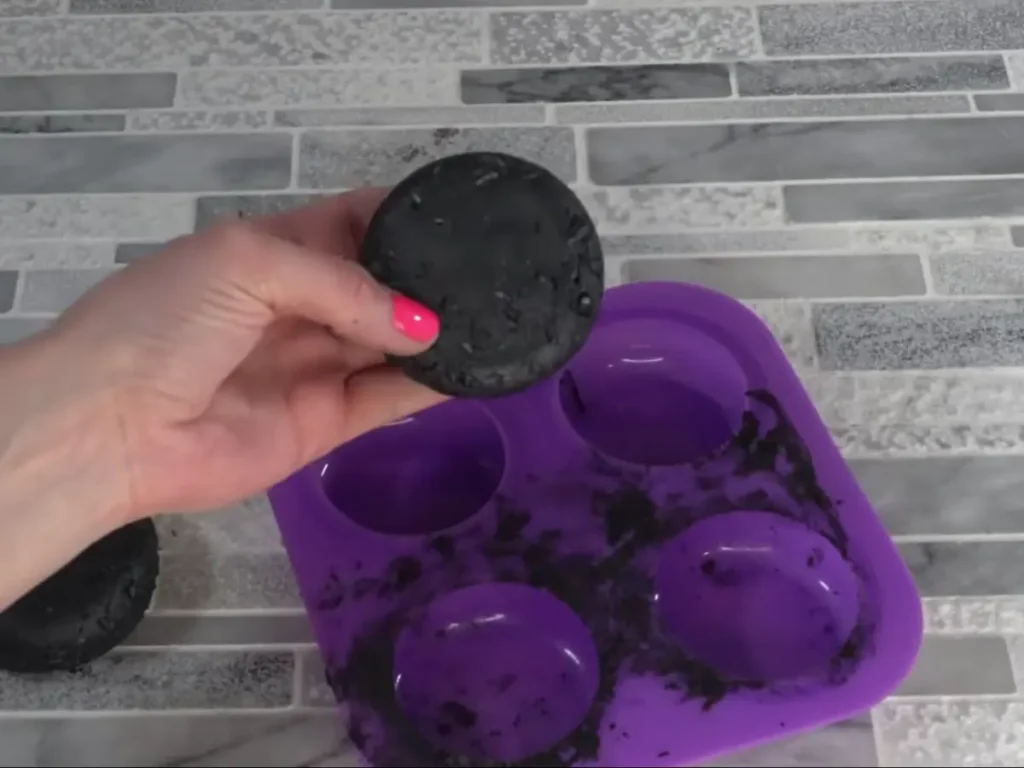
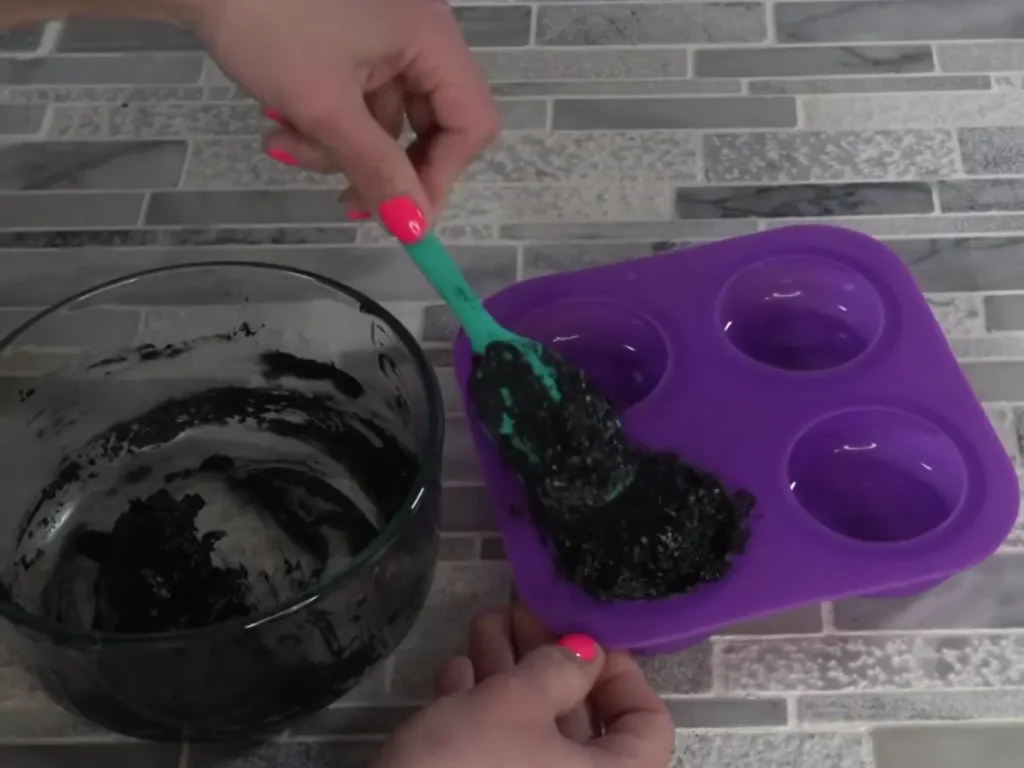
Transfer the mixture into clean silicone molds while it’s still workable.
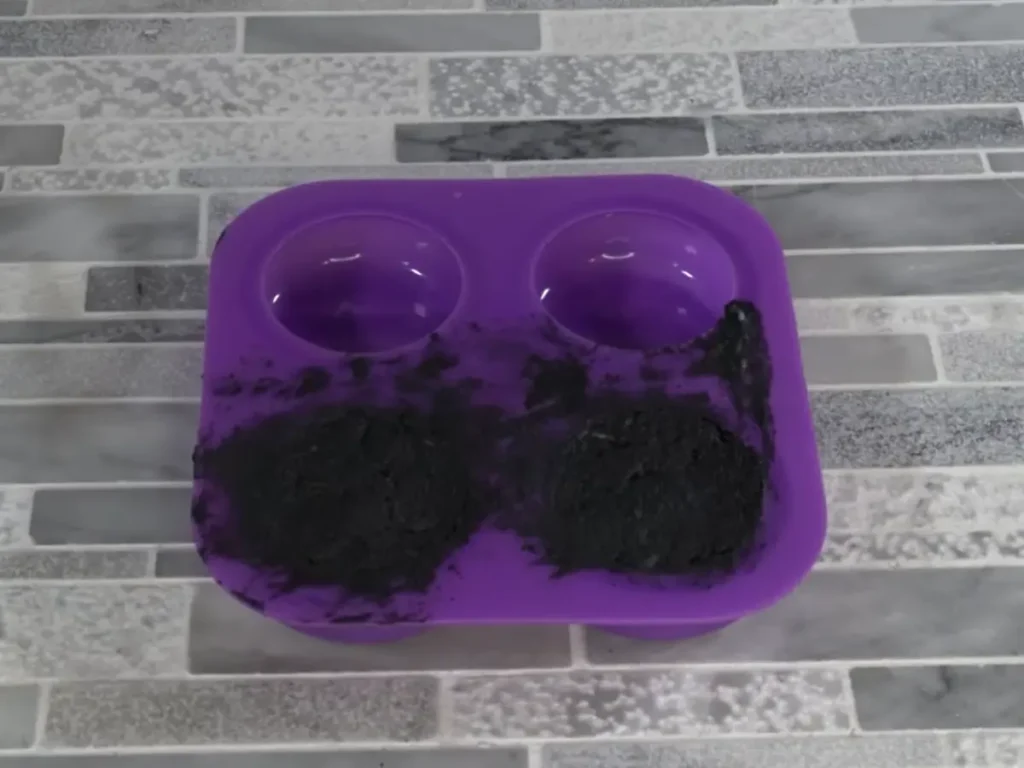
Press firmly into each cavity to minimize air pockets and help the bars hold together. Smooth the surface with a spatula if needed.
This can be a bit messy, so just work quickly and do your best to smooth it.
Step 6: Allow the Bars to Set and Dry
Leave the bars in their molds until they are firm enough to remove without breaking. I let it sit for 24 hours before unmolding, followed by another day of drying.
A bar that feels hard on the outside isn’t necessarily fully dry throughout. Evaluate the finished product before deciding that it is ready to use or package.
How to Test the pH of a Shampoo Bar
A syndet shampoo bar and a traditional soap bar are chemically different products. Traditional soap is generally alkaline, while syndet cleansers can be formulated across a wider pH range.
A mildly acidic pH is often used in hair care products, but don’t assume every shampoo bar must have a pH of exactly 4.5–5.5. Your target should be based on the complete formulation, ingredient compatibility, and product performance.
Make a 10% Dilution
- Weigh 1 g of the finished shampoo bar.
- Add 9 g of distilled water.
- Mix until the sample is sufficiently dispersed for measurement.
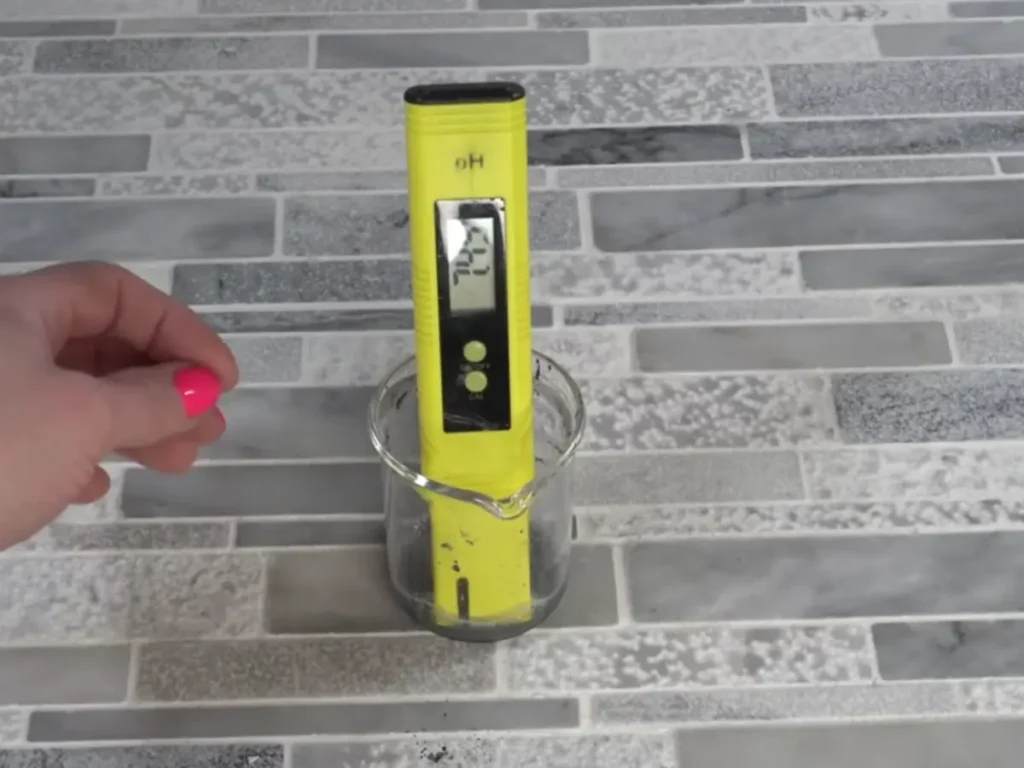
- Measure with a calibrated pH meter suitable for the sample.
- Record the result and repeat the test if needed.
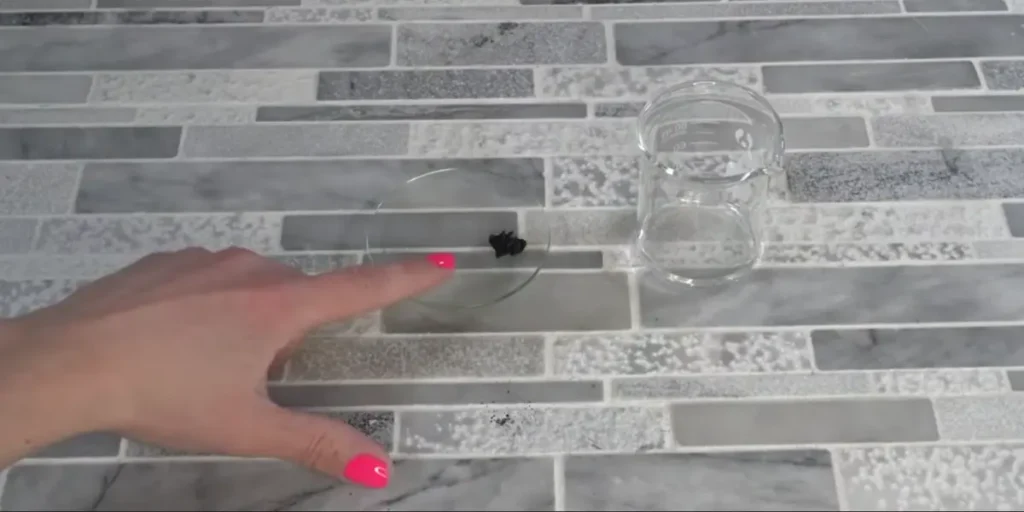
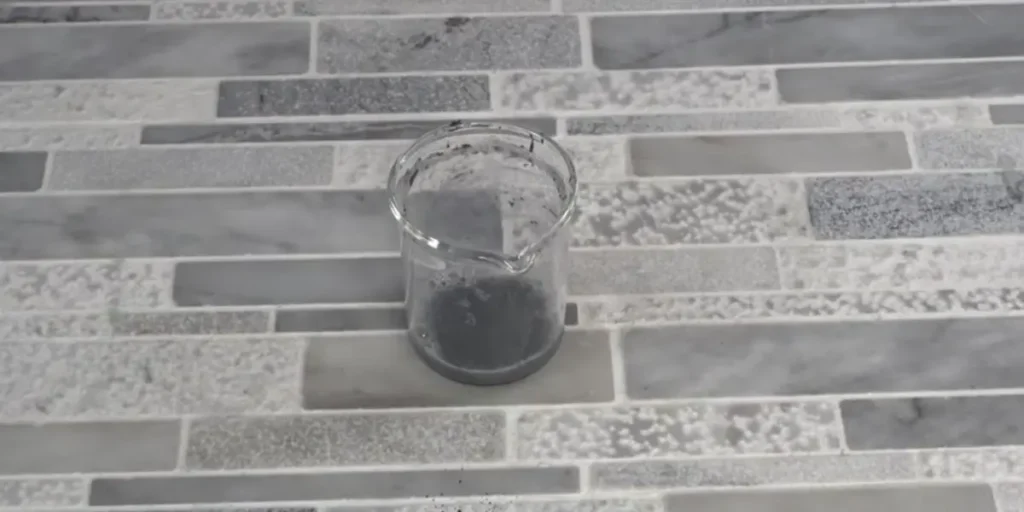
Calibrate your meter with suitable buffer solutions before testing. A pH strip may provide an approximate reading, but dark charcoal can make color comparison difficult.
What If the pH Is Too High or Too Low?
Don’t add a fixed amount of citric acid to the finished bar without calculating and testing the adjustment.
Test the Ph. For this activated charcoal syndet shampoo bar, I’d aim for a pH of 4.5–5.5.
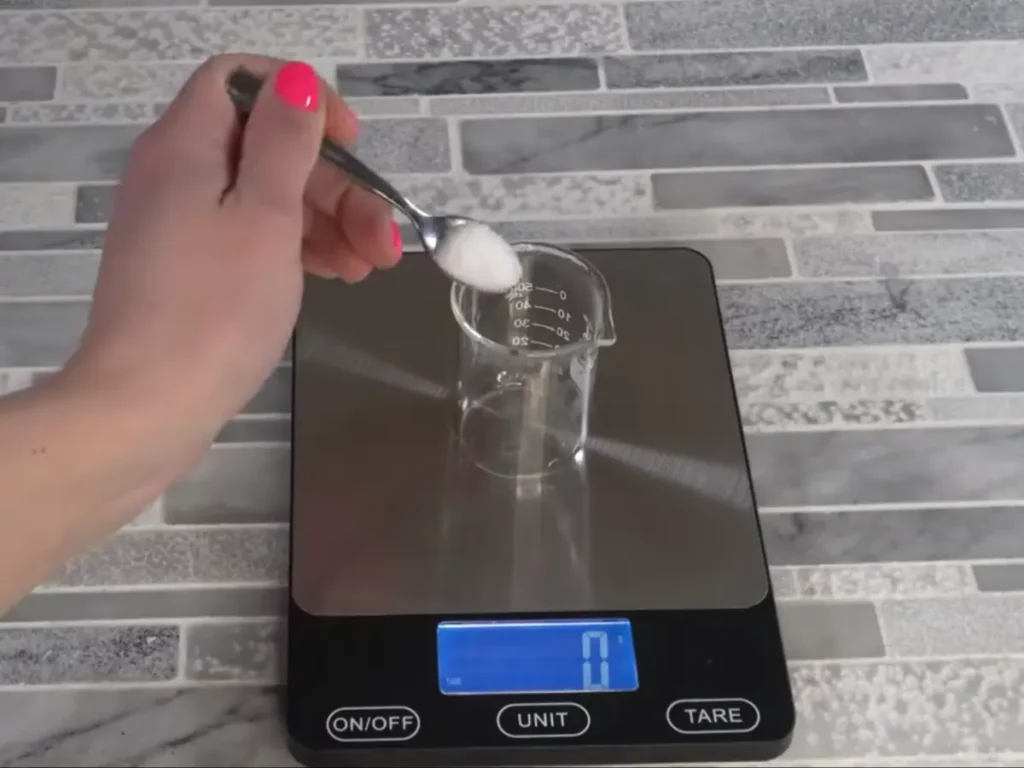
If the pH is too high, make a 50% citric acid solution by combining 1 g of citric acid with 1 g of distilled water.
Stir until the citric acid has fully dissolved. Add the solution to your shampoo bar mixture very slowly, a little at a time, mixing thoroughly after each addition.
Allow a few minutes for the pH to stabilize before testing again. Repeat as needed until the pH falls within your target range of 4.5–5.5.
Avoid adding too much at once, as it is easier to lower the pH gradually than to correct an overly acidic mixture.
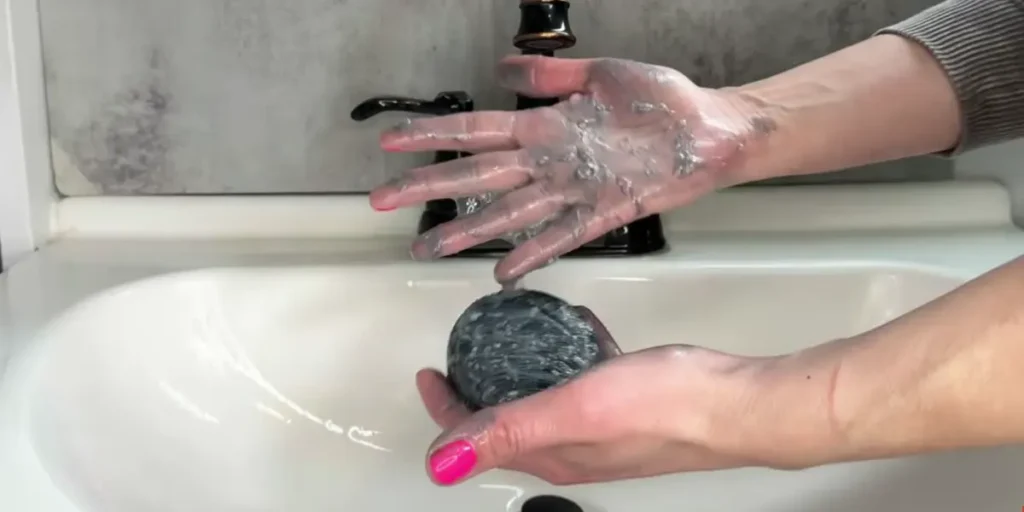
How to Use an Activated Charcoal Shampoo Bar
- Thoroughly wet your hair.
- Wet the bar and work it between your hands to create lather, or apply it gently to wet hair if the bar’s instructions allow.
- Massage the lather through your scalp with your fingertips.
- Rinse thoroughly.
- Follow with conditioner if your hair needs additional conditioning.
Avoid aggressive rubbing, especially if your hair tangles easily. You can adjust how much lather you work through your hair based on its length, thickness, and oiliness.
If you’re transitioning from bottled shampoo, give yourself time to evaluate the bar. Results depend on your hair type, water quality, styling products, and the particular formula.
How to Store a Shampoo Bar
Water left sitting around a shampoo bar can make it soften and wear away more quickly.
To help your bar last longer:
- Store it on a draining soap dish or rack.
- Keep it out of the direct stream of water between washes.
- Allow it to dry between uses.
- Avoid storing it in a sealed, wet container.
Because this formula contains water, drying the bar between uses doesn’t replace the need for an appropriate preservative. A shelf life of three to six months should not be assumed without supporting stability and preservation testing.
Frequently Asked Questions
Is an activated charcoal shampoo bar soap?
No. This is intended to be a syndet shampoo bar made with surfactants. Traditional soap is made through saponification and has different chemistry and pH characteristics.
Can I leave out the activated charcoal?
Yes, you can formulate a shampoo bar without charcoal. However, removing it changes the composition of the recipe. Recalculate the formula rather than automatically replacing its weight with water, then evaluate the finished bar.
Does activated charcoal detox your scalp?
Activated charcoal is used in cleansing products, but the word “detox” can overstate what it does. Cleansing performance primarily comes from the surfactant system. Charcoal does not guarantee better removal of buildup or improved scalp health.
Does a shampoo bar need a preservative?
A shampoo bar that contains water or other ingredients that introduce a risk of microbial growth needs an appropriate preservation strategy. The exact requirements depend on the complete formula, water activity, packaging, and intended use. A bar being solid does not automatically make it microbiologically safe.
How long does a homemade shampoo bar last?
I would estimate a shelf life of 3–6 months for this shampoo bar as a estimate, provided it is properly preserved, stored in a cool, dry place, and allowed to dry between uses. However, this is not a verified shelf life. Because the formula contains water, microbial testing and stability testing are needed to confirm how long it remains safe and effective to use.
Can I substitute ingredients in this recipe?
Some ingredients have alternatives, but substitutions can change cleansing strength, foam, hardness, moisture content, and conditioning. Check the supplier’s documentation and recalculate the formula whenever an ingredient changes.
More DIY Formulation Guides
If you’re interested in learning how to formulate your own bath and hair care products, these guides are useful next steps:
- Why preservatives matter in DIY skincare
- How to determine the shelf life of homemade cosmetics
- Water versus oil in skincare formulation
The key to making a good shampoo bar is balancing cleansing, conditioning, and structure. Once you understand what each ingredient contributes, you can make more informed decisions when adjusting a formula instead of relying on substitutions alone.
Make Your Own Detox Charcoal Shampoo Bar (Easy Syndet Recipe)
Equipment
- Silicone mold
Ingredients
Heat Phase
- 90 g | 45% Sodium Cocoyl Isethionate (SCI)
- 24 g | 12% Cocamidopropyl Betaine
- 8 g | 4% Cetyl Alcohol
- 10 g | 5% Cocoa Butter
- 10 g | 5% BTMS-50
- 8 g | 4% Glycerin
- 6 g | 3% Sodium Lactate
Charcoal Slurry
- 8 g | 4% Distilled Water or Hydrosol
- 3 g | 1.5% Activated Charcoal
Cool Down
- 1 g | 0.5% Liquid Germall Plus
- 4 g | 2% Fragrance Oil
- 4 g | 2% Hydrolyzed Keratin
Instructions
- Melt the Heat Phase in a crock pot
- Add Water + Charcoal slurry
- Cool Below 50°C (122°F) and add cool down ingredients
- Mold the Bars
Pingback: Surfactants in Skincare: What They Are and How They Work - Summer Rain
Pingback: Activated Charcoal: What It Is and How to Use It in DIY Skincare - Summer Rain