
Skincare formulation is the foundation of every lotion, cream, balm, and facial product that actually works. If you’ve ever made a DIY skincare product that felt greasy, sticky, separated, or stopped moisturizing after a short time, the issue usually isn’t the recipe—it’s the formulation.
This beginner-friendly guide will walk you through how skincare formulation works, what ingredients really do, and how to choose the right product type for your goals. By the end, you’ll understand the principles behind successful DIY skincare so you can confidently make, customize, and troubleshoot your own products.

What Is Skincare Formulation?
Skincare formulation is the process of selecting and combining ingredients in the correct ratios so they work together safely, effectively, and consistently. Instead of just following a recipe, formulation teaches you why a product works and how to adjust it for different skin types and needs.
When you understand formulation, you can:
- Customize products for dry, oily, sensitive, or combination skin
- Adjust texture and absorption
- Create stable products that don’t separate
- Make informed ingredient substitutions
Body & Skin Care recipes
The Three Core Ingredient Roles in Skincare
Every effective moisturizer—whether it’s a lotion, cream, or body butter—is built using three functional ingredient types:
Humectants
Humectants attract and draw moisture to the skin, helping increase hydration levels. They are especially important in formulations for dry or dehydrated skin.
Common humectants include glycerin, aloe vera, honey, and panthenol. On their own, humectants can feel sticky, which is why they’re typically paired with emollients and occlusives.
Emollients
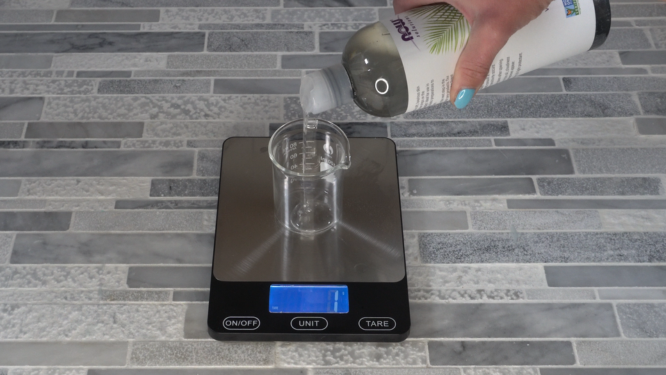
Emollients soften and condition the skin by filling in gaps between skin cells. They improve skin texture and help products feel smooth and luxurious.
Emollients are usually oils or butters such as jojoba oil, almond oil, and shea butter. Many emollients feel great on their own and are commonly used in body oils and butters.
DIY Lotions, Creams & Body Butters
Occlusives
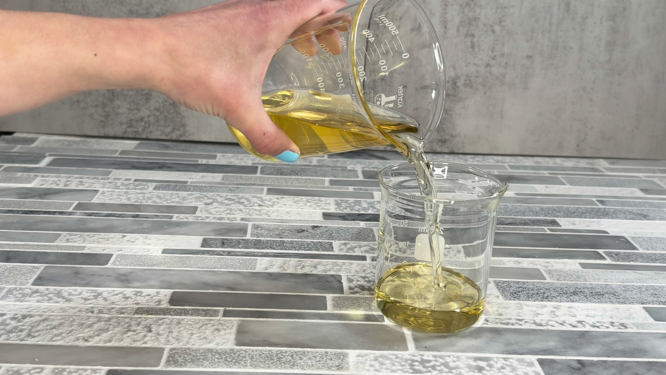
Occlusives create a protective barrier on the skin’s surface to lock in moisture and prevent water loss. They are especially helpful for very dry skin, lips, and feet.
Common occlusives include beeswax, cocoa butter, lanolin, and petroleum.
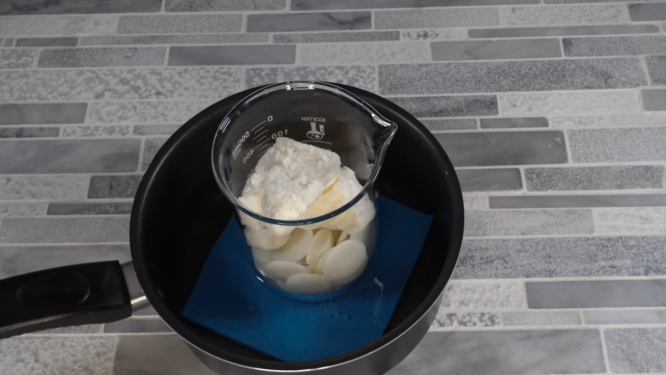
Water vs Oil in Skincare Formulation
Understanding the difference between water-based and oil-based products is essential in skincare formulation.
Water-Based Products
Water-based products include lotions, creams, face washes, and facial mists. These products rely heavily on humectants and must be preserved to prevent bacterial growth.
Oil-Based Products
Oil-based products include body butters, balms, lip products, and oils. These products do not contain water and generally don’t require preservatives, though antioxidants are often used.
What Is an Emulsion?
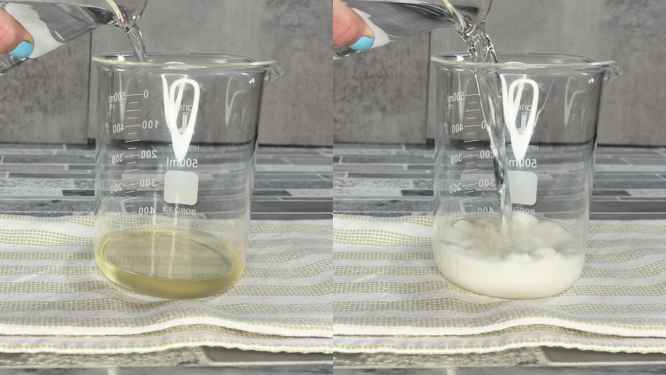
An emulsion is a blend of oil and water held together by an emulsifier. Lotions and creams are emulsions, which allow you to combine the benefits of water-based hydration with oil-based nourishment.
Without proper emulsification, products will separate, feel unstable, or spoil more quickly.
DIY Lotions, Creams & Body Butters
Preservation Basics for DIY Skincare
Any product containing water needs a preservative to prevent mold, yeast, and bacteria growth. This is one of the most important—and often overlooked—parts of skincare formulation.
Preservation helps:
- Extend shelf life
- Keep products safe for use
- Prevent contamination
Safety, Stability, and Shelf Life
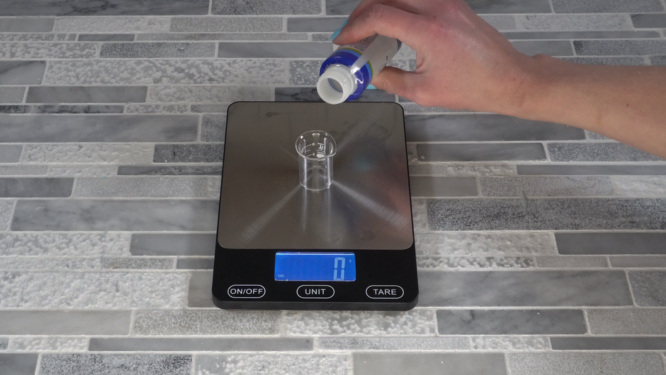
Formulating skincare safely means understanding how ingredients interact over time. Stability issues can show up as separation, changes in texture, or odor.
Always:
- Use clean tools and containers
- Store products properly
- Label with a make date
How to Choose the Right Product Type
Choosing the right product depends on your goal and skin type:
- Lotions & creams: Daily hydration, face and body
- Body butters: Intense moisture for dry skin
- Balms & lip care: Protection and moisture sealing
- Wash-off products: Cleansing and exfoliation
Putting It All Together
Effective DIY skincare formulation isn’t about complicated recipes—it’s about understanding ingredient roles, choosing the right product type, and building balanced formulas.
Once you understand these principles, you can confidently explore:
- Face care
- Body care
- Lip products
- Specialty treatments
Where to Go Next
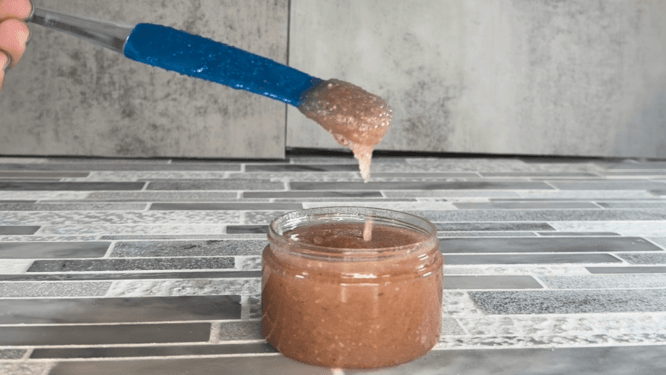
Now that you understand the foundations of skincare formulation, explore these in-depth guides:
- Humectants, Occlusives, and Emollients Explained
- DIY Lotions, Creams & Body Butters
- Face Care Recipes
- Lip Balm & Lip Gloss Recipes
This page is your roadmap—use it whenever you want to learn, troubleshoot, or improve your DIY skincare formulations.