
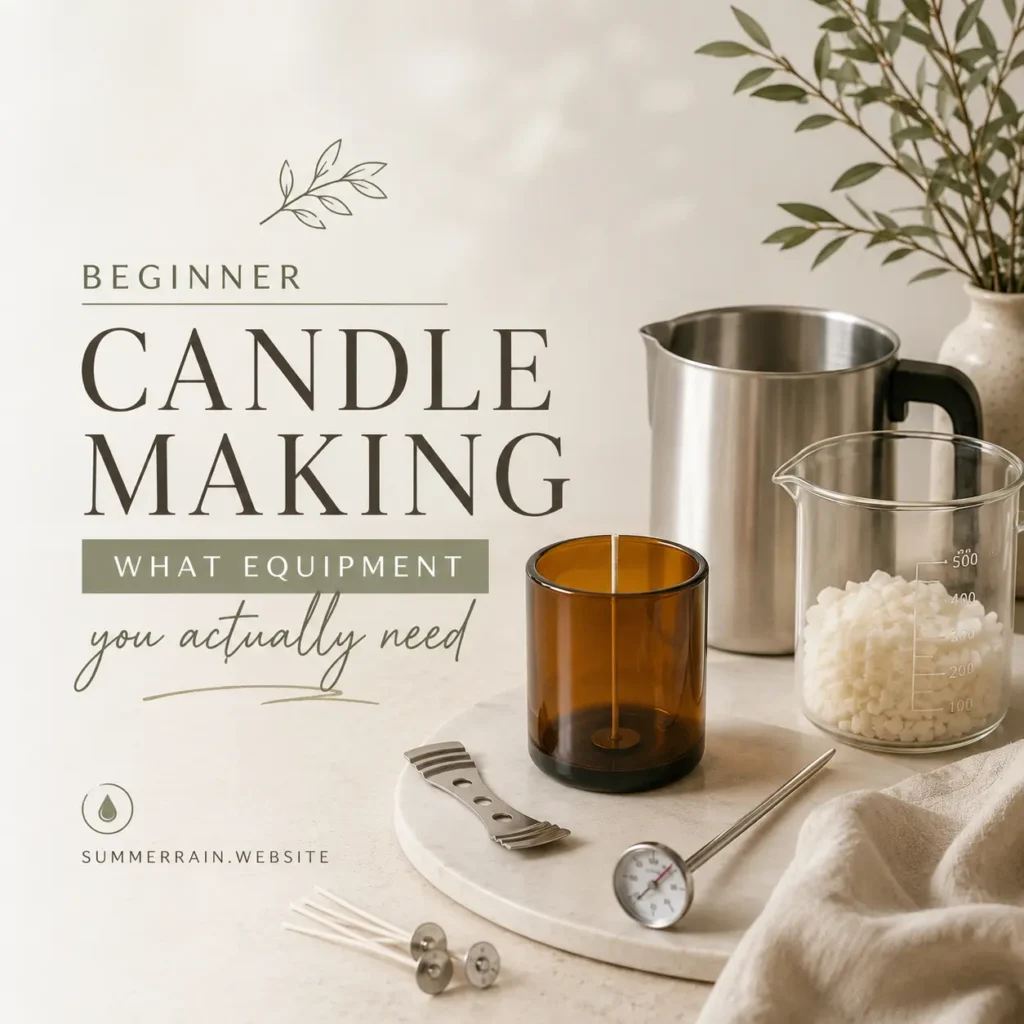
Starting candle making can feel overwhelming.
There are so many supplies, wax types, and tools—and it’s easy to think you need everything.
But you really don’t.
In fact, most beginners end up buying things they never use or tools that actually make candle making harder.
In this guide, I’ll break down:
- what actually matters
- what I personally use
- and what you can safely skip
Watch the Full Video on Beginner Candle Making Supplies Here
The Biggest Beginner Mistake
The biggest mistake I see is simple:
Buying too much too fast.
It’s tempting to try everything—different waxes, oils, tools—but that usually leads to inconsistent results and wasted money.
Instead, focus on:
- one wax
- one wick type
- a few reliable fragrance oils
Start by making one candle, then go from there. Here is a step-by-step beginner candle tutorial.
Choosing the Right Wax
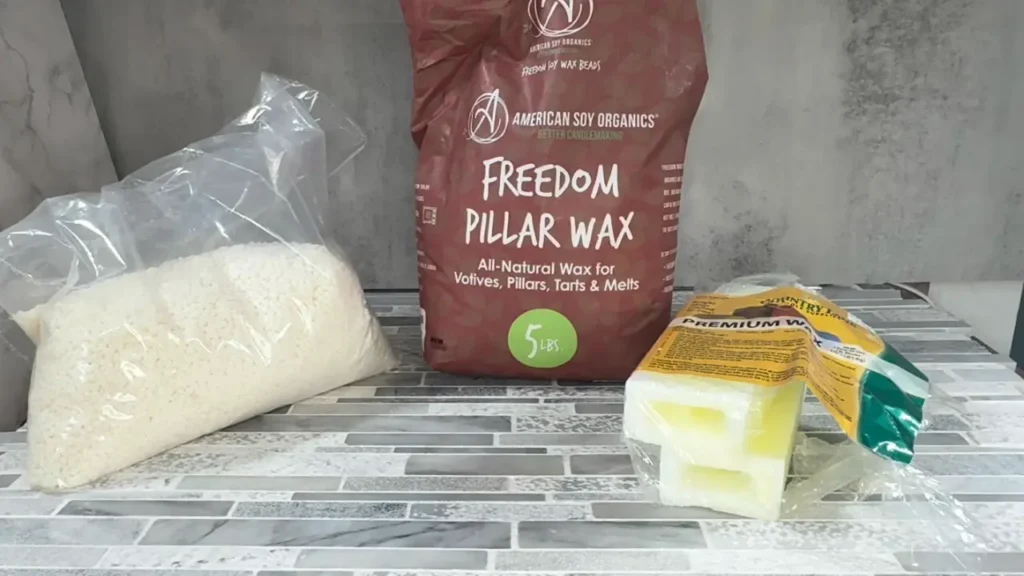
Not all wax is the same—each type behaves differently.
- Soy wax → best for container candles
- Paraffin wax → stronger scent throw
- Pillar wax → freestanding candles
- Tart wax → wax melts
If you’re starting out, stick with soy wax.
It’s:
- forgiving
- easy to work with
- great for learning consistency
Wick Size Matters More Than You Think
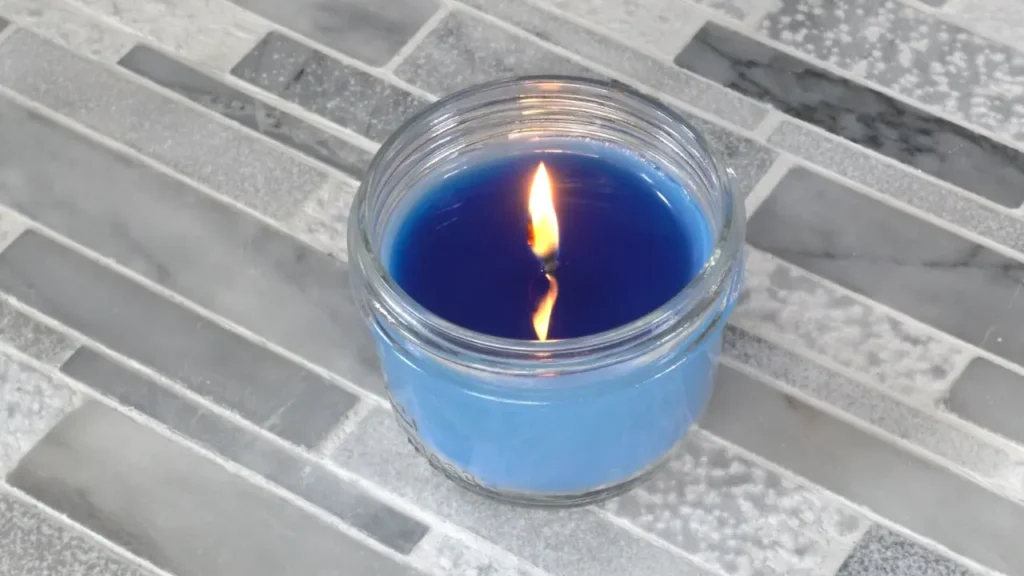
If your candle:
- tunnels
- burns unevenly
- wastes wax
…it’s usually a wick issue.
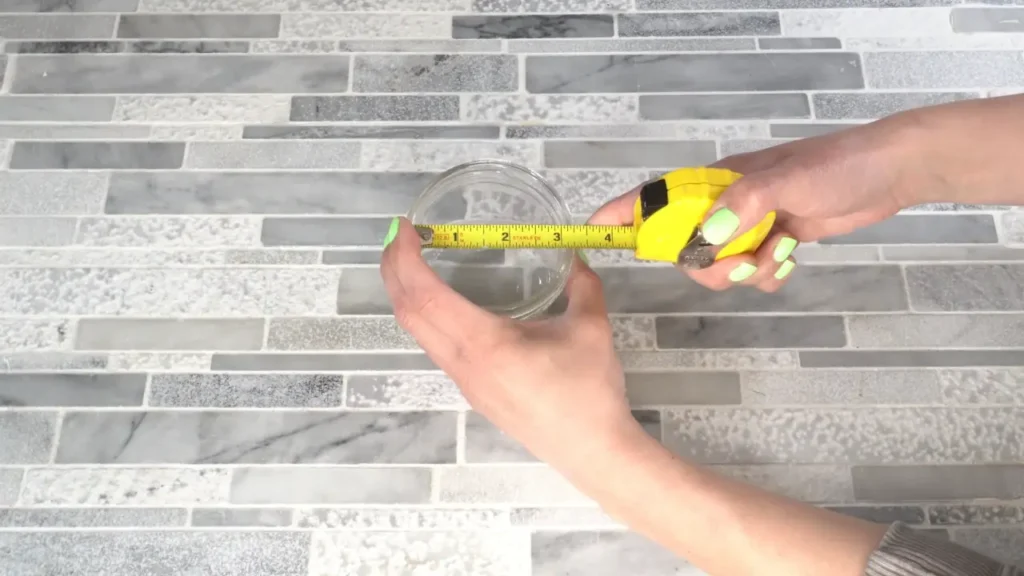
Your wick must match:
- wax type
- container size
- fragrance load
Fragrance Oils (Where Most Beginners Waste Money)
Some oils smell amazing in the bottle… but disappear when burned.
That’s normal—and not your fault.
The key is consistency, not variety.
Stick with:
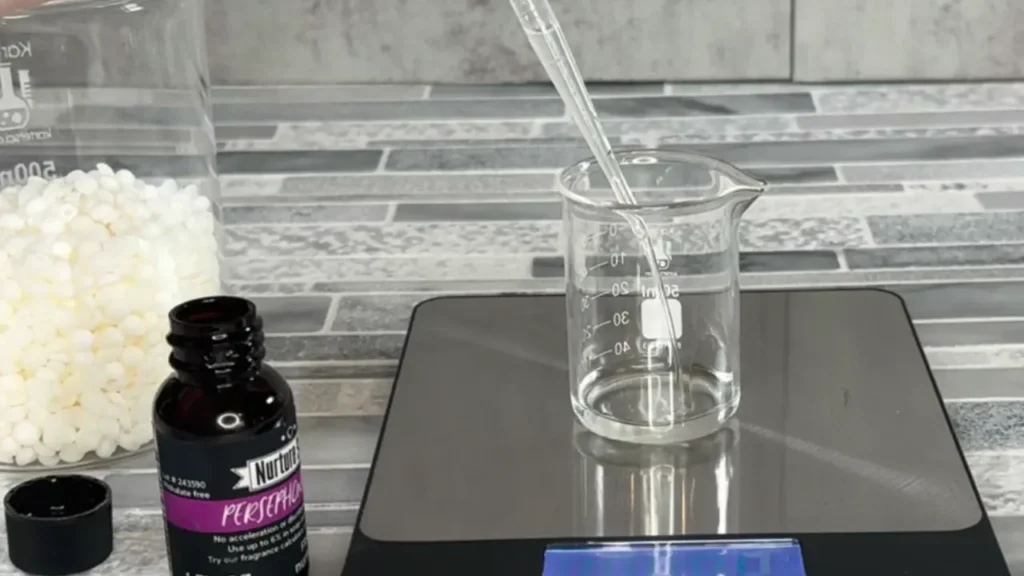
- tested candle-safe oils
- proven suppliers
- fewer scents at first
Shop my tested fragrance oils here:
You can get a 10% discount at Nurture Handmade with this link https://nurturehandmade.com/summerrain.
Pouring Pot (What I’d Do Differently)
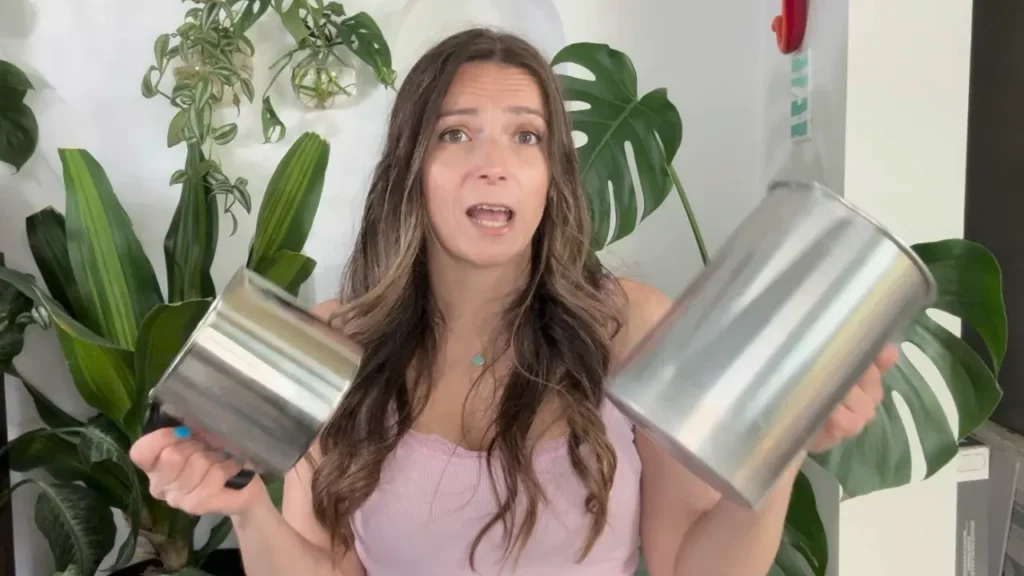
I originally used a large pouring pot—and honestly, it wasn’t beginner-friendly.
It felt:
- bulky
- harder to control
- unnecessary for small batches
A smaller pouring pot is easier and more practical when starting.
Kitchen Scale (The Most Underrated Candle Tool)
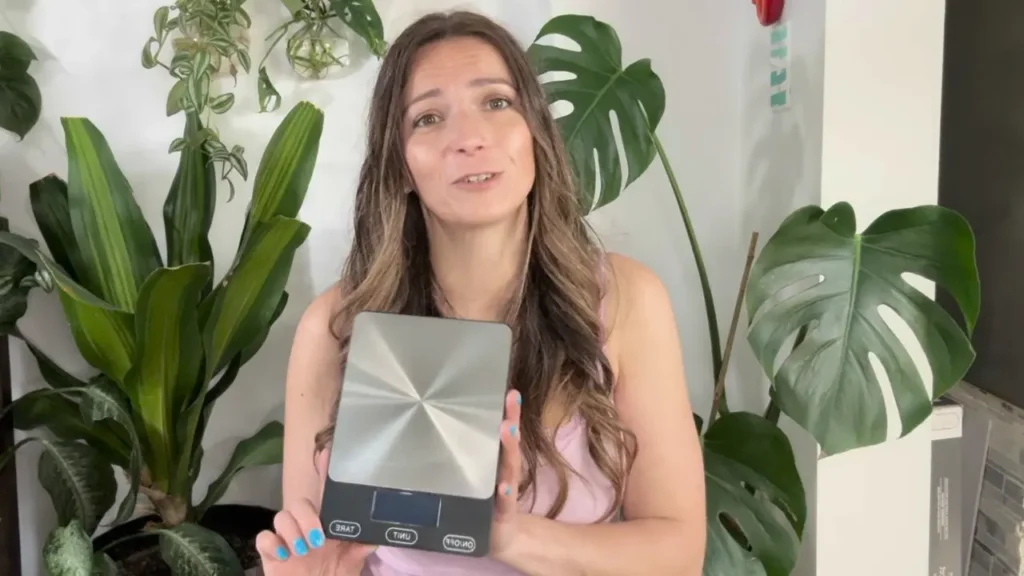
One tool I didn’t realize I needed at the beginning was a simple kitchen scale—and honestly, it makes a huge difference in consistency.
Candle making is all about ratios. If your wax or fragrance is even slightly off, it can affect:
- scent throw
- burn quality
- jar safety
- overall performance
That’s why measuring by weight (not cups or guessing) is so important.
A kitchen scale helps you accurately measure:
- wax in grams
- fragrance oil in grams
- total batch size
This is especially important for fragrance load. Even being a few grams off can make a candle too weak or too strong.
Why This Matters for Beginners
When I first started, I eyeballed a lot of my measurements—and my candles were inconsistent.
Once I switched to weighing everything, my results immediately became:
- more repeatable
- more professional
- easier to troubleshoot
What to Look For
You don’t need anything fancy. A basic digital kitchen scale works perfectly.
Look for:
- ability to measure in grams
- tare function (to reset the weight with your container on it)
- accuracy to at least 1 gram. 0.01 is better, but 1 gram will work.
Do You Need a Thermometer?
Yes—but not all thermometers are equal.
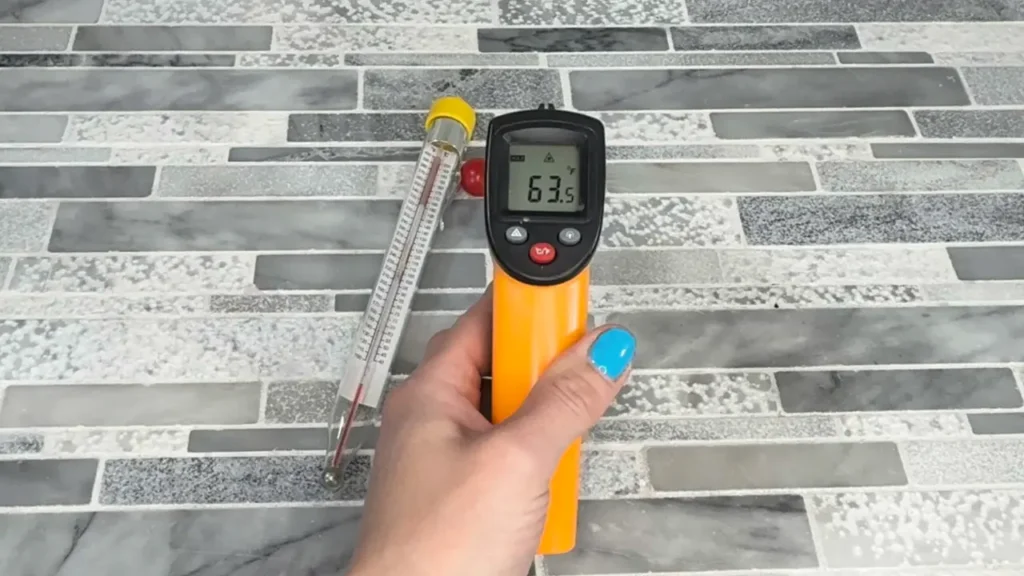
I personally use an infrared thermometer, not a manual probe.
Infrared is faster and cleaner for surface temperature checks
Probe thermometers measure internal wax temp more precisely
Best beginner setup:
- infrared thermometer (fast checks)
- optional probe thermometer (accuracy backup)
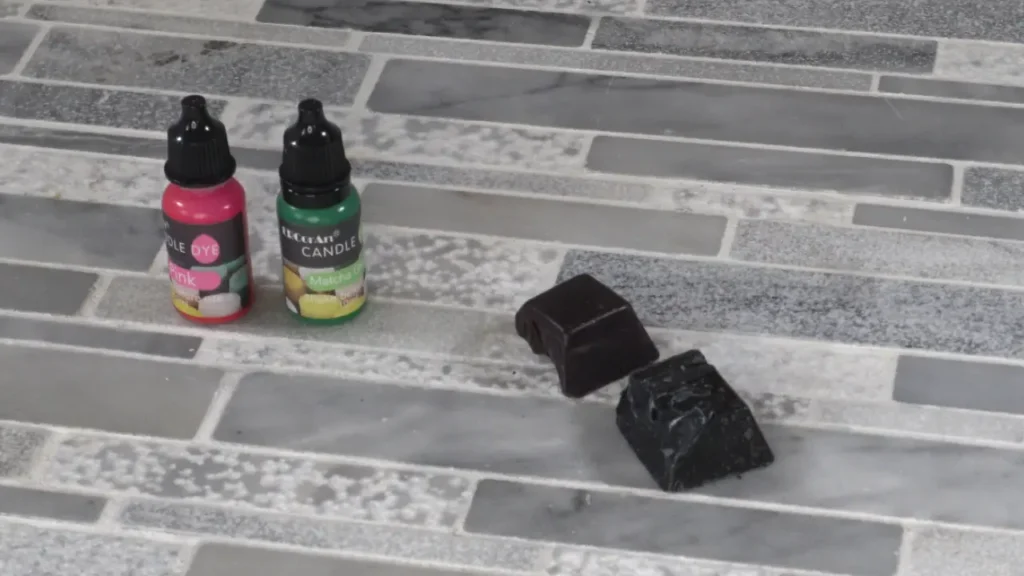
Candle Colorants (Liquid vs Solid)
- Liquid → easy, beginner-friendly
- Solid blocks → deeper, richer color
One Extra Tool That’s Actually Worth It
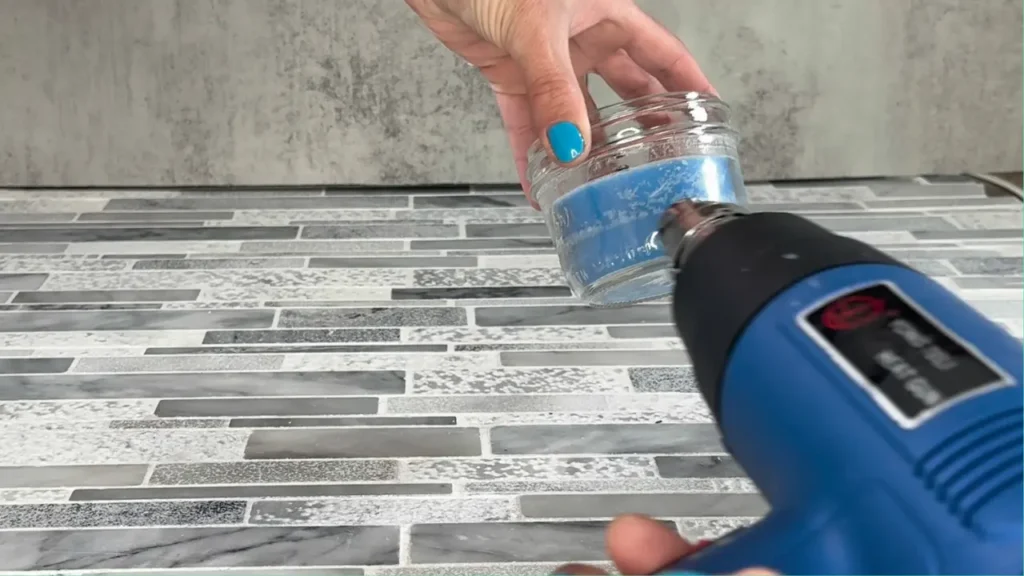
A heat gun is one of the few extras that truly improves results.
Use it for:
- smoothing tops
- fixing frosting
- correcting small surface imperfections
Labels (Simple Options)
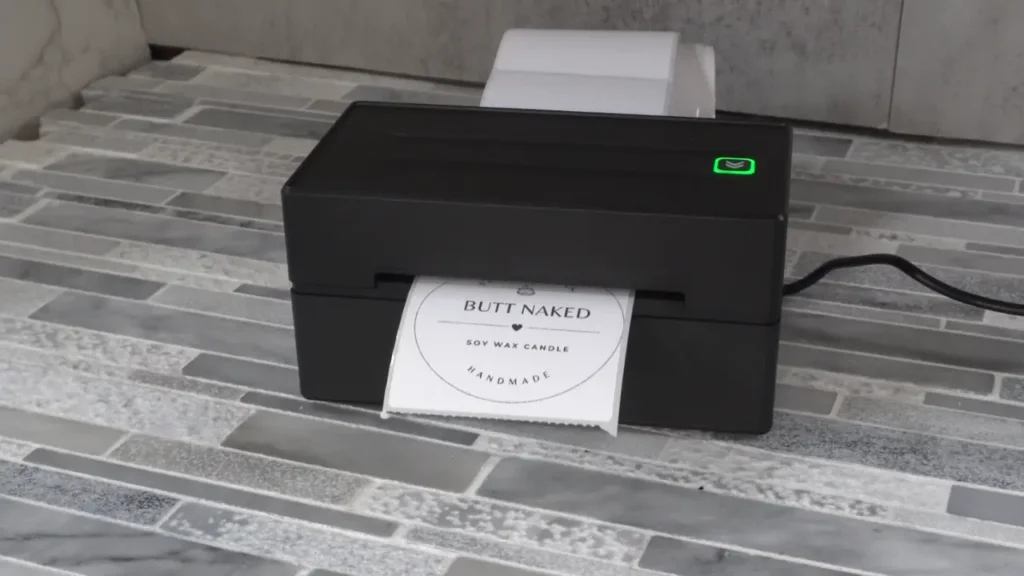
You don’t need fancy labels at the start.
Options:
- simple sticker paper – Candle Jars that come with labels
- printable labels
- thermal printer (advanced)
What You Don’t Need (Yet)
Skip these at the beginning:
- multiple wax types
- huge fragrance collections
- oversized equipment
- unnecessary specialty tools
Simple Beginner Candle Setup
If you’re just starting, this is enough:
- soy wax
- cotton wick
- one fragrance oil
- small pouring pot
- simple jar
My Recommended Supplies
Soy Wax
Wicks
Fragrance Oils (10% off) → https://nurturehandmade.com/summerrain
Pouring Pot
Thermometer
Heat Gun
Final Thoughts
Candle making isn’t complicated.
Most frustration comes from using the wrong supplies—not lack of skill.
Start simple. Build slowly. Test intentionally.
You’ll get better candles faster and enjoy the process more.
Pingback: Whipped Candle with Heart Embeds (Easy DIY Tutorial) - Summer Rain
Pingback: How to Make an Ombre Layered Candle - Summer Rain