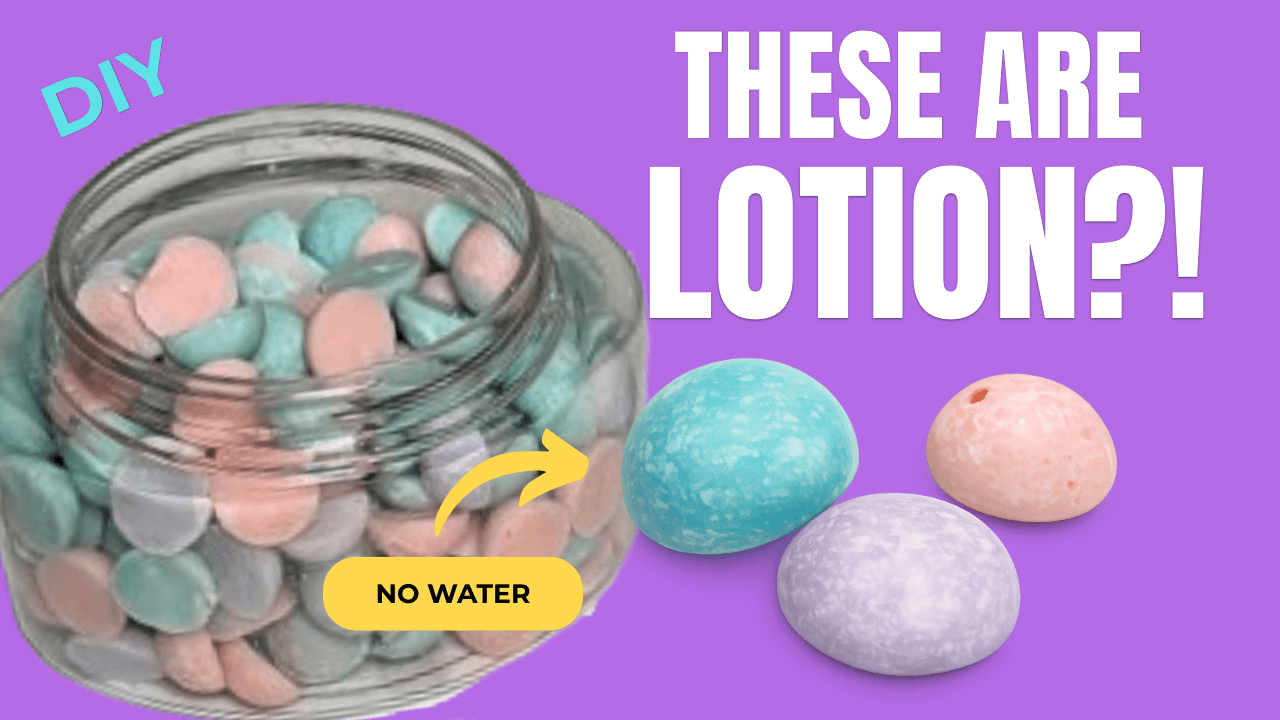
Searching for an easy homemade lotion dots recipe? These adorable mini solid lotion bars melt right into your skin for instant, non-greasy hydration—perfect for dry winter hands in cold climates. No fancy equipment needed—just butters, oils, and about 15 minutes of active time!
Whether you’re new to DIY skincare or want a zero-waste moisturizer alternative to bottled lotions, this lotion dots recipe is beginner-friendly, customizable, and deeply nourishing.
Table of Contents
Watch the Full Video Tutorial
Watch me make these adorable lotion dots step-by-step—perfect melt-in-your-hands mini lotion bars using cocoa & mango butter!
Some links on this website are affiliate links, meaning I may earn a small commission if you click and make a purchase. This comes at no additional cost to you.
What Are Lotion Dots? (And Why They’re Better Than Regular Lotions)
Lotion dots are small, portable versions of solid lotion bars—think tiny button-shaped moisturizers you rub between your fingers or directly on dry spots like elbows, hands, heels, or cuticles. Your body heat transforms them into a creamy, spreadable lotion without any water or pumps.
Key benefits compared to traditional liquid lotions:
- Ultra-portable—no spills in your purse or gym bag.
- Long shelf life (no water = low risk of bacteria/mold).
- Zero-waste and eco-friendly (minimal packaging and reusable).
- Fully customizable scents, colors, and firmness.
- Cost-effective: You can make the dots significantly cheaper than to buy them in the store.
They’re especially great for cold climates where skin gets extra dry and cracked.
Ingredients & Why They Work (200g Batch)
This recipe uses a high butter percentage for structure and meltability balanced for cooler temps. Total yield: 200 grams—enough to fill my silicone mold twice (the scraper tool makes popping them into the tiny holes so satisfying and precise!).
- Cocoa Butter (45% – 90g): Provides firm structure and deep moisture.
- Mango Butter (42% – 84g): Adds creamy glide and skin-nourishing vitamins.
- Apricot Kernel Oil (10% – 20g): Lightweight carrier for fast absorption.
- Fragrance Oil (2% – 4g): Honey Baby scent for a sweet, cozy vibe.
- Vitamin E Oil (1% – 2g): Natural preservative and antioxidant.
- Mica Powder (optional pinch): For light blue, light purple, and soft pink colors.
- Mold You can use another mold, this one is just too darn cute
- Jars Any container you have with a lid will work
Detailed Benefits and Why We Use Each Ingredient
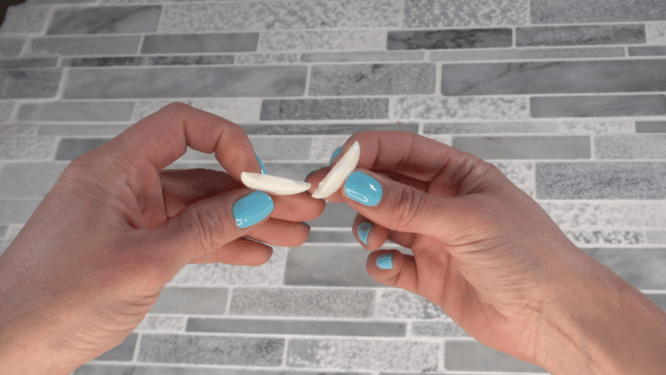
Cocoa Butter (45%) Cocoa butter is a natural fat extracted from cocoa beans, solid at room temperature with a thick texture.
Benefits: It’s deeply moisturizing and emollient, forming a protective barrier on the skin to lock in hydration and prevent dryness. High in fatty acids (like stearic, palmitic, and oleic), it nourishes and improves skin elasticity. Rich in antioxidants (polyphenols and phytochemicals), it combats free radicals, potentially reducing signs of aging, smoothing scars/wrinkles/stretch marks, and soothing irritated or dry skin conditions like eczema or rashes.
Why we use it: In lotion dots, it provides the essential solid consistency and structure for the mini “bar” form, ensuring they hold shape while melting smoothly on warm skin. It’s stable against oxidation (extends shelf life), blends well without separating, and adds a subtle natural chocolate scent if unrefined.
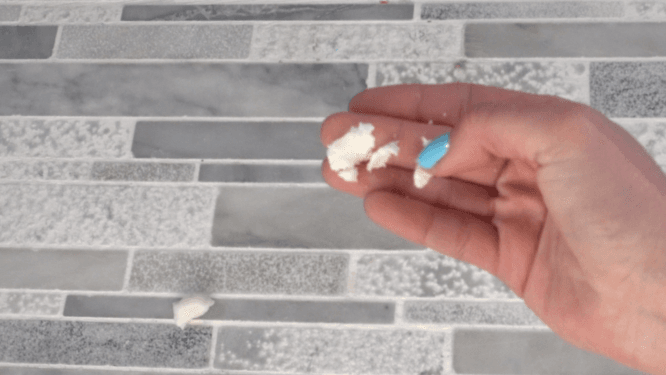
Mango Butter (42%) Mango butter comes from mango seed kernels, similar to cocoa but with a softer, creamier texture.
Benefits: Highly nourishing and packed with vitamins A, C, and E, it promotes skin repair, brightens complexion, and protects against environmental damage. As a powerful emollient, it softens and smooths dry, rough, or flaky skin without greasiness, forms a long-lasting moisture barrier, and has anti-inflammatory properties to soothe irritation, redness, or cracked heels. It offers mild UV protection from fatty acids and antioxidants, and studies show it excels at moisturizing and reducing scars/cracks better than some commercial lotions.
Why we use it: It adds luxurious creaminess, spreadability, and glide to the dots, making them easy to apply. Combined with harder cocoa butter, it balances firmness and melt point—dots hold shape in cooler temps but dissolve effortlessly on skin. Less comedogenic than some butters, it’s suitable for various skin types, including dry or mature.
Apricot Kernel Oil (10%) A lightweight oil pressed from apricot pits, known for quick absorption.
Benefits: Rich in essential fatty acids (oleic and linoleic/omega-9 and omega-6) and vitamins A and E, it deeply hydrates, improves skin tone, supports collagen production for firmer skin, and reduces fine lines/wrinkles. Anti-inflammatory effects calm sensitive, acne-prone, or irritated skin; it strengthens the skin barrier to prevent moisture loss and gives a non-greasy, soft finish—ideal for dry or dehydrated skin.
Why we use it: Acts as a carrier to dilute thicker butters, improving overall texture and preventing brittleness or heaviness. Enhances penetration so other actives absorb deeper, ensuring the dots feel silky and effective without residue.
Vitamin E Oil (1%) Typically tocopherol, a natural fat-soluble antioxidant.
Benefits: Neutralizes free radicals from UV, pollution, or oxidation to prevent premature aging and damage. Moisturizes deeply, softens dry/flaky skin, aids healing of minor wounds/scars/chapped areas, reduces inflammation, and protects the skin barrier. In anhydrous products, it enhances stability and longevity.
Why we use it: Primarily as a natural preservative to prevent rancidity and oxidation of oils/butters, extending shelf life. At 1%, it adds soothing and protective benefits without altering texture. Optional: Omit and add the amount to your carrier oil instead; jojoba oil would be a great choice!
Honey Baby Fragrance Oil (2%) (my choice for this batch) A blend of aromatic compounds (FO/EO).
Scent Description: Opens with bright citrus and fruity top notes for a cheerful start. Soft floral-sandalwood heart adds elegance and warmth. Cozy musk-amber base wraps it in a comforting golden glow.
Benefits: Enhances the sensory experience, making application enjoyable; some blends offer aromatherapy (calming or uplifting).
Why we use it: Base ingredients are mostly neutral/unscented, so it adds personalization, appeal, and consistent scent. Stable in oil-based formulas (no water means no bacterial risk); always use skin-safe, cosmetic-grade.
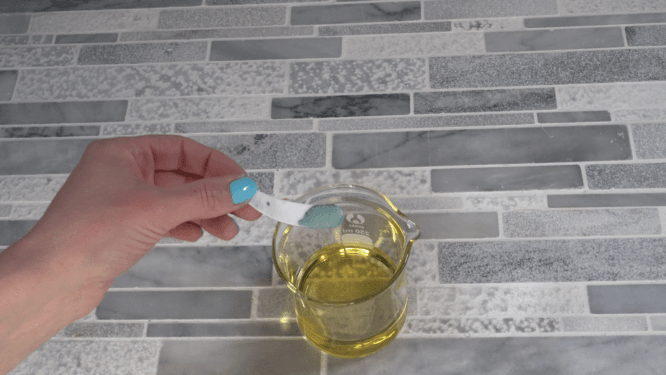
Mica Powder (Optional – pinch per color) Finely ground natural mineral (silicate-based) with pigments.
Benefits: Provides subtle color, pearlescent shimmer, and luminous glow without heavy staining. Non-toxic, hypoallergenic, and reflects light for a highlighting effect on skin.
Why we use it: Purely aesthetic—to make dots visually attractive, fun, and giftable (I used light blue, light purple, and red touch for pastels). Heat-stable during melting/mixing; doesn’t affect moisturizing properties. Use cosmetic-grade; skip for unscented/uncolored versions.
Skin-Loving Nutrients Summary
- Fatty acids restore the skin barrier and reduce water loss.
- Vitamins A, C, E promote collagen, brighten, and protect against oxidative stress.
- Natural antioxidants from cocoa and mango help fight free radicals for healthier skin over time.
Step-by-Step Instructions (Double Boiler Method)
Set up a double boiler (bowl over simmering water) and gently melt the cocoa butter (90g) and mango butter (84g) until fully liquid—keep heat low to preserve nutrients.
Remove from heat, be sure to wipe the water off the bottom of your container. Then stir in apricot kernel oil (20g), vitamin E oil (2g), fragrance oil (4g), and mica powder until evenly mixed and colors are vibrant.
Use the scraper to fill your silicone mold holes—it’s quick and gives perfect results!
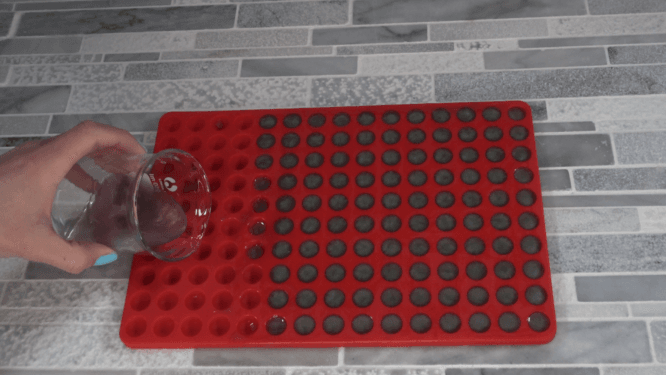
Cool at room temperature or refrigerate to set faster (I found that this took a while to cool, so I placed my second bath on the porch to solidify more quickly).
Pop out the dots and store in an airtight tin or jar.
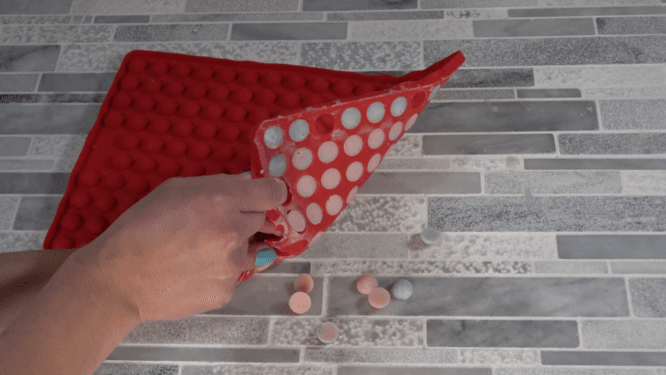
Watch the video for visuals, troubleshooting (like avoiding graininess), and my exact color mixing!
Climate Tips: Adjusting for Meltability
In cold climates (especially during winter!), this butter-heavy recipe melts beautifully on skin without being too soft at room temp. In warmer areas or summer, the dots may soften—substitute 5–20% of the cocoa butter with beeswax to raise the melt point and make them firmer. I skipped beeswax here since it would make them too hard for my current temps.
Customization Ideas
- Scents: Vanilla, lavender, peppermint, or citrus essential oils (dilute properly, 1–2% max).
- Colors: Match seasons—pastels for spring, deep jewel tones for fall.
- Firmness: Add beeswax for hot weather; more oil for softer dots.
- Vegan note: Recipe is already vegan; beeswax sub makes it non-vegan.
Tips for Best Results
- Patch test on inner arm for 24 hours (especially with fragrance or if nut-allergic).
- Makes 148 dots depending on mold size—mine yielded about 248 total dots
FAQ: Lotion Dots Recipe Questions Answered
Q: How long do lotion dots last? A: 9–12+ months in a cool, dark place (below 75°F/24°C). With vitamin E, they resist rancidity; without, aim for 6–9 months. Refrigerate in hot summers to prevent melting or add some beeswax.
Q: Are lotion dots the same as lotion bars? A: Yes—lotion dots are just smaller, more portable mini versions, often molded into cute shapes for easy use. Here is a recipe on How to Make Lotion Bars.
Q: Can I make them firmer for hot weather? A: Absolutely—replace 10–20% cocoa butter with beeswax. Test small batches first.
Q: What if I don’t have apricot kernel oil? A: Use jojoba (top choice for mimicking skin oils), sweet almond, grapeseed, or fractionated coconut oil. Really, you can use any carrier oil that you have on hand.
Q: Is vitamin E necessary? A: It helps preserve and soothe skin, but omit and add to carrier oil if preferred.
Q: Can kids use these? A: Yes with skin-safe fragrance; use mild scents or none for babies/young kids. Always patch test.
Q: Why no water or preservatives? A: Anhydrous (water-free) formulas naturally resist bacteria—vitamin E adds extra protection.
Q: How many lotion dots from 200g? A: Typically 248 small dots. My mold filled twice and it makes 148 dots each time. If you do not need that many, half the recipe.
Q: Can I sell homemade lotion dots? A: For personal use only in most cases. Selling requires FDA-compliant labeling, safety testing, and local regulations—consult guidelines if considering.
These DIY lotion dots have been a game-changer for my dry skin routine—especially with that warm Honey Baby scent! Watch the full YouTube video for the process, color demos, and tips. Try your own variations and share in the comments—what colors or scents will you use?
Pin this lotion dots recipe for later, subscribe to summerrain.website for more natural skincare DIYs, and let’s keep crafting! 🌧️
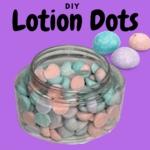
DIY Lotion Dots (Mini Lotion Bars) Recipe
Equipment
- Silicone mold
- Storage Jars
Ingredients
- 90 grams | 45% Cocoa Butter
- 84 grams | 42% Mango Butter
- 20 grams | 10% Apricot Kernel Oil
- 4 grams | 2% Fragrance Oil
- 2 grams | 1% Vitamin E Oil
- Mica Powder optional
Instructions
- Set up a double boiler (bowl over simmering water) and gently melt the cocoa butter (90g) and mango butter (84g) until fully liquid—keep heat low to preserve nutrients.
- Remove from heat, be sure to wipe the water off the bottom of your container. Then stir in apricot kernel oil (20g), vitamin E oil (2g), fragrance oil (4g), and mica powder until evenly mixed and colors are vibrant.
- Use the scraper to fill your silicone mold holes—it's quick and gives perfect
- Cool at room temperature or refrigerate to set faster (I found that this took a while to cool, so I placed my second bath on the porch to solidify more quickly).
- Pop out the dots and store in an airtight tin or jar.