
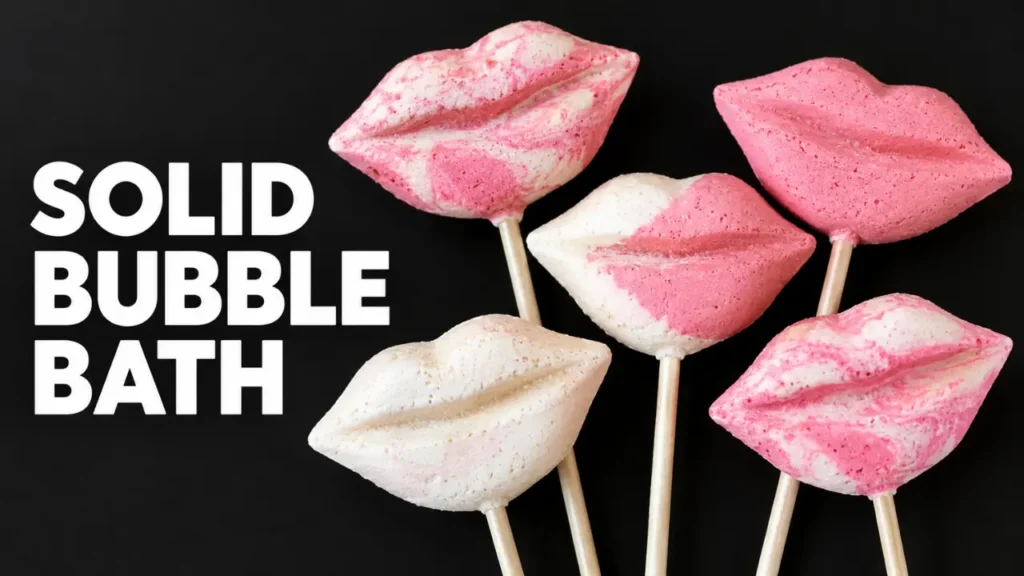
If you love a bath filled with fluffy bubbles, these homemade solid bubble bath bars are a fun project to try. They look like little bars of dough before they dry, but once they’re ready to use, you can crumble a piece under running bath water and watch the bubbles build.
Unlike a bath bomb, which is designed primarily to fizz, a solid bubble bar is made to create foam. Just like a bubble bath. You can customize the shape, choose your favorite fragrance, and experiment with colors to make each batch your own.
In this tutorial, I’ll walk you through how to make solid bubble bath bars from scratch, explain what each ingredient does, and share tips to help you get the right consistency without ending up with a mixture that’s too sticky or too crumbly.
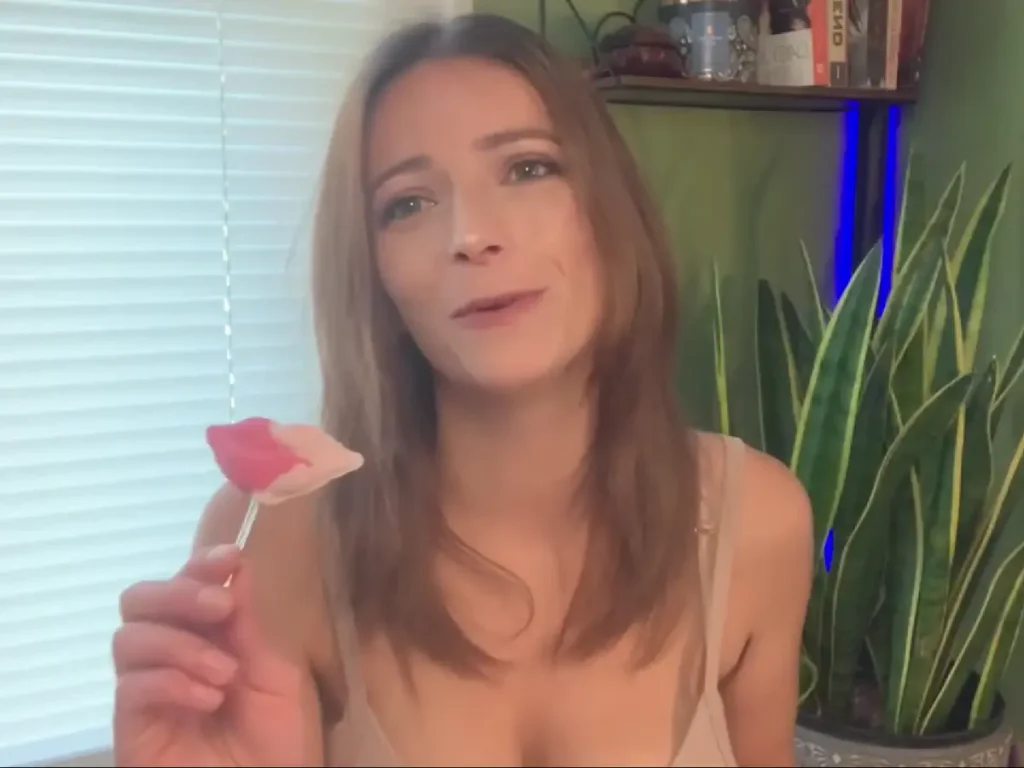
The recipe makes approximately 4 ounces of bubble bar mixture, so it’s a manageable batch to try before experimenting with different shapes and colors.
What Is a Solid Bubble Bath Bar?
A solid bubble bath bar, sometimes called a bubble bar, is a concentrated bath product that you crumble into running water to create bubbles.
The bar contains powdered ingredients that give it structure and liquid surfactants that help the mixture come together and support foam formation. When you break off a piece and hold it beneath the running faucet, the water helps disperse the ingredients and generate bubbles.
Learn more about surfactants in my Surfactants Explained guide.
There are a few reasons I enjoy making solid bubble bars:
- They’re customizable. You can change the fragrance, color, and shape to suit your preferences.
- They’re easy to portion. Use a small piece for a lighter bubble bath or more for a bigger bath.
- They’re a fun handmade gift. Once completely dry, the bars can be packaged individually.
- They don’t need to be poured into a bottle. The finished bars are solid and easy to store when kept dry.
If you’d like to try another version of this project, you can also check out my DIY Solid Bubble Bar With Recipe. That tutorial uses a different formula and shows another way to shape your bubble bars.
Prefer to watch How to Make A Solid Bubble Bar?
Some of the links are affiliate links, because I am an associate and I earn a small commission on them.
Ingredients for Solid Bubble Bath Bars
Before you start mixing, it helps to understand why each ingredient is in the recipe. The powders provide the structure, while the liquids help bind everything together and support the finished product’s performance.
This recipe uses a combination of baking soda, cream of tartar, arrowroot powder, kaolin clay, cocoa butter, glycerin, and surfactants.
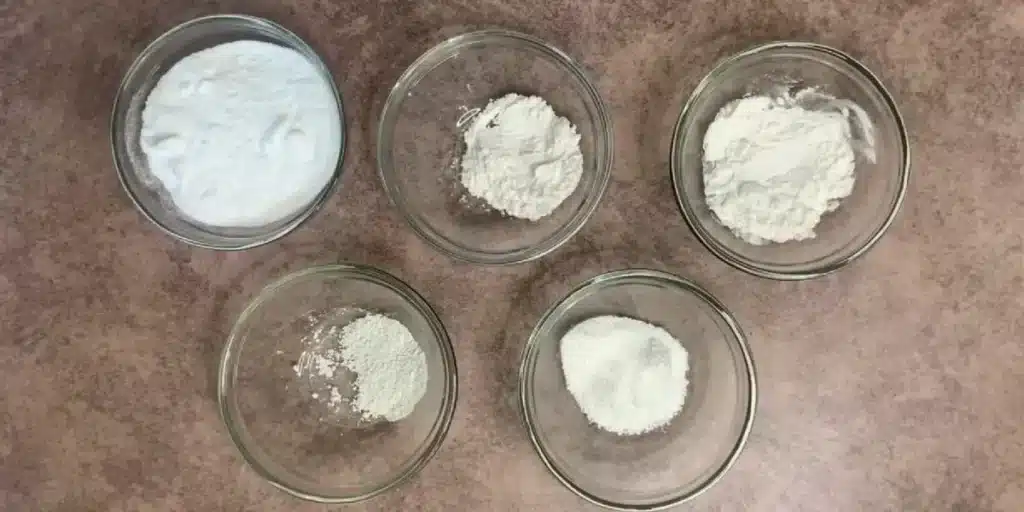
Dry Ingredients
Baking soda
Baking soda makes up the largest part of this formula. It helps give the mixture its body and contributes to the texture of the finished bar.
Sodium Lauryl Sulfoacetate (SLSa)
SLSa is the primary foaming surfactant in this recipe. It’s included to help produce the bubbles you want in a bubble bath.
SLSa is an extremely fine powder that can easily become airborne while you’re measuring or mixing it. Avoid creating dust, work in a well-ventilated area, and wear suitable respiratory protection when handling it. Add and mix the powder gently rather than pouring it from a height or whisking vigorously.
Cream of tartar
Cream of tartar helps the mixture hold together and contributes to the firmness of the finished bar. It works alongside the other powders to give the bars their structure.
Arrowroot powder
Arrowroot powder helps build the dry texture of the formula and contributes to the consistency of the mixture.
Kaolin clay
Kaolin clay is included to help give the bubble bars additional body and structure.
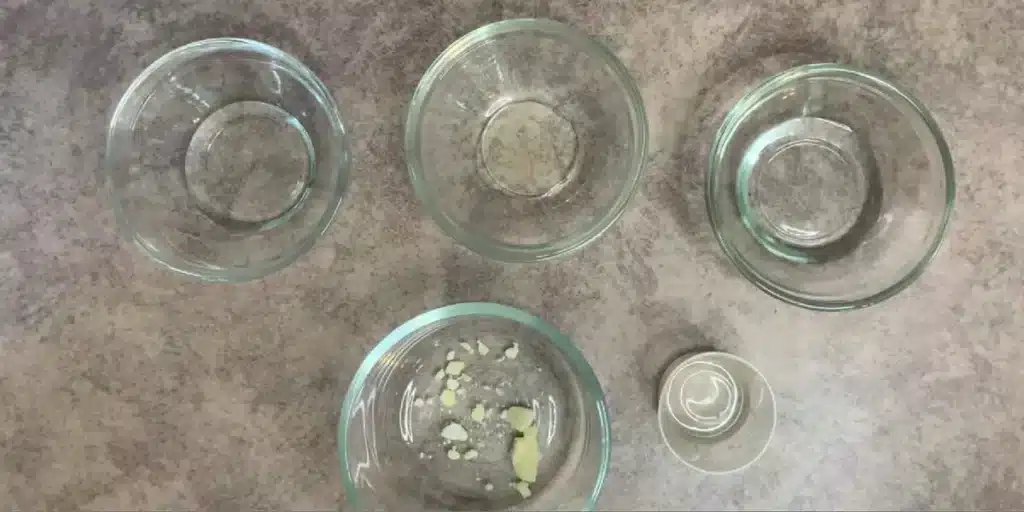
Liquid Ingredients
Cocoa butter
Cocoa butter is a firm, solid butter at room temperature, so you’ll need to melt it before using it in this recipe. It helps bind the mixture together and contributes to the hardness of the finished bubble bar.
To prepare it, weigh the cocoa butter into a small, heat-safe container and gently melt it. Allow it to cool slightly before combining it with the other liquid ingredients. It should still be melted when you add it, but it shouldn’t be excessively hot.
Vegetable glycerin
Glycerin is a humectant that attracts water. In this formula, it also helps bring the powdered ingredients together into a workable dough.
Coco glucoside
Coco glucoside is a nonionic surfactant. It helps wet the powders and contributes to the foaming system. It also makes the mixture easier to bring together.
Polysorbate 80
Polysorbate 80 is included to help disperse the fragrance and cocoa butter through the bath water. It can also help reduce the tendency for mica to cling to the sides of the tub, although the results depend on the overall formula and colorant used.
Fragrance oil
I’m using Sugared Strawberry fragrance oil for a sweet, fruity scent. You can choose a different fragrance if you prefer, but always check the supplier’s usage limits for bath products and keep the fragrance percentage within the applicable limit.
Colorants
I’m using Firecracker Mica Powder and Amaranth Pink Mica to give these bars their color.
Mica is a good option when you want a colored bar, but it generally won’t color the bath water as vividly as a suitable water-soluble dye or bath-approved lake colorant.
If you want colored bath water, choose a bath safe lake dye.
Equipment You’ll Need
You don’t need a complicated setup to make these bars. Gather everything before you begin so you can work through the recipe without stopping to find tools.
- Digital scale
- Mixing bowls or containers
- Spoon or spatula
- Small heat-safe container for melting the cocoa butter
- Gloves
- Suitable respiratory protection for handling fine SLSa powder
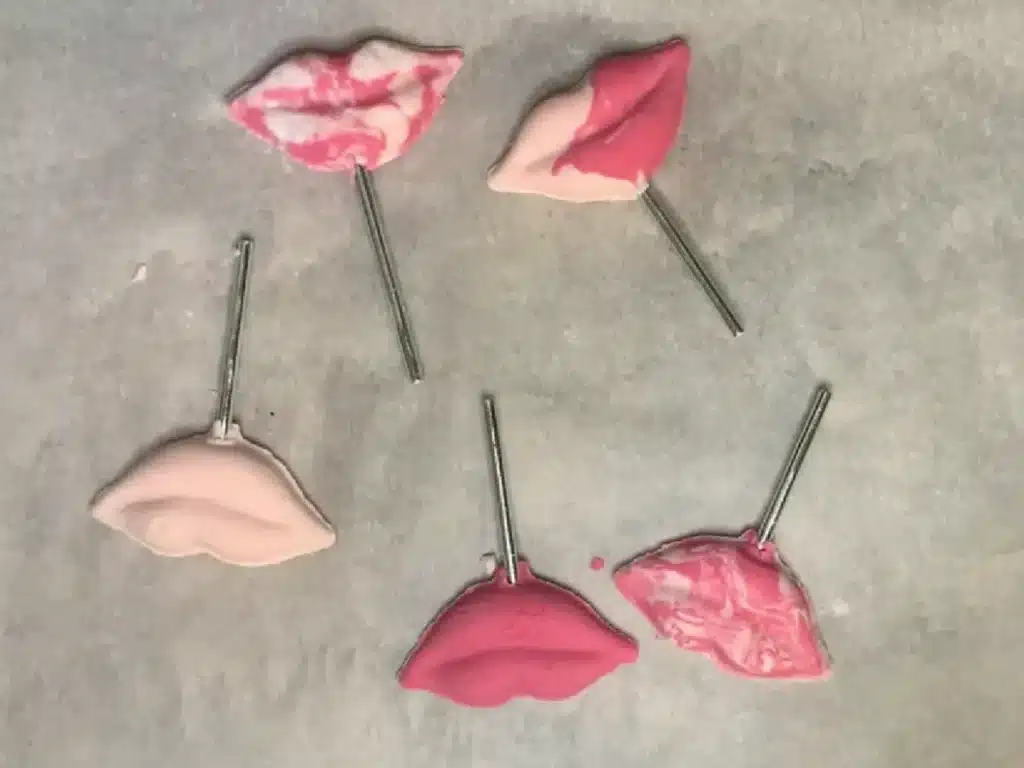
- Mold
- Silver sticks for the mold
Solid Bubble Bath Bar Recipe
| Ingredient | Percentage | Weight |
|---|---|---|
| Baking Soda | 57.6% | 2.30 oz |
| SLSa | 6.5% | 0.26 oz |
| Cream of Tartar | 13% | 0.52 oz |
| Arrowroot Powder | 4% | 0.16 oz |
| Kaolin Clay | 1% | 0.04 oz |
| Cocoa Butter | 1% | 0.04 oz |
| Vegetable Glycerin | 8% | 0.32 oz |
| Coco Glucoside | 5.4% | 0.22 oz |
| Polysorbate 80 | 1.5% | 0.06 oz |
| Sugared Strawberry Fragrance Oil | 2% | 0.08 oz |
| Mica Powder | As needed | As needed |
How to Make Solid Bubble Bath Bars
Step 1: Weigh the Ingredients
Weigh each ingredient into its own container before you begin.
Melt the cocoa butter gently and set it aside. You want it melted and easy to incorporate, not excessively hot.
Because SLSa is a fine powder, take care when measuring it. Avoid pouring it from a height, stirring too quickly, or creating clouds of powder.
Step 2: Mix the Liquid Ingredients
In a small container, combine the vegetable glycerin, coco glucoside, polysorbate 80, fragrance oil, and melted cocoa butter.
Stir until the ingredients are evenly combined.
Mixing the liquids first helps distribute the fragrance and cocoa butter before they are added to the dry ingredients. This makes it easier to work toward a consistent dough.
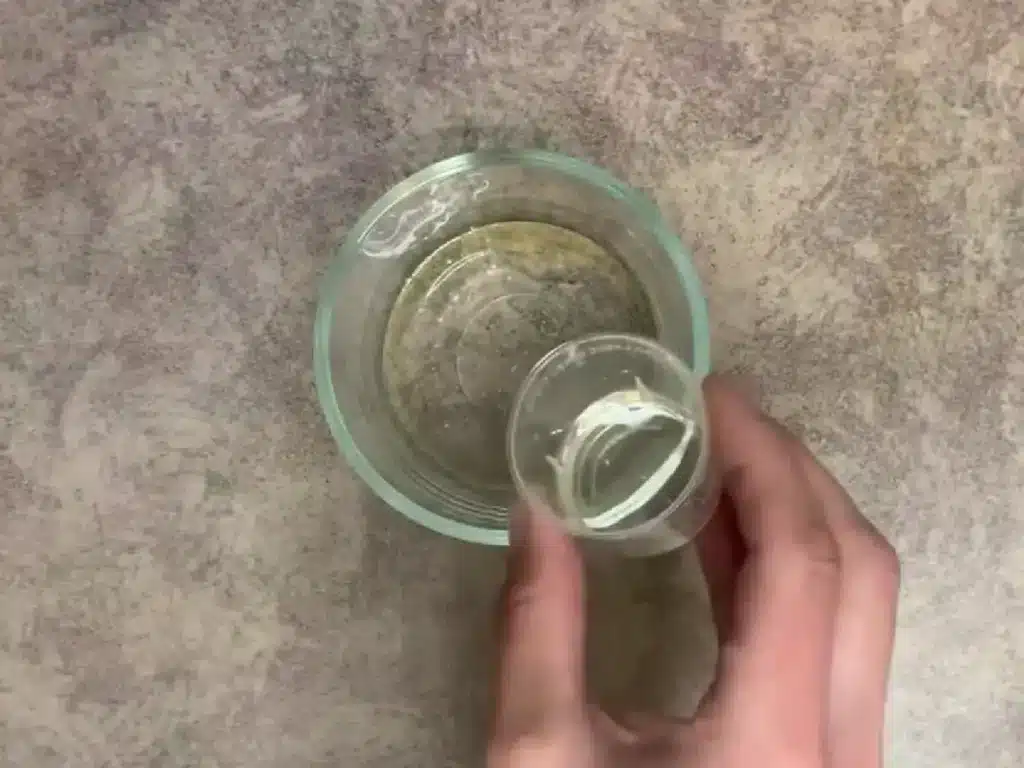
Step 3: Combine the Dry Ingredients
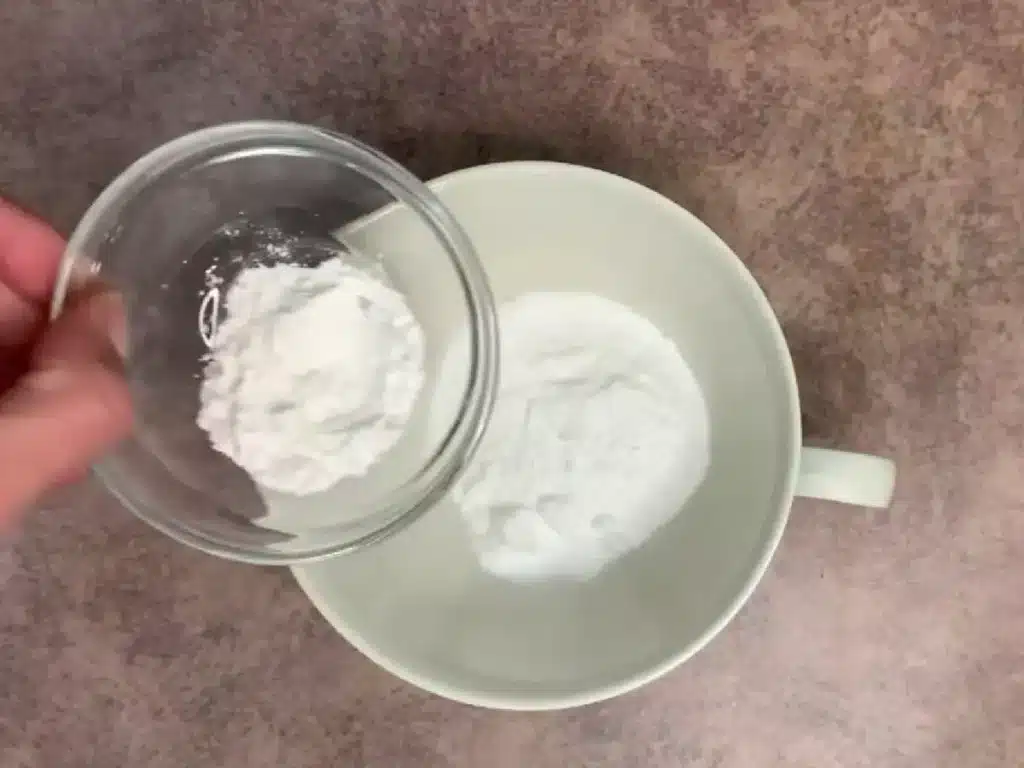
In a separate, larger bowl, combine the baking soda, SLSa, cream of tartar, arrowroot powder, and kaolin clay.
Stir slowly and carefully to distribute the ingredients evenly without sending the fine powder into the air.
Make sure there are no obvious pockets of one ingredient before moving on to the next step.
Step 4: Combine the Wet and Dry Mixtures
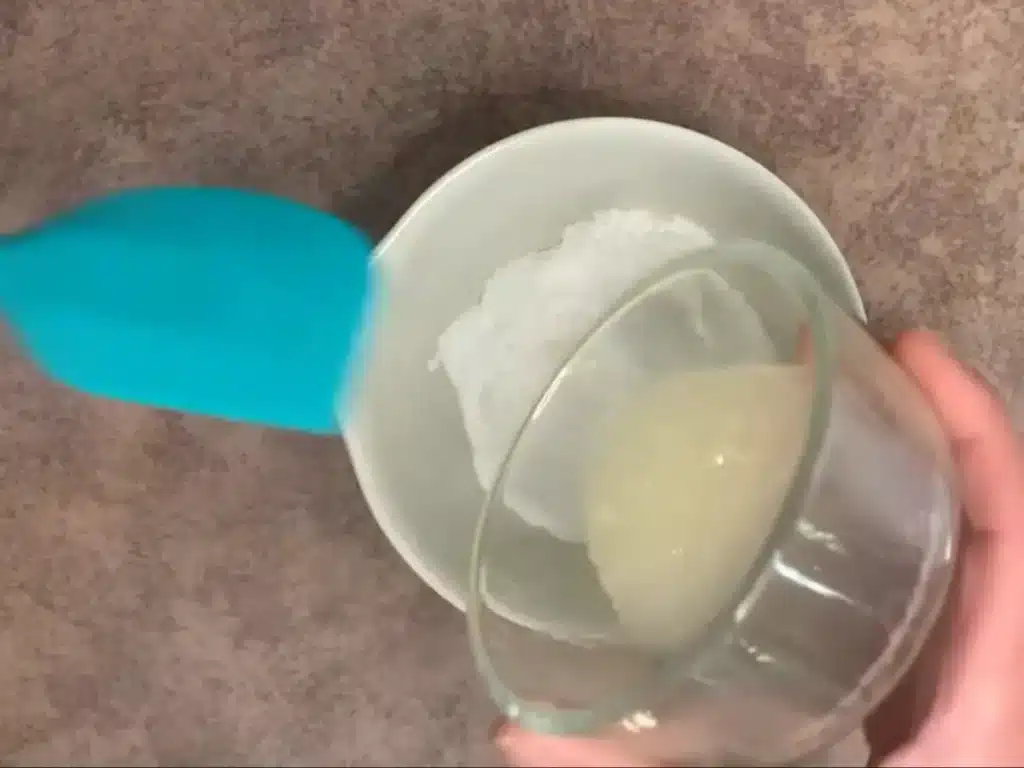
Pour the liquid mixture into the dry ingredients a little at a time, stirring as you go.
Start with a spoon or spatula. Once the ingredients begin to come together, you can finish mixing by hand while wearing gloves.
The goal is a pliable dough that holds its shape when pressed. It shouldn’t be so wet that it sticks heavily to your gloves, but it also shouldn’t be so dry that it crumbles apart as soon as you try to shape it. I noticed that over mixing can make it feel sticky.
If the mixture is too sticky: Add a small amount of baking soda and mix again. Repeat gradually rather than adding a large amount at once.
If the mixture is too crumbly: Check that the ingredients have been mixed thoroughly before making adjustments. Add any additional liquid very cautiously, because too much moisture can make the bars harder to dry.
Changing the proportions can affect the finished product, so make small adjustments and record them if you want to reproduce the batch.
Step 5: Add the Color
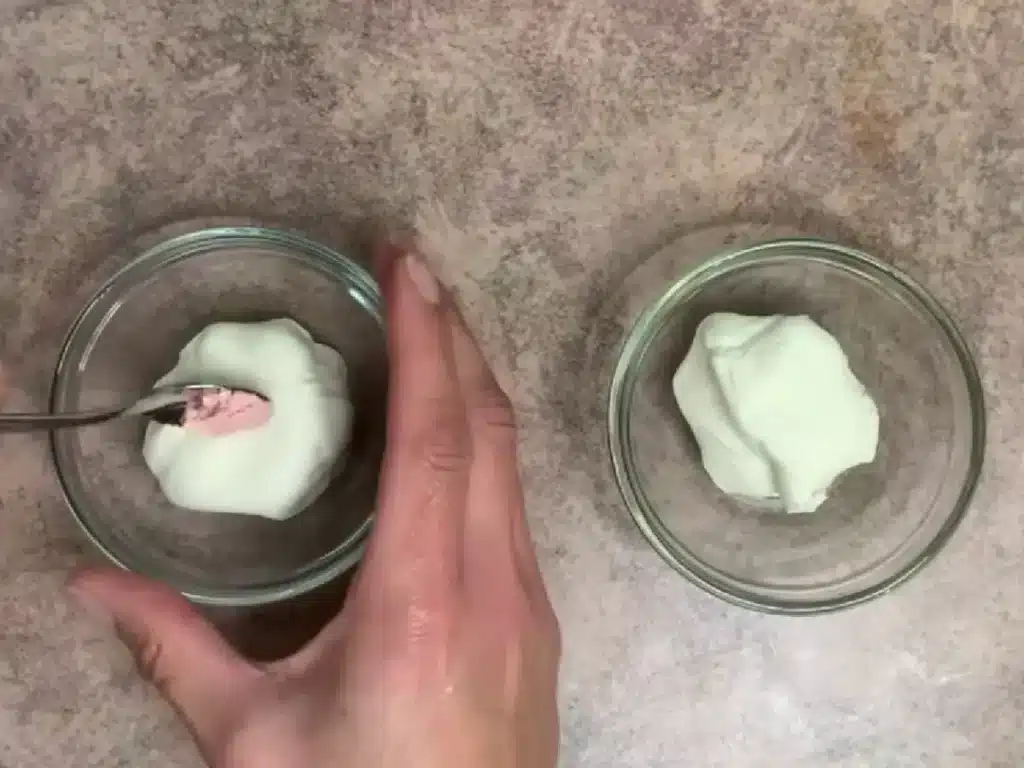
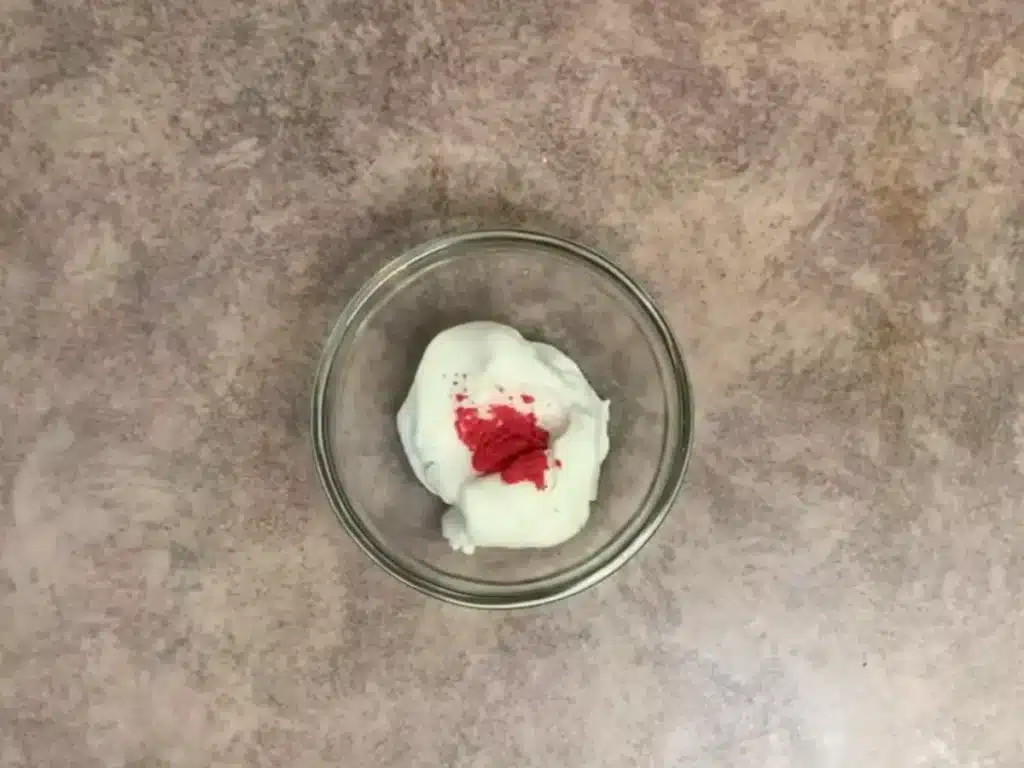
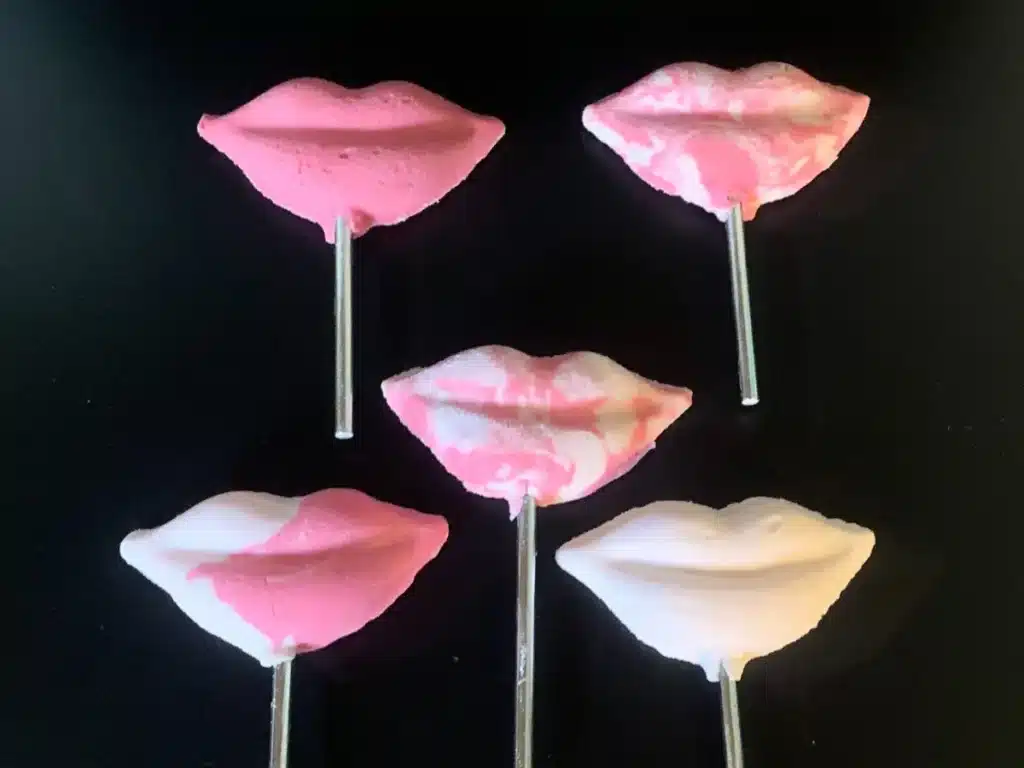
If you’re using more than one color, divide the mixture into separate portions. I made one a light pink and the other half red.
Add the mica to each portion and mix until the color is evenly distributed. You can then combine the colors for a layered appearance or keep them separate for individual bars.
I found it easiest to mix it with my hand, by squishing it.
Remember that mica primarily colors the solid product rather than producing a strong color in the bath water. For that you would want to use a lake dye.
Step 6: Shape the Bubble Bars
Now comes the fun part!
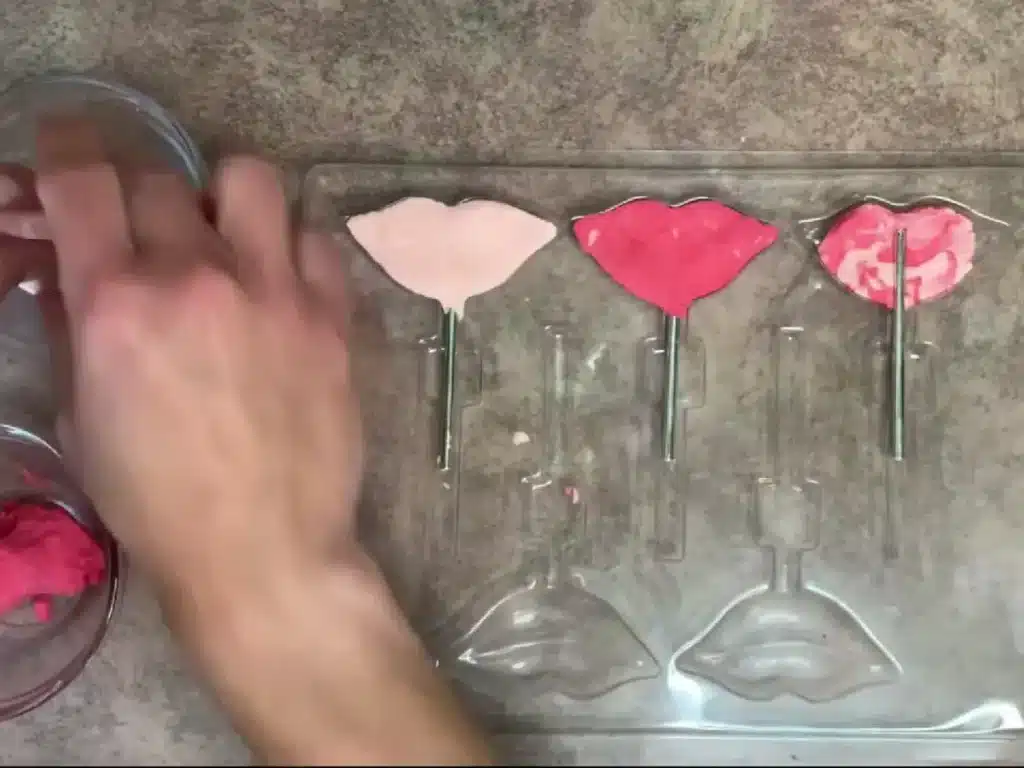
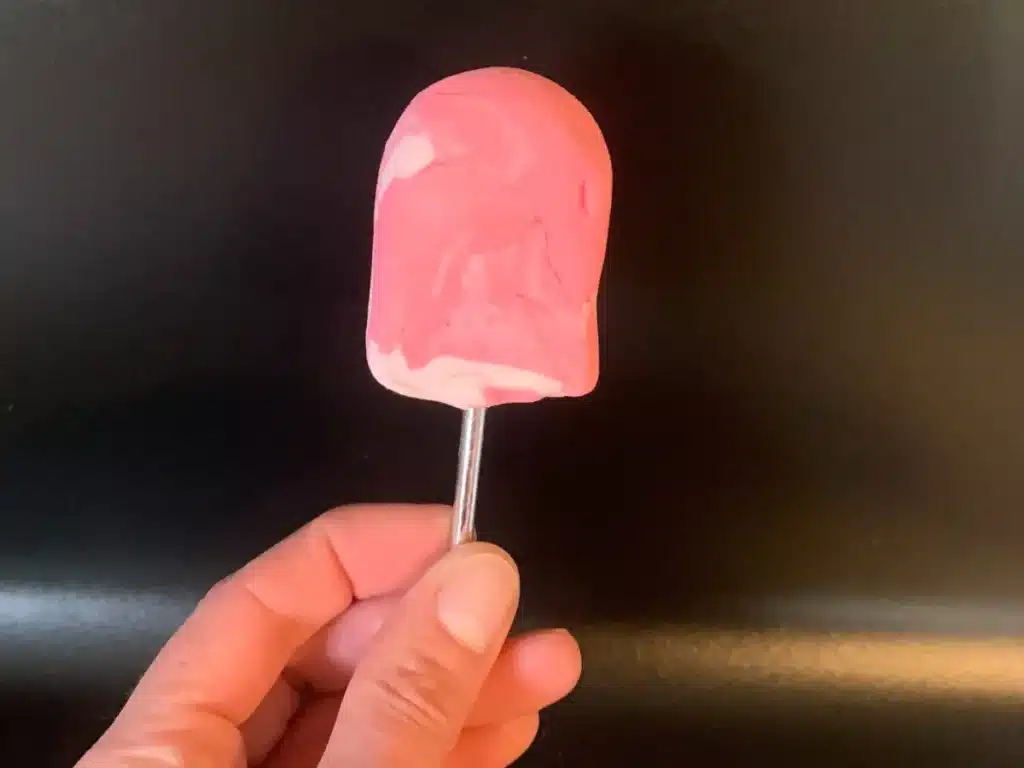
You can press the mixture into a mold, roll it into a log and cut it into portions, or shape it by hand. An ice cream scoop can also create simple rounded bars.
Press the mixture firmly into your chosen mold so it holds together as it dries. If you’re using a mold with multiple sections, make sure each section is packed evenly.
Don’t worry if your first batch isn’t perfectly shaped. The most important thing is that the bars hold together and dry thoroughly.
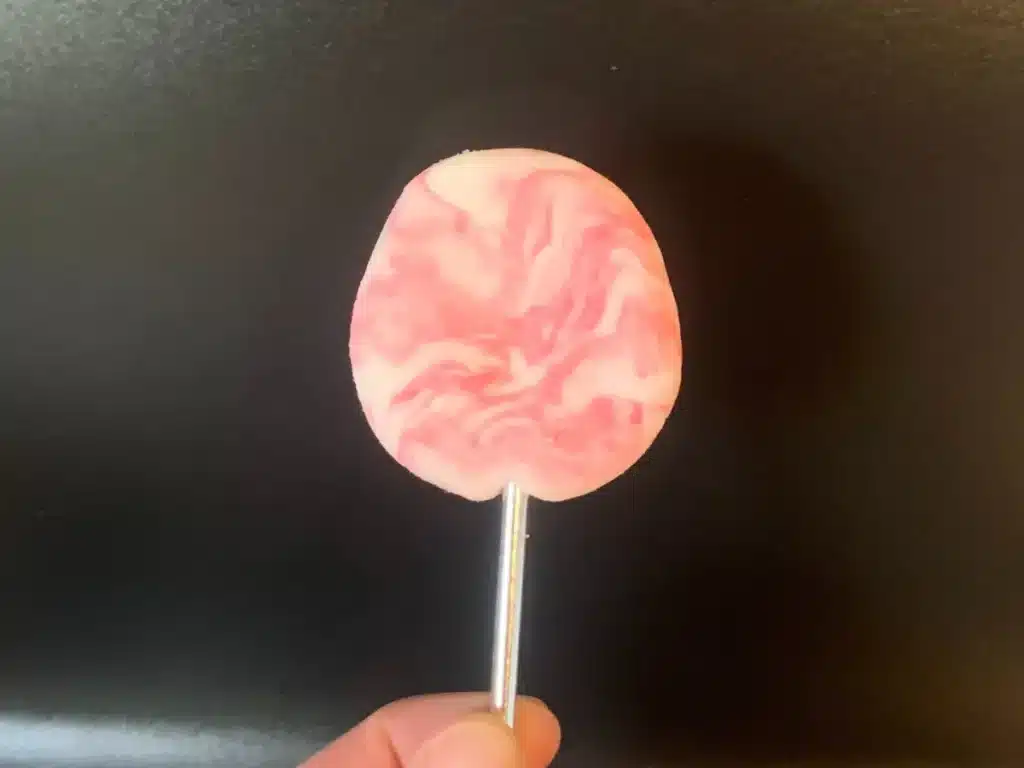
I like to swirl the colors together to create a marbled effect on the bars.
Step 7: Allow the Bars to Dry
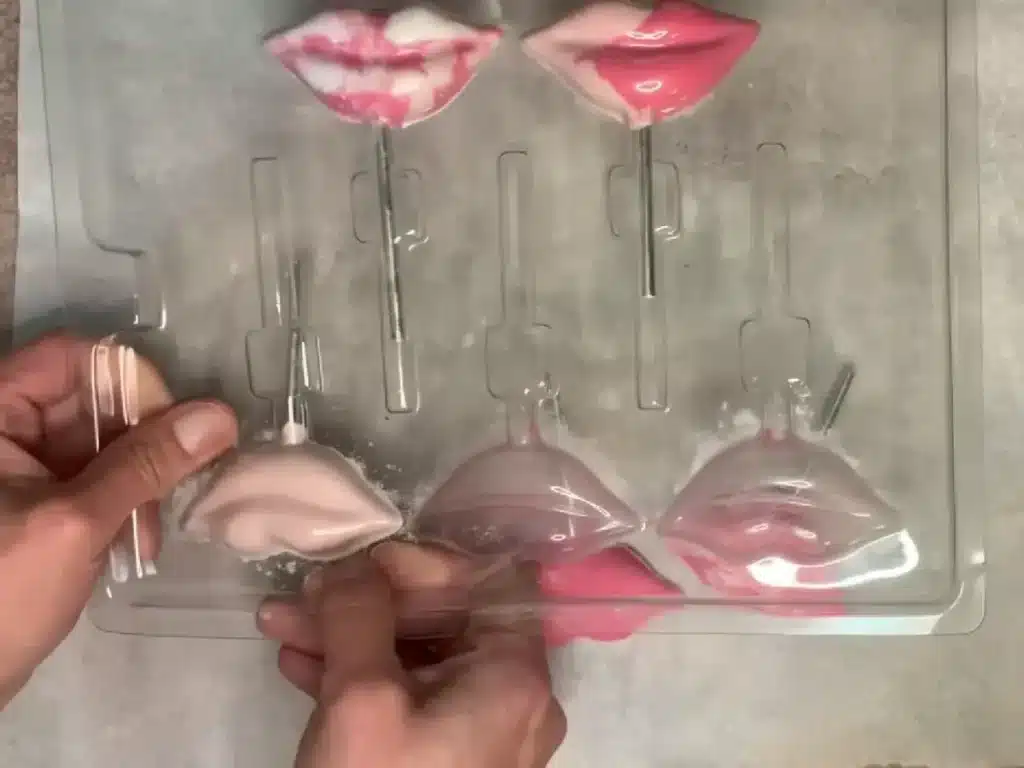
Remove the bars from the mold when they are firm enough to handle, if the mold allows, and leave them in a dry place with good airflow.
Allow several days for drying. The exact time depends on the size and thickness of your bars, the humidity in your home, and how much moisture is present in the mixture.
Don’t rush this step. Bars that feel dry on the outside may still be soft inside.
Once they are completely dry and firm, package them in airtight wrapping or a suitable airtight container to help protect them from humidity.
How to Use Solid Bubble Bath Bars
To use a bubble bar, run warm water into your bathtub and crumble a small piece of the bar directly beneath the running faucet.
The movement of the water helps disperse the ingredients and create foam. If some pieces remain, gently swirl the water with your hand to help them dissolve.
For more bubbles, try using the bar directly under the stream of water rather than dropping a whole piece into a filled tub.
Start with a small amount and add more if needed. The amount required will depend on your water pressure, the size of your tub, and your preferred amount of foam.
Important: Keep the unused bar dry. This recipe is not preserved for repeated exposure to water, so break off only the portion you intend to use. Don’t put a wet or partially used piece back into storage.
How to Store Homemade Bubble Bars
Moisture is one of the biggest things to watch out for when storing homemade solid bubble bars.
After the bars have dried completely, wrap them individually or store them in an airtight container in a cool, dry place. Avoid leaving them uncovered in a humid bathroom, where they can absorb moisture from the air and soften.
You might be interested in my Shrink Wrapping guide.
If you’re making these as gifts, let them dry fully before packaging. Wrapping them while they’re still damp can trap moisture and affect their texture.
Because this recipe is intended to remain dry until use and does not include a preservative, keep water out of the stored product and avoid reusing pieces that have been wet.
Troubleshooting Solid Bubble Bath Bars
Why is my bubble bar mixture too sticky?
The mixture may contain more liquid than it needs, or the ingredients may not yet be evenly combined. Add a little baking soda at a time until the dough is easier to handle.
I found that over mixing makes them feel a bit sticky.
Avoid adding too much powder, as that can change the balance of the formula.
Why does my bubble bar crumble?
A mixture that is too dry may not hold together properly. First, mix it thoroughly and check whether the ingredients are evenly distributed. If it still falls apart, make only a very small adjustment and record what you changed.
If you regularly have this problem, review your weighing technique and the condition of your ingredients before changing the formula.
Why are my bubble bars taking so long to dry?
Humidity, thick shapes, and excess moisture can all slow drying. Try making smaller bars and allowing more airflow around them.
Wait until the bars are firm and dry throughout before wrapping them.
Why aren’t my bubble bars making many bubbles?
The amount of foam you get can depend on the amount of product used, the water pressure, and the composition of your bath water. Hard water can affect foam performance.
Try crumbling the product directly under running water and adjusting the amount gradually. If the bars consistently produce less foam than expected, check your measurements and the condition of your ingredients.
Will mica color my bath water?
Mica is primarily used to color the bar itself. It may add some shimmer to the water, but it generally won’t give the same strong color as a suitable bath colorant.
If you want colored water, choose a colorant intended for bath products like a lake dye and follow the supplier’s instructions.
Frequently Asked Questions
Do solid bubble bath bars need a preservative?
This formula is designed as a dry product and does not include a preservative. However, that doesn’t mean it is safe to store a bar after it has become wet. Keep unused portions dry and discard any portion that has been contaminated or stored improperly.
Can I use a different fragrance oil?
Yes, provided the fragrance is suitable for bath products and is used within the supplier’s applicable usage limit. Don’t assume that a fragrance’s permitted percentage is the same for every product type.
Can I use a different mold?
Absolutely. You can use suitable molds to create different shapes, or shape the mixture by hand. Keep in mind that thicker bars may take longer to dry.
You can even make them without a mold.
Can I make these bubble bars in different colors?
Yes. Divide the mixture into portions before adding the mica, then mix each color separately. If you want the bath water itself to change color, choose a suitable bath colorant rather than relying on mica alone.
How long do homemade bubble bars last?
Storage life depends on the ingredients, how thoroughly the bars dry, and how they are packaged and stored. I would estimate 6-12 months. Keep the bars dry, protect them from humidity, and discard any that show signs of contamination or an unexpected change in appearance or smell.
Final Thoughts
Making solid bubble bath bars is a great way to experiment with fragrance, color, and shape while creating a product you can use in your own bath or give as a handmade gift.
The key is getting the consistency right, mixing carefully, and giving the bars enough time to dry. Once you understand how the ingredients work together, you can start experimenting with different designs and scents while keeping track of the changes you make.
If you enjoy making your own bath products, you can also explore my DIY Solid Bubble Bar With Recipe or my Homemade Bubble Bath tutorial for another way to enjoy a bubbly bath at home.
Solid Bubble Bath
Equipment
- Scale
Ingredients
Dry Ingredients
- 2.30 ounce | 57.6% Baking Soda
- 0.26 ounce | 6.5% SLSa
- 0.52 ounce | 13% Cream of Tartar
- 0.16 ounce | 4% Arrowroot Powder
- 0.04 ounce | 1% Kaolin Clay
Liquid Ingredients
- 0.04 ounce | 1% Cocoa Butter
- 0.32 ounce | 8% Vegetable Glycerin
- 0.22 ounce | 5.4% Coco Glucoside
- 0.06 ounce | 1.5% Polysorbate 80
- 0.08 ounce | 2% Sugared Strawberry Fragrance Oil
Mica Powders
Instructions
- In a small container mix together the wet ingredients (vegetable glycerin, coco glucoside, polysorbate 80, fragrance oil and melted cocoa butter) until they are fully combined.
- In a large container mix together the dry ingredients (SLSa, baking soda, cream of tartar, arrowroot powder, and kaolin clay). The SLSa is a very fine powder and you may want to wear a face mask when adding it.
- Pour the wet ingredients into the dry ingredients and mix well. I like to start out with a spoon or spatula and then finish mixing it with my hands.
- If you are adding more than one color, separate the dough and add the coloring to each part. Note: When choosing the color, you will need to decide if you want the bath water to be colored. Mica will color the bar but not the bath water. To get the bath water colored, you will want to use a lake dye.
- If at any point, the dough gets too sticky, just add more baking soda to it.
- Place the bubble bar dough into your Mold. Place your silver sticks into the mold and cover with the bubble bar dough. You will want to press down firmly on the dough to really pack it into the mold.
- Allow the bars to sit out for a few days to dry completely. If you live somewhere that is very humid, it may take longer for it to harden. Pull at the edges of the mold to loosen the bars. Turn the mold upside down to release.