
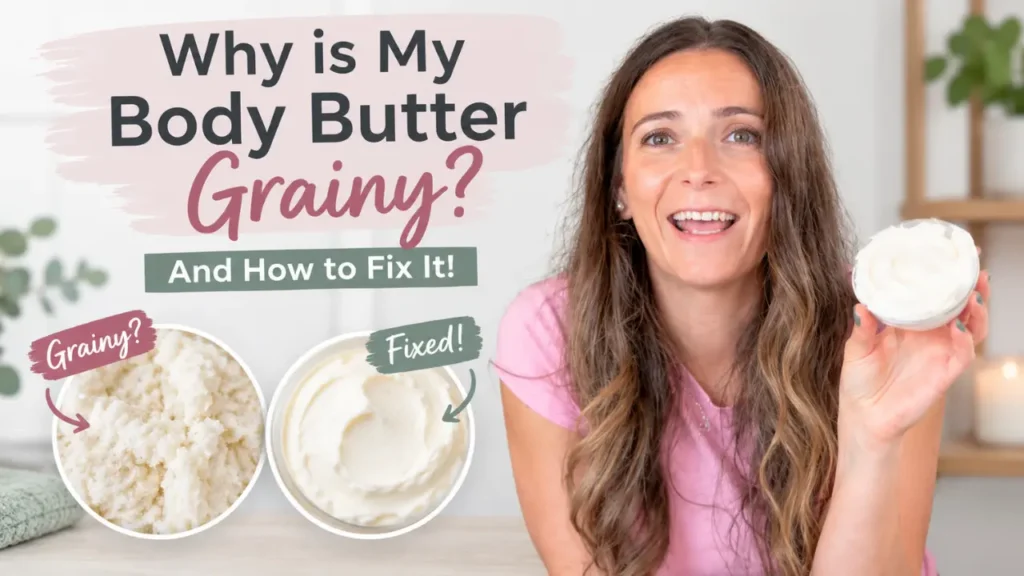
Body butter is one of my favorite DIY skincare products to make because it is rich, customizable, and relatively simple to formulate. But there is one frustrating problem that can ruin an otherwise beautiful batch: graininess.
You whip your body butter until it looks smooth and fluffy, only to open the jar a few days later and discover tiny gritty particles throughout the mixture. Sometimes the texture changes after a warm day or a temperature change during storage.
The good news is that grainy body butter is usually a crystallization problem, not a sign that you made a bad recipe. Understanding how plant butters melt and solidify makes it much easier to troubleshoot the texture and prevent it from happening again.
In this guide, I’ll explain why body butter gets grainy, how to fix an existing batch, and what you can change in your process or formula to create a smoother finished product.
What Does Grainy Body Butter Look and Feel Like?
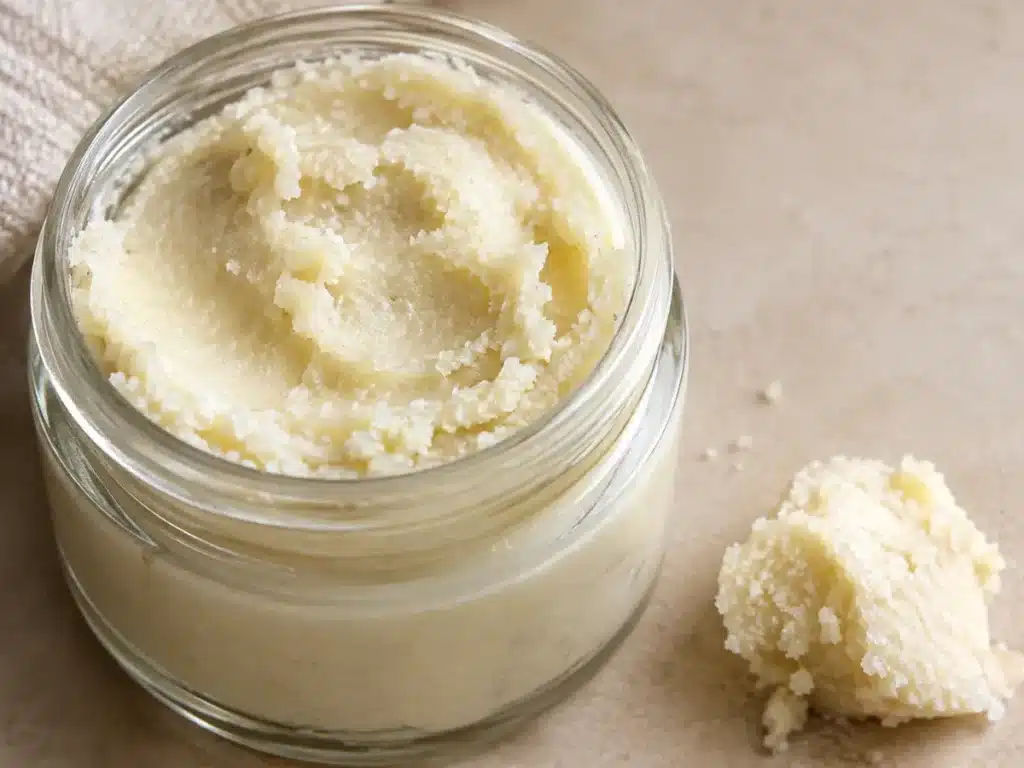
Grainy body butter often looks perfectly smooth when you first make it. The problem may not become noticeable until the butter has cooled completely or sat in its container for several days.
When you rub it between your fingers, you may notice tiny beads, hard particles, or a sandy texture. The grains can sometimes be felt more easily during application than they can be seen in the jar.
Graininess can develop:
- Shortly after the body butter cools.
- Several days after making the batch.
- After the product becomes warm and then cools again.
- Following temperature fluctuations during storage or shipping.
The texture can range from a few small particles to a product that feels noticeably gritty throughout.
Prefer to Watch the Video on Why Is My Body Butter Grainy? How to Fix It?
What Causes Grainy Body Butter?
The most common cause is the way fats in plant butters crystallize as they cool.
Ingredients such as shea butter, cocoa butter, and mango butter contain different triglycerides made from fatty acids. These fats do not all melt or solidify at exactly the same temperatures.
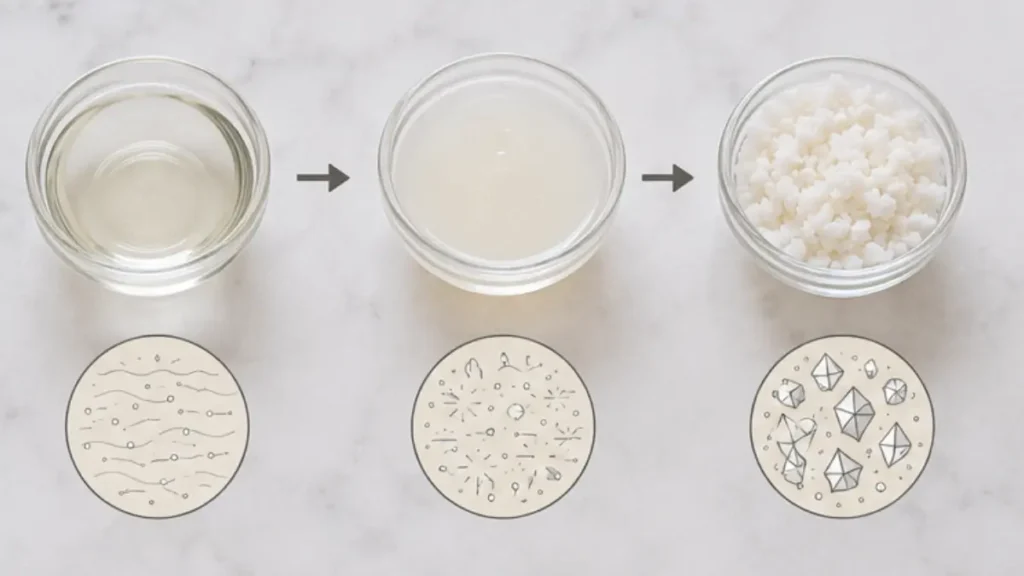
When you heat a plant butter, its solid fat crystals melt. As the mixture cools, the fats begin to crystallize again. Depending on the composition of the butter and the cooling conditions, the crystals may form in ways that create a grainy texture.
Temperature changes can also encourage existing crystals to reorganize or grow.
This explains why two batches made with the same recipe can have different textures if they are cooled or stored differently.
The Science Behind Fat Crystallization
Plant butters are complex mixtures of fats, rather than single ingredients with one melting point.
Some fats solidify at relatively warm temperatures, while others remain liquid until much cooler temperatures. The fats can also form different crystalline structures, depending on how they cool.
When cooling is slow or uneven, the fats may crystallize at different rates. Over time, certain crystals can grow large enough to become noticeable when you rub the body butter between your fingers.
Which Butters Are Most Likely to Become Grainy?
Different plant butters have different fatty acid compositions and crystallization behaviors. Your choice of butter can therefore influence the finished texture.
| Plant butter | Graininess considerations |
|---|---|
| Shea butter | Can develop noticeable grains during cooling or temperature changes. |
| Cocoa butter | Has a complex crystal structure and can develop undesirable textures when improperly melted and cooled. |
| Mango butter | Often produces a smooth texture, but graininess can still occur depending on the grade, blend, and cooling conditions. |
These are general tendencies, not guarantees. The specific raw material, processing history, and overall formula all influence the result.
Shea butter is particularly associated with grainy DIY body butter, which is why the cooling process is especially important when formulating with it.
How to Fix Grainy Body Butter
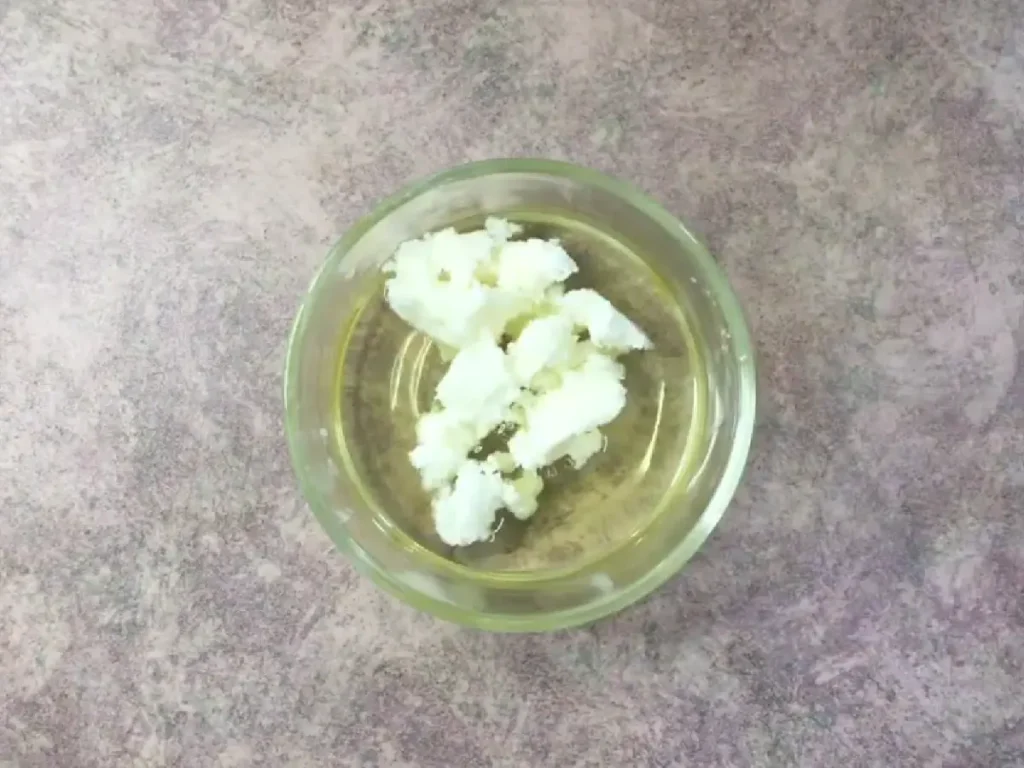
If your body butter has already developed grains, you can often improve the texture by remelting it and controlling the cooling process.
The best method depends on whether the product is a simple blend of oils and butters or a more complex formula containing additional ingredients.
Step 1: Remelt the Body Butter Completely
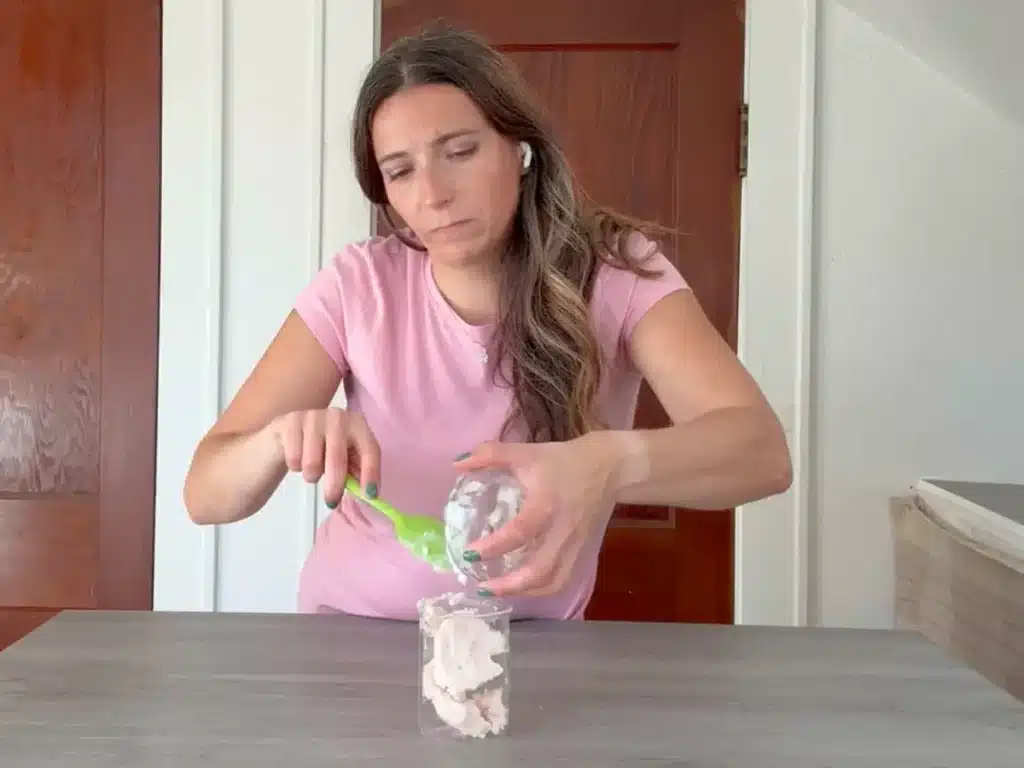
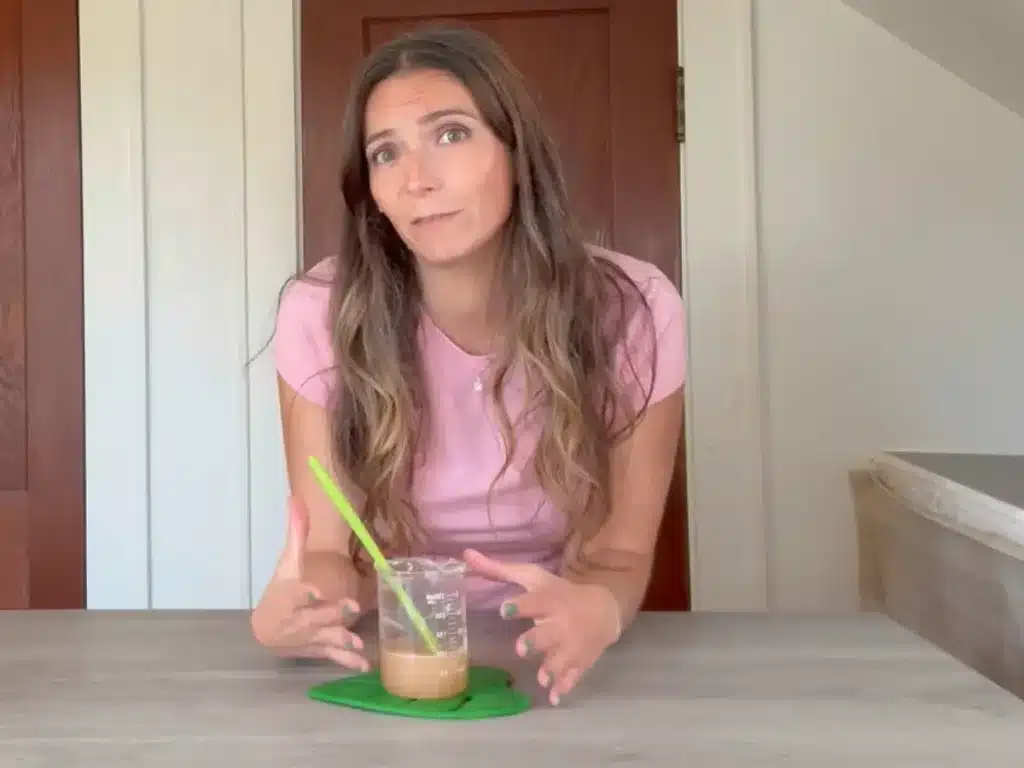
Transfer the grainy body butter to a clean, heat-safe container. Use a double boiler and heat the mixture until all the solid particles have melted and the blend is uniform. Stir gently to distribute the ingredients evenly.
For formulas made primarily from plant butters and liquid oils, a temperature around 70°C (158°F) may be sufficient to melt the fats, but the appropriate temperature depends on the ingredients. Use the lowest temperature that fully melts the mixture, and avoid unnecessary prolonged heating.
Step 2: Cool the Mixture Quickly and Evenly
Once the mixture is completely melted, begin cooling it promptly.
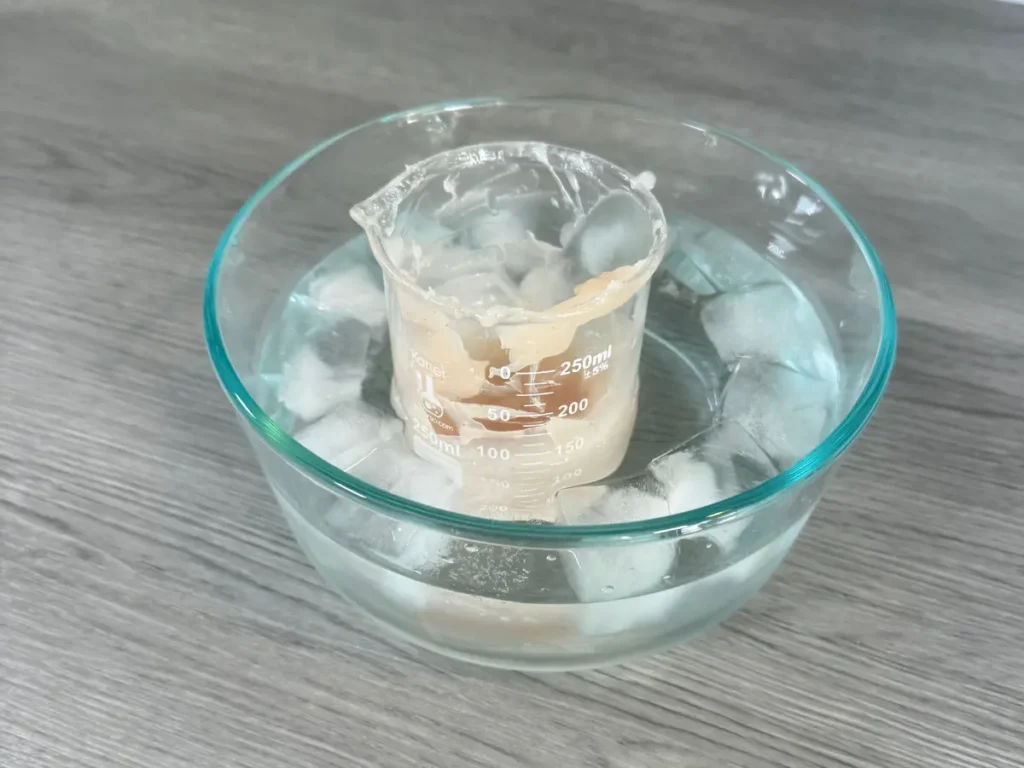
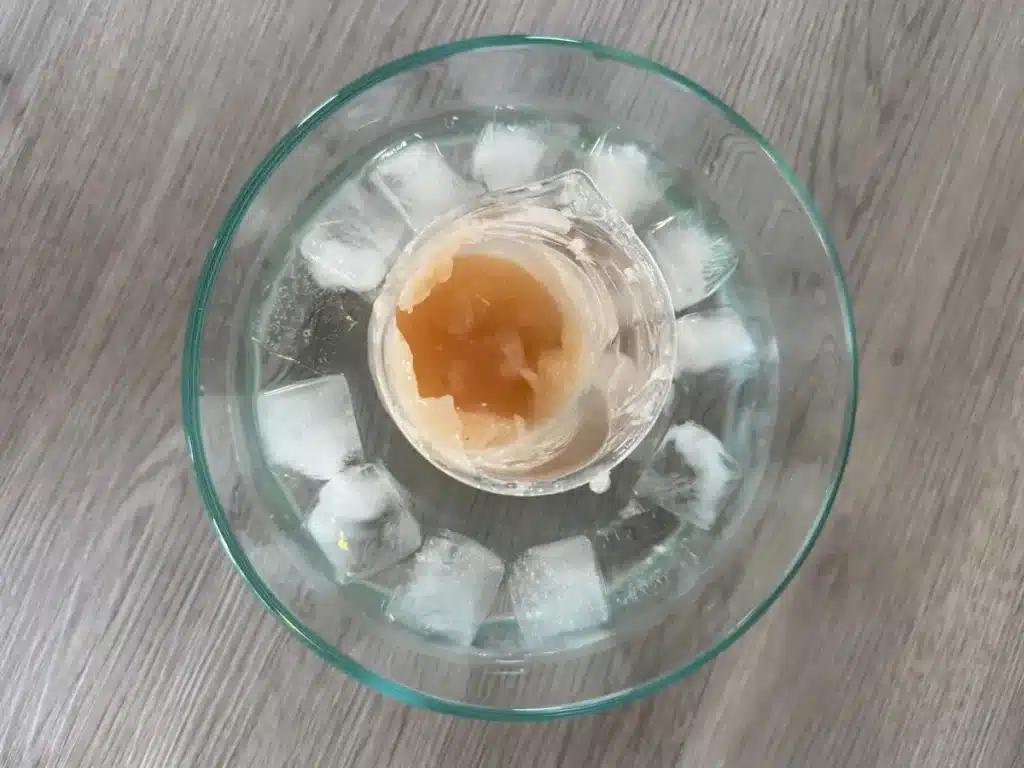
You can place the heat-safe container in an ice bath, stirring continuously and carefully so that the mixture cools evenly. Alternatively, use a refrigerator and stir periodically as the mixture thickens.
Watch the texture rather than relying only on a fixed number of minutes. You want the mixture to cool and thicken without allowing large crystals to develop.
Avoid letting the outside solidify into a thick layer while the center remains warm and liquid.
Step 3: Whip or Package the Butter
If you are making whipped body butter, allow the mixture to reach a thickened, partially solid state before whipping. It should be cool enough to hold some structure but still soft enough to whip.
Whip until the texture is consistent, then transfer the product into clean, dry containers.
For an unwhipped body butter, stir as it cools if the formula and desired texture allow it, then package it once it has reached a suitable consistency.
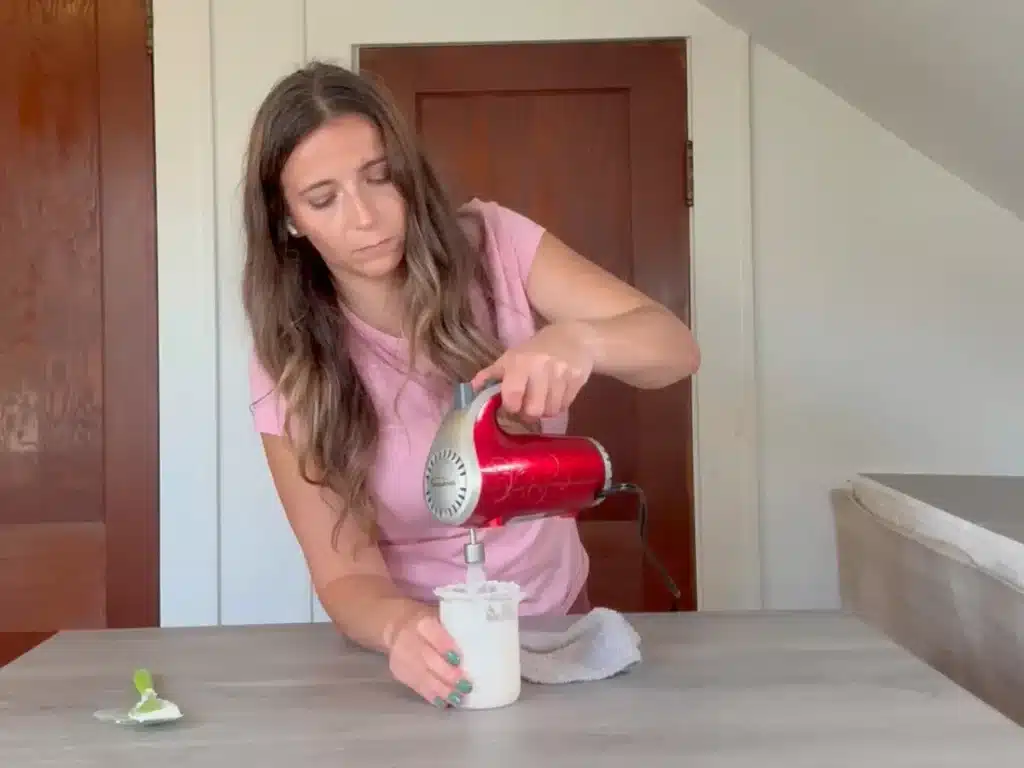
A note about freezing: Brief refrigeration or freezer cooling may help some formulas set more quickly, but it is not a universal fix. Very rapid or uneven cooling can create other texture problems, and freezing does not guarantee that the butter will remain grain-free during later temperature changes.
Let the finished product return to normal storage temperature and check its texture over the next several days.
How to Prevent Grainy Body Butter
Fixing a grainy batch is helpful, but adjusting your process before making the next batch is even better.
Fully Melt the Plant Butters
Make sure the butters are completely melted before combining them with your liquid oils.
Partially melted pieces can leave the mixture uneven and make it more difficult to achieve a consistent texture.
Stir the mixture gently to ensure the ingredients are evenly distributed before beginning the cooling process.
Control the Cooling Process
Avoid leaving melted body butter to cool slowly and undisturbed for long periods, particularly when the formula contains a large proportion of shea butter.
Controlled cooling helps produce a more consistent texture. Depending on your formula, this may involve stirring during cooling, using a refrigerator, or experimenting with a controlled cooling schedule.
If you are developing a new formula, test a small batch first and observe its texture after cooling, after several days, and after normal temperature fluctuations.
Avoid Repeated Heating and Cooling
Repeated temperature changes can encourage fats to melt, recrystallize, and reorganize.
Try to avoid repeatedly warming the same batch during preparation. If you need to rework a batch, remelt it completely and use a consistent cooling process rather than repeatedly softening and cooling it.
Store Body Butter at a Stable Temperature
Store your finished body butter away from direct sunlight, radiators, hot windowsills, and other sources of heat.
A stable, moderate room temperature is generally preferable to an environment that repeatedly becomes hot and cold.
Keep in mind that even a well-made body butter can soften or melt in hot weather. If it melts during shipping and then cools again, its texture may change.
Consider the Formula
The ratio of hard butters to liquid oils affects the consistency and stability of body butter.
A formula containing a high proportion of shea butter may behave differently from one containing more liquid oils or a blend of several plant butters.
Changing the ratios can help you develop a texture that better suits your needs, but any change should be tested because it can also affect firmness, spreadability, and the finished skin feel.
If you are learning how different ingredients contribute to a skincare formula, see my guide to what each ingredient does in skincare formulation.
Do Cetyl Alcohol and Wax Prevent Graininess?
You may see recommendations to add cetyl alcohol or beeswax to prevent grainy body butter.
These ingredients can change the structure, firmness, and sensory properties of an anhydrous formula, but they are not guaranteed solutions for crystallization.
Cetyl alcohol is a fatty alcohol that can contribute to a richer, smoother skin feel and alter the consistency of an oil-based product. Waxes can increase firmness and change how the product behaves in warmer conditions.
However, neither ingredient automatically prevents the fats in plant butters from crystallizing. Adding them without adjusting and testing the formula may simply produce a harder or waxier product.
If you decide to experiment, make small test batches and evaluate their texture after cooling and storage. Keep the formula in percentages so you can reproduce a successful result.
Body Butter vs. Lotion: Why the Difference Matters

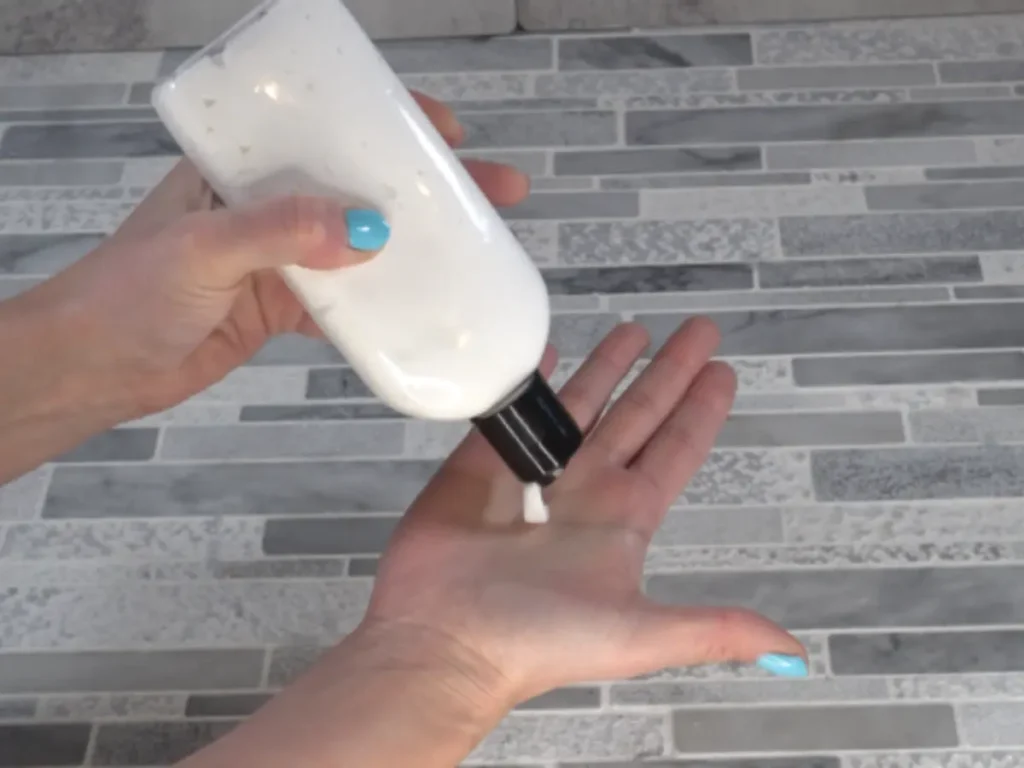
Body butter and lotion may look similar when applied to the skin, but they are formulated differently.
| Feature | Body butter | Lotion |
|---|---|---|
| Contains water | Usually no | Yes |
| Requires an emulsifier | Not for a simple oil-and-butter blend | Usually yes |
| Common texture problems | Graininess, excessive hardness, oiliness | Separation, changes in viscosity, and other stability issues |
| Preservation | Depends on the formula and contamination risk | Requires an appropriate preservation system for a water-containing product |
Grainy body butter is usually a fat crystallization issue. Lotion separation, on the other hand, can occur when the emulsion becomes unstable.
These are different problems and need different troubleshooting approaches.
For more information, read Why Some DIY Skincare Separates and How to Fix It.
Is Grainy Body Butter Safe to Use?
Graininess alone does not necessarily mean body butter has spoiled. It can simply be the result of fats crystallizing as the product cools.
However, you cannot determine whether a product is safe based on texture alone. A smooth product can also be spoiled or contaminated.
Discard body butter if it develops an unusual rancid odor, unexpected discoloration, or other signs of deterioration. Do not try to rescue a product that you suspect has spoiled by melting it again.
Does Body Butter Need a Preservative?
A simple body butter made entirely from oils and butters does not ordinarily require the same preservative system as a water-containing lotion. However, it still needs to be protected from contamination, especially from wet fingers, water entering the jar, and poor handling practices.
Vitamin E (tocopherol) can help slow oxidation of oils, but it is not a broad-spectrum antimicrobial preservative and will not make a contaminated product safe.
If you are making lotions or other products that contain water, learn more about why preservatives matter in DIY skincare.
Frequently Asked Questions
Why does shea butter get grainy?
Shea butter contains a mixture of fats that crystallize differently as the butter cools. Slow cooling and temperature fluctuations can encourage crystals to form or grow, producing the gritty texture.
Can I fix grainy body butter without remelting it?
You may be able to soften the grains temporarily by rubbing the butter between your fingers, but this does not correct the underlying crystal structure. For a more consistent result, completely remelting and carefully recooling the product is usually the better approach.
Will putting grainy body butter in the freezer fix it?
Freezer cooling can help some formulas set quickly after remelting, but placing an already grainy product in the freezer without melting it first will not reliably remove the existing crystals. Rapid cooling is a process to test, not a guarantee of long-term stability.
Why did my body butter become grainy days after making it?
Fat crystals can continue to form, grow, or reorganize after the product has cooled. This is why a batch that initially looks smooth may develop a gritty texture several days later.
Does adding more oil fix grainy body butter?
Adding liquid oil may soften the product and change its consistency, but it does not necessarily eliminate the crystallization problem. It also changes the formula’s percentages and skin feel. Remelting and controlling the cooling process is a better first step.
Can I prevent grainy body butter in hot weather?
You can reduce the risk by using a controlled cooling process, testing your formula under realistic storage conditions, and keeping the finished product away from temperature extremes. However, no formulation or cooling method guarantees that a butter blend will remain perfectly smooth through every temperature fluctuation.
Final Thoughts
Grainy body butter is one of those DIY skincare problems that can be frustrating until you understand what is happening.
In most cases, the issue comes down to the way fats in plant butters crystallize during cooling or after temperature changes. Fully melting the mixture, controlling how it cools, and storing it at a stable temperature can help you achieve a smoother result.
If your body butter has already become grainy, try remelting a small portion and testing a controlled cooling method before reworking the entire batch.
And when you develop your own formulas, remember that ingredient ratios and processing methods work together. A successful body butter is not just about choosing the right ingredients; it is also about understanding how those ingredients behave.