
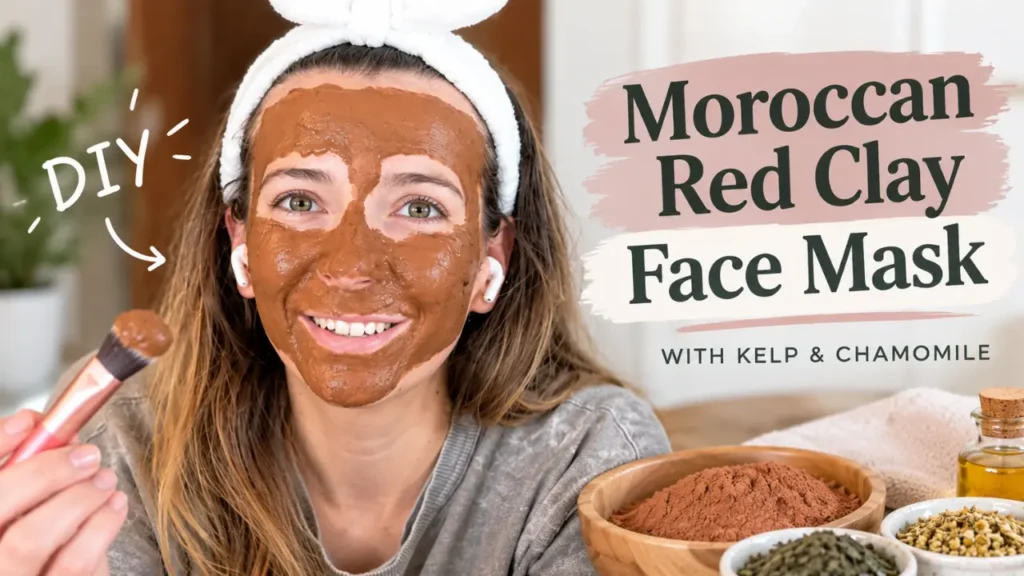
If your skin needs a simple reset, this DIY Moroccan red clay, kelp, and chamomile face mask is an easy place to start.
Moroccan red clay gives this mask its cleansing and oil-absorbing properties, while kelp powder adds a mineral-rich botanical ingredient and chamomile powder brings a soothing touch to the blend. A few drops of carrier oil help keep the mask from feeling overly drying, and you can adjust the liquid depending on how thick or thin you prefer your mask.
This is also one of those DIY skincare recipes where you don’t need to pull out your scale.
And there’s a good reason for that.
Unlike a lotion or cream, this is a single-use, rinse-off mask. The ingredients don’t need to be formulated to an exact percentage for the mask to work. In fact, each of the dry ingredients could be used on its own as a simple mask.
The proportions below are simply a starting point for creating a balanced blend.
Prefer to Watch How to Make Moroccan Clay Face Mask?
Affiliate disclosure: This post may contain affiliate links. If you purchase something through one of these links, I may earn a small commission at no additional cost to you. These commissions help support Summer Rain and allow me to continue creating free tutorials and recipes.
What Is Moroccan Red Clay?
Moroccan red clay is a mineral-rich clay traditionally used in facial and body care. It is particularly useful in masks because clay can absorb excess oil and help lift away dirt and impurities from the surface of the skin.
It’s also a little different from some of the lighter clays commonly used in DIY face masks.
Red clay gets its characteristic color from its naturally occurring mineral content, including iron oxides. It can leave the skin feeling clean and refreshed without necessarily needing a complicated formula.
However, clay is still an absorbent ingredient.
If you have dry or sensitive skin, leaving a clay mask on until it becomes completely dry and cracked can leave your skin feeling tight or uncomfortable. That’s one reason I include a small amount of carrier oil in this mask and recommend removing it while it is still slightly moist.
Why Add Kelp Powder?
Kelp powder is made from dried seaweed and is naturally rich in minerals and other compounds found in marine plants.
It also has a very noticeable marine aroma.
That’s why I don’t use a large amount of kelp powder in this recipe. A little goes a long way, and keeping it to a smaller portion allows the Moroccan red clay to remain the primary ingredient.
Kelp also gives you another reason to experiment with this recipe. If you enjoy using botanical powders in your skincare, you can adjust the amount to your preference.
If you’re new to working with botanical powders, you may want to start with the smaller amount in the recipe.
What Does Chamomile Powder Do?
Chamomile is one of my favorite additions when you want a botanical ingredient that feels gentle and soothing.
For this mask, I’m using chamomile flower powder rather than a chamomile essential oil.
Chamomile powder adds a botanical element to the mask while helping create a more balanced formula alongside the cleansing properties of the clay.
If you already have chamomile powder in your DIY skincare ingredients, this is a nice way to use it.
Why Add Carrier Oil to a Clay Mask?
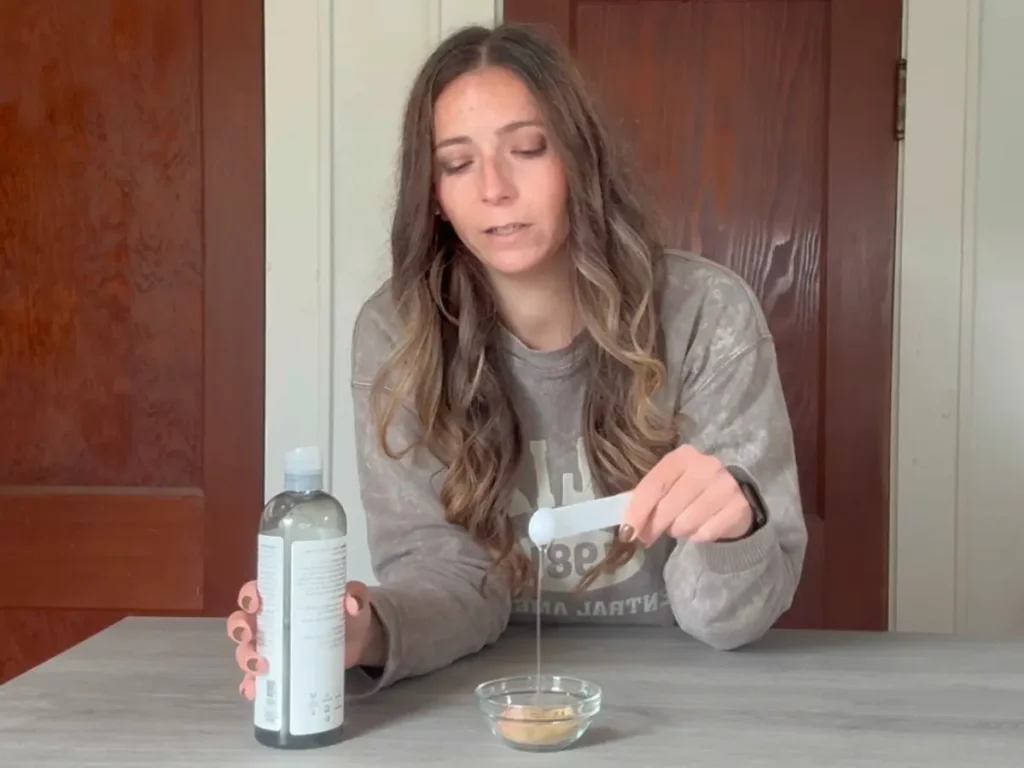
You might be wondering why we’re adding oil to a clay mask at all.
After all, isn’t clay supposed to absorb oil?
Yes, but that doesn’t mean your skin needs to be left feeling stripped after you rinse the mask away.
A small amount of carrier oil gives the mask a little more conditioning feel and can make it more comfortable to use, particularly if your skin tends to feel dry after clay masks.
For this recipe, you can use:
- Jojoba oil
- Argan oil
- Rosehip oil
I particularly like jojoba oil for a simple facial mask because it has a lightweight feel and works well in many DIY skincare recipes.
You don’t need much. We’re talking about a few drops.
If your skin is particularly dry, you can increase the amount slightly.
Can You Customize the Liquid?
Absolutely.
Water is the simplest option, but it isn’t your only choice.
You could use:
- Distilled water
- Rose water
- Rose hydrosol
- Chamomile hydrosol
- Aloe vera
Using a hydrosol or aloe vera can make the mask feel a little more luxurious while adding another skin-loving ingredient.
Just remember that the liquid is being added immediately before application. It should not be added to the dry bulk mixture for storage.
Can You Add Honey or Glycerin?
You can also add a small amount of a humectant if you’d like to make the mask feel more hydrating.
Two options are:
- Raw honey
- Vegetable glycerin
For a single mask, about ½ teaspoon is plenty.
Humectants attract and hold water, which can help the mask feel less drying while you’re wearing it.
Keep in mind that you don’t need every possible enhancement in one recipe. The basic mask works just fine with water and a few drops of carrier oil.
Think of these as optional ways to customize the recipe.
DIY Moroccan Red Clay, Kelp & Chamomile Face Mask Recipe
This recipe makes enough for one facial treatment.
Ingredients
| Ingredient | Amount | Purpose |
|---|---|---|
| Moroccan red clay | 1 tablespoon | Cleansing and oil absorption |
| Kelp powder | ½–1 teaspoon | Mineral-rich botanical addition |
| Chamomile flower powder | ½–1 teaspoon | Soothing botanical ingredient |
| Carrier oil | 3–5 drops | Adds a more conditioning feel |
| Liquid | 1–2 tablespoons | Creates the mask consistency |
For the liquid, use distilled water, rose water, rose hydrosol, chamomile hydrosol, or aloe vera gel.
Optional
- ½ teaspoon raw honey
- ½ teaspoon vegetable glycerin
A Note About My Measurements
You’ll notice that I’m using tablespoons and teaspoons instead of grams or percentages for this particular recipe.
That’s intentional.
This is the only time you’ll see me use volume measurements like this in one of my skincare recipes, and there’s a good reason: this mask does not need to be formulated to an exact percentage to work well.
This is a simple, single-use, rinse-off mask. It isn’t an emulsion, lotion, cream, or other product that needs to have a precise formula in order to remain stable.
In fact, each of the dry ingredients in this recipe could technically be used at 100% on its own as a simple mask.
The proportions here are simply my starting point for creating a balanced blend of Moroccan red clay, kelp, and chamomile.
So don’t worry about getting out your scale for this one.
You can adjust the amounts slightly depending on your skin, how much you want to make, and how thick you like your mask.
How to Make the Face Mask
1. Combine the Dry Ingredients
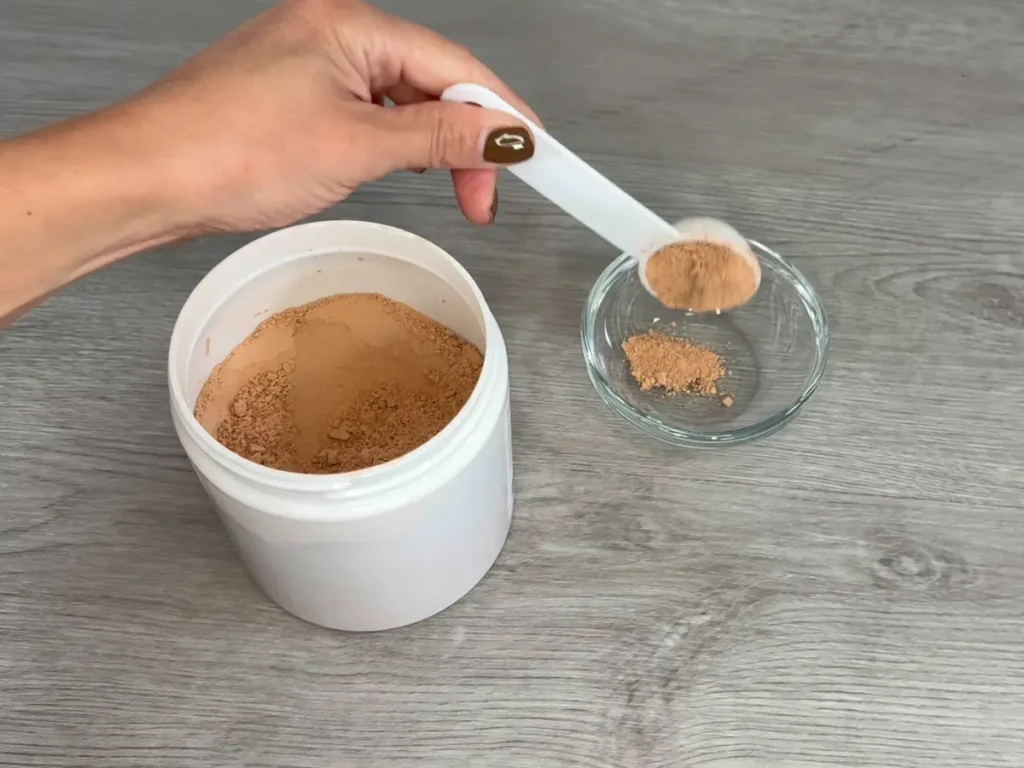
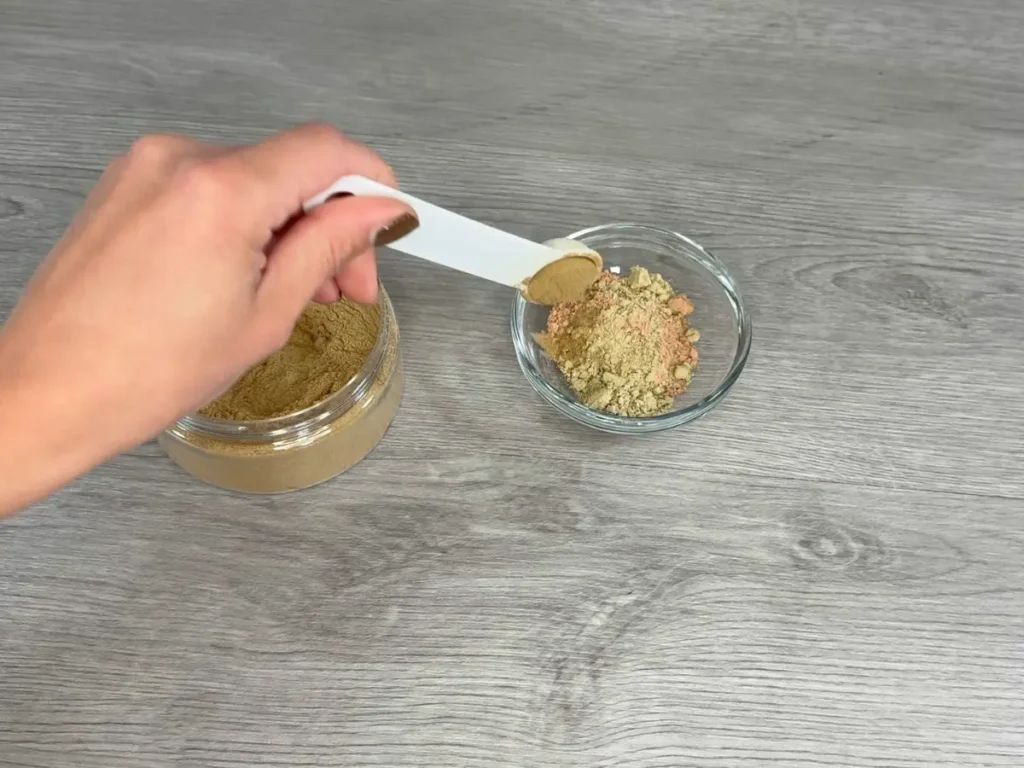
Add the Moroccan red clay, kelp powder, and chamomile powder to a small clean bowl.
Stir them together until the powders are evenly distributed.
I like using a glass or ceramic bowl for this because they’re easy to clean and work well for mixing small batches of skincare.
You can also use a clean wooden or silicone utensil.
2. Add the Carrier Oil
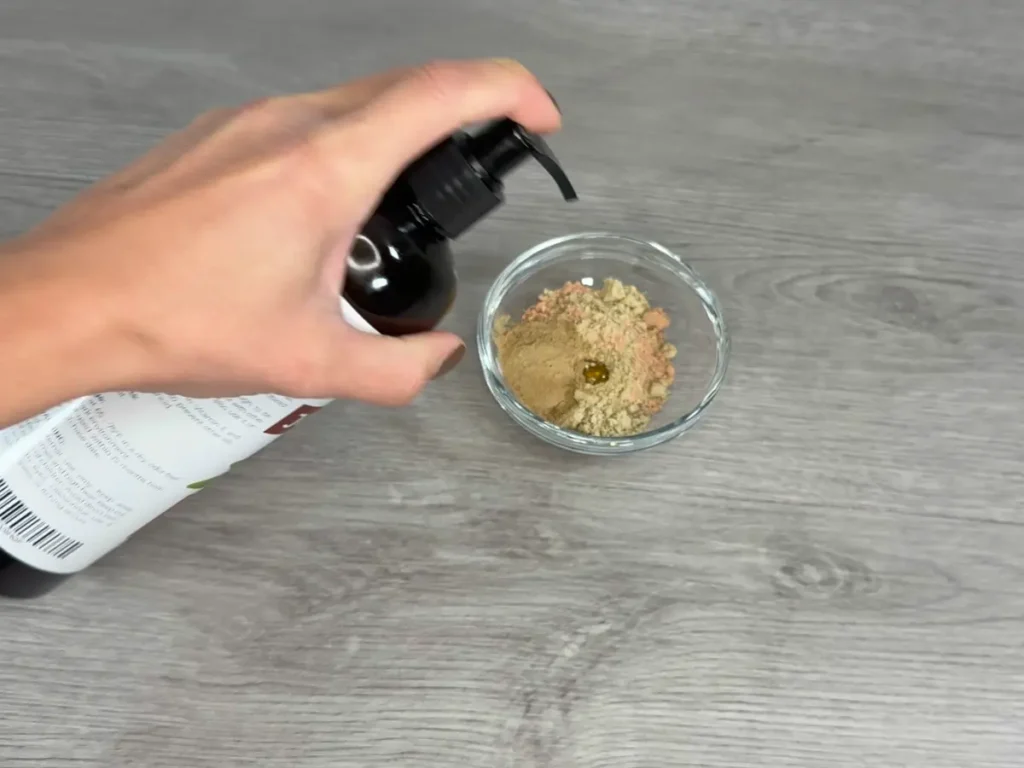
Add 3–5 drops of your chosen carrier oil and mix thoroughly.
If your skin is very dry, you can use up to about ½ teaspoon.
You want enough oil to make the mask comfortable, but you don’t want to turn it into an oily paste that won’t spread easily.
3. Add Optional Honey or Glycerin
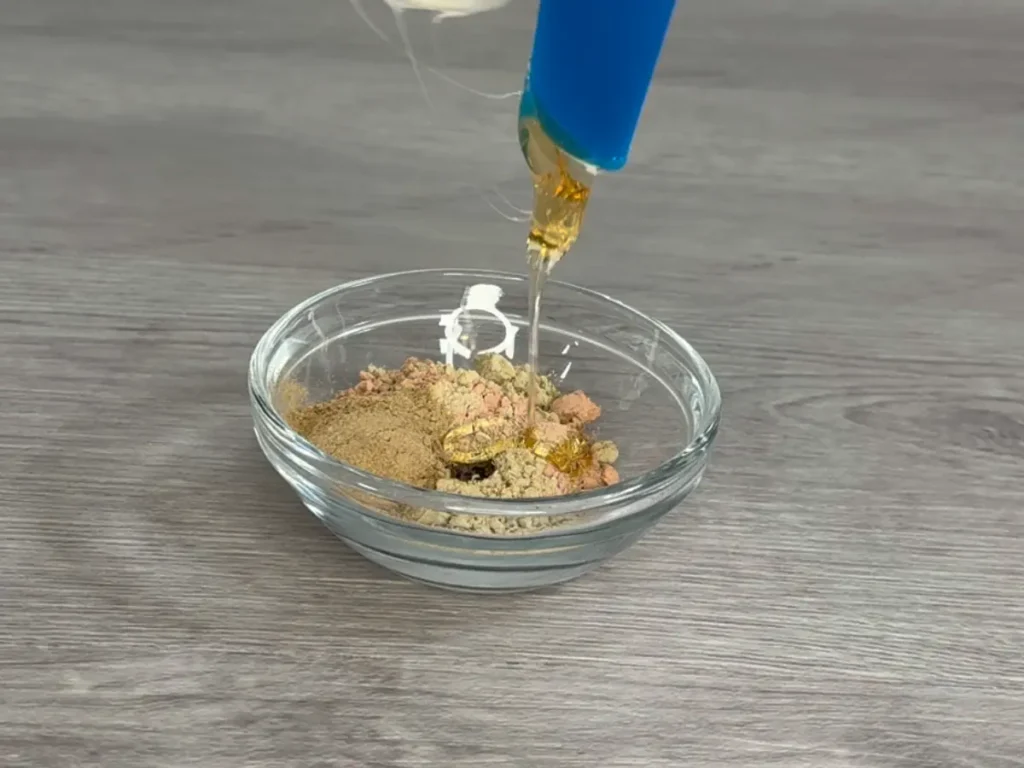
If you’re using honey or glycerin, add it now and mix everything together.
Again, this is optional.
The basic clay, kelp, chamomile, liquid, and oil combination is enough to make the mask.
4. Add Your Liquid Slowly
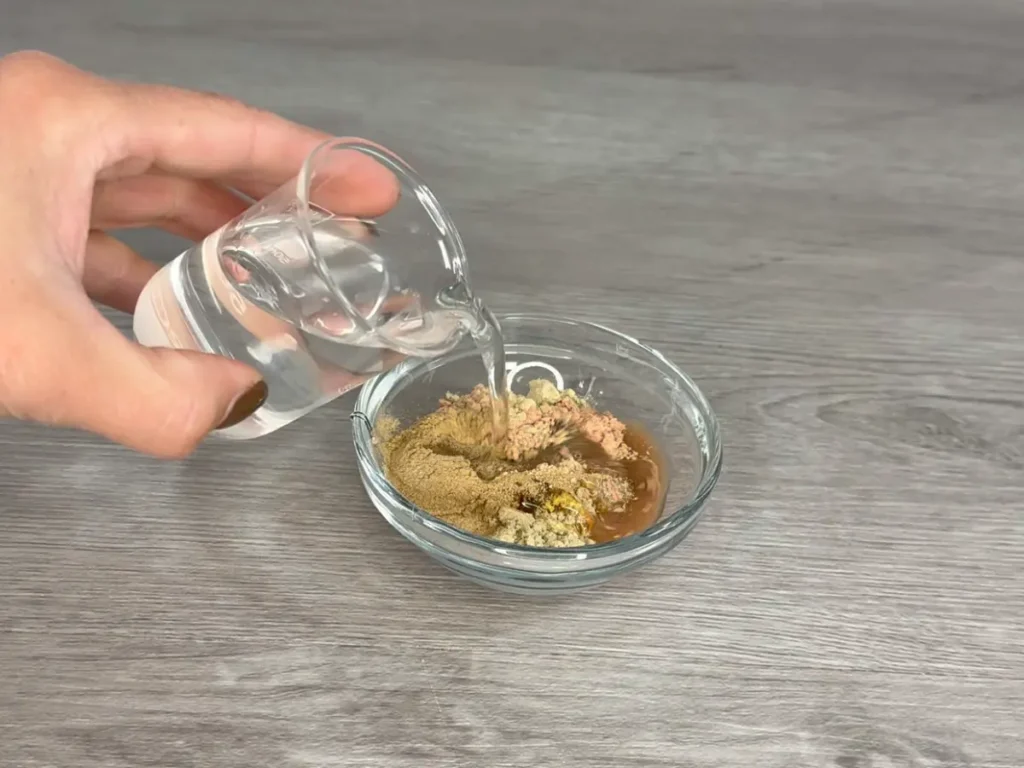
Don’t immediately pour in the entire amount of liquid.
Start with a small amount and stir.
Then continue adding liquid a little at a time until you get the consistency you want.
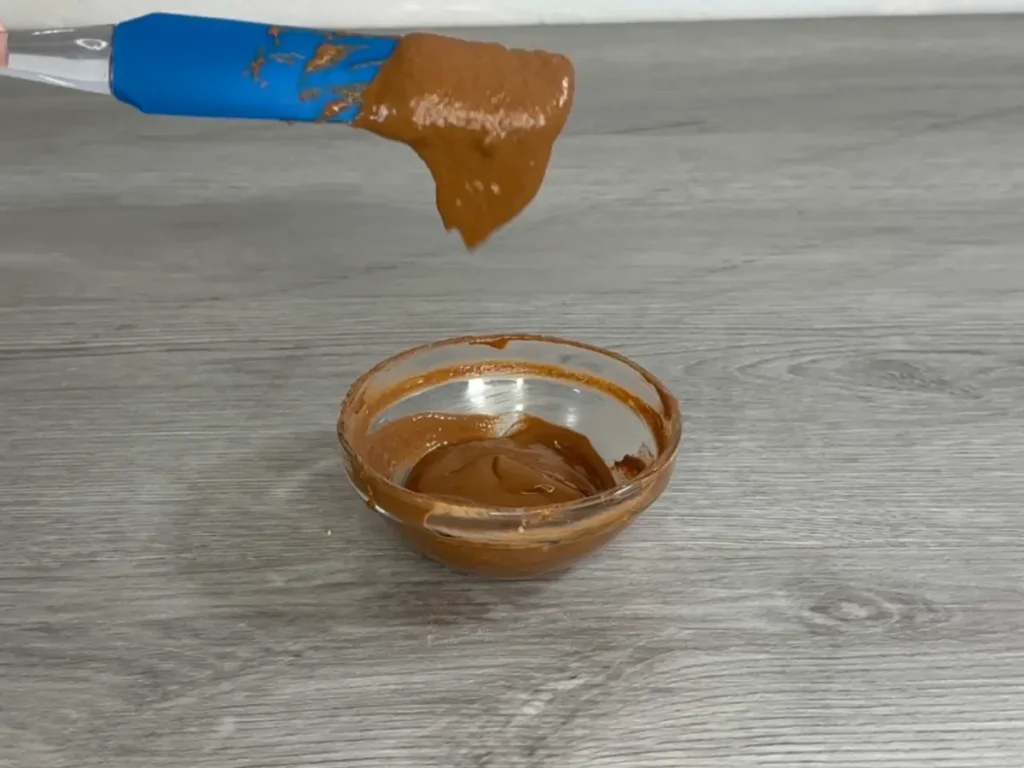
You are looking for a smooth, spreadable paste.
If you accidentally make it too thin, add a little more of the dry mixture.
If it is too thick, add a few more drops of liquid.
This is one of the reasons I don’t consider the liquid amount an exact measurement. Different clays and botanical powders can absorb different amounts of liquid, so the consistency is a better guide than a specific number.
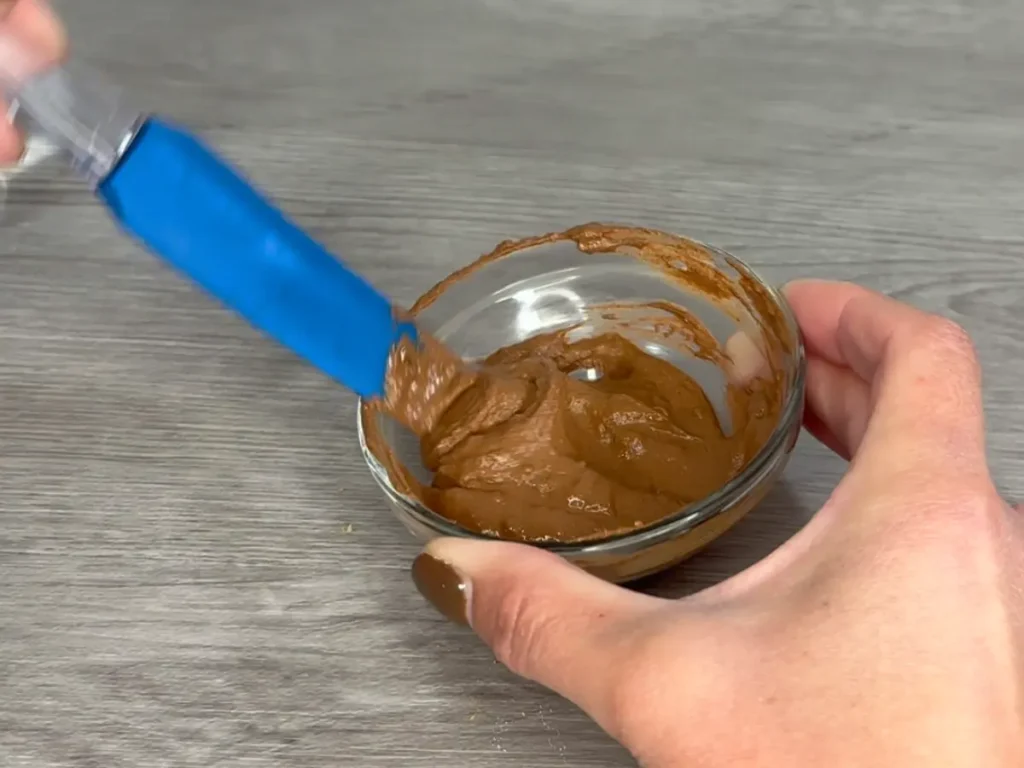
5. Apply the Mask
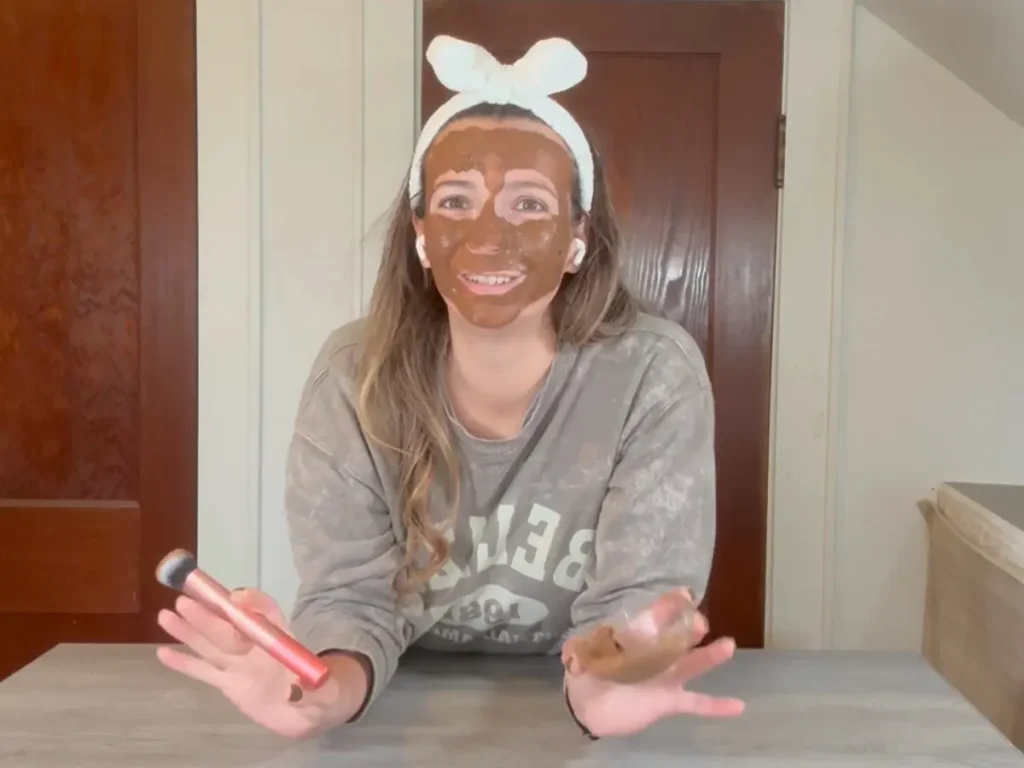
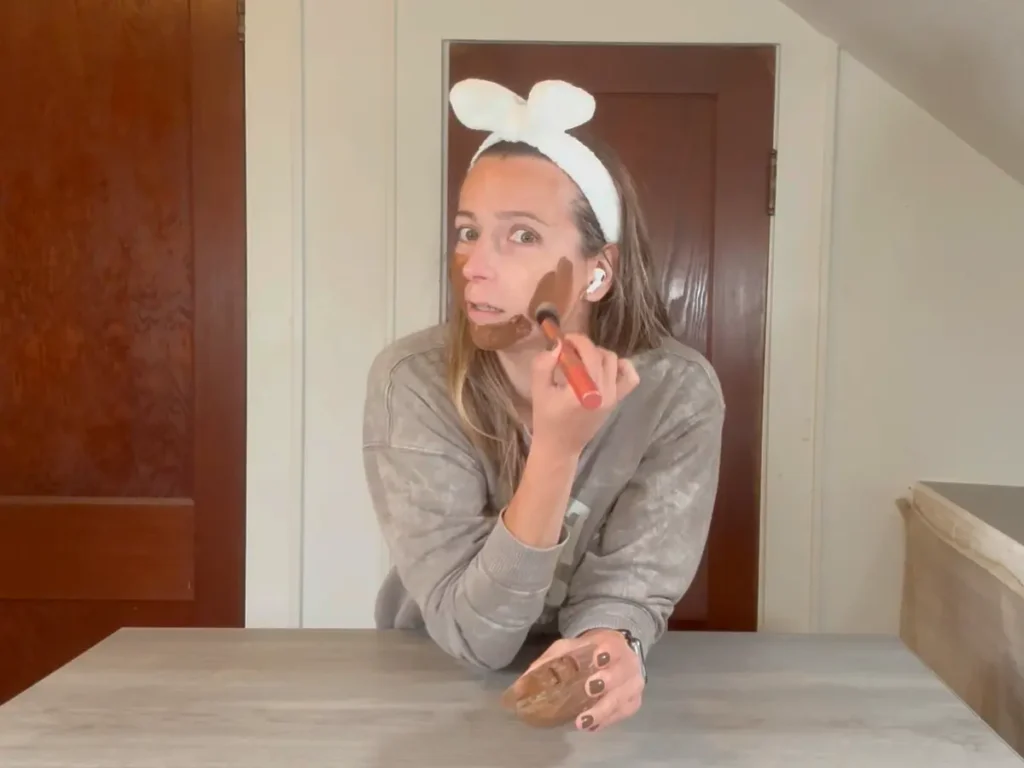
I like to use a headband to keep the mask out of my hair.
Apply a thin, even layer to clean skin. I like to apply with a makeup brush.
Avoid the immediate eye area and lips.
You don’t need a thick layer for the mask to work. A thin layer is generally easier to apply and remove.
If this is your first time using one of the ingredients, especially a botanical powder, consider doing a small patch test first.
How Long Should You Leave a Clay Mask On?
For this mask, I recommend leaving it on for approximately 10 minutes.
But don’t use the clock as your only guide.
The goal isn’t to let the clay completely dry and crack.
Instead, remove the mask when it has become tacky and partially dry but is still slightly moist.
Don’t Let Your Clay Mask Completely Dry
This is one of the most common mistakes people make with clay masks.
You may have heard that you need to wait until a clay mask becomes completely dry before rinsing it away.
You don’t.
Once the mask has completely dried and started cracking, it can leave your skin feeling tight and uncomfortable, especially if you already have dry or sensitive skin.
If you notice the mask becoming very dry before 10 minutes has passed, go ahead and rinse it.
Your skin is the better indicator.
How to Remove the Mask
When you’re ready to remove the mask, use lukewarm water.
Don’t aggressively scrub the clay away.
Instead, gently wet your face and allow the mask to soften before rinsing it away.
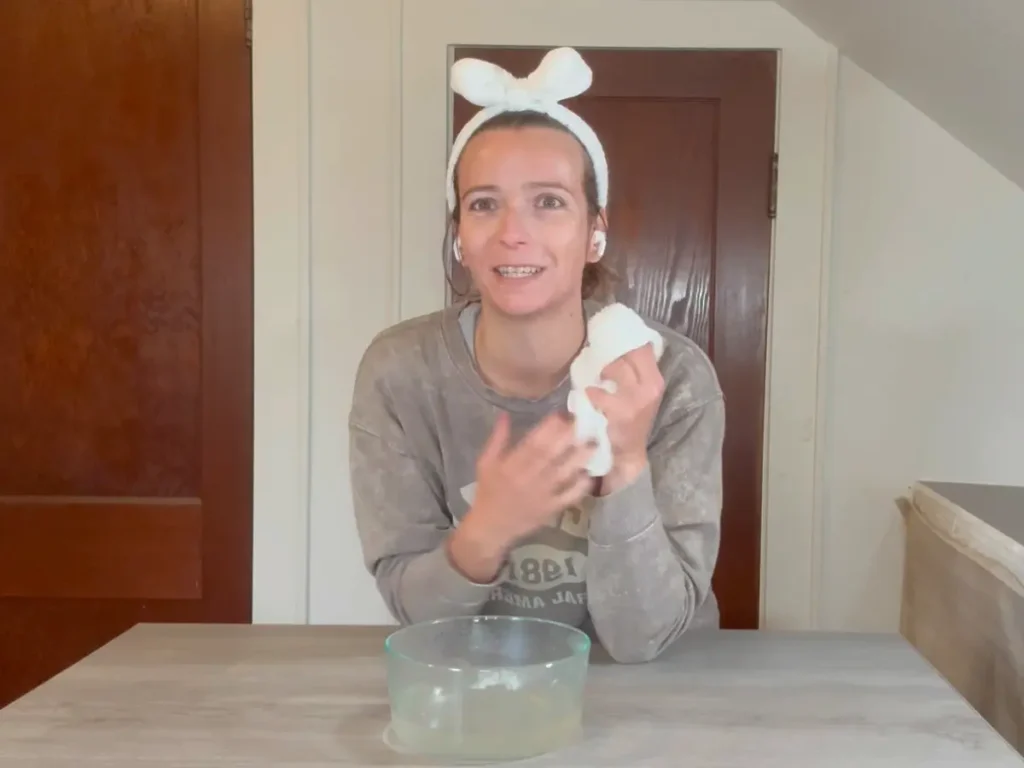
If needed, use a soft, damp washcloth to help remove any remaining clay, but avoid rubbing your skin aggressively.
Pat your face dry with a clean towel.
Your skin should feel clean and refreshed—not tight, painfully dry, or irritated.
I love the way a microfiber washcloth removes the mask.
What Should You Put on Your Skin After a Clay Mask?
After rinsing, this is a good time to follow with the rest of your skincare routine.
If you normally use a toner or hydrating mist, you can apply it after rinsing.
Then follow with your favorite moisturizer.
If your skin feels particularly dry after using the mask, that is a sign that you may need to reduce the amount of clay, increase the conditioning ingredients, or shorten the amount of time you leave the mask on.
You can read more about the different roles ingredients play in skincare in my guide to humectants, occlusives, and emollients.
Can You Make This Face Mask Ahead of Time?
You can make the dry mixture ahead of time.
You should not mix the water or other liquid into the entire batch and then store it.
Once water is introduced to a mixture containing botanical powders, you have created a water-containing product that can support microbial growth.
And unlike a properly formulated commercial skincare product, this simple DIY mask does not contain a preservative system designed to control that growth.
That’s why I recommend keeping this recipe dry until you’re ready to use it.
How to Make a Larger Dry Batch
If you want to have the mask ready to go, you can prepare a dry blend.
Use:
- 3 parts Moroccan red clay
- 1 part kelp powder
- 1 part chamomile flower powder
Mix the powders thoroughly and store the dry mixture in a clean, completely dry, airtight container.
When you’re ready to make a mask, scoop out the amount you need and add your liquid and carrier oil fresh.
How Long Does the Dry Mask Mix Last?
Because the dry mixture contains no added water, it doesn’t have the same preservation concerns as a wet mask.
For best quality, I would use the dry mixture within about 6 months and keep it tightly sealed in a cool, dry place.
Always use clean, completely dry utensils when scooping from the container.
If moisture gets into the jar, discard the mixture rather than trying to save it.
Why Can’t I Just Add Water to the Whole Jar?
This is an important question if you’re used to making DIY powdered products.
It might seem convenient to make a large jar of the finished mask and simply scoop some out whenever you want to use it.
The problem is the water.
Once you add water, you’re no longer dealing with a dry powder blend. You’ve created a water-containing skincare product.
That means microorganisms have an environment where they can grow.
And because this recipe isn’t formulated with a tested preservative system, there isn’t a reliable way to give a homemade wet batch a safe shelf life. Plus clay is very hard to preserve.
So keep it simple:
Store the powders dry. Add the liquid immediately before use.
This is one of those cases where making the product fresh is actually easier than trying to preserve it.
Can I Use Rose Water?
Yes.
Rose water or rose hydrosol can replace the water in this recipe.
It gives the mask a different sensory experience and can be a nice option if you enjoy using hydrosols in your skincare routine.
Chamomile hydrosol is another option that fits especially well with the chamomile powder already in the recipe.
You don’t need to use a specialty liquid, though. Plain distilled water works perfectly well.
Which Carrier Oil Should I Use?
There isn’t one correct carrier oil for this mask.
Jojoba Oil
Jojoba is a great all-purpose option for facial skincare. It has a lightweight feel and is easy to incorporate into a simple mask.
Argan Oil
Argan oil gives the mask a slightly richer, more conditioning feel and can be a nice choice for dry skin.
Rosehip Oil
Rosehip oil is another popular facial oil and works well when you want to add a botanical oil to your routine.
Because we’re only using a few drops, choose the oil that you already enjoy using on your skin.
You don’t need to buy a special oil just to make this mask.
Adjusting the Recipe for Your Skin
One of my favorite things about this mask is how easy it is to customize.
If Your Skin Is Oily
Keep the clay as the primary ingredient and use a smaller amount of carrier oil.
You may also prefer water as your liquid rather than adding honey or glycerin.
If Your Skin Is Dry
Use the higher end of the carrier oil range and consider adding a small amount of honey or glycerin.
You can also remove the mask sooner rather than waiting for it to become completely dry.
If Your Skin Is Sensitive
Start with a shorter application time and consider using less kelp and chamomile powder while you see how your skin responds.
Don’t assume that because an ingredient is natural, your skin cannot react to it.
Patch testing is always a good idea when you’re trying a new botanical ingredient.
Important Safety Tips
Before using your mask, keep these things in mind.
Patch Test New Ingredients
If you’ve never used Moroccan red clay, kelp powder, chamomile powder, or one of the carrier oils before, test a small amount on a discreet area of skin first.
Wait and see how your skin responds before applying the mask to your entire face.
Avoid the Eye Area
Clay and botanical powders aren’t something you want getting into your eyes.
Leave a little space around the eyes and avoid applying the mask directly to the eyelids.
Don’t Apply to Broken or Irritated Skin
A clay mask isn’t a treatment for damaged skin.
If your skin is currently irritated, sunburned, broken, or otherwise uncomfortable, wait until it has recovered before using the mask.
Don’t Scrub Aggressively
The mask is not a facial scrub.
There’s no need to rub the clay into your skin while removing it.
Let the water soften the mask and rinse gently.
Keep Water Out of Your Dry Mix
This is especially important if you’re storing a larger batch.
Use a clean, dry spoon every time you scoop out the powder and keep the container tightly closed.
Frequently Asked Questions
How often can I use this face mask?
There’s no universal schedule that works for everyone.
Because clay can absorb oil, using it too frequently may leave some skin types feeling dry or tight.
Start with once a week and see how your skin responds.
If your skin becomes dry or irritated, use it less often or adjust the recipe.
Can I use this mask every day?
I wouldn’t recommend starting with daily use.
This is a cleansing clay mask, not a daily moisturizer.
Using it too frequently can be unnecessary and may leave your skin feeling dry, particularly if you have normal-to-dry or sensitive skin.
Can I leave the mask on overnight?
No.
There’s no benefit to leaving this clay mask on overnight.
Once the mask dries, it can become uncomfortable and potentially increase dryness and irritation.
Ten to fifteen minutes is plenty, and you should remove it sooner if it becomes completely dry.
Can I use this mask on my body?
Yes.
There’s no reason you have to limit the dry blend to your face.
You can make a larger amount and use it as a body mask, especially on areas where you want a clay-based cleansing treatment.
Just remember that the same rule applies: mix only what you plan to use and don’t store the wet mixture.
Can I substitute another clay?
You can experiment with other cosmetic clays, but keep in mind that different clays have different colors, textures, and levels of absorbency.
If you change the clay, you may need to adjust the amount of liquid to get the consistency you want.
Does this face mask need a preservative?
The dry powder blend does not need a conventional preservative simply because it contains no added water.
However, once you add water, aloe vera, hydrosol, or another water-containing ingredient, you’ve created a wet product.
That wet mixture should be made fresh and used immediately rather than stored.
A preservative isn’t something I would simply add to this recipe as an afterthought. Proper preservation requires more than adding a preservative to a recipe; the entire formulation, preservation system, pH, packaging, and manufacturing process need to be considered.
For a simple one-use mask, mixing it fresh is the easiest approach.
Can I make a single-use portion without measuring exactly?
Yes—and that’s part of the beauty of this recipe.
You can adjust the amount of dry powder and liquid based on how much mask you want to make.
The measurements in the recipe are simply a starting point.
The final consistency is more important than hitting an exact gram weight.
Final Thoughts
This Moroccan red clay, kelp, and chamomile mask is a good example of how simple DIY skincare can be.
You don’t need a complicated ingredient list or a dozen specialty ingredients.
The Moroccan red clay provides the cleansing base, kelp adds a mineral-rich botanical element, chamomile adds another soothing botanical component, and a small amount of carrier oil helps make the mask feel more comfortable on the skin.
And because this is a fresh, single-use mask, you don’t need to worry about creating a complicated preservative system.
Just keep the dry ingredients dry, mix your mask fresh, don’t let it completely dry and crack on your skin, and follow with moisturizer afterward.
If you’re interested in learning more about how different skincare ingredients work together, start with my guide to formulating skincare for beginners. It’s a good next step if you want to move beyond simple recipes and start understanding how to build your own formulations.
You can also learn more about humectants, occlusives, and emollients and how each type of ingredient contributes to the way a skincare product feels and performs.