

If you have ever made a soy candle and noticed white, cloudy patches forming on the surface or along the sides of your jar, you have probably experienced soy wax frosting. It can be frustrating when you are trying to create smooth, beautiful candles, especially when you have spent time choosing your fragrance, color, and container.
The good news is that soy wax frosting is a normal characteristic of soy wax. It is a cosmetic issue rather than a candle defect, and it does not automatically mean you did anything wrong when making your candle.
In this guide, I will explain what soy wax frosting is, why it happens, what factors can make it more noticeable, and what you can do to minimize it when making candles.
If you are new to candle making, you may also find my candle-making supplies for beginners guide helpful for getting started with the equipment and materials you need.

What Is Soy Wax Frosting?
Soy wax frosting is a white, cloudy, or crystalline appearance that develops on the surface or along the sides of candles made with soy wax. It may look like a thin white coating, small crystals, cloudy patches, or a frost-like pattern.
Frosting is caused by the natural crystallization of the vegetable fats in soy wax as the wax cools and solidifies. Soy wax is made from soybean oil, and its natural composition allows crystals to form and change over time. These crystals may become more visible as the candle cools, cures, or experiences temperature changes during storage.
Frosting can appear shortly after pouring a candle, or it may develop days, weeks, or even months later.
What Does Soy Wax Frosting Look Like?
Frosting can appear in several different ways depending on the wax, candle color, container, and cooling conditions.
- White, cloudy patches on the top of the candle
- Crystalline patterns along the sides of the container
- A thin, chalky-looking coating on the wax
- Frost-like patterns that become more noticeable as the candle ages
- Uneven white areas on colored candles
Frosting is particularly noticeable in colored soy candles because the white crystals contrast with the color of the wax.
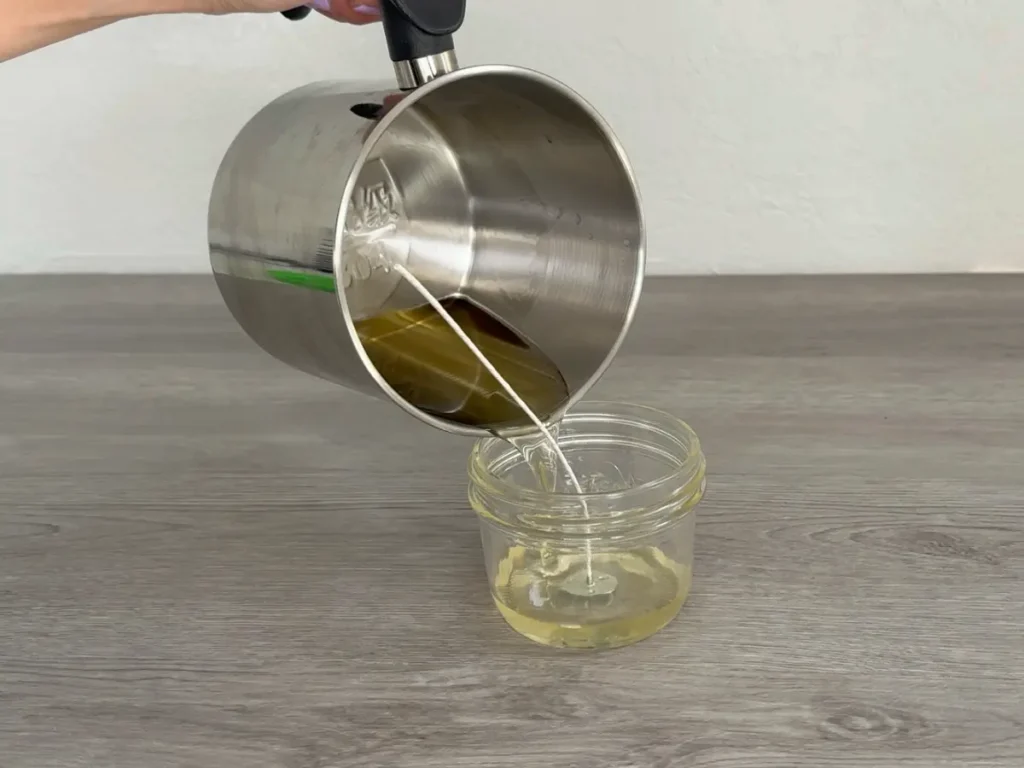
Why Does Soy Wax Frost?
Soy wax contains naturally occurring fats with different melting and solidification characteristics. As the melted wax cools, these fats begin to solidify and form crystals.
The crystal structure can continue to change as the candle cools and ages. These changes are part of the natural behavior of soy wax and are one of the reasons soy candles can develop frosting even after they initially appear smooth.
Frosting is not necessarily the result of a mistake during candle making. It can happen even when you follow your wax manufacturer’s recommended temperatures, stir properly, and allow your candles to cool in a controlled environment.
Factors That Can Contribute to Soy Wax Frosting
Several factors may influence how frosting develops or how noticeable it becomes.
| Factor | How It Can Affect Frosting |
|---|---|
| Natural wax composition | Soy wax naturally forms crystals as it solidifies, which can create frosting. |
| Temperature changes | Changes in temperature during cooling or storage can influence crystal formation and appearance. |
| Cooling conditions | Uneven cooling may contribute to differences in the appearance of the wax. |
| Candle color | Frosting is much easier to see in colored candles because of the contrast between the dye and white crystals. |
| Wax formulation | Different soy waxes and soy blends can have different frosting tendencies. |
| Time | Frosting may develop or become more visible as the candle ages. |
Does Soy Wax Frosting Affect Candle Performance?
No. Frosting is a cosmetic issue and does not, by itself, affect the performance of your candle.
A frosted candle can still provide a good fragrance experience and burn as intended when it has been properly formulated and tested. Frosting does not automatically mean the candle has a poor scent throw, an unsafe wick, or a problem with the wax.
If you are working on improving the fragrance performance of your candles, you may also find my guides on how to make a strong scented soy candle and maximize hot and cold throw and how to increase hot throw in soy candles helpful.
However, frosting should not be confused with other candle issues. If you notice unusual cracking, separation, excessive sinkholes, wick problems, or abnormal burning behavior, those issues should be evaluated separately.
Frosting alone is not a reason to discard a candle.
Does Frosting Mean My Candle Is Made With 100% Soy Wax?
Frosting is common in candles made with natural soy wax, but it is not a guarantee that a candle contains 100% soy wax.
Pure soy wax can frost, and soy wax blends may also frost depending on their formulation. Some wax blends, additives, and different wax formulations may reduce the appearance of frosting, but the appearance of a candle cannot tell you its exact ingredient composition.
If you are making candles with 100% soy wax, frosting is simply one of the natural characteristics you may encounter when working with this wax.
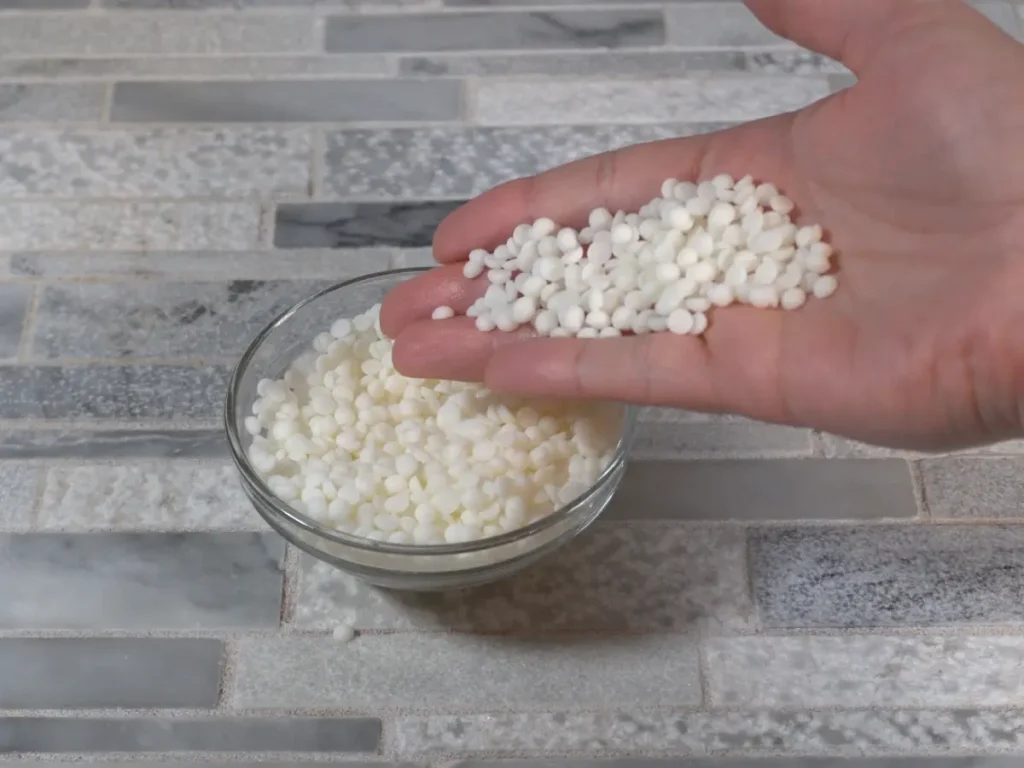
How to Reduce Soy Wax Frosting
Although frosting cannot always be eliminated, there are several techniques you can experiment with to minimize its appearance.
Keep Your Cooling Environment Consistent
Allow your candles to cool in a room with a relatively stable temperature. Avoid placing freshly poured candles near open windows, exterior doors, air conditioning vents, fans, or other sources of drafts.
Sudden temperature changes may contribute to uneven cooling and can make cosmetic issues more noticeable.
Avoid Cold Surfaces
Cold countertops can pull heat away from the bottom of your candle containers more quickly than the surrounding air.
Try placing your freshly poured candles on a level cooling rack or another insulated surface rather than directly on a cold stone countertop. This may help create more consistent cooling conditions.
Experiment With Container Temperature
Cold containers can create a greater temperature difference between the melted wax and the glass.
You can experiment with gently warming their containers before pouring. If you decide to test this technique, warm your containers slightly and evenly, and avoid excessive heat.
Prewarming containers may help with some cosmetic issues, but it is not a guaranteed solution for soy wax frosting.
Follow Your Wax Manufacturer’s Temperature Recommendations
Soy waxes are not all the same. Different waxes may have different recommended melting, fragrance-addition, and pouring temperatures.
Follow the manufacturer’s instructions for your specific wax, and test small batches before making changes to your entire candle-making process.
If you want to experiment with pouring temperatures, make small adjustments and keep notes on the results.
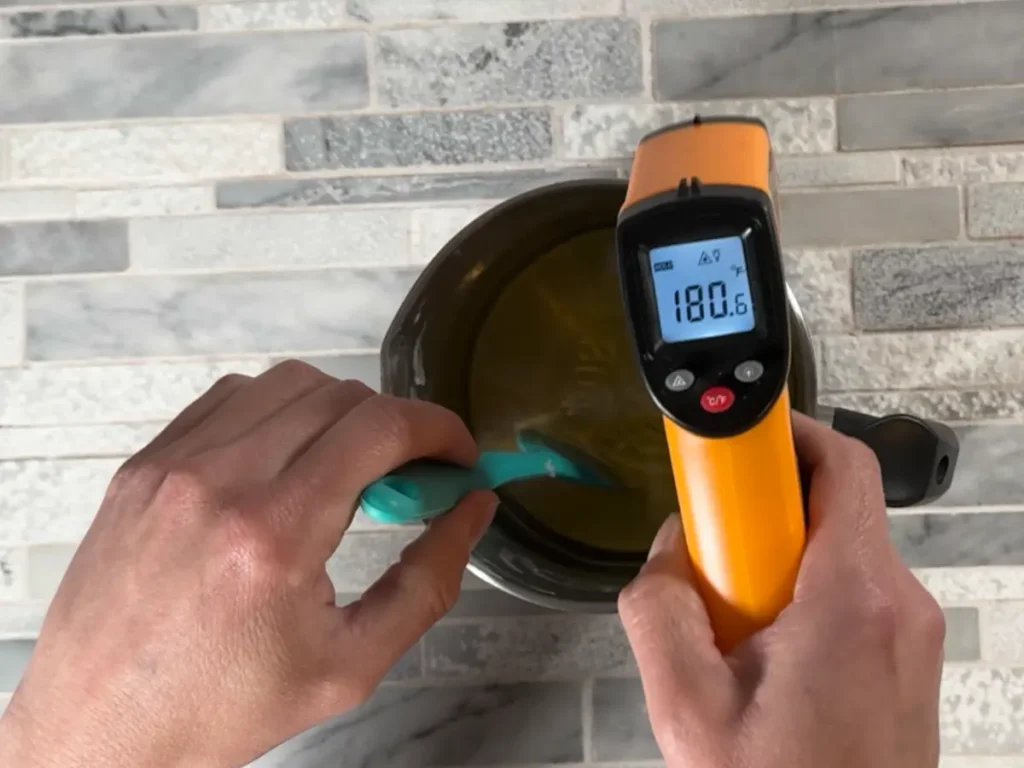
Stir Gently and Consistently
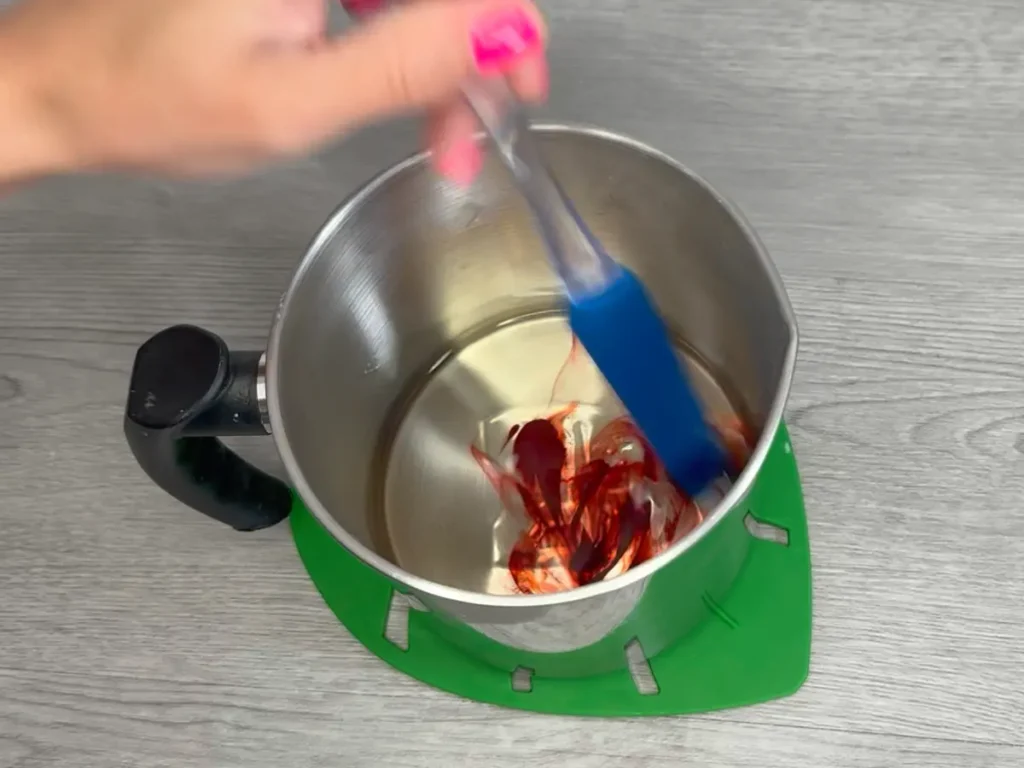
When adding fragrance oil or candle dye, stir your wax thoroughly enough to incorporate the ingredients evenly.
You do not need to stir aggressively. Use a consistent stirring technique and follow the mixing recommendations provided by your wax manufacturer and fragrance supplier.
Stirring is important for properly incorporating fragrance and color, but excessive stirring is not a proven universal cause of frosting.
Be Aware That Candle Dye Can Make Frosting More Noticeable
If you make colored soy candles, frosting may be more noticeable than it is in natural-colored candles.
White crystalline areas stand out against darker shades of red, blue, purple, or green. This does not mean colored wax frosts more frequently; it may simply be easier to see.
If frosting is a concern, try making a few test candles in natural soy wax or lighter colors to compare their appearance over time.
Test Different Wax Formulations
If frosting is a major concern for your candle business or personal projects, you may want to experiment with different soy wax formulations.
Some soy waxes are formulated specifically for container candles and may have different cosmetic characteristics. Soy blends may also offer a different appearance or reduce frosting, depending on the formulation.
Before switching waxes, test the fragrance performance, wick selection, burn behavior, adhesion, appearance, and overall candle performance.
If you are just getting started with candle making, my guide to making your first candle walks you through the basics of making a candle from start to finish.
Can You Fix Soy Wax Frosting After It Appears?
Once frosting develops, it can sometimes be reduced or temporarily improved, but it may return.
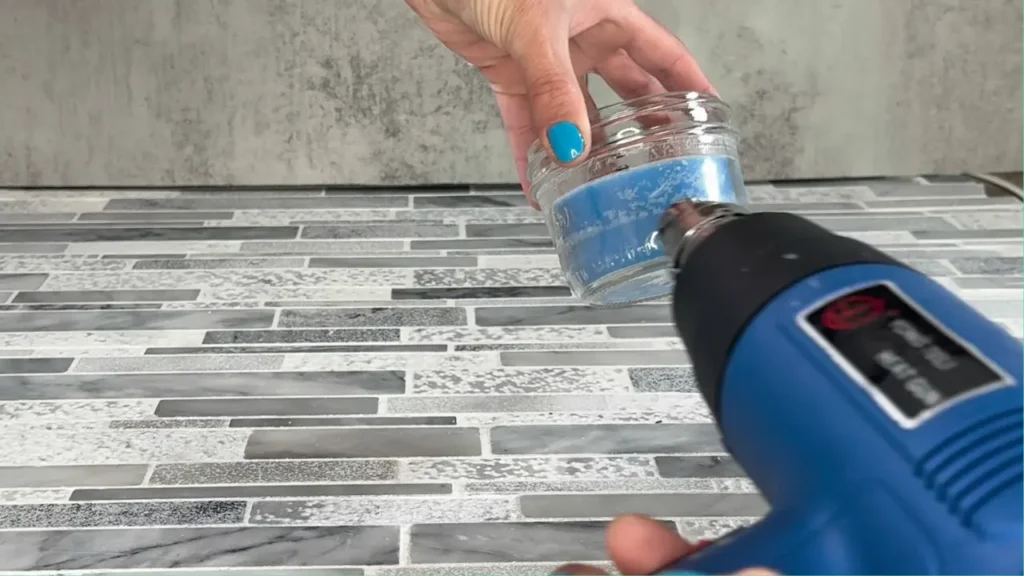
You can use a heat gun to gently warm the surface of a candle, allowing the wax to melt and smooth out. This may improve the appearance of frosting on the top of the candle.
However, reheating does not change the natural composition of soy wax, so frosting may reappear as the wax cools or ages.
If you use a heat gun, use caution and avoid overheating the wax, container, or surrounding materials. Do not use excessive heat to try to correct frosting along the sides of a finished candle.
For many candles, accepting frosting as a natural characteristic of soy wax is the simplest solution.
Should You Worry About Frosting on Soy Candles?
I don’t think frosting is something you need to worry about when making soy candles. It is one of the natural characteristics of working with soy wax, and it is something candle makers learn to expect.
If you are making candles for yourself, frosting does not take away from the enjoyment of using your candle.
If you are looking for more candle-making tutorials, recipes, and troubleshooting tips, you can explore my Candle Making collection.
Frequently Asked Questions About Soy Wax Frosting
Is soy wax frosting normal?
Yes. Frosting is a common natural characteristic of soy wax. It occurs as the vegetable fats in soy wax form crystals during cooling and throughout the life of the candle.
Why is my soy candle frosting after a few weeks?
Soy wax can continue to change its crystal structure over time. Temperature changes during storage may also influence the appearance of the wax. This is why a candle that initially looked smooth may develop frosting weeks or months later.
Does frosting mean my candle is bad?
No. Frosting is a cosmetic issue and does not automatically mean your candle is defective. A frosted candle can still perform well when the candle itself has been properly formulated and tested.
Can I prevent soy wax frosting completely?
Not always. You can experiment with your cooling environment, container temperature, pouring temperatures, wax formulation, and candle color to reduce the appearance of frosting, but it may still occur.
Does soy wax frosting affect fragrance?
Frosting itself does not indicate that your candle has lost fragrance or that the fragrance oil was improperly incorporated. Candle fragrance performance depends on factors such as the wax, fragrance oil, fragrance load, wick, and candle formulation.
Why do colored soy candles frost more?
Colored candles do not necessarily frost more frequently, but frosting is often more visible in colored wax. The white crystals contrast with the dye, making frosting easier to notice.
Can I use a heat gun to remove frosting?
A heat gun may temporarily smooth frosting on the top of a candle by melting the surface wax. However, frosting can return as the wax cools or ages. Use heat cautiously to avoid overheating the wax or container.
Final Thoughts on Soy Wax Frosting
Soy wax frosting is one of those things that can be frustrating when you are striving for a perfectly smooth candle, but it is also a natural characteristic of working with soy wax.
Understanding why it happens can help you troubleshoot your candles, experiment with different techniques, and feel more confident when frosting appears.
You can try different cooling conditions, container temperatures, and wax formulations to improve the appearance of your candles, but there is no guaranteed way to eliminate frosting from every soy candle.
Sometimes, the best thing you can do is embrace the natural beauty of soy wax and focus on making a candle that smells wonderful and burns properly.