
Want to learn how to formulate your own skincare products instead of simply following recipes? This learning path will help you understand how ingredients work, how to calculate a formula, and how to develop products with the right texture, performance, and stability.
I’ll walk you through the fundamentals in a logical order, starting with percentages and measurements and progressing toward creating and testing your own formulas.
You don’t need to learn everything at once. Start with Step 1 and work your way through each section. You can return to these guides whenever you need help with a particular part of the formulation process.
Step 1: Learn the Basics of Skincare Formulation
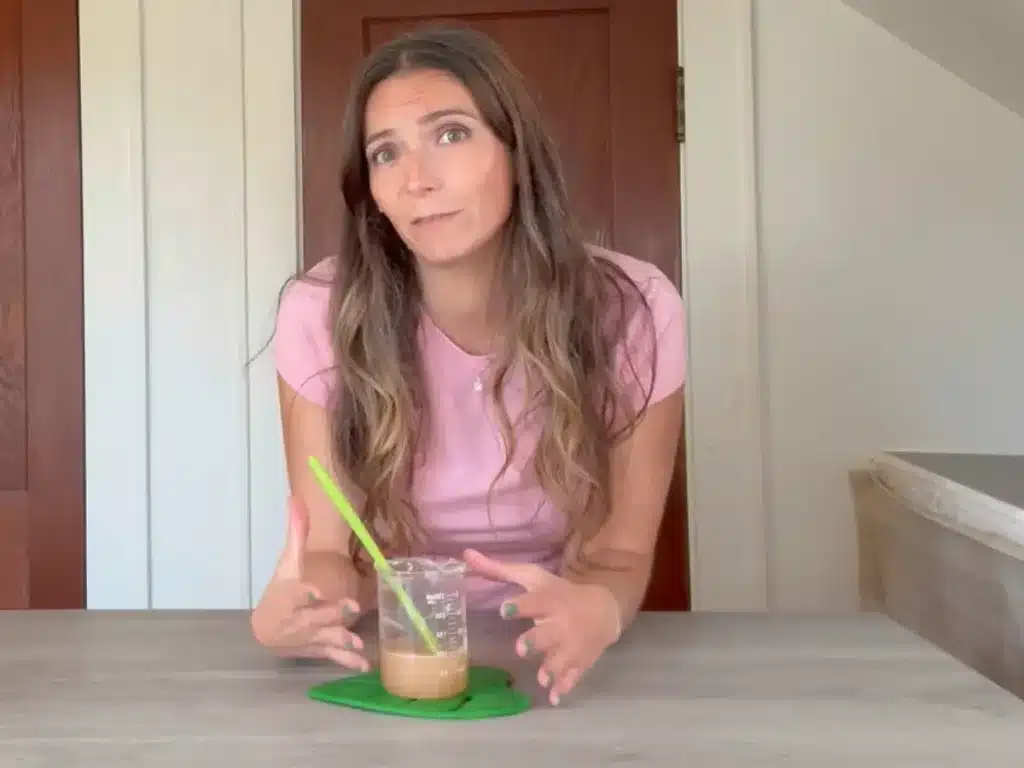
Before creating your own products, it’s important to understand how cosmetic formulas are written and why ingredients are measured by weight.
Start here if you’re new to formulation or have been following recipes but want to understand the calculations behind them.
- Percentages vs. Grams in Skincare Formulation: Learn the difference between percentages and gram measurements and why percentages are the foundation of cosmetic formulation.
- How to Convert a Recipe to a Formula: Learn how to turn an existing recipe into percentages so you can understand the proportions of each ingredient.
Step 2: Learn to Read, Calculate, and Scale Formulas
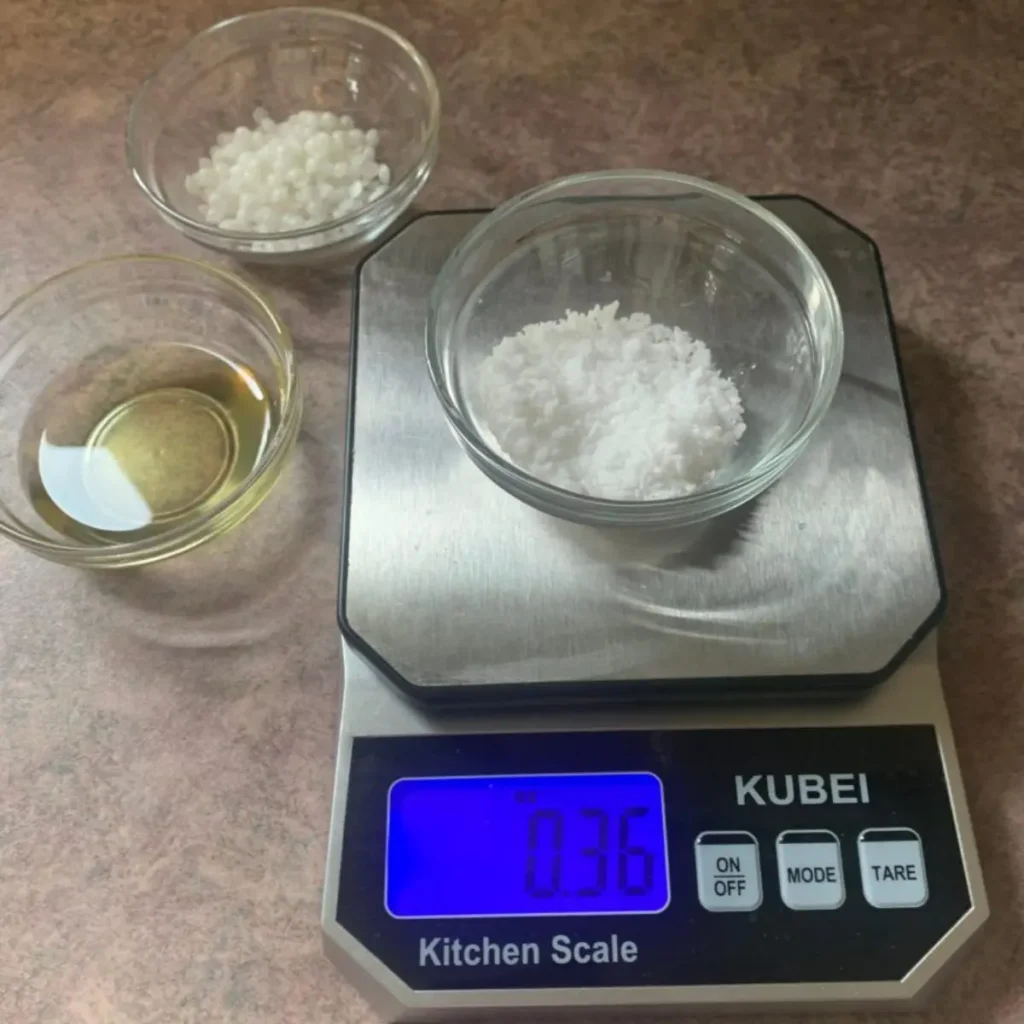
Once you understand percentages, the next step is learning how to work with a formula. These skills help you follow a formulation accurately, calculate ingredient weights, and make the same product in different batch sizes.
- How to Read a Skincare Formula for Beginners: Learn how to interpret a formula, understand its ingredients, and follow the information needed to make a product.
- How to Scale a Skincare Formula to Any Batch Size: Learn how to calculate ingredient weights for different batch sizes without changing the formula’s percentages.
Step 3: Understand Ingredients and Formulation Structure
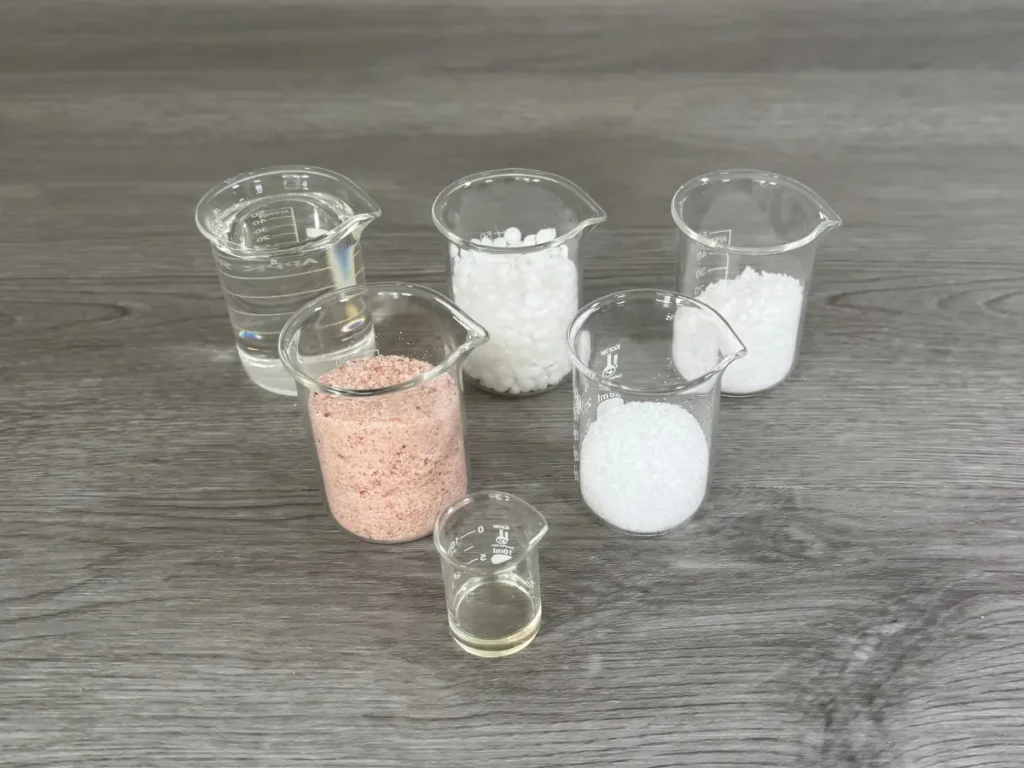
A successful skincare product depends on more than choosing ingredients that sound beneficial. You need to understand what each ingredient contributes and how the ingredients work together.
These guides introduce the building blocks of skincare formulation.
- What Each Ingredient Does in Skincare Formulation: Explore the different roles ingredients play in a formula and how to choose them for a specific purpose.
- Water vs. Oil in Skincare Formulation: Why Balance Matters: Understand the differences between water-based and oil-based ingredients and how they influence the structure of a product.
- What Is an Emulsifier in Skincare? Learn why emulsifiers are important when formulating lotions and creams that combine oil and water.
- Understanding Skincare Formulation Phases: How to Know What Goes Where: Learn how ingredients are grouped into phases and why the order and temperature of addition matter.
Step 4: Learn to Build Your Own Skincare Formula
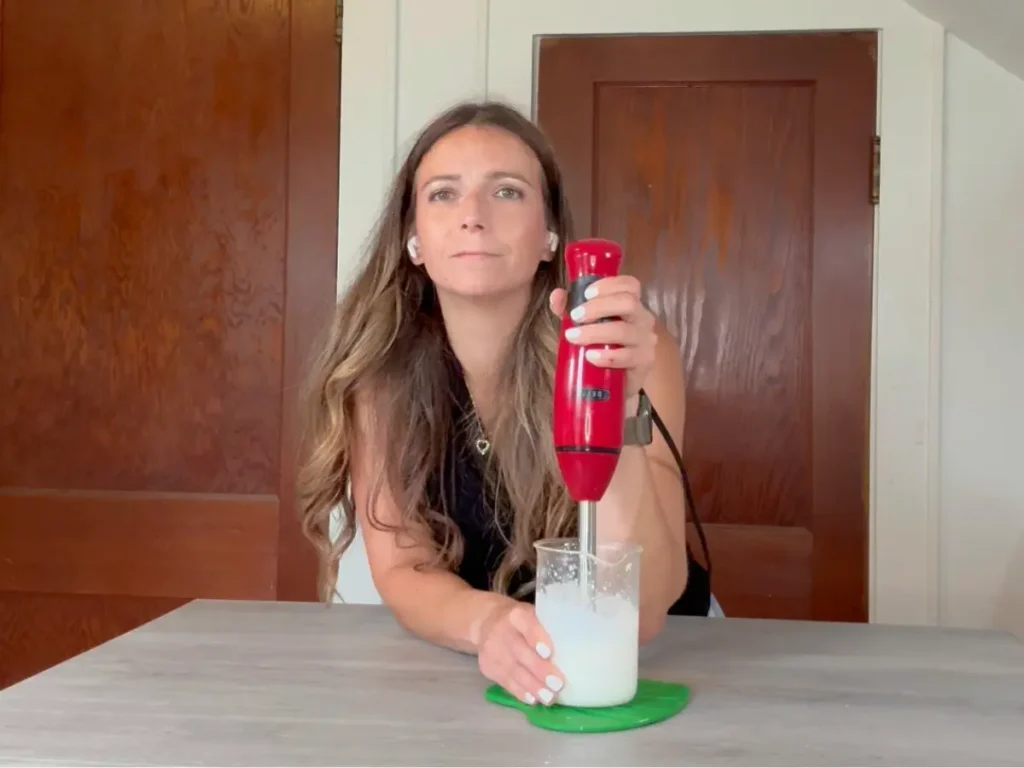
Now you can begin bringing these concepts together. Instead of simply copying an existing recipe, you’ll learn how to make decisions about ingredients, percentages, and the product you want to create.
- How to Build a Skincare Formula From Scratch: Follow the process of developing a formula, from defining your product goals to selecting ingredients and calculating percentages.
- Humectants, Occlusives and Emollients Explained: Understand three important ingredient functions and how they contribute to hydration, moisture retention, and skin feel.
As you work through these guides, remember that every ingredient should have a purpose. The goal is to create a formula in which the ingredients work together to achieve the result you want.
Step 5: Learn Preservation, pH, Testing, and Troubleshooting

Developing a formula doesn’t end when the ingredients are mixed together. You also need to understand preservation, ingredient compatibility, stability, and how to evaluate the finished product.
These topics will help you make more informed decisions as your formulation skills develop.
- Why Preservatives Matter in DIY Skincare: Learn why water-containing skincare products generally need an appropriate preservative system and why preservation is an essential part of formulation.
- How to Choose the Right Preservative for Homemade Skincare: Learn how to choose a preservative based on the product, usage requirements, pH range, and ingredient compatibility.
- How to Test and Adjust pH in Skincare Formulations: Understand when pH matters, how to measure it, and how to evaluate whether a formula is within its intended range.
- How to Change the Texture and Viscosity of Homemade Lotion: Explore the factors that affect thickness, spreadability, and skin feel, and learn how to approach adjustments methodically.
Learning to troubleshoot is an important part of becoming a formulator. Change one variable at a time, document your results, and evaluate the complete formula rather than assuming one ingredient is responsible for every problem.
Explore More Formulation Guides
Once you’ve worked through the main learning path, explore these additional topics to build your knowledge and develop your skills further.
- Thickeners in Skincare: What They Are and How They Work
- Surfactants in Skincare: What They Are and How They Work
- Formulation Phases for Anhydrous Skincare: Butters, Balms and Salves
- Why Is My Body Butter Grainy and How Do I Fix It? — Learn about a common texture problem and how to troubleshoot it.
You can also browse the Learn Formulation article collection to explore all the formulation guides in one place.
Ready to Get Started?
If you’re completely new to DIY skincare and aren’t sure which ingredients or equipment to buy, begin with my DIY Skincare for Beginners: Start Here guide.
If you’re ready to move beyond following recipes and start understanding how products are designed, begin with Step 1 above and work through the learning path at your own pace.