
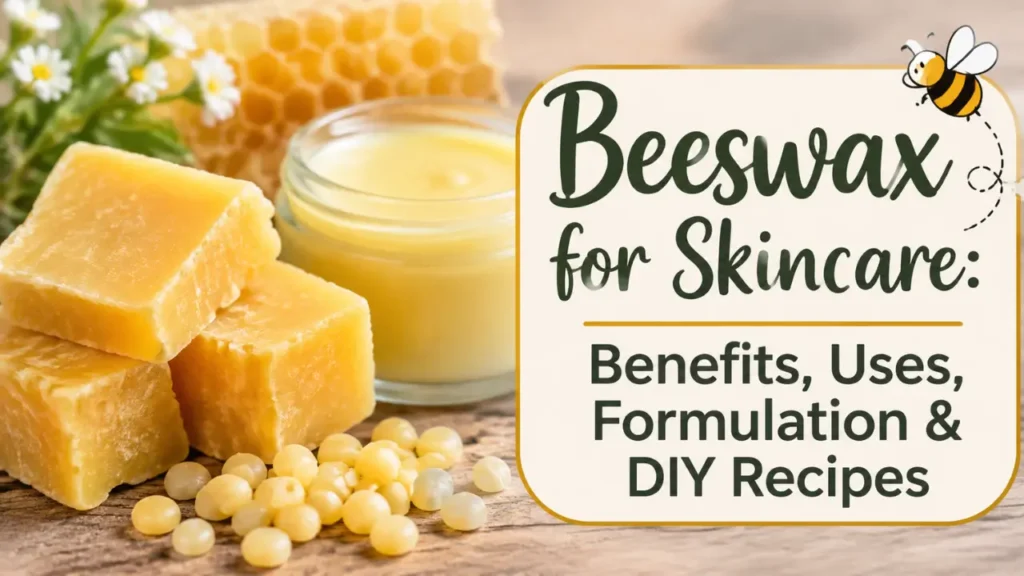
Beeswax is a versatile ingredient used in DIY skincare, lip balms, body care products, and candles. In skincare formulations, it helps thicken oils, add structure, and create a protective layer on the skin. It is especially useful when making products that need to hold their shape at room temperature.
If you are making lip balm, cuticle balm, lotion bars, or solid perfume, beeswax can help you achieve the consistency you want. However, using too much can make a product feel hard, drag across the skin, or become difficult to spread.
In this guide, we’ll look at what beeswax does, how to use it in your formulations, recommended usage rates, substitutions, and DIY recipes that use this ingredient.
What Is Beeswax?
Beeswax is a natural wax produced by honeybees. It is collected and processed for use in products such as cosmetics, skincare, candles, and personal care formulations.
In skincare, beeswax is valued primarily for its ability to thicken and harden anhydrous products. Anhydrous means a product does not contain water. Lip balms, cuticle balms, body balms, and solid perfumes are common examples.
Beeswax is available in yellow and white varieties. Yellow beeswax retains more of its natural color, while white beeswax has been processed to remove much of that color. Either may work in skincare formulations, depending on the desired appearance and the specifications of the material.
Beeswax is also used in candle making, although the properties you want from candle wax are different from those you need in a skincare formula.
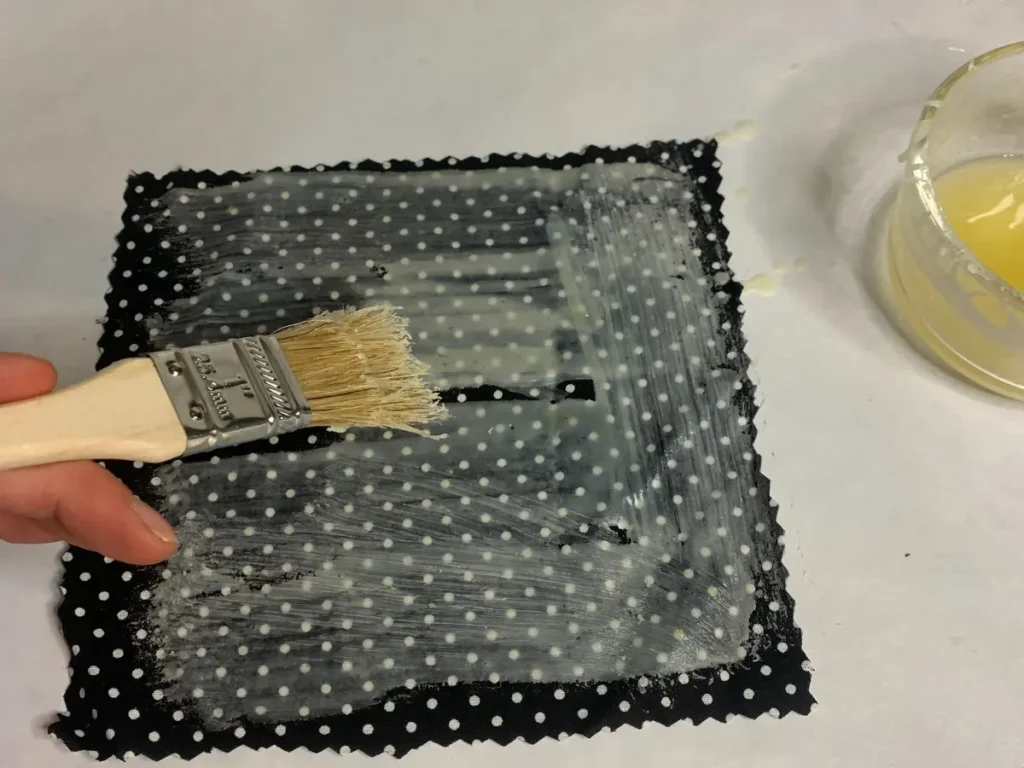
What Does Beeswax Do in Skincare?
Beeswax has several important functions in cosmetic formulations.
Thickens Oils and Adds Structure
One of the primary reasons to use beeswax is to turn liquid oils into a thicker, more solid product.
Liquid oils alone generally remain fluid at room temperature. Adding beeswax allows you to create a balm, stick, or solid perfume that holds its shape.
The amount of beeswax you use affects the final consistency. A higher percentage generally produces a firmer product, while a lower percentage produces a softer balm.
The other ingredients matter, too. A formula containing cocoa butter may be firmer than one made with the same amount of beeswax and a softer liquid oil blend.
Creates a Protective Layer on the Skin
Beeswax helps form a film on the skin that can reduce moisture loss. This makes it useful in products designed for dry lips, rough hands, and dry cuticles.
It is an occlusive ingredient, meaning it helps slow the evaporation of water from the skin. It does not add water to the skin, so it is often combined with ingredients that soften and condition the skin.
If you want to understand the differences between ingredients that attract water, soften skin, and reduce moisture loss, read my guide to Humectants, Occlusives, and Emollients Explained.
Improves the Texture of Balms and Sticks
Beeswax helps give products a more substantial texture and can make them easier to package and apply.
It is particularly useful in:
- Lip balms and lip masks
- Cuticle balms and cuticle creams
- Lotion bars
- Solid perfumes
- Body balms and protective salves
The ideal amount depends on how the finished product should feel. A lip balm needs to glide across the lips, while a lotion bar needs enough structure to remain solid until it touches the skin.
Helps Products Hold Their Shape
Beeswax has a higher melting point than many cosmetic butters and oils. This helps products remain solid at ordinary room temperatures.
However, beeswax does not make a product completely resistant to heat. A balm or lotion bar can still soften or melt in a hot car, near a heater, or in warm weather.
If you are developing a product for a particular container or climate, test the finished formula under realistic storage conditions.
Adds Texture to Candle Formulations
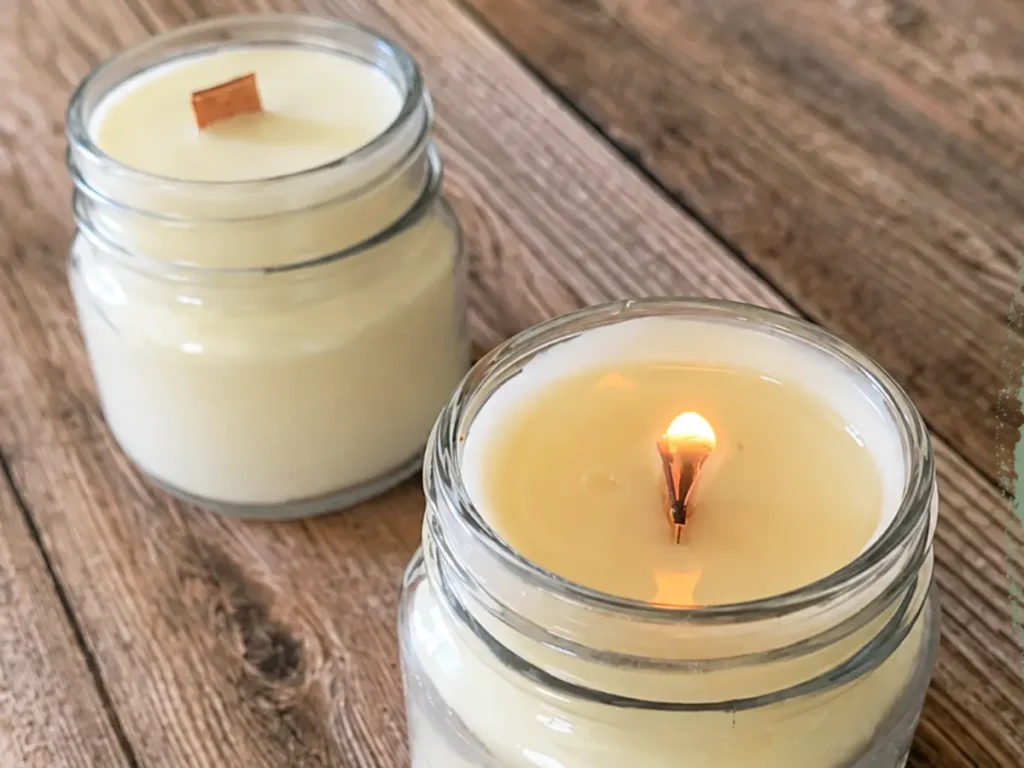
Beeswax is also used in candle making because it creates a firm wax with a naturally warm color and subtle honey-like aroma.
Candle formulations require different considerations from skincare products, including wick selection, fragrance compatibility, and burn testing.
For a separate candle project, see How to Make Candles With Beeswax.
How Much Beeswax Should You Use?
The correct amount of beeswax depends on the type of product you are making and the texture you want to achieve.
These are general starting ranges for experimentation, not universal formulation limits.
| Product type | Suggested starting range |
| Lip balm | 10–22% |
| Cuticle balm | 5–20% |
| Body balm | 5–15% |
| Lotion bars | 5–20% |
| Solid perfume | 10–25% |
Always formulate to 100% and adjust the other ingredients accordingly. Some products may need more or less beeswax depending on the oils, butters, and other waxes in the formula.
These ranges are starting points. The appropriate amount also depends on the finished product’s intended use, packaging, and performance.
What Happens If You Use Too Much Beeswax?
Too much beeswax can make a product:
- Hard and difficult to scoop out of a jar.
- Difficult to spread across the skin.
- Draggy or waxy during application.
- More resistant to melting when it touches the skin.
If your balm feels too hard, reduce the beeswax slightly and replace the removed percentage with a suitable liquid oil or another compatible ingredient.
What Happens If You Use Too Little Beeswax?
Too little beeswax can leave a product too soft to hold its shape, particularly in warm conditions.
For a balm or lotion bar that melts too easily, try increasing the beeswax in small increments. Remember that butters such as cocoa butter also contribute to firmness, so consider the entire formula rather than changing only one ingredient.
For consistent results, weigh ingredients rather than measuring them by volume.
If you are new to formulating by weight, read Percentages vs. Grams in Skincare Formulation.
How to Use Beeswax in a Formula
Beeswax is oil-soluble and is generally incorporated into the oil phase of a formulation.
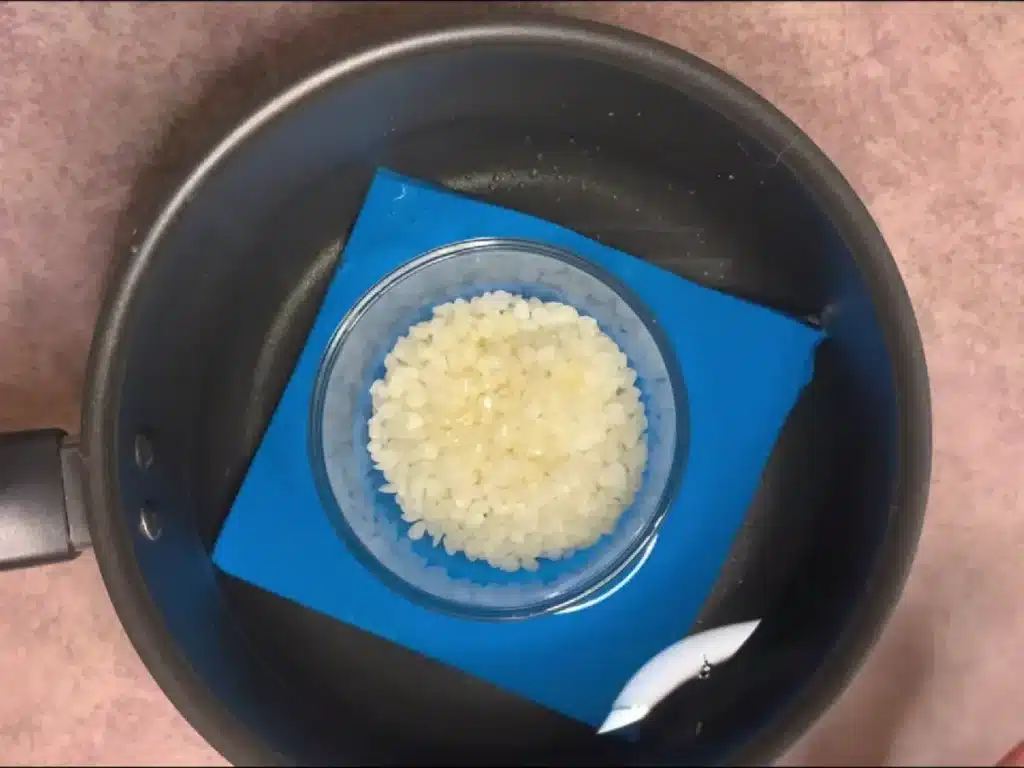
For a simple balm, you can combine beeswax with your liquid oils and butters, then heat gently using a double boiler until the beeswax has completely melted.
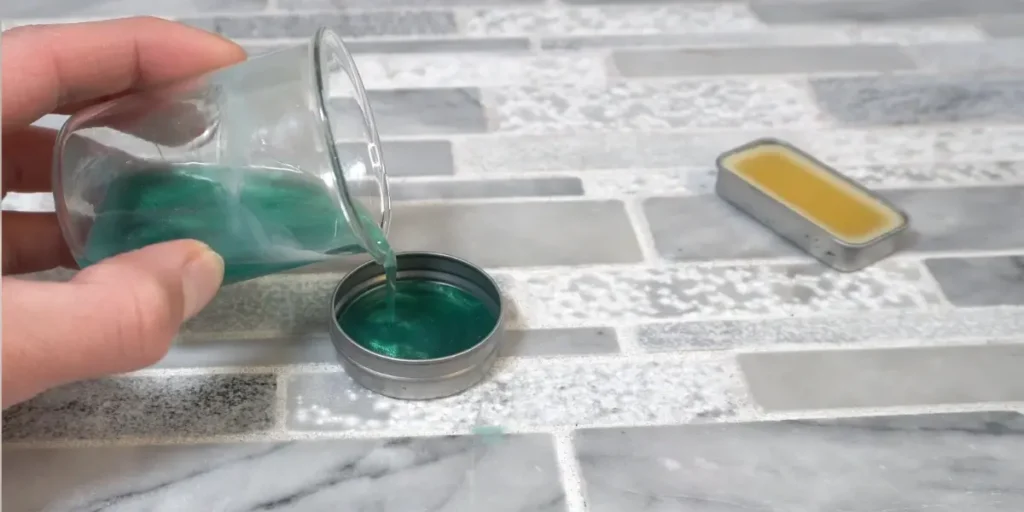
Stir to ensure the ingredients are combined. Remove the mixture from the heat, add any ingredients that need to be added during cooling, and pour into the final container while the formula is still fluid.
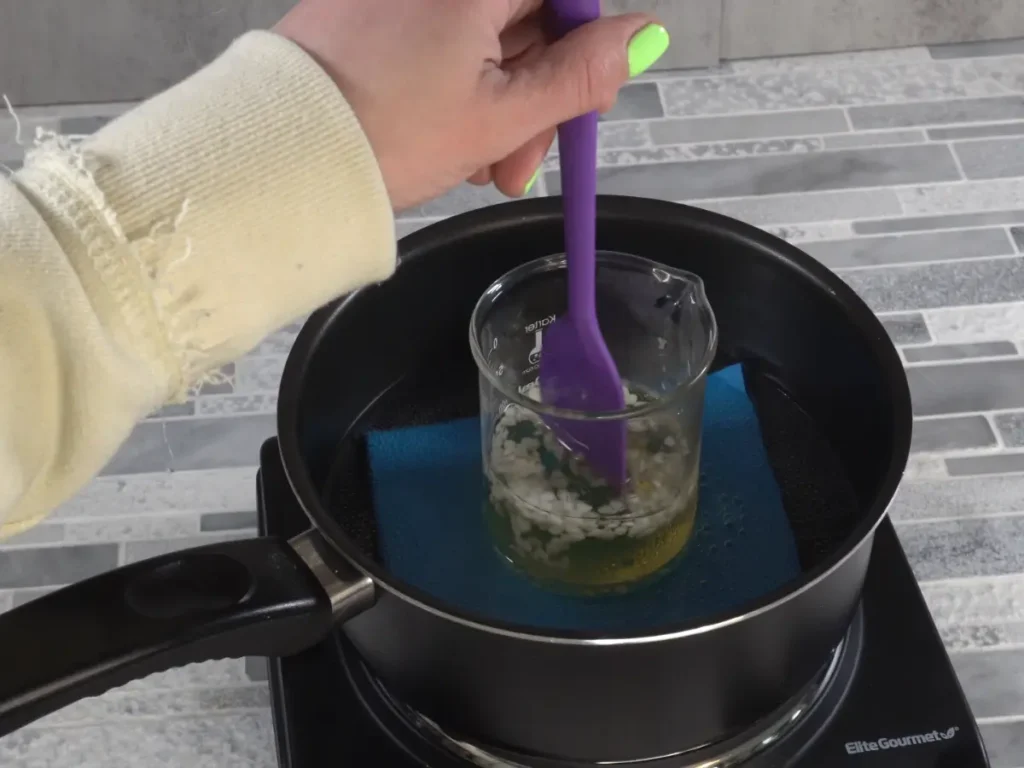
Allow the product to cool completely before evaluating its final consistency.
A few things to remember:
- Use gentle heat. Beeswax needs sufficient heat to melt completely, but avoid unnecessary overheating.
- Keep water out of anhydrous products. Water can introduce contamination and change the preservation requirements.
- Work efficiently. Beeswax begins to solidify as the mixture cools, so prepare your containers before pouring.
- Test the finished texture. Evaluate the product after it has cooled and set, rather than judging its consistency while it is still warm.
Can You Use Beeswax in Lotion?
Yes, but there is an important distinction.
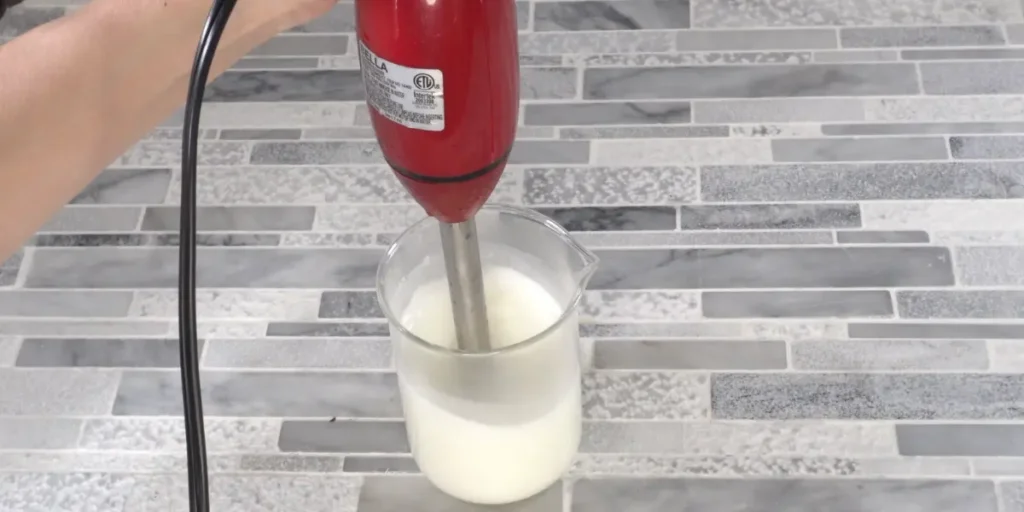
A lotion is an emulsion containing water and oil. Beeswax can influence the texture of a lotion, but beeswax is not a substitute for an emulsifier.
If you add oil and water together, beeswax alone will not reliably keep them mixed. A suitable emulsifier is needed to create a stable emulsion, along with an appropriate preservative for the water-containing product.
If you are learning how these ingredients work together, read:
- Emulsifiers in Skincare: What They Are and How They Work
- Why Some DIY Skincare Separates and How to Fix It
Beeswax Substitutions
If you do not have beeswax, you may be able to substitute another wax. However, waxes have different melting points, hardness, and effects on the finished product. They are not always interchangeable at the same percentage.
Candelilla Wax
Candelilla wax is a plant-derived alternative often used in vegan balms and solid perfumes. It is generally harder than beeswax, so you will usually need less candelilla wax to achieve a similar level of firmness.
Start with a lower percentage and test the result. You may also need to adjust the liquid oil content.
For a practical example, see How to Make Solid Perfume Without Beeswax.
Carnauba Wax
Carnauba wax is another plant-derived wax. It is considerably harder than beeswax and has a high melting point.
It may work in certain sticks and solid products, but it is not a straightforward one-to-one replacement. Use a small amount when experimenting and evaluate the finished texture carefully.
Can You Replace Beeswax With Shea Butter or Cocoa Butter?
Not directly.
Shea butter and cocoa butter can add firmness and structure, but they behave differently from waxes. Replacing beeswax entirely with a butter will generally produce a different texture and may make the product softer in warm conditions.
For better results, reformulate the product rather than simply exchanging equal weights.
Beeswax vs. Other Waxes
| Ingredient | Main characteristics | Common uses |
| Beeswax | Adds structure and a protective feel; naturally yellow or available in white | Lip balms, body balms, lotion bars |
| Candelilla wax | Plant-derived and generally harder than beeswax | Vegan balms, solid perfumes |
| Carnauba wax | Very hard, high-melting-point wax | Certain sticks and firm cosmetic products |
| Soy wax | Plant-derived wax used primarily in candle making; properties vary by grade | Candles and selected wax applications |
Choose a wax based on the intended product. Candle waxes are not automatically suitable for skin applications, and cosmetic waxes are not automatically suitable for candle making.
DIY Recipes That Use Beeswax
One of the easiest ways to understand beeswax is to see how it behaves in different formulations. These Summer Rain DIY projects use beeswax to create structure, firmness, or a protective texture.
DIY Lip Balm
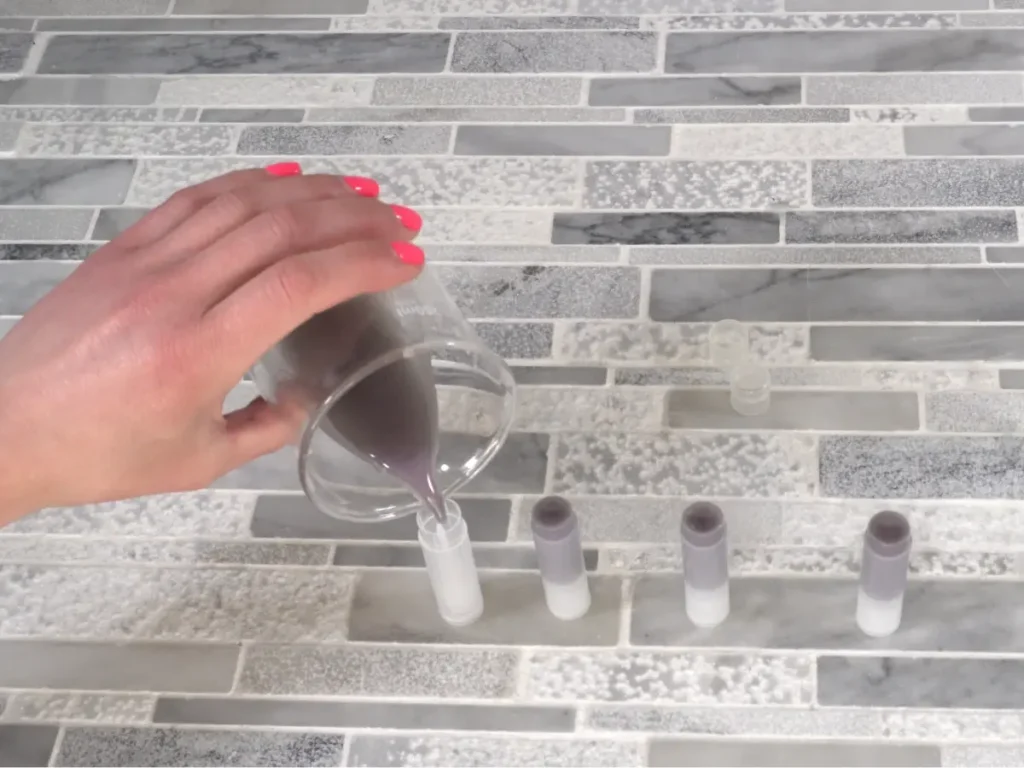
This recipe combines beeswax with cocoa butter, shea butter, and olive oil. The wax helps the balm hold its shape, while the butters and oil contribute to its texture and glide.
It is a useful starting point for understanding how wax, butter, and liquid oil work together in a simple anhydrous formula.
DIY Cuticle Balm
This cuticle balm uses beeswax alongside jojoba oil, mango butter, lanolin, and sweet almond oil.
The beeswax provides structure and helps form a protective layer, while the oils and butter soften the cuticles and improve spreadability.
DIY Cuticle Cream
This is another example of beeswax being used in a protective nail-care product. It helps create a thicker consistency that stays on the cuticles rather than behaving like a thin oil.
DIY Lotion Dots
Learn How to Make Your Own Lotion Dots
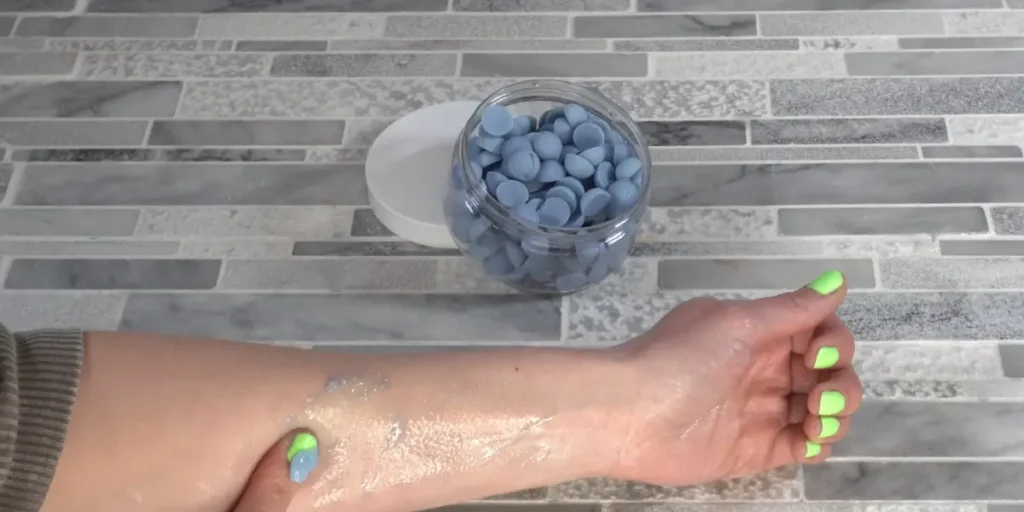
Lotion bars rely on solid ingredients to remain firm at room temperature and soften with the warmth of your skin.
Beeswax can be used to adjust firmness, although the exact balance depends on the butters and oils in the formula.
DIY Lip Mask
How to Make a Nourishing Lip Mask
This lip mask uses beeswax with castor oil, jojoba oil, and MCT oil. The wax helps give the product structure, while the oils contribute to its smooth, conditioning feel.
DIY Solid Perfume
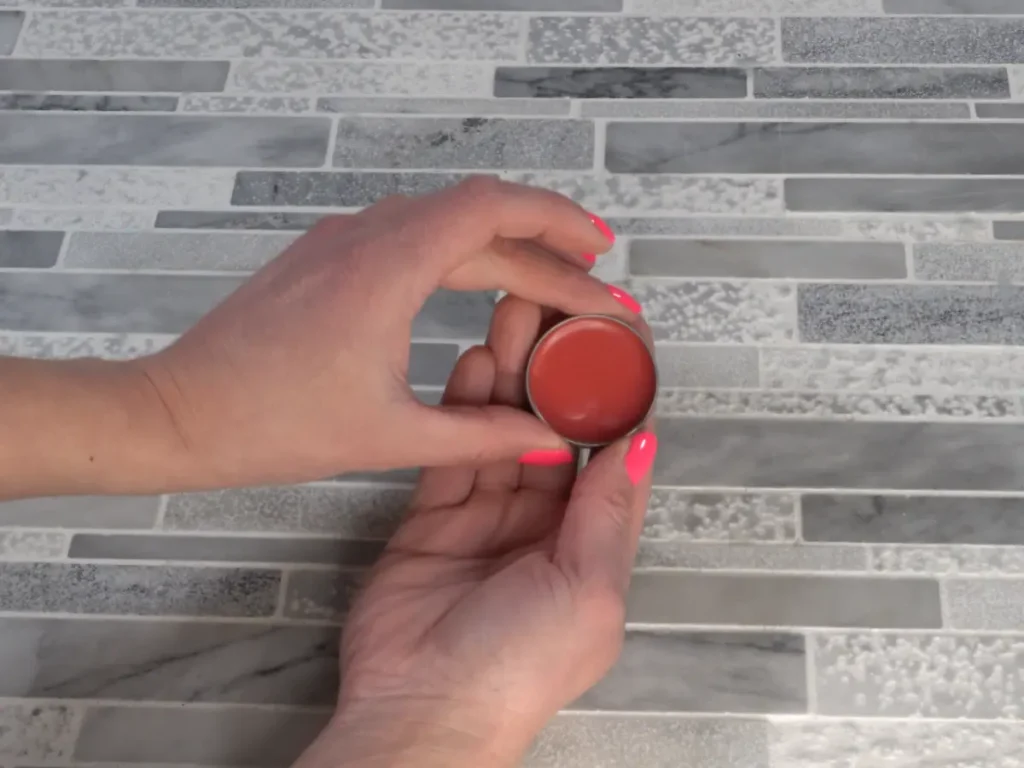
Beeswax helps transform the oil-based fragrance into a solid product that is easy to carry and apply.
You can also compare it with the vegan solid perfume recipe without beeswax to see how changing the wax affects the formulation.
Beeswax Candles
How to Make Candles With Beeswax
Outside skincare, beeswax can be used in candle formulations. This project combines beeswax with coconut oil and eucalyptus essential oil.
Remember that candle formulations need their own testing and safety considerations.
How to Choose Beeswax
When buying beeswax for DIY skincare, look for material intended for cosmetic or personal care use, with clear information about its identity and quality.
Consider the following:
- Yellow or white: Choose based on the color you want in the finished product.
- Pellets, pastilles, or blocks: Smaller pieces are generally easier to weigh and melt than large blocks.
- Intended use: Check that the material is suitable for your application, especially when making products for the lips.
- Product documentation: Review available specifications and quality information.
Beeswax has its own natural color and aroma, which can affect the appearance and scent of a finished formula. If you are making a white or lightly colored product, white beeswax may be preferable.
Frequently Asked Questions About Beeswax
Is beeswax good for the skin?
Beeswax is useful in formulations designed to soften and protect the skin. It forms a film that helps reduce moisture loss and gives balms a thicker consistency. Its suitability depends on the complete formulation and the individual using the product.
Does beeswax moisturize the skin?
Beeswax does not hydrate the skin by adding water. Instead, it helps reduce moisture loss by forming a protective layer. It is commonly combined with emollient oils and butters to improve the feel of a product.
Is beeswax an emulsifier?
No. Beeswax can thicken an oil phase and affect the texture of a formulation, but it is not a reliable emulsifier for keeping water and oil mixed. Use an appropriate emulsifier for lotions and creams.
Is beeswax vegan?
No. Beeswax is produced by honeybees and is an animal-derived ingredient. Candelilla wax is a common plant-derived alternative for people developing vegan formulations.
Can I use beeswax in lip balm?
Yes. Beeswax is widely used in lip balms because it helps the product hold its shape and creates a protective layer on the lips. Use ingredients suitable for lip products, including lip-safe flavorings and colorants where applicable.
Why is my beeswax balm too hard?
The formula may contain too much wax relative to the liquid oils and butters. Try reducing the beeswax slightly and replacing the difference with a compatible liquid oil. Make small adjustments and test the cooled product before making a larger batch.
Does beeswax need a preservative?
A simple, genuinely anhydrous beeswax balm does not automatically require a conventional broad-spectrum preservative. However, it must be manufactured and packaged hygienically, and water must be kept out of the finished product.
Vitamin E is an antioxidant that can help slow oxidation of oils, but it is not a preservative and does not protect a water-containing product from microbial growth. Any formula containing water needs an appropriate preservation strategy.
Final Thoughts
Beeswax is a useful ingredient for DIY formulators because it adds structure, improves the texture of anhydrous products, and helps create a protective feel on the skin.
It is especially valuable in lip balms, cuticle balms, lotion bars, and solid perfumes. The key is to balance the amount of wax with the oils and butters in your formula so the finished product is firm enough to hold its shape but still comfortable to use.
If you are building your formulation skills, start with a simple balm and make small, measured changes to see how the beeswax percentage affects the finished texture.
For more help getting started, visit my DIY Skincare for Beginners guide.
Related formulation guides: