
When formulating lotions, creams, or other skincare products, it’s essential to understand how ingredients work to moisturize the skin. Effective moisturizing isn’t just about adding water or oils—it’s about using the right balance of ingredients that support hydration and protect the skin barrier.
All moisturizers are built using three main types of ingredients:
- Humectants
- Occlusives
- Emollients
Understanding how each one works will help you create more effective products, avoid common formulation mistakes, and feel confident when making your own skincare at home.
DIY lotions, creams, and body butters
Why Understanding Moisturizers Matters in Skincare Formulation
If you’ve ever made a lotion that felt sticky, greasy, or stopped moisturizing after a short time, ingredient balance is usually the reason. Knowing the difference between humectants, occlusives, and emollients helps you formulate products that actually work—especially for dry or sensitive skin.
This knowledge is especially important when creating:
- Lotions and creams
- Body butters
- Face lotions
- Lip balms
Humectants
Humectants
What Are Humectants?
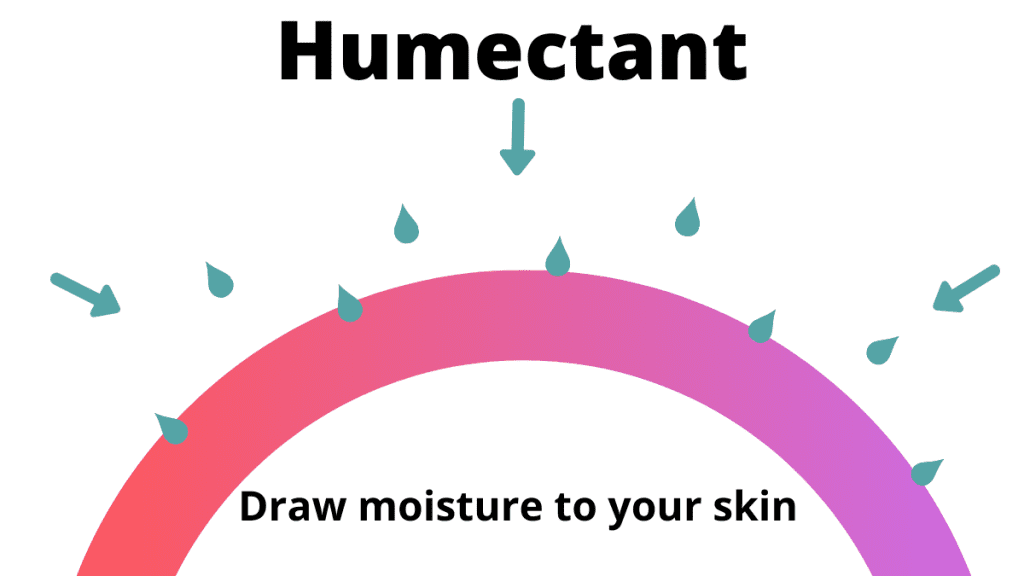
Humectants are essential ingredients when formulating for dry or dehydrated skin. Their main role is to draw moisture to the skin, helping increase hydration levels.
On their own, humectants often feel sticky or tacky, which is why they’re almost always paired with emollients and occlusives in well-balanced formulations.
Humectants are commonly used in:
- Lotions and creams
- Face products
- Wash-off products like body washes and face washes
How Do Humectants Work?
Humectants attract moisture by pulling it:
- From the surrounding air
- From deeper layers of the skin
This moisture is drawn to the surface of the skin, helping it look plump and hydrated.
If you’re just getting started with formulation, my Skincare Formulation for Beginners guide explains how different ingredient types fit into a complete formula.
Commonly Used Humectants
Occlusives
What Are Occlusives?
The skin is semi-permeable, meaning moisture can easily escape if it isn’t protected. Drawing moisture to the skin doesn’t help much if it evaporates quickly.
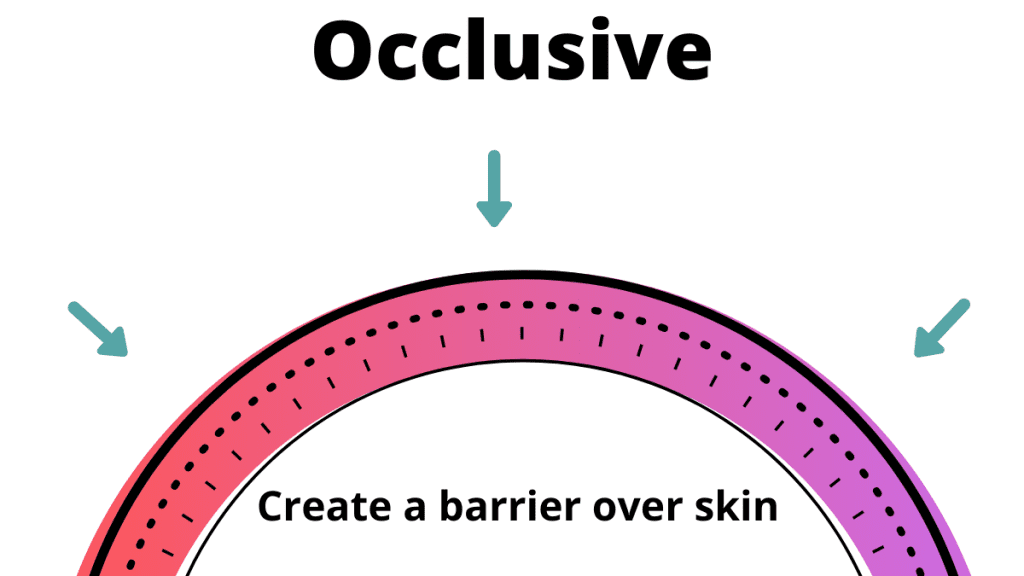
Occlusives solve this problem by creating a protective barrier on the surface of the skin. This barrier locks in moisture and helps shield the skin from:
- Environmental irritants
- Allergens
- Moisture loss
Occlusives are especially useful in:
- Body butters
- Lip balms
- Foot care products
How Do Occlusives Work?
Occlusives work by forming a layer between the skin and the air, reducing transepidermal water loss (TEWL) and preventing moisture from escaping.
Not all occlusives perform the same. Their effectiveness depends on molecule size:
- Larger molecules stay on the skin longer and provide stronger moisture protection
- Smaller molecules feel lighter but don’t seal as effectively
Because larger occlusives can feel thick or waxy, they’re usually used in small amounts to balance performance and skin feel.
Commonly Used Occlusives
- Beeswax
- Cocoa Butter
- Lanolin
- Petroleum
Emollients
What Are Emollients?
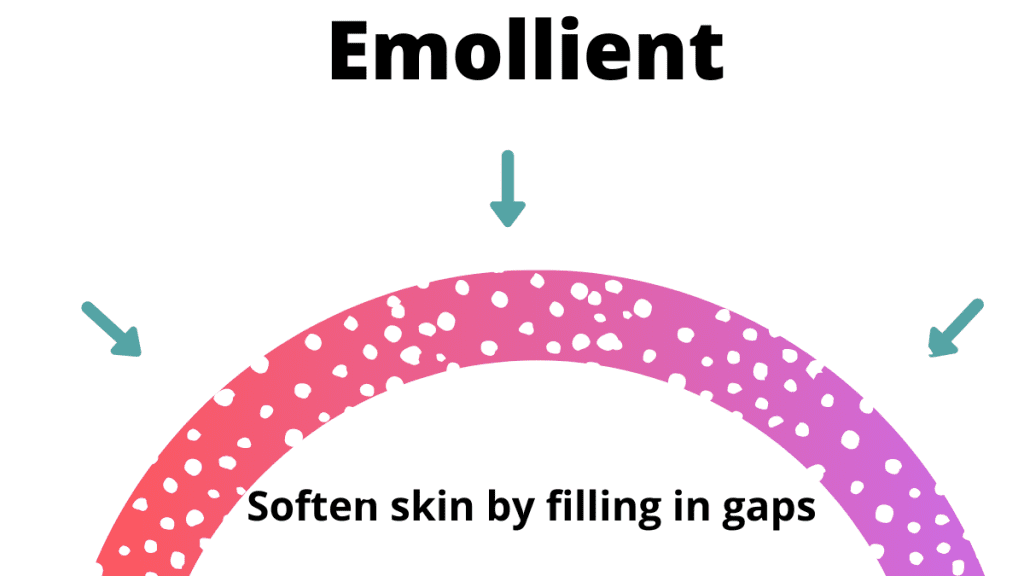
Emollients are ingredients that soften, smooth, and condition the skin. Many emollients feel great on their own, which is why they’re often sold as standalone products.
They play a major role in improving how a product feels and spreads on the skin.
Emollients are commonly used in:
- Lotions and creams
- Body oils and butters
- Face products
How Do Emollients Work?
Emollients soften the skin by filling in the gaps between skin cells, improving texture and flexibility. They are usually lightweight, oil-based ingredients that help condition and protect the skin.
Commonly Used Emollients
Humectants vs Occlusives vs Emollients
Each type of ingredient plays a unique role in skincare formulation:
- Humectants draw moisture into the skin
- Emollients soften and smooth skin texture
- Occlusives seal in moisture and protect the skin barrier
Most effective moisturizers contain all three.
You’ll see this balance clearly in well-formulated products like lotions, creams, and body butters.
Double-Duty Ingredients in Skincare
Many skincare ingredients can perform more than one role. Some butters and oils act as both emollients and occlusives, depending on how they’re used in a formulation.
Learning which ingredients can do double duty helps you:
- Simplify formulations
- Customize textures
- Create more effective products
This is especially helpful when creating products like:
- Lip balms
- Body butters
- Face creams
Can an Ingredient Have More Than One Job?
Yes! Ingredients don’t always fit neatly into just one category.
For example, some oils and butters can provide emollient properties while also contributing some occlusive qualities. That’s one reason it’s important to look at the overall formula rather than assuming that every ingredient has only one job.
This is also why understanding what each ingredient does can be so helpful when you’re learning to formulate.
Final Thoughts
Now that you understand how humectants, occlusives, and emollients work, you’ll be able to formulate skincare products more confidently and intentionally.
Whether you’re making lotions, creams, body butters, or lip balms, understanding ingredient function is the foundation of successful skincare formulation.
If you’re ready to put this knowledge into practice, explore my DIY body and skin care recipes to see how these ingredients work together in real formulations.
Pingback: Double-Duty Ingredients in Skincare Formulation (And Why They Matter) - Summer Rain
Pingback: Water vs Oil in Skincare Formulation: Why Balance Matters - Summer Rain
Pingback: DIY Shimmer Lotion Recipe: The Secret to Soft, Glowing Skin (No Glitter Required) - Summer Rain
Pingback: Cocoa Butter for Skin: Benefits & DIY Recipes - Summer Rain
Pingback: Emulsifying Wax NF: How to Use it - Formulation Guide - Summer Rain