
Arrowroot powder is a popular ingredient in DIY skincare, especially in body butters, where it helps reduce the greasy feeling that can come from using oils and plant butters. It is a fine, plant-derived starch that can improve the skin feel of anhydrous products without requiring complicated ingredients.
If you enjoy making homemade body butter but wish it felt a little less oily, arrowroot powder is an ingredient worth understanding.
In this guide, we’ll cover what arrowroot powder does, how to use it in DIY skincare, how much to add, and what to know before incorporating it into your own formulas.
Arrowroot Powder at a Glance
| Arrowroot Powder | |
|---|---|
| INCI Name | Maranta Arundinacea Root Powder |
| Ingredient Type | Plant-derived starch / texture modifier |
| Appearance | Fine, white powder |
| Solubility | Insoluble in oil and water; dispersible in oils |
| Skin Feel | Soft, silky and powdery |
| Common Uses | Whipped body butter, body butter bars, balms and oil-based body care products |
| Oil Phase | Yes, typically dispersed into melted oils and butters |
| Natural Aroma | Generally neutral |
| Best Known For | Reducing the greasy feel of body butter and creating a softer finish |
What Is Arrowroot Powder?
Arrowroot powder is a starch obtained from the rhizomes of certain tropical plants. It is commonly used as a thickening ingredient in cooking, but it also has applications in cosmetic formulations.
In skincare, arrowroot powder is valued for its fine texture and ability to absorb some of the oil on the skin’s surface. It can help give rich, oil-based products a softer, less greasy finish.
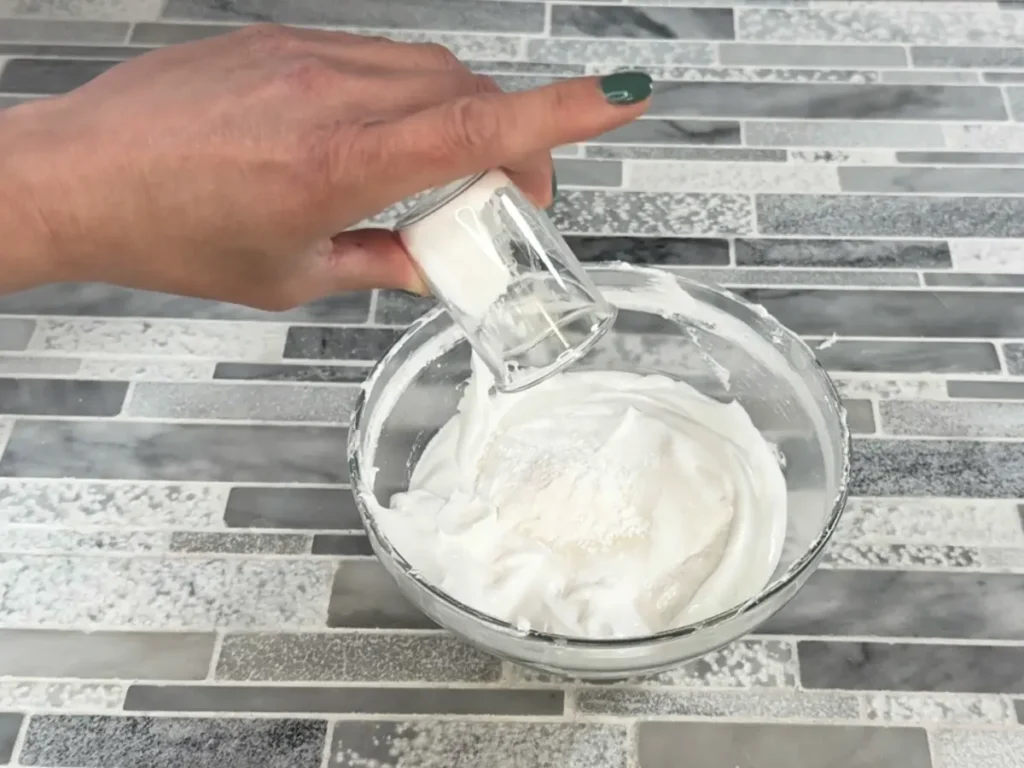
You may also see it called arrowroot starch or Maranta arundinacea root powder, depending on the product and labeling.
When purchasing arrowroot powder for DIY skincare, choose a product suitable for cosmetic use or one with appropriate ingredient identification and quality information.
What Does Arrowroot Powder Do in Skincare?
Arrowroot powder is primarily used to improve texture and skin feel. It is not an emulsifier, preservative, or replacement for moisturizing oils.
1. Reduces the Greasy Feeling of Body Butter
This is one of my favorite uses for arrowroot powder.
Body butters contain oils and plant butters, which soften the skin but can also leave an oily residue. Arrowroot powder helps absorb some of that surface oil, making the finished product feel less greasy.
It won’t make an oil-based body butter feel exactly like a lotion, but it can make a noticeable difference in the way the product spreads and feels after application.
2. Creates a Softer, More Powdery Finish
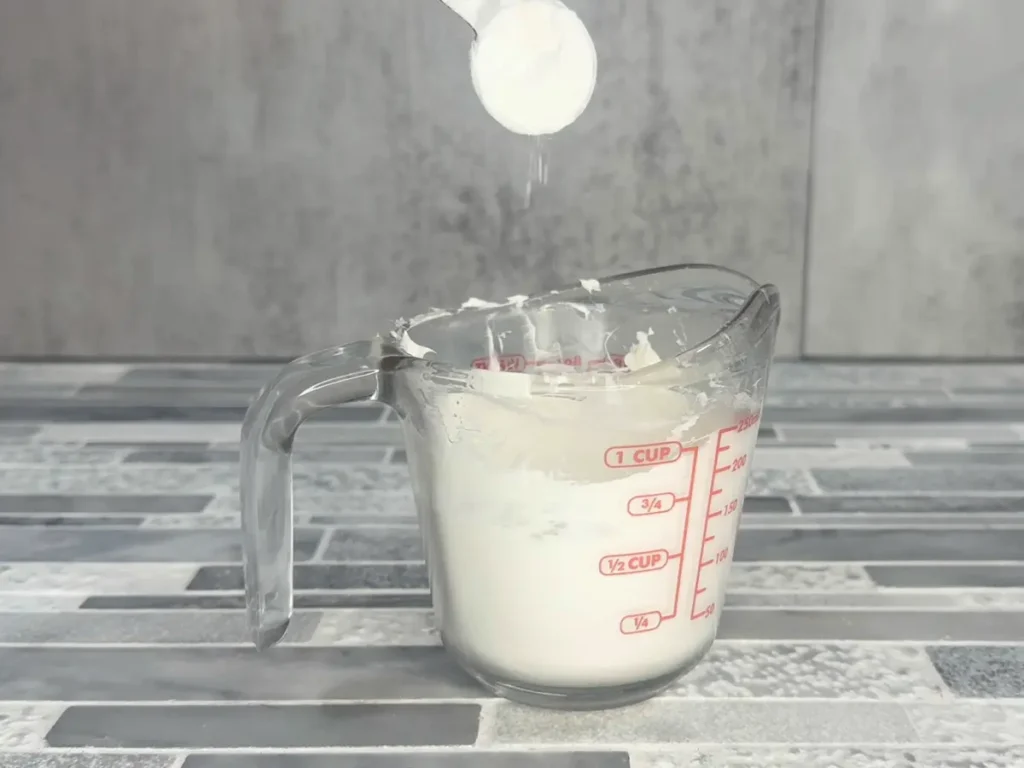
Arrowroot powder can give a body butter a softer, more velvety finish. This is particularly helpful when formulating products that contain a high percentage of rich butters.
The amount you use will affect the final result. Too little may not make much difference, while too much can leave the product feeling powdery or draggy when rubbed into the skin.
3. Absorbs Some Surface Oil
Starches can absorb some oils and moisture at the skin’s surface. This can help reduce the shiny, oily feeling associated with some oil-based products.
However, arrowroot powder does not prevent the skin from losing water in the same way an occlusive ingredient can. It also doesn’t replace the emollient properties of the oils and butters in your formula.
4. Improves the Feel of Anhydrous Products
Arrowroot powder is especially useful in anhydrous products, meaning products made without water.
Examples include:
- Whipped body butter
- Body butter bars
- Certain balm formulations
- Some oil-based body care products
It is generally easiest to work with in formulas where the powder can be thoroughly dispersed throughout the oils and butters.
How to Use Arrowroot Powder in DIY Body Butter
Arrowroot powder is typically added to the oil phase or dispersed into the melted oils and butters before the product is whipped.
For a whipped body butter, the basic process is:
- Weigh your oils and butters according to your formula.
- Melt the ingredients that need to be melted.
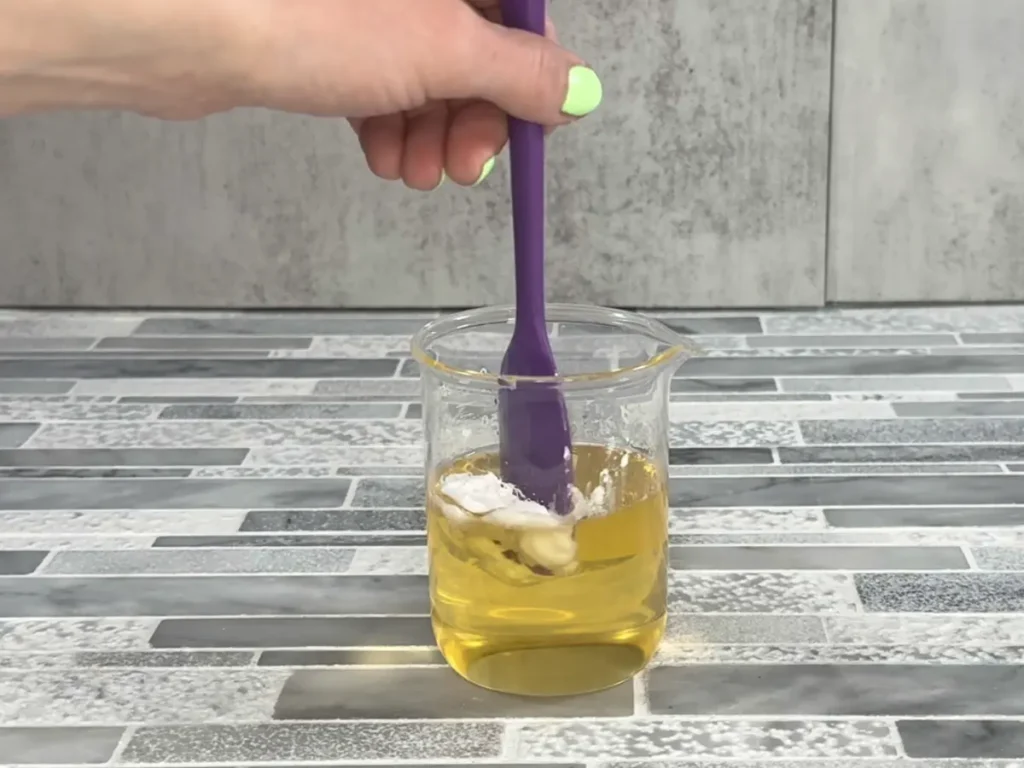
- Add the arrowroot powder and mix thoroughly to break up clumps.
- Cool the mixture until it begins to thicken.
- Whip the mixture as directed by your recipe.
- Add any appropriate cool-down ingredients and mix until evenly distributed.
Make sure the powder is fully incorporated. Clumps can create an uneven texture and leave concentrated patches of powder in the finished product.
If you are adding arrowroot powder to an existing formula, start with a small adjustment and evaluate the final texture before making larger changes.
How Much Arrowroot Powder Should You Use?
There isn’t one ideal percentage for every product. The appropriate amount depends on the oils, butters, desired consistency, and overall skin feel.
For anhydrous body butter, a small amount is often enough to start experimenting with the finish. A practical starting point is around 1% of the total formula, followed by small adjustments if needed.
For example, a 100 g body butter containing 1% arrowroot powder would use:
| Ingredient | Percentage | Weight |
| Arrowroot powder | 1% | 1 g |
| All other ingredients combined | 99% | 99 g |
| Total | 100% | 100 g |
This is an example of how to calculate the amount, not a complete body butter formula.
When modifying an existing formula, remember that all ingredients must still total 100%. If you increase the arrowroot powder, reduce another ingredient accordingly rather than simply adding extra powder on top of the original formula.
For help with scaling and adjusting recipes, read How to Convert a Recipe to a Formula.
Arrowroot Powder vs. Cornstarch
Cornstarch is a possible substitute for arrowroot powder in some anhydrous body butter recipes.
Both are starches that can help absorb surface oil and modify the feel of a product. However, they may not produce exactly the same texture.
Arrowroot powder is often favored for its fine, silky feel, while cornstarch may feel different depending on the grade and formulation.
If you substitute one for the other, test a small batch first. Pay attention to how easily the powder disperses, whether the finished product feels powdery, and how it spreads across the skin.
Neither ingredient should be assumed to be a direct substitute in every cosmetic formula.
Can You Use Arrowroot Powder in Lotion?
Arrowroot powder is not generally needed in a conventional lotion formula. Lotions are emulsions containing water and oil, and their texture is usually controlled through the emulsifier, fatty alcohols, thickeners, and the balance of the water and oil phases.
Adding starch to a water-containing product can affect its viscosity, stability, and preservation requirements. It may also create a different texture than you expect.
If you want a lighter, less greasy moisturizer, consider adjusting the oil phase or choosing an appropriate emollient rather than automatically adding arrowroot powder.
You can learn more about how these ingredients work together in Humectants, Occlusives and Emollients Explained and Emulsifiers in Skincare: What They Are and How They Work.
Does Arrowroot Powder Preserve Body Butter?
No. Arrowroot powder is not a preservative.
A traditional body butter made entirely from oils and butters does not contain an intentional water phase, so it generally does not require a conventional broad-spectrum preservative. However, that does not make it immune to contamination. Water introduced through wet fingers, contaminated equipment, or other sources can create problems.
Arrowroot powder does not protect a product against bacteria, yeast, or mold.
For lotions and other products containing water, use a suitable broad-spectrum preservative as part of a properly formulated product. Learn more in my guide to Why Preservatives Matter in DIY Skincare.
Common Problems When Using Arrowroot Powder
My Body Butter Still Feels Greasy
Arrowroot powder can help reduce the oily finish, but it won’t eliminate the natural feel of oils and butters.
You can experiment with a slightly higher starch percentage or adjust the liquid oils and harder butters to improve the skin feel. A lighter-feeling oil may also help.
If you want a moisturizer that feels less oily overall, consider making a lotion or emulsified body butter instead.
My Body Butter Feels Powdery
You may be using more arrowroot powder than your formula needs. Reduce the percentage and test another small batch.
The type of oils and butters in your formula can also affect how noticeable the powder feels.
My Body Butter Has Lumps
The powder may not have dispersed evenly. Mix it thoroughly into the melted oils and butters, scraping the sides and bottom of your container as needed.
Sifting the powder before adding it may also help break up clumps.
My Body Butter Is Too Soft
Arrowroot powder is not a substitute for a structuring ingredient. It may modify the texture, but it will not reliably firm up a body butter in the same way that changing the balance of hard butters or waxes can.
For a firmer product, adjust the formula’s structure and test the finished product at the temperatures where it will be stored and used.
DIY Recipes That Use Arrowroot Powder
The following Summer Rain DIY recipes are useful examples of how powders can be incorporated into oil-based skincare.
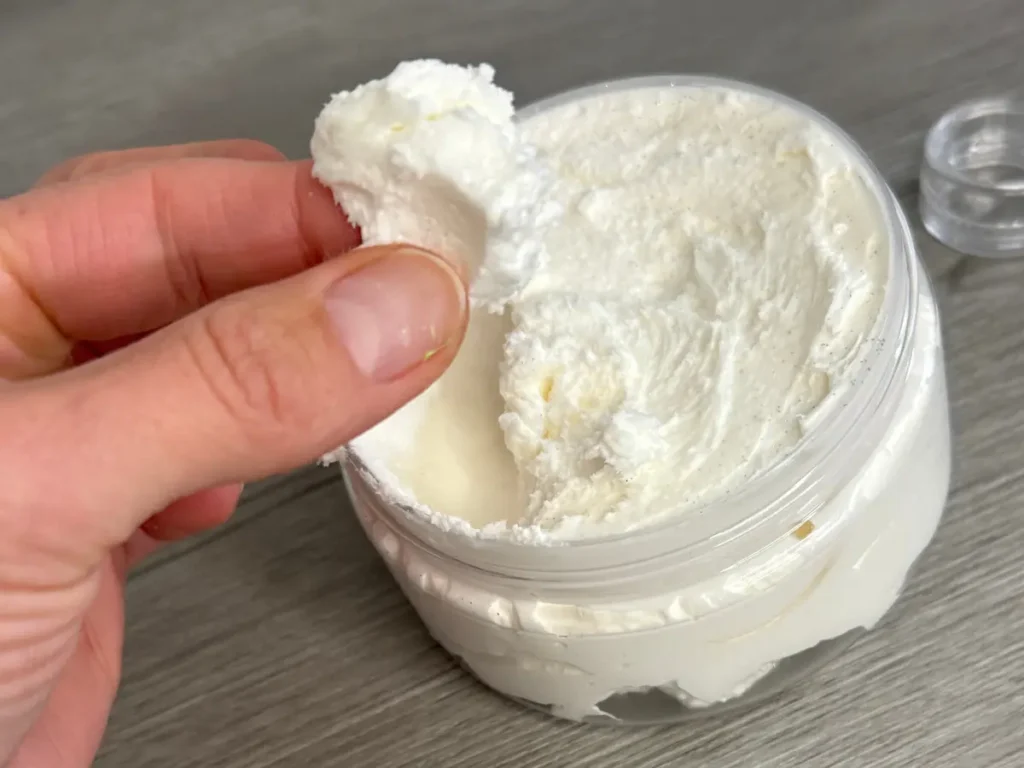
DIY Whipped Body Butter
This recipe uses arrowroot powder to help reduce the greasy feeling of a rich blend of shea butter, cocoa butter, and grapeseed oil.
The formula includes 1% arrowroot powder, making it a practical starting point if you want to see how a small amount of starch affects a whipped body butter.
Whipped Body Butter
Read the Whipped Body Butter Recipe
This is another example of how a starch can be used in an anhydrous body butter. Note that the current formula lists tapioca starch rather than arrowroot powder. The two ingredients can serve similar formulation purposes, but they may not produce identical results.
More Body Butter Formulation Ideas
This recipe is useful if you want a rich, creamy moisturizer with a different skin feel from a traditional oil-only body butter. It uses water, an emulsifier, and cetyl alcohol rather than relying on arrowroot powder to modify the finish.
For more beginner-friendly projects, visit DIY Skincare for Beginners: Start Here.
Frequently Asked Questions About Arrowroot Powder
Is arrowroot powder good for sensitive skin?
Arrowroot powder is used in some cosmetic products, but no ingredient is guaranteed to suit everyone. Choose an appropriate cosmetic-grade product and patch test your finished formulation before regular use.
Does arrowroot powder moisturize skin?
Arrowroot powder is primarily used to absorb some surface oil and improve texture. Oils and butters provide much of the emollient effect in a traditional body butter.
Can I replace arrowroot powder with tapioca starch?
Sometimes. Both can be used to modify the feel of certain oil-based products, but they may differ in texture and performance. Test the substitution in a small batch rather than assuming the results will be identical.
Can I add arrowroot powder to any skincare recipe?
No. It is most straightforward to use in anhydrous products such as body butters. In water-containing products, starch can affect stability and preservation, so the complete formula needs to be evaluated.
Is arrowroot powder the same as arrowroot extract?
Not necessarily. Arrowroot powder is primarily starch, while an extract may contain different constituents and have different intended uses. Check the ingredient identity and product documentation before using it in a formula.
Final Thoughts
Arrowroot powder is a useful ingredient to keep on hand if you enjoy making whipped body butter and want to improve the finished product’s skin feel. A small amount can help reduce the greasy finish of rich oils and butters while adding a softer, more powdery feel.
Start with a low percentage, mix it thoroughly, and adjust your formula gradually. As with any formulation change, evaluate the finished product rather than assuming that more powder will automatically produce a better result.
If you’re learning to formulate your own skincare, understanding what each ingredient contributes is the first step toward creating products that perform the way you want them to.