
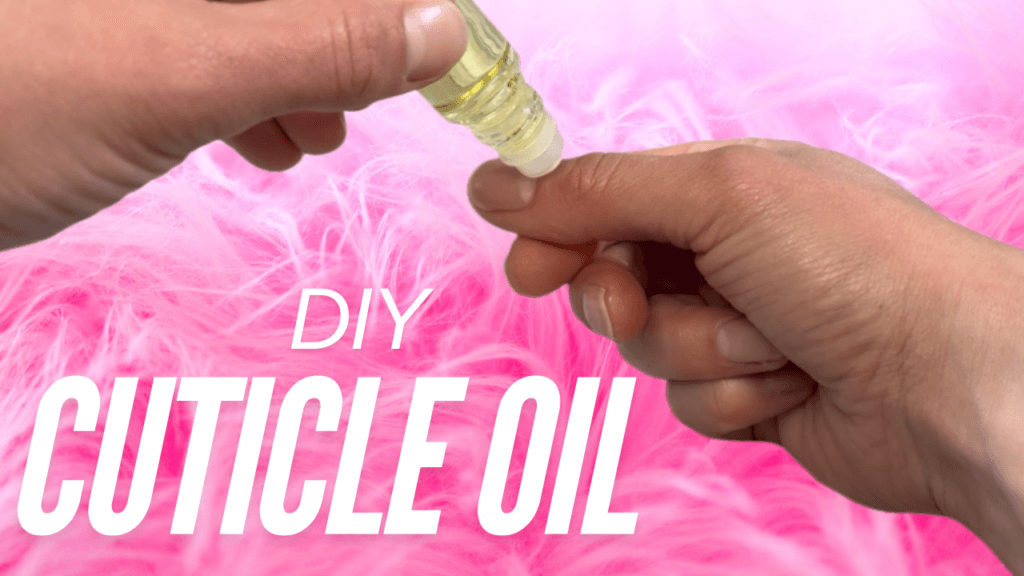
Making your own cuticle oil at home is an easy way to care for dry cuticles and keep the skin around your nails soft and conditioned. This simple DIY cuticle oil combines castor oil, jojoba oil, vitamin E oil, and tea tree essential oil to create a nourishing blend that is easy to make and convenient to use every day.
Cuticle oil is especially helpful when your hands are frequently exposed to water, soap, cold weather, or other drying conditions. Regular application helps soften dry skin around the nails and keeps your cuticles looking neat and moisturized.
One of the best things about making your own cuticle oil is that you can control exactly what goes into it. This recipe uses just four ingredients, requires no heating, and takes only a few minutes to prepare.
I’ll walk you through the ingredients, explain what each one contributes to the formula, and show you how to mix, package, and store your homemade cuticle oil.
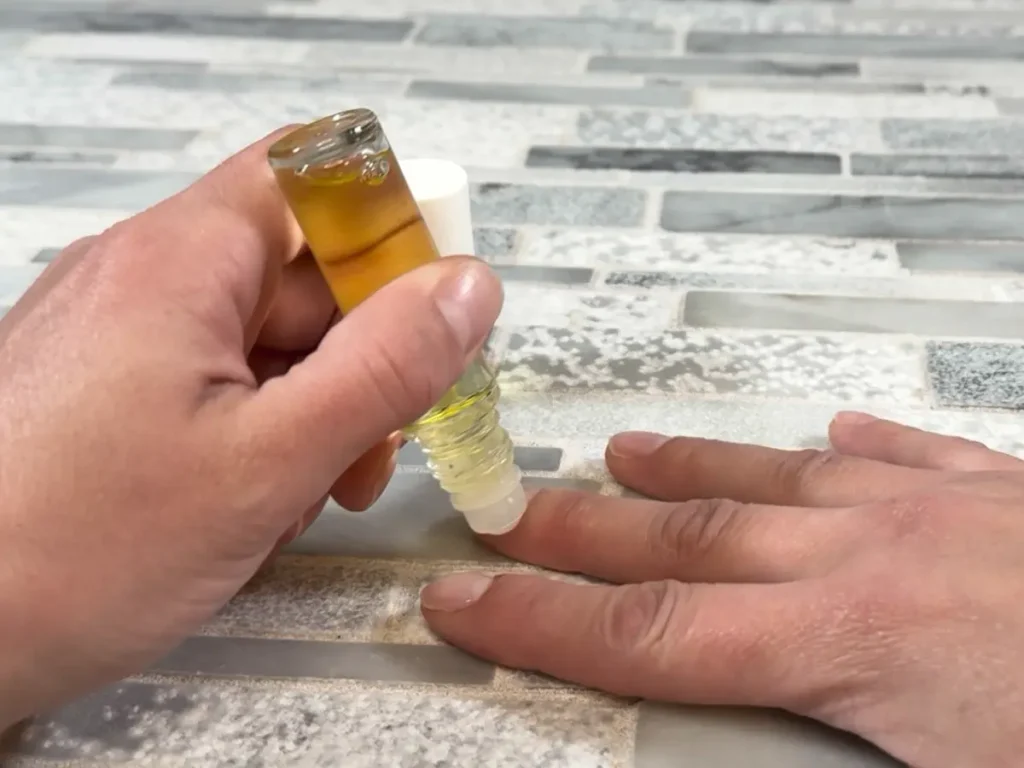
Why Make Your Own Cuticle Oil?
Cuticle oil is a simple addition to a regular nail care routine. Applying a small amount around your nails helps condition the skin and reduce the dry, rough feeling that can develop around the cuticles.
Making your own also gives you several advantages:
Simple ingredients: This recipe uses four ingredients that are easy to find from cosmetic ingredient suppliers.
Customizable: You can adjust the carrier oils to create a lighter or thicker blend.
Easy to make: There is no heating, emulsifying, or complicated equipment required.
Convenient packaging: Fill a small brush bottle or roller bottle to make application easy.
Water-free formula: Because this recipe contains only oils, it does not require a conventional broad-spectrum preservative when properly prepared and stored.
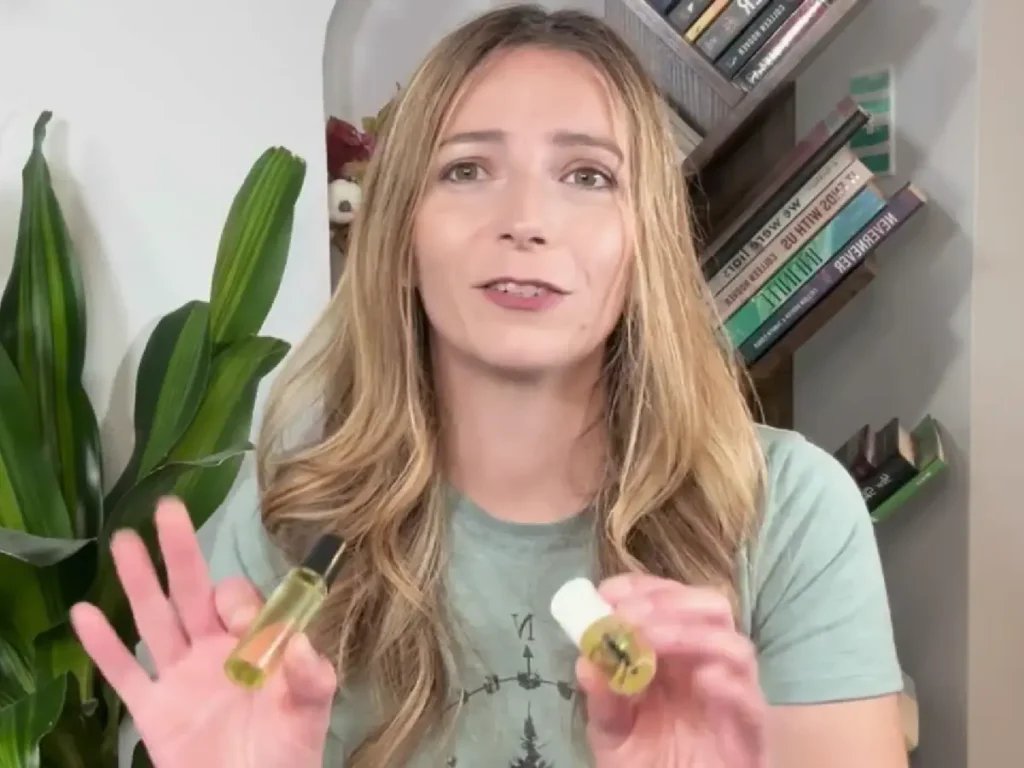
Prefer to watch this project instead of reading it?
Certain links on this website are affiliate links, as I am an associate. Clicking on these links and making a purchase may earn me a small commission. Rest assured, there is no extra cost to you.
Ingredients You’ll Need
This homemade cuticle oil combines two carrier oils, vitamin E oil, and tea tree essential oil.
Each ingredient has a specific purpose in the formula.
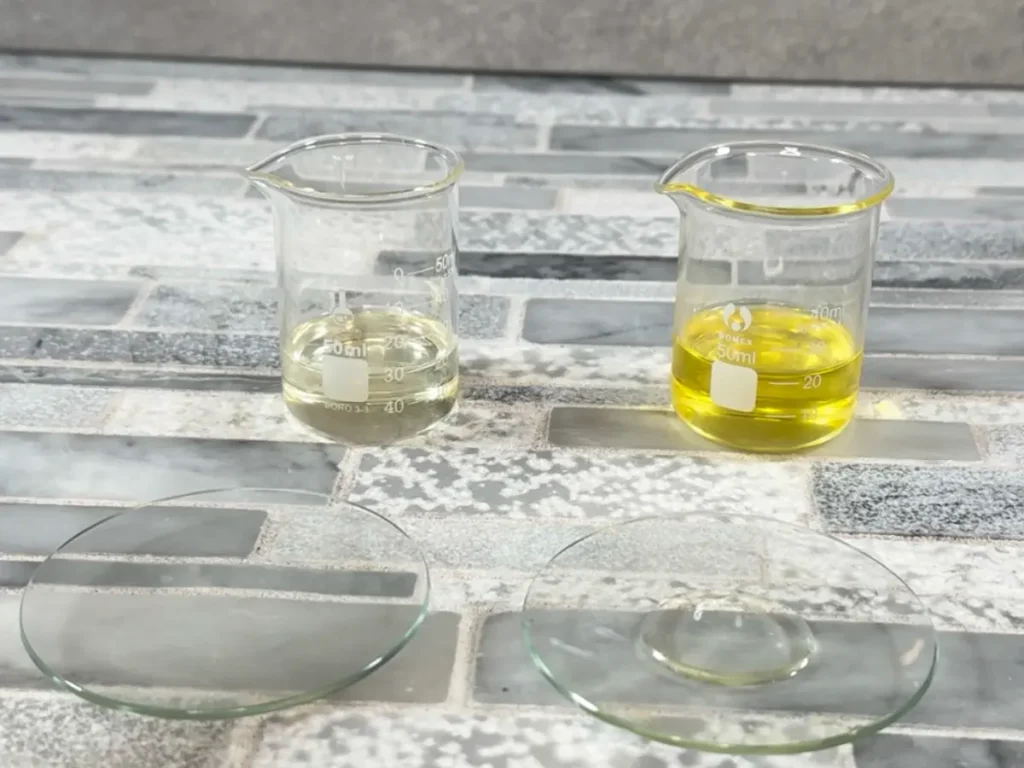
Castor Oil
Castor oil is a thick, viscous vegetable oil that gives this cuticle oil its richer consistency. It contains a high percentage of ricinoleic acid, which contributes to its distinctive texture.
Because castor oil is thicker than many other carrier oils, it helps the cuticle oil stay on the skin rather than immediately running off.
It also helps soften and condition dry skin around the nails.
Jojoba Oil
Jojoba oil is actually a liquid wax ester rather than a traditional vegetable oil. Its composition is similar in some ways to the natural oils found on human skin.
It has a lightweight feel and helps balance the thicker consistency of castor oil.
Jojoba oil is an excellent choice for cuticle oil because it spreads easily and leaves the skin feeling soft without being overly heavy.
Vitamin E Oil
Vitamin E is an antioxidant that helps protect oils from oxidation. This is particularly useful in oil-based formulations containing vegetable oils.
It also acts as a skin-conditioning ingredient, helping soften and moisturize the skin around your nails.
Important: Vitamin E is not a preservative. It does not protect a product against bacteria, yeast, or mold. Its purpose in this recipe is antioxidant protection.
Tea Tree Essential Oil
Tea tree essential oil adds a fresh, herbal scent to the cuticle oil.
It is commonly used in personal care products, but essential oils are concentrated ingredients and should always be used at an appropriate dilution.
This recipe uses 1% tea tree essential oil. If you have sensitive skin, consider reducing the amount or leaving it out entirely.
DIY Cuticle Oil Recipe
This recipe makes 30 grams of cuticle oil.
The formula is written in percentages as well as weights so you can easily scale it up or down when making larger or smaller batches.
| Ingredient | Percentage | Weight |
|---|---|---|
| Castor Oil | 28% | 8.4 g |
| Jojoba Oil | 68% | 20.4 g |
| Vitamin E Oil | 3% | 0.9 g |
| Tea Tree Essential Oil | 1% | 0.3 g |
| Total | 100% | 30 g |
Equipment
- Digital scale
- Small mixing container
- Small spatula or mixing utensil
- Funnel
- Clean, completely dry cuticle oil bottle
I recommend using a digital scale that measures to at least 0.1 grams. Accurate weighing is especially important when working with small amounts of essential oils.
How to Make DIY Cuticle Oil
One of the best things about this recipe is that it does not require any heating. You simply weigh, combine, and package the ingredients.
Step 1: Prepare Your Equipment
Before making your cuticle oil, gather your mixing container, scale, mixing utensil, and packaging.
Make sure everything is clean and completely dry.
Step 2: Weigh the Ingredients
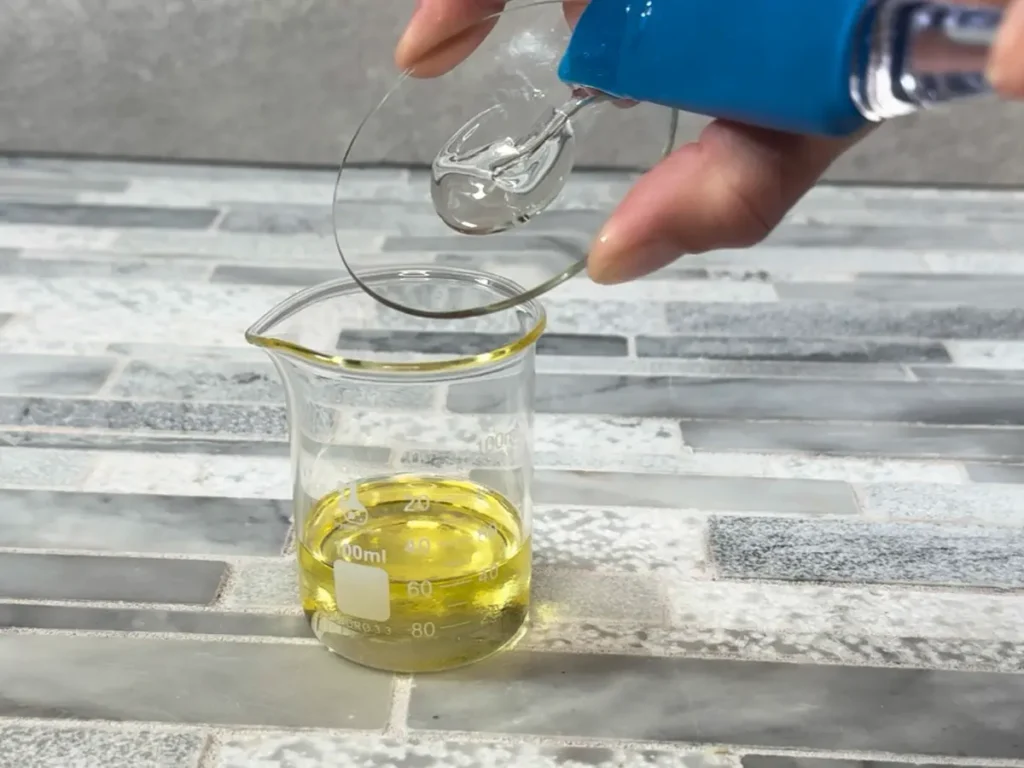
Place your mixing container on your digital scale and tare the scale.
Weigh each ingredient individually:
- Add 8.4 grams of castor oil.
- Add 20.4 grams of jojoba oil.
- Add 0.9 grams of vitamin E oil.
- Add 0.3 grams of tea tree essential oil.
Step 3: Mix the Ingredients
Stir the ingredients together until everything is evenly combined.
The castor oil will give the blend a slightly thicker consistency, while the jojoba oil helps make it easier to spread.
Since all four ingredients are oil-soluble, no heating or special mixing equipment is necessary.
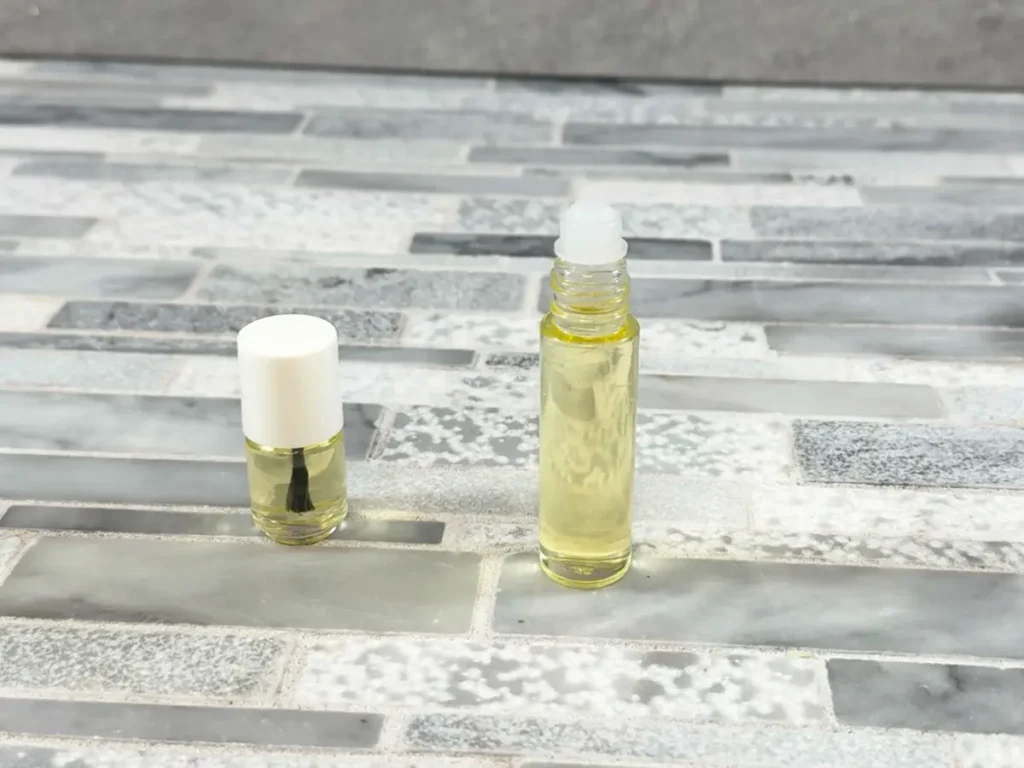
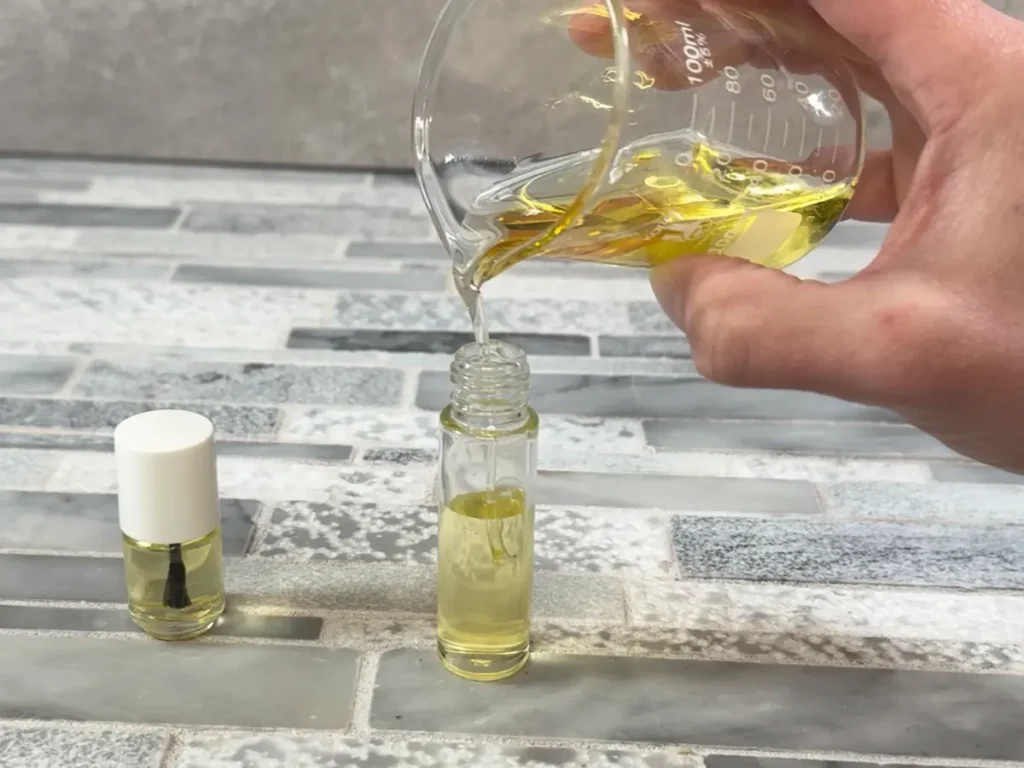
Step 4: Package Your Cuticle Oil
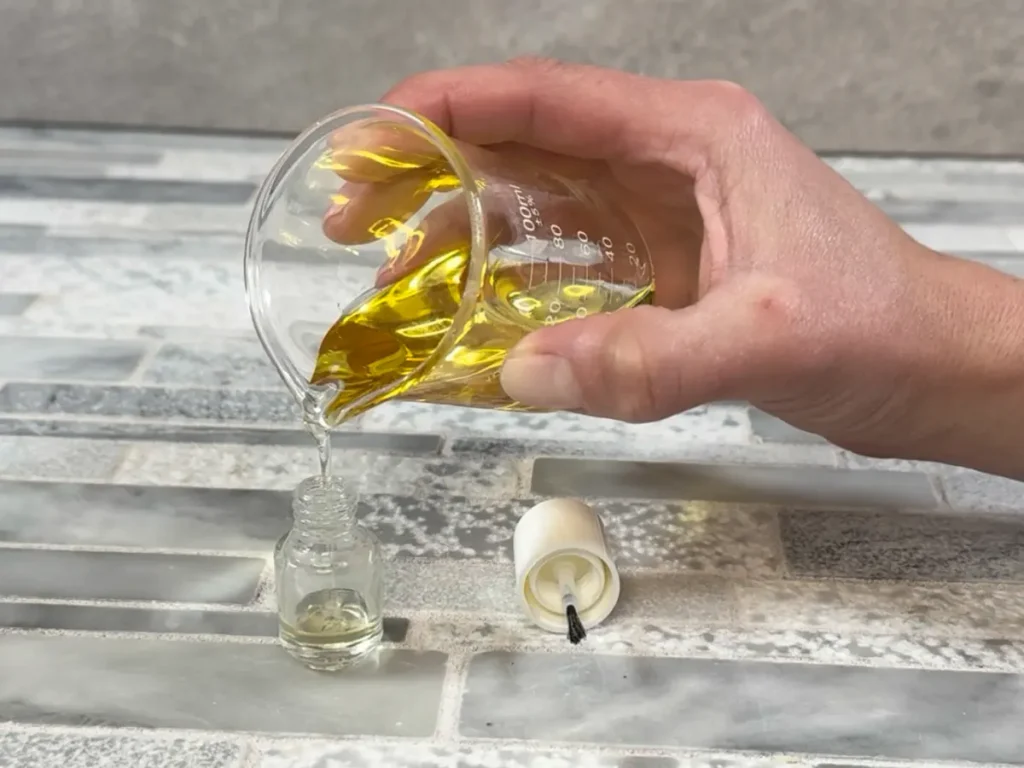
Once everything is mixed, carefully transfer the cuticle oil into your chosen container.
A small nail polish-style brush bottle works particularly well because it allows you to apply a small amount directly around the cuticles.
Roller bottles are another convenient option.
How to Use Homemade Cuticle Oil
Using cuticle oil regularly is an easy way to keep the skin around your nails conditioned.
Apply a Small Amount
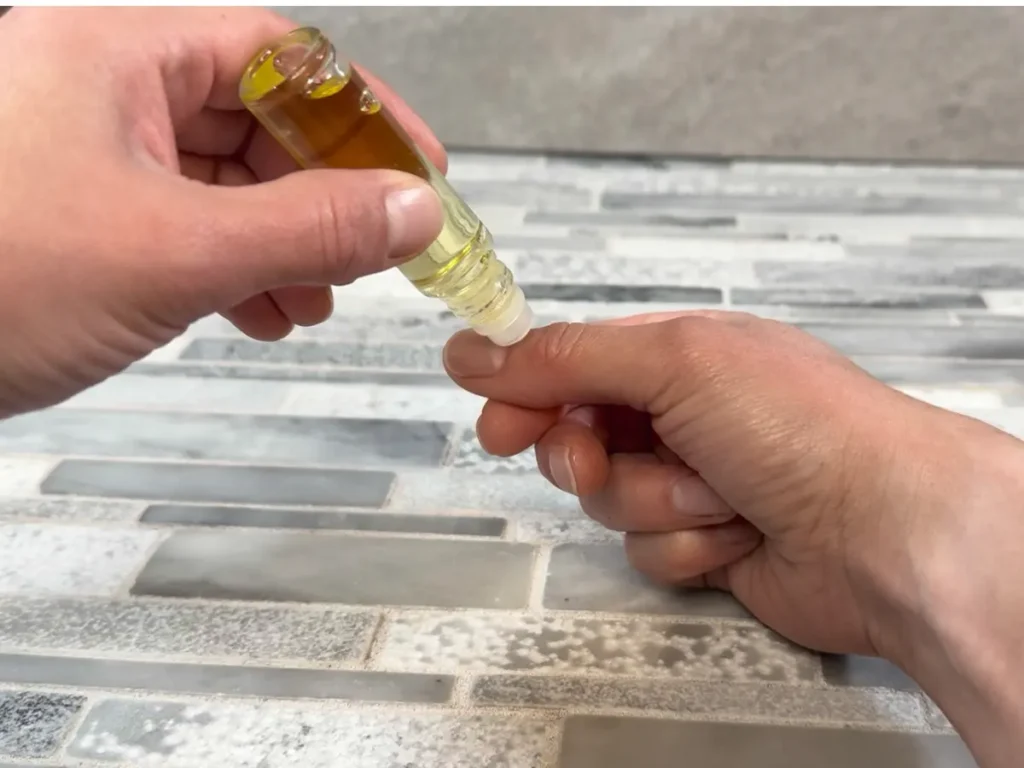
Apply a small amount of oil around the base and sides of each nail.
You do not need much. A thin layer is usually enough to cover the cuticle area.
Massage Into Your Cuticles
Gently massage the oil into the skin surrounding your nails.
This helps distribute the oil evenly and gives the skin time to absorb some of the conditioning ingredients.
When Should You Apply Cuticle Oil?
You can apply cuticle oil whenever your hands or cuticles feel dry.
Some particularly convenient times include:
Before bed: Apply cuticle oil as part of your nighttime skincare routine.
After washing your hands: Frequent handwashing can leave the skin feeling dry, so applying oil afterward can help condition the cuticles.
After showering: Apply a small amount once your hands are dry.
Throughout the day: Keep a small bottle nearby for easy application whenever needed.
Consistency is more important than applying a large amount at once.
How to Customize Your Cuticle Oil
One advantage of making your own cuticle oil is that you can adjust the carrier oils to suit your preferences.
Make a Lighter Cuticle Oil
If you prefer a lighter-feeling product, reduce the amount of castor oil and increase the jojoba oil by the same amount.
This creates a thinner blend that spreads more easily.
Try Different Carrier Oils
You can substitute some or all of the jojoba oil with other liquid carrier oils.
A few options include:
Sweet Almond Oil: A lightweight oil that helps soften and condition the skin.
Fractionated Coconut Oil: A lightweight, liquid oil that spreads easily and has a relatively long shelf life.
Olive Oil: A richer oil that can be used to condition dry skin.
When substituting oils, remember that the shelf life of your finished product will depend partly on the stability and freshness of the oils you choose.
Adjust the Essential Oil
You can leave out the tea tree essential oil if you prefer an unscented cuticle oil.
If you decide to use a different essential oil, check its skin-use recommendations and maximum dermal concentration before adding it to your formula.
Essential oils can cause irritation or sensitization, even when diluted. Avoid applying the product to broken or irritated skin, and discontinue use if irritation develops.
Shelf Life and Storage
Because this DIY cuticle oil contains no water, it does not need a conventional broad-spectrum preservative when prepared and handled properly.
However, water-free does not mean that a product lasts indefinitely.
Carrier oils can oxidize over time, especially when exposed to heat, light, and air. Vitamin E helps slow oxidation, but it cannot prevent it completely.
For the best results:
- Store your cuticle oil in a cool, dark location.
- Use clean, completely dry packaging.
- Keep the bottle tightly closed when not in use.
- Avoid introducing water into the container.
- Use fresh, good-quality ingredients.
- Pay attention to the shelf life of your individual carrier oils.
The expected shelf life will depend on the oils you use, their freshness when you make the product, and how it is stored.
Discard the cuticle oil if you notice an unusual odor, a significant change in appearance, or other signs of deterioration.
Frequently Asked Questions
Can I make cuticle oil without essential oils?
Yes! Essential oils are optional. You can leave out the tea tree essential oil and replace its percentage with jojoba oil to keep the formula at 100%.
Is vitamin E oil a preservative in cuticle oil?
No. Vitamin E is an antioxidant, not a preservative. It helps slow the oxidation of oils but does not prevent microbial growth.
Since this recipe is water-free, it does not require a conventional broad-spectrum preservative when made and stored properly.
Can I use coconut oil instead of jojoba oil?
You can substitute another suitable liquid carrier oil, such as fractionated coconut oil. Regular coconut oil may become solid at cooler temperatures, which can change the consistency of your finished cuticle oil.
Can I use this cuticle oil every day?
Yes, you can use cuticle oil daily as part of your regular nail care routine, provided your skin tolerates the ingredients. Apply a small amount around your nails whenever your cuticles feel dry.
What is the best bottle for homemade cuticle oil?
Small brush applicator bottles are particularly convenient because they allow you to apply the oil directly to your cuticles without using your fingers.
Roller bottles are another good option, especially if you want something easy to carry in a purse or travel bag.
Final Thoughts
Making your own DIY cuticle oil is a simple project that requires just a few ingredients and a couple of minutes of preparation.
The combination of castor oil, jojoba oil, vitamin E, and tea tree essential oil creates a conditioning blend that helps soften dry cuticles and keep the skin around your nails feeling moisturized.
You can also customize the carrier oils to create a consistency you prefer.
Once you make your first batch, keep a small bottle near your sink or bedside table so you can easily incorporate cuticle oil into your daily nail care routine.
DIY Cuticle Oil: Easy, All-Natural Recipe for Healthier Nails!
Equipment
- Scale
Ingredients
- 16.8 grams | 28% Castor Oil
- 20.4 grams | 68% Jojoba Oil
- 0.9 grams | 3% Vitamin E Oil
- 0.3 grams | 1% Tea Tree Essential Oil
Instructions
- Mix the caster oil, jojoba oil, Vitamin E oil and essential oils together.
- Once your oils are mixed, use a funnel to carefully pour the blend into your bottle. Make sure the bottle is clean and dry before pouring.