
Polysorbate 20 is a versatile ingredient used in DIY skincare, haircare, bath products, and home fragrance. If you’ve ever made a room spray, linen spray, or body mist and noticed that the fragrance oil floats on top of the water, Polysorbate 20 may be the ingredient you need.
This ingredient helps small amounts of oil disperse in water-based products, making it especially useful for sprays and other lightweight formulations. It can also help oils rinse away more easily in certain bath and body products.
In this guide, I’ll explain what Polysorbate 20 does, how to use it, how much to add to your formulas, and which DIY recipes use it.
What Is Polysorbate 20?
Polysorbate 20 is a nonionic surfactant commonly used as a solubilizer in cosmetic and personal care formulations. It is derived from sorbitol and lauric acid and is modified with ethylene oxide to make it more water-loving.
In practical terms, Polysorbate 20 helps small amounts of fragrance oil, essential oil, and other suitable oil-soluble ingredients disperse in water-based products.
Oil and water naturally separate because they have different chemical properties. Simply stirring fragrance oil into water will not create a stable, uniform mixture. Polysorbate 20 helps overcome this problem by allowing the oil to disperse throughout the water.
Polysorbate 20 is a liquid at room temperature and is generally easy to incorporate into DIY formulations without heating.
What Does Polysorbate 20 Do in Skincare and DIY Products?
Polysorbate 20 can serve several purposes, depending on the formulation.
Solubilizes Fragrance and Essential Oils
One of the most common uses for Polysorbate 20 is incorporating small amounts of fragrance oil or essential oil into water-based products.
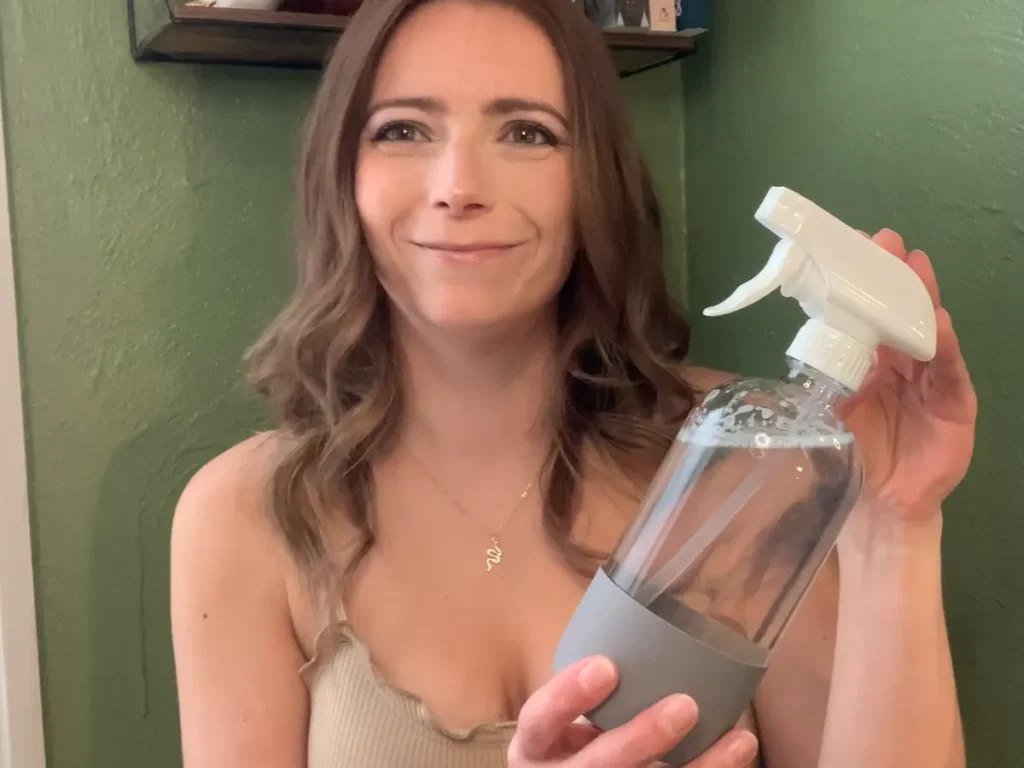
For example, if you’re making a room spray with distilled water and fragrance oil, Polysorbate 20 helps the fragrance disperse throughout the mixture instead of forming a separate oil layer.
This is particularly useful for:
- Room sprays
- Linen sprays
- Body mists
- Hair sprays
- Lightweight water-based products containing fragrance
The amount needed depends on the type of oil, the fragrance concentration, and the desired appearance of the finished product. Some mixtures will remain slightly cloudy even when properly solubilized.
Helps Oils Disperse in Bath and Body Products
Polysorbate 20 can also help oils disperse when a product comes into contact with water.
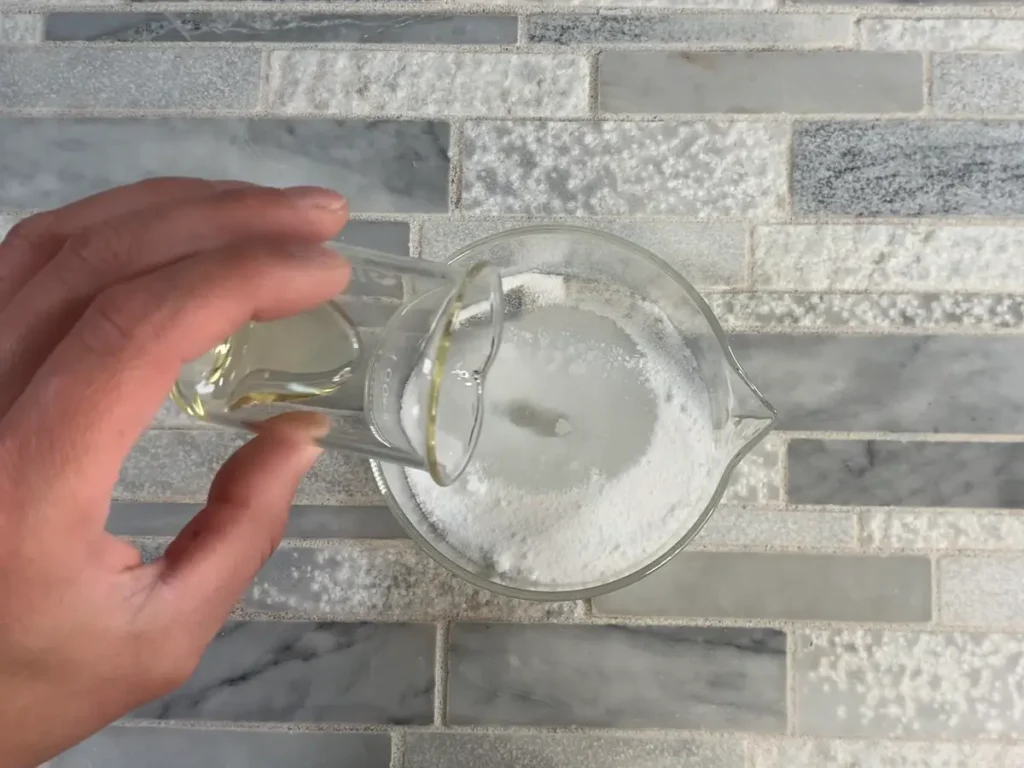
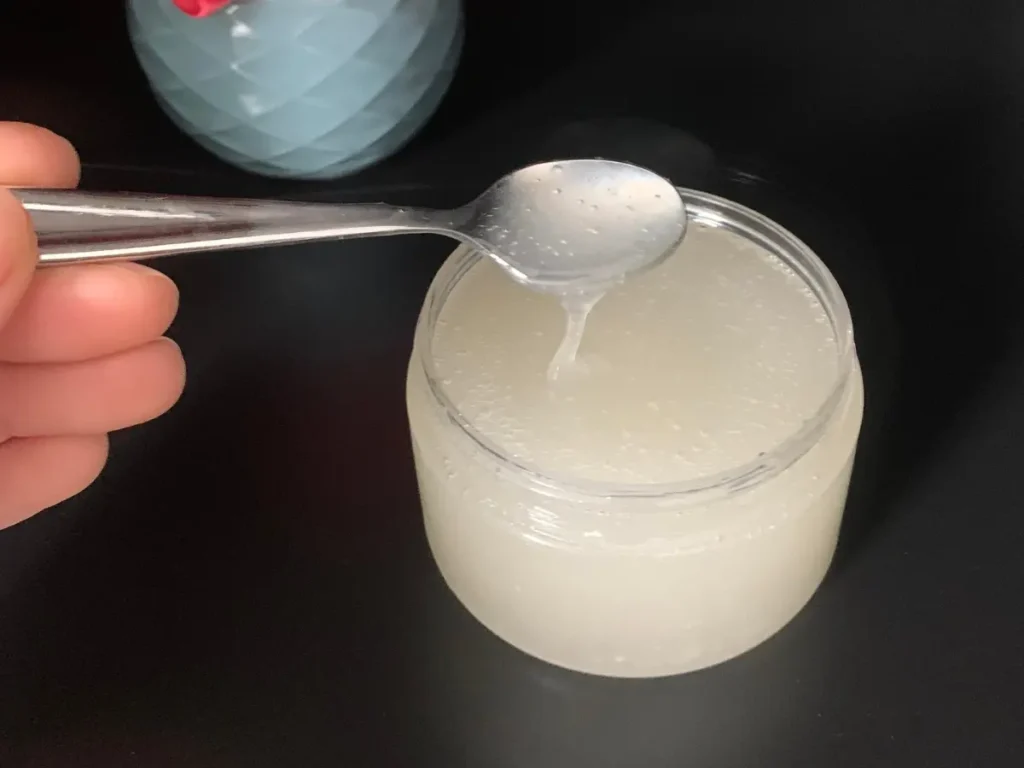
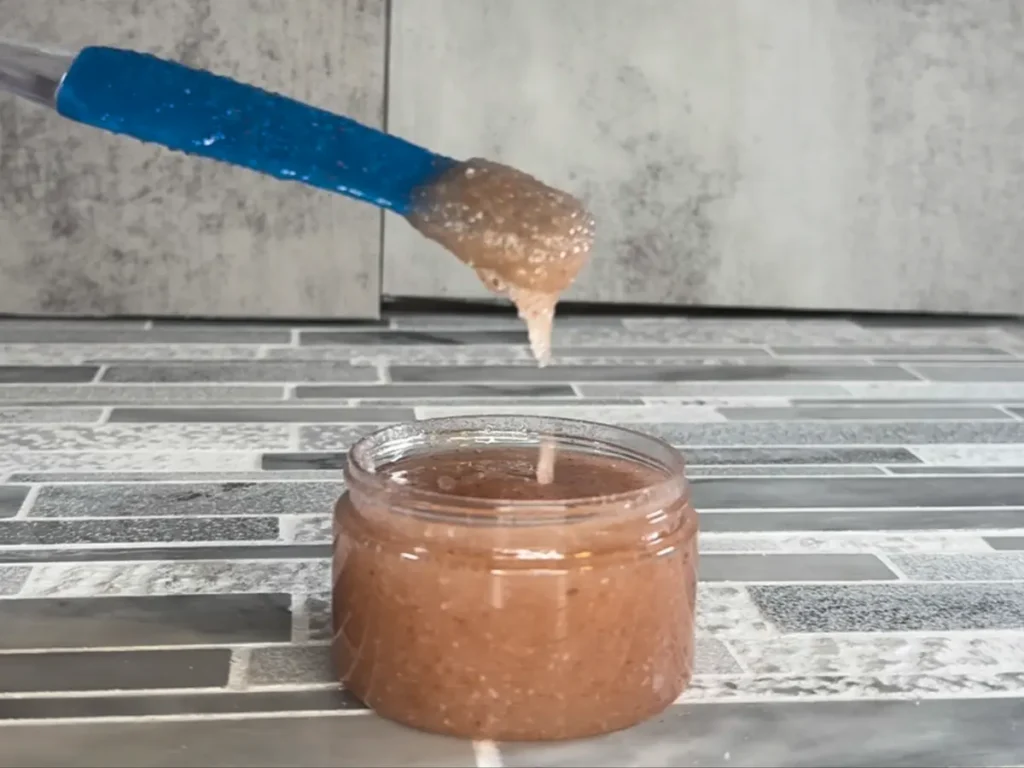
This makes it useful in certain bath products and body scrubs. In a salt scrub, for example, it can help the oils rinse away more readily, reducing the oily residue left on your skin or shower surfaces.
However, Polysorbate 20 is not a universal solution for every oil-based formulation. The amount needed depends on the ingredients and how the product is intended to be used.
Helps Distribute Fragrance More Evenly
When fragrance oil is added to a water-based product without a suitable solubilizer, it may float on the surface or collect in droplets.
Polysorbate 20 helps distribute the fragrance more evenly throughout the product. This can improve consistency from one spray to the next, provided the formulation has been properly developed and tested.
Acts as a Mild Surfactant
Polysorbate 20 belongs to the surfactant family. Surfactants help ingredients interact at the boundary between oil and water.
Although it has surfactant properties, Polysorbate 20 is primarily valued in DIY formulations for its solubilizing ability rather than as a primary cleansing ingredient.
For a broader introduction to surfactants and their different functions, read my guide to Surfactants Explained.
How Much Polysorbate 20 Should You Use?
There is no single percentage that works for every formulation. The appropriate amount depends on the type and quantity of oil you’re trying to solubilize, the other ingredients in the formula, and the desired finished appearance.
Here are some general starting points for experimentation:
| Product type | Possible starting range |
| Room sprays and linen sprays | 1–10% |
| Lightweight hair sprays | 1–5% |
| Body mists | 1–5% |
| Bath and body scrubs | Follow a tested formula; amounts vary |
| Other water-based products containing fragrance | Determine through formulation testing |
These ranges are starting points, not guarantees of stability or suitability. The solubilizer-to-oil ratio can vary substantially between different fragrance oils and essential oils. Some mixtures may require more Polysorbate 20, while others may not become acceptably clear even at higher concentrations.
For example, my DIY Room Spray and Fabric Refresher uses 2% fragrance oil and 2% Polysorbate 20. My DIY Linen Spray Without Alcohol uses a higher concentration of each.
These recipes are useful examples of how the ingredient can be incorporated into different formulations.
Always calculate your formula by weight rather than relying on drops or teaspoons. If you need help converting a recipe into percentages and grams, read my guide to How to Convert a Recipe to a Formula.
How to Use Polysorbate 20
Polysorbate 20 is generally easy to use in DIY projects. The exact procedure depends on the type of product you’re making.
For Room Sprays, Linen Sprays, and Body Mists
A common approach is to combine the Polysorbate 20 with your fragrance oil or essential oil before adding the mixture to the water phase.
- Weigh your fragrance oil and Polysorbate 20.
- Mix them together thoroughly.
- Add the mixture to your distilled water according to your formula.
- Add a suitable broad-spectrum preservative at its recommended use rate.
- Mix thoroughly and evaluate the finished product for separation, clarity, and performance.
Depending on the ingredients, the finished spray may be clear, hazy, or slightly cloudy. Clarity alone does not establish that a product is stable.
Important: Water-based products need an appropriate preservation system. Polysorbate 20 is not a preservative and does not prevent bacterial, yeast, or mold growth.
For Salt Scrubs and Other Bath Products
In a scrub, Polysorbate 20 is typically combined with the oils and other liquid ingredients before the exfoliant is added.
Follow the mixing instructions in your tested recipe and make sure the finished product has the intended consistency and rinse-off properties.
If you make a scrub without an intentionally added water phase, the formula may not require a preservative under its original conditions. However, water can be introduced during use, especially when a jar is kept in the shower. Keep water out of the container and assess preservation needs based on the actual formulation and expected use.
You can see how this works in my Himalayan Salt Scrub Recipe and Dead Sea Salt Body Scrub.
Polysorbate 20 vs. Polysorbate 80
Polysorbate 20 and Polysorbate 80 are both nonionic surfactants used to help oils disperse in water, but they are not interchangeable in every formula.
| Feature | Polysorbate 20 | Polysorbate 80 |
| Common use | Solubilizing fragrance and essential oils | Solubilizing oils, including heavier oils |
| Fatty acid component | Primarily lauric acid | Primarily oleic acid |
| Typical applications | Room sprays, linen sprays, body mists | Bath products, bath bombs, and oil-containing formulations |
| Substitution | May work in some formulas but requires testing | May be more suitable for some heavier oils |
It is often a good starting point for water-based sprays containing fragrance or essential oils. Polysorbate 80 is frequently selected for formulations containing larger amounts of oils or heavier oil components.
The best choice depends on the actual formula rather than the product category alone. If you’re substituting one for the other, retest the solubilization, appearance, stability, and performance of the finished product.
Can You Use Polysorbate 20 in Bath Bombs?
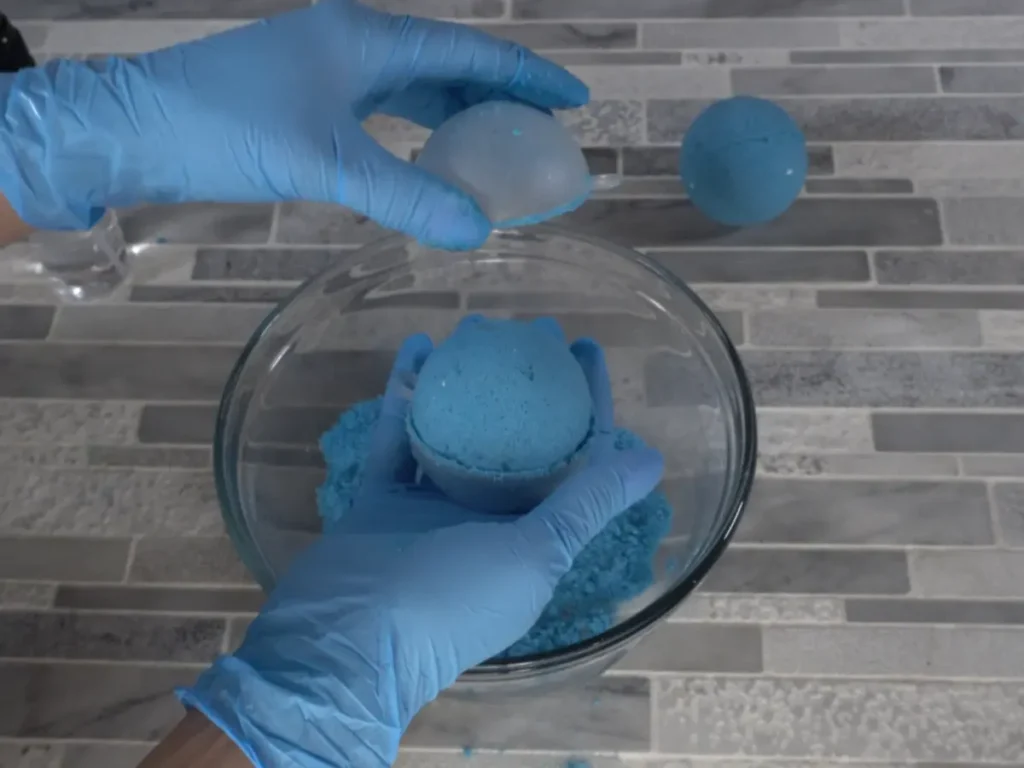
Yes, Polysorbate 20 is used in some bath bomb recipes. It can help oils disperse in bathwater and may reduce the oily ring left behind in the tub.
However, it is not necessarily the best choice for every bath bomb. Polysorbate 80 is often used when the formula contains more oil or needs improved oil dispersion.
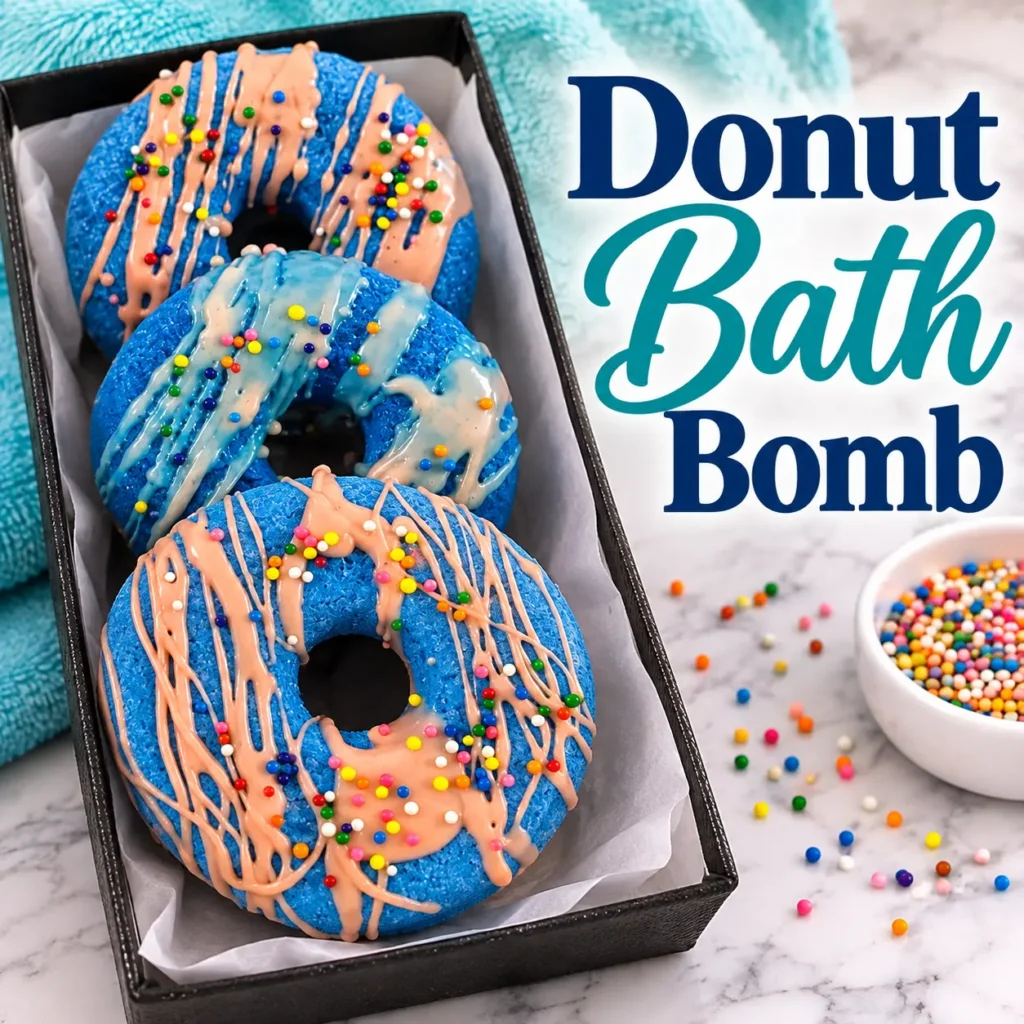
If you’re making bath bombs, take a look at my Donut Bath Bomb Recipe, which uses Polysorbate 20.
For a different approach, my Hard Bath Bomb Recipe uses Polysorbate 80.
DIY Recipes That Use Polysorbate 20
One of the best ways to understand an ingredient is to see how it works in an actual formula. Here are several projects on Summer Rain DIY that use Polysorbate 20.
Room and Linen Sprays
DIY Room Spray and Fabric Refresher
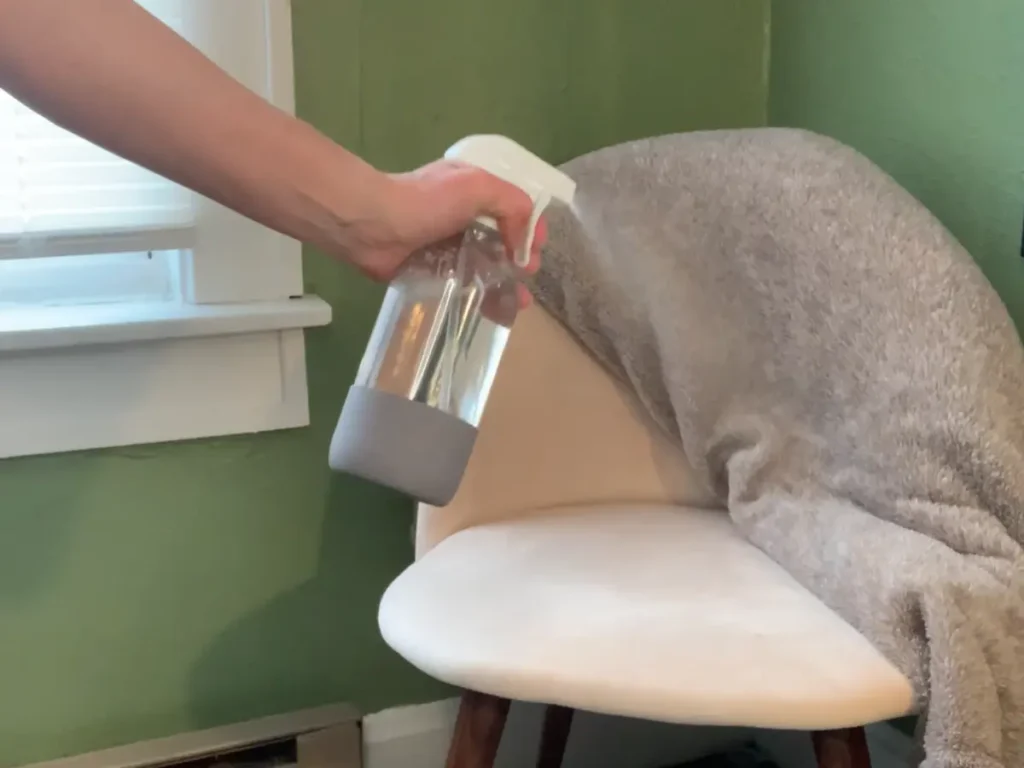
This simple room spray uses distilled water, fragrance oil, Polysorbate 20, and a preservative. The Polysorbate 20 helps the fragrance disperse throughout the water-based product.
How to Make Linen Spray Without Alcohol
This linen spray uses Polysorbate 20 to help incorporate fragrance oil into the water-based formula. It’s a useful example of using a solubilizer in a household spray.
Haircare
Learn How to Make Anti-Frizz Hair Spray
This formula includes Polysorbate 20 alongside grapeseed oil and essential oils. It demonstrates how a solubilizer can be incorporated into a lightweight water-based hair product.
Bath and Body Scrubs
How to Make a Himalayan Salt Scrub That Rinses Clean
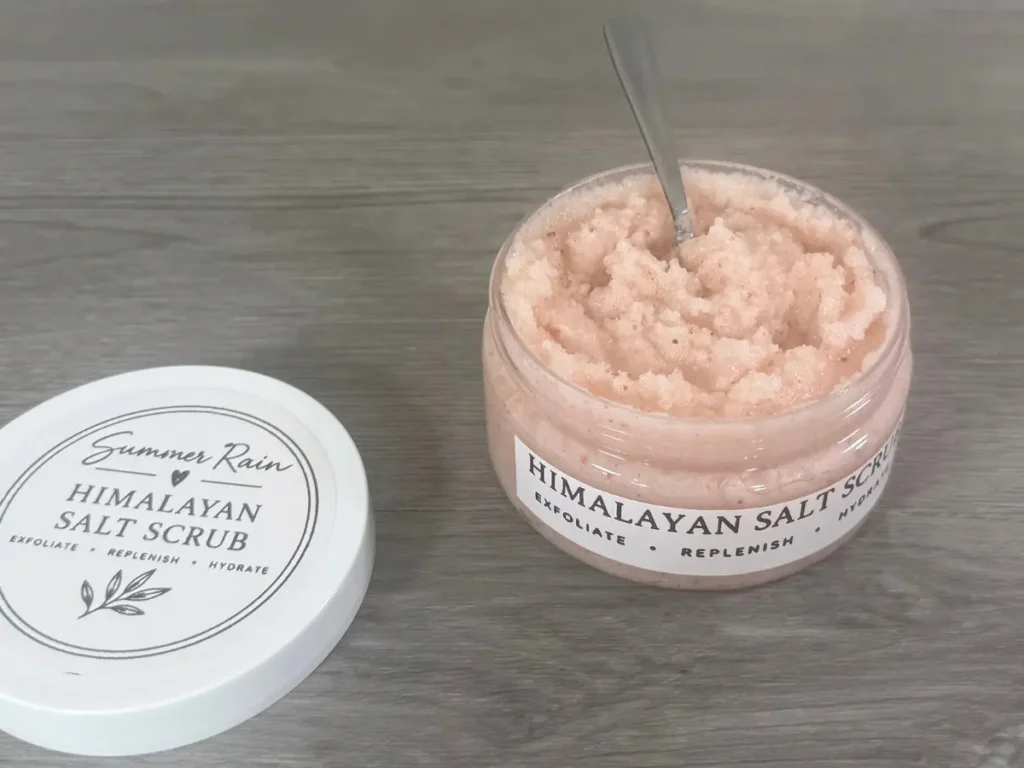
This scrub combines Polysorbate 20 with mango butter, sweet almond oil, glycerin, fragrance oil, and Himalayan salt. The ingredient helps the oil components rinse away more easily.
In this formula, Polysorbate 20 works alongside coconut oil, grapeseed oil, glycerin, fragrance oil, and Dead Sea salt to create a scrub designed to rinse away more cleanly than a simple salt-and-oil mixture.
This recipe uses Polysorbate 20 with coconut oil, apricot kernel oil, glycerin, fragrance oil, and sea salt.
Bath Bombs
This decorative bath bomb recipe includes Polysorbate 20 alongside sweet almond oil and fragrance oil. The ingredient helps disperse the oils when the bath bomb dissolves in water.
Massage Products
This formula uses Polysorbate 20 with menthol crystals, fragrance oil, fractionated coconut oil, and avocado oil. It helps incorporate the menthol-containing fragrance mixture and can help the oils wash out of fabrics more easily.
Because this is an oil-based product, its formulation and use differ from those of a water-based spray.
Troubleshooting Polysorbate 20
Why Is My Room Spray Cloudy?
Some fragrance oils naturally produce cloudy mixtures when combined with water and a solubilizer. The ratio of Polysorbate 20 to fragrance oil, the fragrance composition, and other ingredients can all affect the appearance.
Try adjusting the ratio in a small test batch, and allow the mixture to settle before evaluating it. Do not assume that a clear mixture is stable or that a cloudy mixture has failed; evaluate the formulation’s overall performance and stability.
Why Is My Fragrance Oil Separating?
Separation can indicate that there isn’t enough solubilizer for the particular oil, that the ingredients are incompatible, or that the mixing procedure needs adjustment.
Start by checking the formula and testing different solubilizer-to-oil ratios. If you change the ratio, recalculate the entire formula so that the percentages still total 100%.
Can I Add More Polysorbate 20 to Fix Separation?
Possibly, but adding more is not always the answer. Different fragrance oils behave differently, and excessive solubilizer can affect the finished product’s feel, appearance, or performance.
Test small batches before changing your full formula.
Does Polysorbate 20 Replace a Preservative?
No. Polysorbate 20 does not provide broad-spectrum preservation.
Any formula containing water or other ingredients that introduce a microbial growth risk needs an appropriate preservation strategy. Choose a preservative that is compatible with the complete formula, use it at the recommended rate, and follow the required processing and testing procedures.
Is Polysorbate 20 Good for Beginners?
Yes. Polysorbate 20 is a useful ingredient for beginners because it can solve a common formulation problem: getting small amounts of oil-soluble ingredients to disperse in water.
Room sprays and linen sprays are useful projects for learning how a solubilizer works. Once you’re comfortable with those formulations, you can explore its role in bath products and other formulations.
If you’re new to making your own skincare products, start with my Skincare Formulation for Beginners guide to learn how ingredients work together and how to formulate by weight.
Final Thoughts
Polysorbate 20 is a versatile solubilizer that can make a big difference in water-based DIY products containing fragrance or essential oils. It is particularly useful in room sprays, linen sprays, body mists, and selected bath and body formulations.
The most important thing to remember is that there is no universal solubilizer ratio that works for every oil. Start with a tested formula, make small adjustments when necessary, and evaluate the finished product before making a larger batch.
If you want to see Polysorbate 20 in action, try one of the room spray or salt scrub recipes linked above. They are practical examples of how this ingredient helps improve the way a DIY formula works.