

Choosing an exfoliant is an important part of making your own skincare products. Sugar scrubs, salt scrubs, and products containing purpose-made cosmetic exfoliating particles can all help remove surface dead skin cells through physical exfoliation. However, these ingredients differ in texture, abrasiveness, and suitability for different areas of the body.
The best exfoliant depends on the product you want to make, the skin area where it will be used, and the experience you want the finished product to provide.
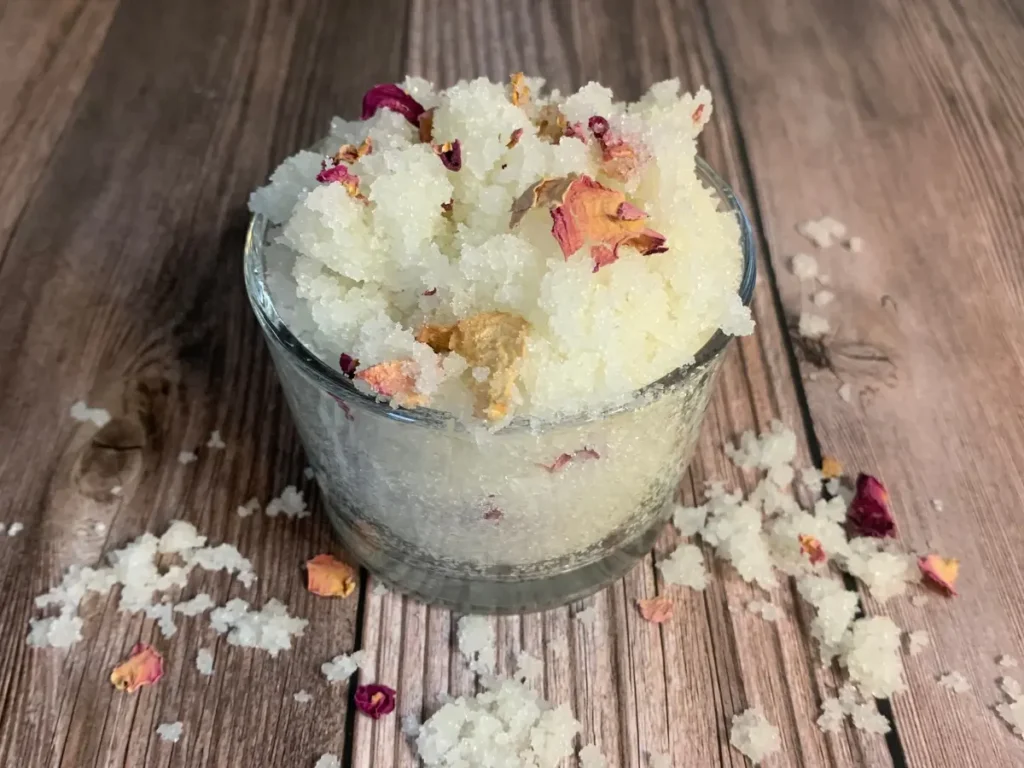
For example, sugar is a popular choice for body scrubs because it is readily available and dissolves in water. Salt can provide a more pronounced scrubbing sensation, while cosmetic-grade exfoliating beads offer more uniform particle sizes for certain cleansers and scrubs. Some finely milled powders can also provide physical exfoliation when formulated and used appropriately.
In this guide, I’ll explain the main types of physical exfoliants used in DIY skincare, how to choose between them, and what to consider when formulating an exfoliating product.
What Is a Physical Exfoliant?
A physical exfoliant helps remove surface material from the skin through physical action, such as friction or gentle abrasion.
Examples include sugar crystals, salt crystals, and certain cosmetic particles specifically designed for exfoliating products.
Physical exfoliation differs from chemical exfoliation. Chemical exfoliants, such as alpha hydroxy acids (AHAs) and beta hydroxy acids (BHAs), work through chemical processes rather than relying primarily on rubbing particles across the skin.
Neither approach is automatically better for everyone. The suitability of an exfoliant depends on its characteristics, the formulation, how it is applied, and the your skin needs.
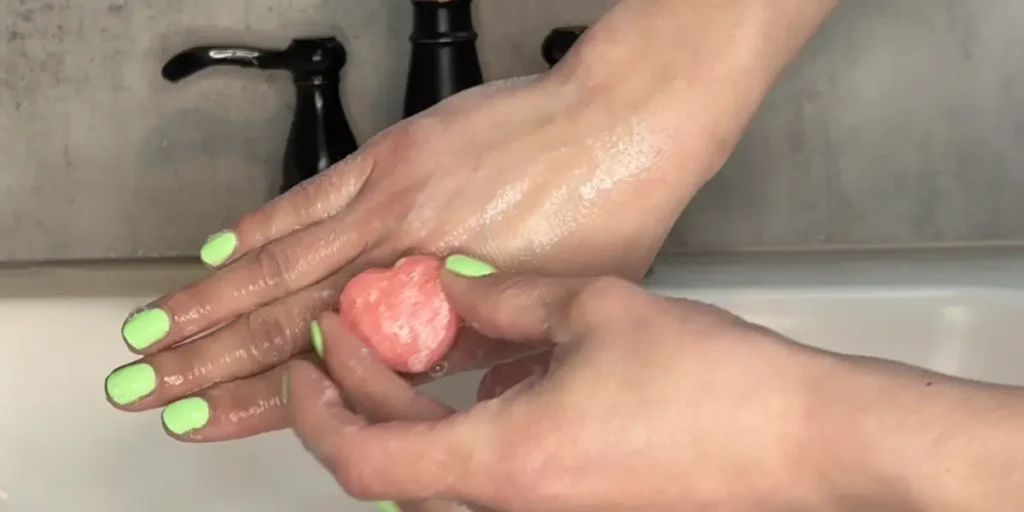
What to Consider When Choosing an Exfoliant
Before choosing an ingredient, consider how the finished product will be used.
Where will the product be used?
A product intended for the feet may contain a different type of exfoliant from one intended for the face.
The skin on the face can be particularly sensitive to friction, and some coarse or irregular particles can cause irritation. A scrub designed for rough areas of the feet should not automatically be used on the face.
For facial products, consider whether physical exfoliation is necessary at all. If you choose to use it, select a suitable cosmetic-grade material and design the product for gentle application.
How abrasive is the exfoliant?
The size, shape, hardness, and uniformity of particles affect how a scrub feels and how it interacts with the skin.
Larger particles do not necessarily produce better results. Coarse or irregular particles may create more friction and increase the risk of irritation.
A good exfoliating product should not rely on aggressive scrubbing to work.
What type of product are you making?
The exfoliant needs to work with the product format.
- Traditional sugar scrub: Sugar crystals suspended in an oil-based mixture.
- Salt scrub: Salt crystals incorporated into a suitable body-care formula.
- Emulsified scrub: An oil-based scrub containing an emulsifier to help it rinse away more easily when water is added.
- Exfoliating cleanser: A cleansing formula containing suitable cosmetic particles.
- Foot scrub: A product designed for appropriate areas of thicker skin, using an exfoliant suitable for that application.
Each format has different formulation requirements. Water-containing products generally need an appropriate preservation system, and anhydrous scrubs also require careful handling because water can enter the container during use.
You might be interested in my How to Build a Skincare Formula From Scratch guide.
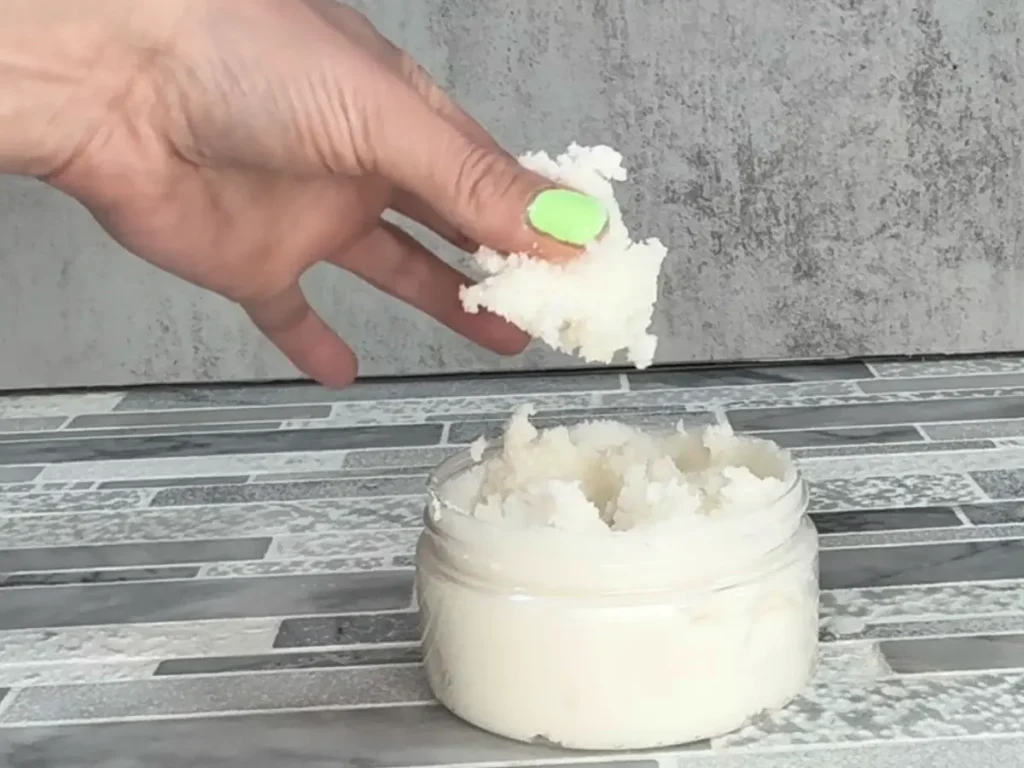
Sugar: A Popular Choice for Body Scrubs
Sugar is one of the most familiar ingredients used in DIY physical exfoliants. It is easy to source, available in different grain sizes, and straightforward to incorporate into many anhydrous scrub formulas.
Sugar crystals provide physical exfoliation through friction as the product is massaged over the skin. Sugar also dissolves in water, which can influence how the scrub behaves during rinsing.
However, sugar is not automatically gentle enough for every skin area. The particle characteristics, product formulation, application pressure, and individual skin sensitivity all matter.
Which type of sugar should you use?
Fine granulated sugar
Fine granulated sugar generally provides a less coarse texture than larger crystals. It can be a useful starting point when developing a body scrub with a smoother feel.
Regular granulated sugar
Standard granulated sugar is widely available and works well in many traditional body scrub recipes.
Coarse sugar
Coarse sugar creates a more noticeable scrubbing sensation. It may suit certain body products, but larger crystals can be uncomfortable or irritating, especially when used with excessive pressure.
Brown sugar
Brown sugar contains molasses, which affects its color, aroma, and moisture content. It can be used in some scrubs, although the finished product may behave differently from a formula made with white sugar.
When should you choose sugar?
Sugar is a useful option for:
- Traditional body scrubs
- Emulsified sugar scrubs
- Hand scrubs for suitable, intact skin
- Selected foot scrubs
Do not assume that a sugar scrub is suitable for facial use simply because you choose fine sugar. If you are developing a facial product, assess whether the exfoliant is appropriate for that application and whether a non-abrasive alternative would be more suitable.
Formulation tip: Sugar dissolves when exposed to water. Keep water out of anhydrous scrubs during storage, use clean, dry hands or a suitable scoop, and consider the conditions under which the product will be used.
Get Radiant Skin With This Easy DIY Sugar Body Polish
How to Make an Emulsified Sugar Scrub
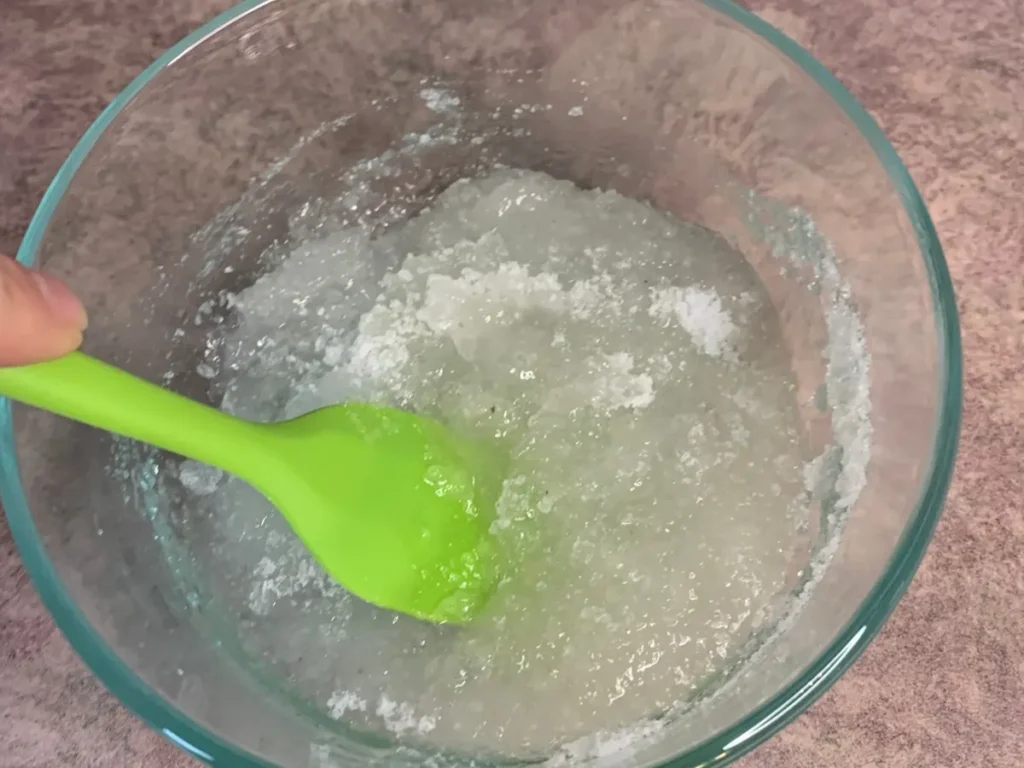
Salt: For Body and Foot Scrubs
Salt is another common physical exfoliant. Its crystals create friction during application, and different grades provide different textures.
Common options include fine sea salt, coarse sea salt, and Himalayan pink salt. Epsom salt, which is magnesium sulfate rather than sodium chloride, is also used in bath and body formulations.
Salt crystals can feel angular or abrasive depending on their size and shape. Choosing an appropriate grade is therefore important.
Which type of salt should you use?
Fine sea salt
Fine sea salt may be suitable for certain body scrub formulations when its particle size and texture are appropriate.
Coarse sea salt
Coarse salt creates a more pronounced scrubbing sensation. It is generally better reserved for carefully designed products intended for suitable body areas, you do not want to use on delicate facial skin.
Himalayan pink salt
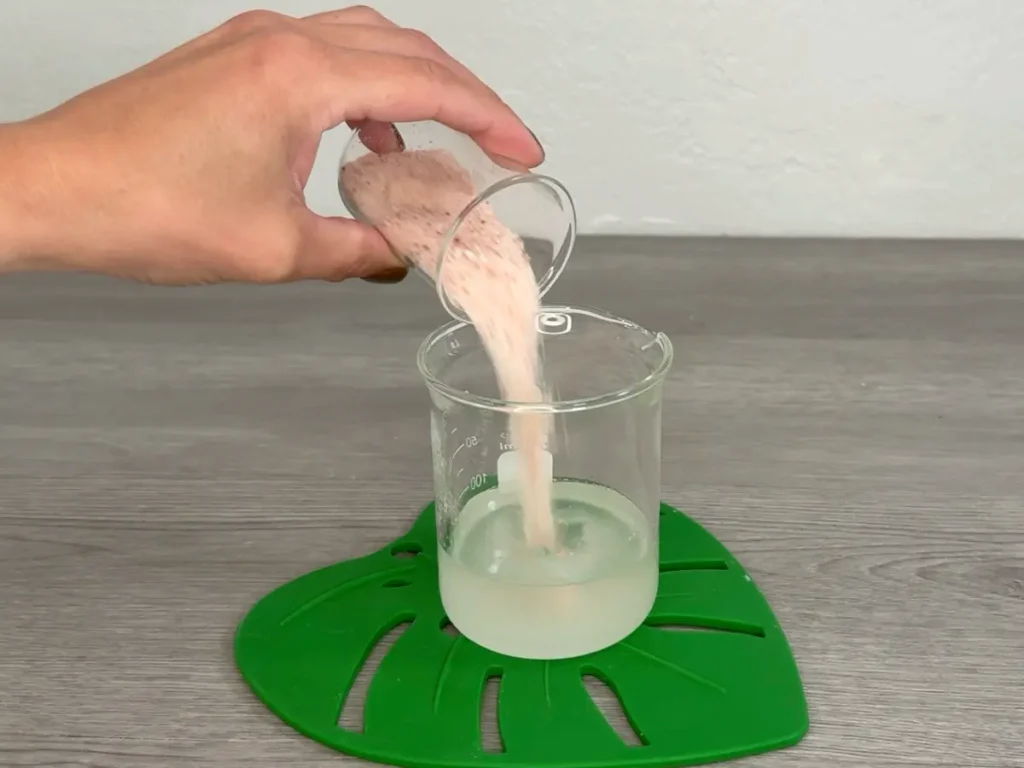
Himalayan pink salt is often chosen for its color and appearance. Its pink color does not make it inherently more effective or gentler than other salts.
Epsom salt
Epsom salt is commonly used in bath and body products. Its crystal size and behavior should be considered when selecting it for a scrub.
When should you choose salt?
Salt can be suitable for:
- Selected body scrubs
- Foot scrubs for appropriate areas of intact skin
- Spa-inspired rinse-off products
- Bath products where dissolving salt is the intended function
It is generally unsuitable for skin that is cracked, freshly shaved, sunburned, inflamed, or otherwise damaged because it can sting and worsen discomfort.
Salt can also affect the behavior of a formula. Dissolved salts may change viscosity or stability, and not every thickener or emulsifying system tolerates salts.
Jojoba Beads and Other Purpose-Made Cosmetic Particles
Not every physical exfoliant needs to come from the kitchen cupboard. Cosmetic-grade particles are designed for use in personal care products and can offer more consistent characteristics than some household ingredients. Which we need when dealing with more sensitive areas.
Jojoba beads are a perfect example. They are commonly made from hydrogenated jojoba oil and manufactured into uniform spherical balls.
Depending on their specifications and the formulation, these particles can provide a more controlled texture than irregular crystals.
Other materials used in exfoliating products include certain cellulose-based particles and other purpose-made cosmetic exfoliants.
What should you look for?
When choosing a cosmetic exfoliating particle, consider:
- Particle size: Does it suit the intended product and skin area?
- Particle shape: Are the particles relatively uniform, or are they irregular and potentially abrasive?
- Material hardness: Could the particles be too harsh for the intended application?
- Supplier specifications: Is the ingredient documented for cosmetic use?
- Environmental considerations: Are biodegradability and environmental claims supported by reliable information?
Do not assume that all cosmetic beads are suitable for facial products. Their intended use and physical characteristics still matter.
When should you choose cosmetic particles?
These materials may be suitable for certain:
- Rinse-off facial cleansers
- Body exfoliating cleansers
- Formulated scrubs
- Products where a consistent particle size is important
Finely Milled Powders: Are They Exfoliants?
Some powders can contribute physical exfoliation, but this depends on the specific material, how it is processed, and how the finished product is applied.
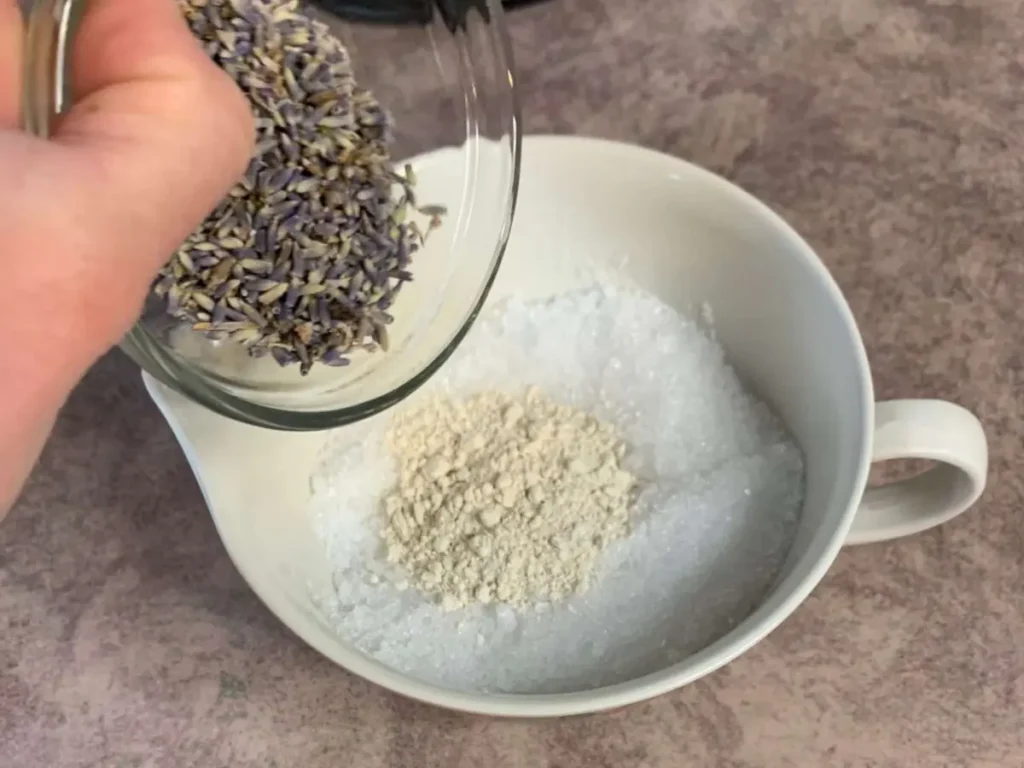
Rice-based cosmetic powders and finely processed botanical materials are sometimes used in cleansing powders and exfoliating preparations. However, a powder is not automatically an exfoliant simply because it contains small particles.
Particle size, shape, hardness, and the product’s method of use all influence its function.
What about oatmeal?
Oatmeal deserves particular clarification because it is frequently included in DIY skincare recipes.
Finely ground oats may contribute mild physical exfoliation in some recipes. Colloidal oatmeal, however, is more commonly valued for its skin-conditioning and soothing properties than as a conventional scrub particle.
If you choose oatmeal for a DIY product, be clear about its intended purpose. A product designed to condition the skin or provide a gentle cleansing experience is not necessarily an exfoliating scrub.
Oat ingredients also need appropriate handling. If you incorporate them into a water-containing formula, consider microbial safety, preservation, and testing.
What about clay?
Clay is primarily used in skincare for oil absorption, cleansing, and product texture. Kaolin and bentonite, for example, are used in various masks and cleansers.
Although a clay mask may help remove surface debris when rinsed away, clay is not generally classified as a conventional physical exfoliant because it does not primarily work through abrasive particles.
If you are making a clay mask, choose clay for the role it performs in the formulation rather than treating it as a direct substitute for sugar, salt, or cosmetic exfoliating particles.
Pumice: A Stronger Abrasive for Specific Applications
Pumice is a porous volcanic material used in some foot-care or gardeners / mechanic hand products and other preparations intended for rough skin.
Unlike sugar, which dissolves in water, pumice is a mineral material. It provides physical abrasion, and its hardness and particle characteristics make the choice of grade especially important.
Pumice is generally more appropriate for carefully designed products intended for thicker skin. This should never be used on your face.
If you are developing a foot scrub, consider the intended application, particle size, and potential for irritation. Avoid abrasive products on cracked heels, open skin, or inflamed areas.
Pumice is not essential for most beginner DIY skincare formulations. If you are new to formulating exfoliating products, a well-designed sugar scrub is usually a more straightforward place to begin.
Exfoliants I Would Not Choose
Natural ingredients are not automatically safe or gentle. Some traditional scrub ingredients can be unnecessarily abrasive, especially when their particle size and shape are inconsistent.
Ground nutshells and fruit pits
Ground nutshells and fruit pits can contain hard, irregular particles. These may be abrasive, making them a poor default choice for your skin.
For DIY skincare, consider a suitable cosmetic-grade ingredient with documented specifications instead of grinding household materials and assuming the resulting particles are safe for skin.
Coffee grounds
Coffee grounds are sometimes used in body scrubs because they provide a noticeable texture. However, their particle size and shape vary depending on the grind.
They can feel rough against the skin, and used coffee grounds may introduce moisture and organic residues that complicate storage and microbial safety.
If you want to develop a coffee-inspired scrub, assess the material carefully and avoid treating used household coffee grounds as a standardized cosmetic ingredient.
How to Compare Physical Exfoliants
Use this table as a starting point when selecting an ingredient for your next formulation.
| Exfoliant | Primary function | Potential product types | Main consideration |
| Fine sugar | Physical exfoliation | Body scrubs | Can still irritate with aggressive use |
| Coarse sugar | More pronounced physical exfoliation | Selected body scrubs | May be too abrasive for some areas |
| Fine salt | Physical exfoliation | Selected body and foot scrubs | Can sting irritated or broken skin |
| Coarse salt | Stronger scrubbing texture | Selected foot and body products | Greater potential for discomfort |
| Jojoba beads | Physical exfoliation | Selected cleansers and scrubs | Choose an appropriate cosmetic grade |
| Cellulose-based particles | Physical exfoliation and texture | Selected rinse-off products | Check specifications and environmental claims |
| Suitable rice-based powders | Depends on material and use | Selected cleansing powders | Processing and particle characteristics matter |
| Finely ground oats | May provide mild physical exfoliation | Selected wash-off products | Not interchangeable with colloidal oatmeal |
| Pumice | Abrasive exfoliation | Selected foot-care products | Generally too abrasive for facial us |
How Much Exfoliant Should You Add to a DIY Formula?
There is no single percentage that works for every physical exfoliant.
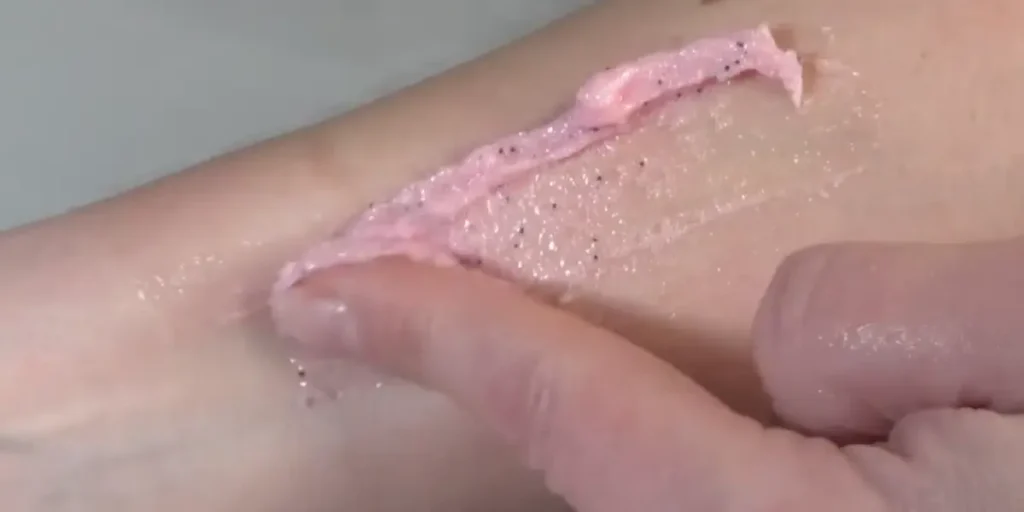
A sugar scrub may contain a high proportion of sugar because the crystals create the product’s defining texture. A cleanser containing cosmetic exfoliating particles may use a much smaller amount to achieve the desired sensory effect.
The appropriate level depends on the ingredient’s specifications, the product type, the intended skin area, and the finished product’s performance.
When developing a formula:
- Choose the product type. Decide whether you are making a body scrub, foot scrub, or exfoliating cleanser.
- Select a suitable ingredient. Check the supplier’s specifications, particle size, and intended application.
- Start with a documented formulation. Use a formula designed for that type of product rather than copying a percentage from an unrelated recipe.
- Adjust gradually. Change one variable at a time so you can assess texture, application, and rinsing.
- Evaluate the finished product. Consider comfort, stability, packaging compatibility, and preservation requirements.
For water-containing products, use a suitable broad-spectrum preservative at an appropriate use level and evaluate whether the preservation system is compatible with the formula. Appropriate microbial testing is important for establishing product safety.
Anhydrous scrubs have different formulation requirements, but they are not immune to contamination. Water can enter the container during shower use, so packaging, handling, and foreseeable use conditions matter.
How to Build a Skincare Formula From Scratch
Physical Exfoliation vs. Chemical Exfoliation
Physical exfoliants work primarily through friction or abrasion. Sugar, salt, and suitable cosmetic particles are examples.
Chemical exfoliants, such as AHAs and BHAs, work through chemical processes that influence the removal of dead skin cells. They introduce additional formulation considerations, including concentration, pH, ingredient compatibility, and irritation potential.
Neither method is automatically better for everyone. The choice depends on the skin, the product formulation, and how the product is used.
If you are new to DIY skincare, it helps to understand the difference before choosing ingredients for a new formulation.
Common Mistakes When Choosing an Exfoliant
Assuming natural means gentle
Natural ingredients can still be irritating or abrasive. Their physical characteristics and how they are used matter more than whether they are natural or synthetic.
Choosing particles that are too coarse
A stronger scrubbing sensation does not necessarily mean better exfoliation. Coarse or irregular particles can increase discomfort, skin tearing and irritation.
Using the same scrub on the face and body
Different skin areas have different needs. A product designed for the feet should probably not be used on the face.
Confusing cleansing ingredients with exfoliants
Clay and colloidal oatmeal can be useful in skincare, but their primary functions differ from those of conventional physical exfoliants. Choose each ingredient for the role it is intended to perform.
Ignoring water exposure
Adding water to a water-free scrub changes the conditions under which the product is stored and used. Consider preservation, packaging, and contamination risks rather than thinking that an oil-based formula is automatically protected.
Exfoliating irritated skin
Avoid physical exfoliation on sunburned, cracked, inflamed, or damaged skin. Stop using a product if it causes persistent burning, redness, or discomfort.
Frequently Asked Questions
What is the best physical exfoliant for DIY skincare?
There is no single best option. Sugar is a practical starting point for many body scrubs, salt can be used in body and foot products, and purpose-made cosmetic particles can offer a more controlled texture in certain cleansers and scrubs.
The best choice depends on the product and its intended application.
Is sugar or salt better for a body scrub?
Both can provide physical exfoliation. Both dissolve in water and are widely used in body scrubs. Salt offers a different crystal texture but can sting on irritated skin. Particle size, comfort, and the intended use should guide your choice.
Can I use sugar as a facial exfoliant?
Sugar is not automatically suitable for facial use. Even fine particles can irritate some skin, particularly when rubbed aggressively. Consider whether a physical exfoliant is appropriate for your face before formulating or using a scrub.
Is oatmeal a physical exfoliant?
Finely ground oatmeal may provide mild physical exfoliation, depending on its particle size and use. Colloidal oatmeal is more commonly valued for its skin-conditioning and soothing properties than for scrubbing.
But if I was going to use something on my face, it would be coolodial oatmeal.
Is clay an exfoliant?
Clay is primarily used for oil absorption, cleansing, and texture. It is not generally considered a conventional physical exfoliant because it does not primarily work through abrasion.
Are jojoba beads suitable for facial scrubs?
Some cosmetic-grade jojoba beads may be suitable for particular facial formulations, depending on their specifications and intended use. The finished product must still be evaluated for comfort, irritation potential, and appropriate application.
Do DIY exfoliating scrubs need a preservative?
The answer depends on the formula and how it will be used. Water-containing scrubs generally require an appropriate preservation system supported by testing. Anhydrous scrubs also require careful handling because water can enter the container during use. Do not assume that an oil-based product is automatically protected from contamination.
How often should I use a physical exfoliant?
There is no specific rule but generally 1-2 times a week. Depending on your skins needs. I like to exfoliate weekly.
Final Thoughts
Choosing a physical exfoliant involves more than picking an ingredient that looks appealing in a recipe. Sugar and salt are familiar options for body scrubs, while purpose-made cosmetic particles can offer greater consistency for certain formulated products. Other materials, including selected powders and pumice, have more specific uses.
The most important considerations are the ingredient’s physical characteristics, its suitability for the intended skin area, and how it behaves in the finished formula.
Start with a clear formulation goal, choose an ingredient that fits that purpose, and evaluate the finished product rather than assuming that a stronger scrubbing sensation means better results.
If you’re new to making skincare, explore my DIY Skincare for Beginners: Start Here guide, then browse my Sugar Scrub Recipes for practical formulation ideas.