
Polysorbate 80 is a nonionic surfactant that is commonly used as a solubilizer and emulsifier in bath products, body care products, and other personal care formulations. It helps oils, fragrance oils, and certain other oil-soluble ingredients disperse in water.
If you have ever made a bath bomb with carrier oil, created a bath melt, or added oil to a liquid soap formula, you may have encountered Polysorbate 80.
Oil and water naturally separate. Polysorbate 80 helps bring these ingredients together or disperse the oil throughout the water, depending on the formula and how much is used.
In DIY bath products, it is particularly useful because it can help disperse oils and fragrance in bathwater, reducing the amount of oil that floats on the surface or remains on the bathtub.
Polysorbate 80 is not the same as an emulsifying wax used to make a traditional lotion. Although both ingredients help combine oil and water, they have different purposes and are not interchangeable in every formulation.
What Does Polysorbate 80 Do?
Polysorbate 80 can perform several useful functions in DIY skincare and bath product formulations.
Helps disperse oils in bathwater
One of the most common uses for Polysorbate 80 is in bath bombs, bath melts, and other bath products containing oils or butters.
Without an appropriate dispersing ingredient, oils may float on the surface of the bathwater instead of distributing throughout it. This can leave an oily residue on the bathtub and create a slippery surface.
Polysorbate 80 helps the oils disperse more evenly throughout the water.
Helps solubilize fragrance oils
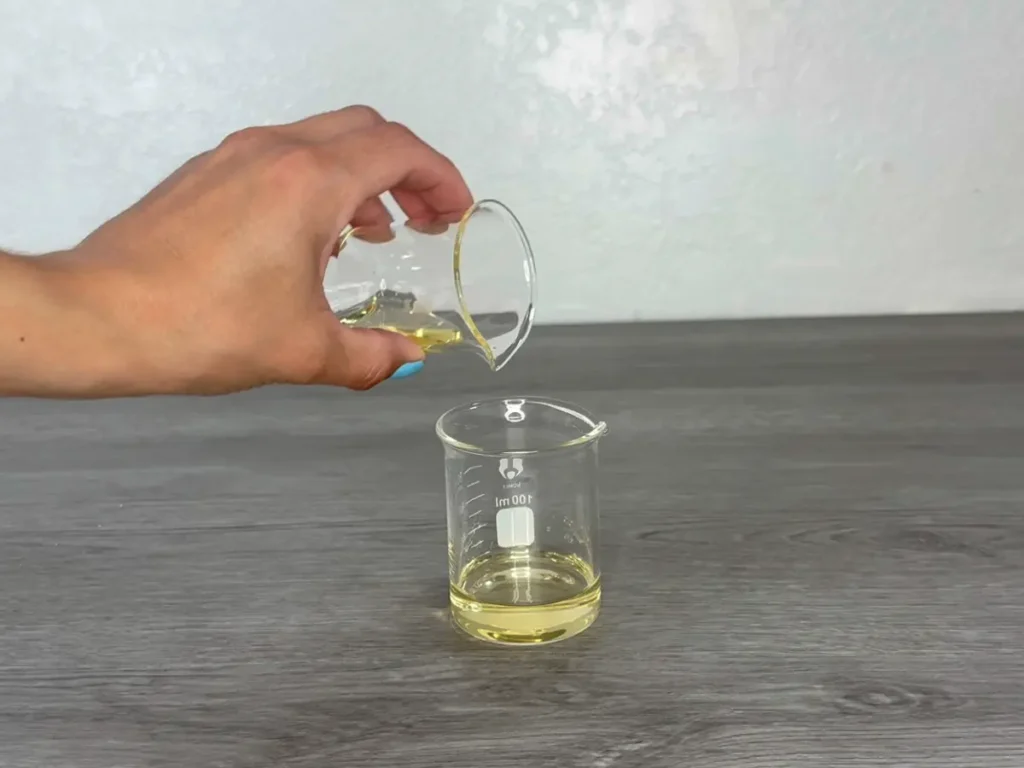
Polysorbate 80 can help incorporate fragrance oils into water-based products. The amount needed depends on the fragrance, the other ingredients, and the clarity or stability you want in the finished product.
For example, a liquid hand soap containing a small amount of fragrance and carrier oil may benefit from Polysorbate 80 to help those ingredients disperse throughout the formula.
It is important to note that adding Polysorbate 80 does not automatically make every fragrance oil completely soluble or produce a clear finished product.
Helps oils rinse away more easily
In rinse-off products, Polysorbate 80 can help reduce the greasy feeling associated with adding oils to a formulation.
This is useful in products such as sugar scrub cubes, where you may want the skin-conditioning benefits of an oil without leaving as much residue behind after rinsing.
Helps disperse colorants and other ingredients
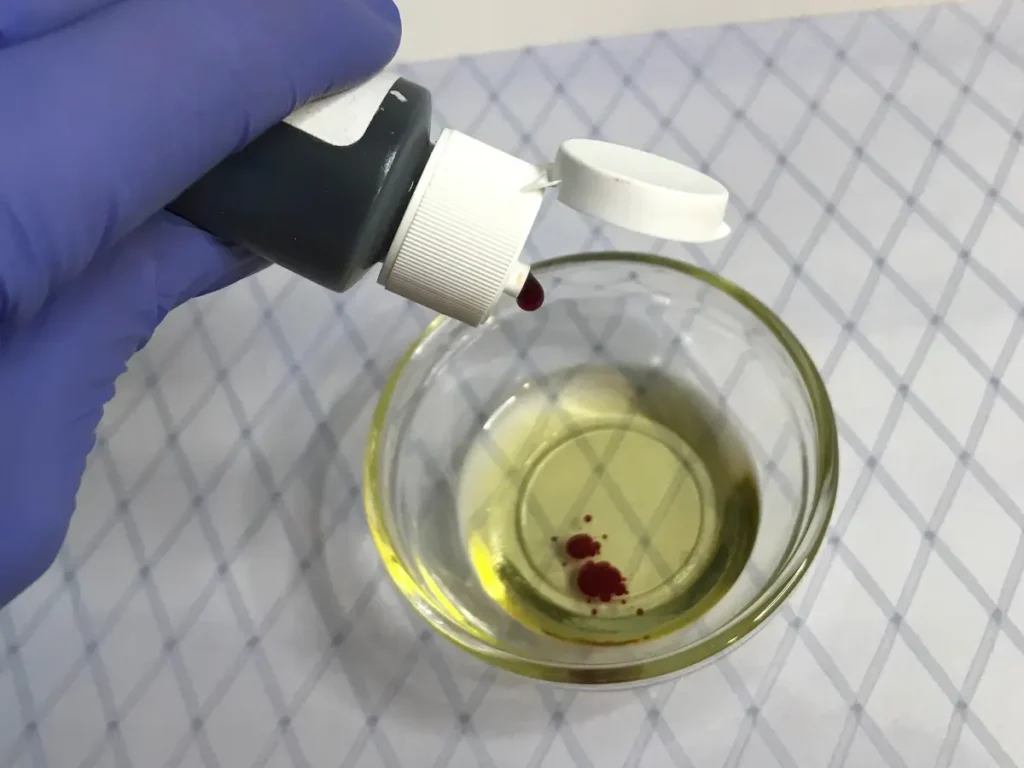
Polysorbate 80 can assist with dispersing certain oil-soluble colorants and other ingredients, depending on their chemistry. It is not a universal solution for every pigment or dye, so the specific colorant must still be appropriate for the intended product.
How Much Polysorbate 80 Should You Use?
The amount of Polysorbate 80 you need depends on the type of product you are making and the amount of oil or fragrance you want to disperse.
There is no single usage rate that works for every formula. Start with a formulation designed for your product type, then test the finished product to determine whether the oils disperse adequately.
| Product type | Formulation considerations |
| Bath bombs | Often used at a low percentage to help disperse oils and fragrance in bathwater. |
| Bath melts | May be used at a higher percentage because these products can contain substantial amounts of carrier oils and butters. |
| Liquid soaps | Can help incorporate small amounts of added oils and fragrance. |
| Sugar scrub cubes | Helps oils rinse away more easily; balance the amount with the soap base and other ingredients. |
| Solid bubble bath | Helps disperse oils, fragrance, and some colorants in bathwater. |
Some formulations use a starting ratio of one part Polysorbate 80 to one or two parts oil, but this is only a guideline, not a universal rule. The correct ratio depends on the oil, fragrance, other surfactants, and intended product performance.
Always follow the recommended usage range for your specific ingredient and test the finished formula.
DIY Recipes That Use Polysorbate 80
If you already have Polysorbate 80 on hand, these Summer Rain DIY recipes show how you can use it in different types of bath and body products.
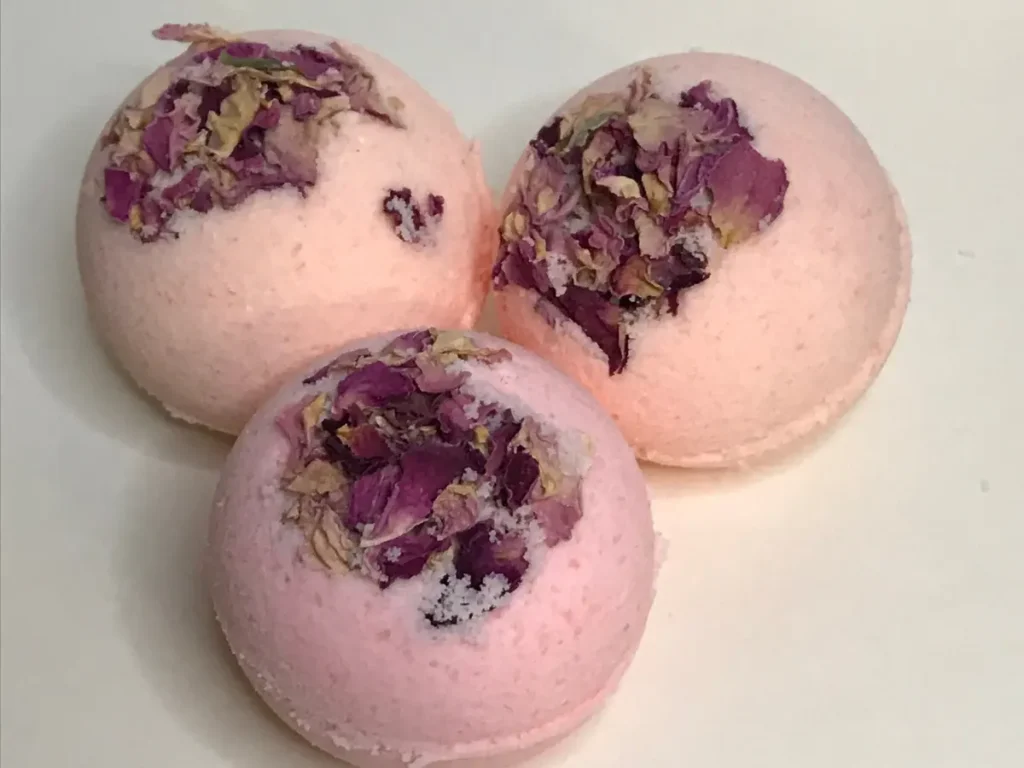
Polysorbate 80 helps disperse the added olive oil and fragrance throughout the bathwater rather than allowing the oil to sit on the surface.
This formula uses 6% Polysorbate 80 alongside cocoa butter, shea butter, olive oil, and fragrance oil. It helps disperse the oils when the melts are added to bathwater.
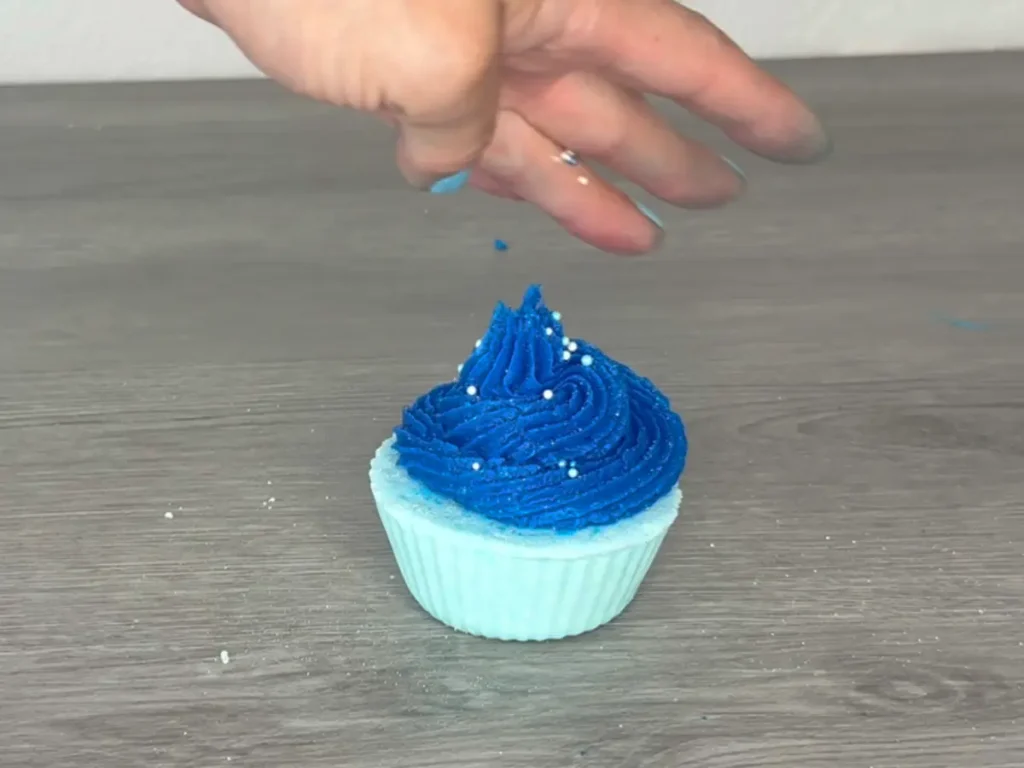
How to Make Cupcake Bath Bombs
This cupcake bath bomb formula contains 2% Polysorbate 80, along with cocoa butter and fragrance oil.
Learn how Polysorbate 80 helps disperse sweet almond oil and fragrance in a bath bomb formula.
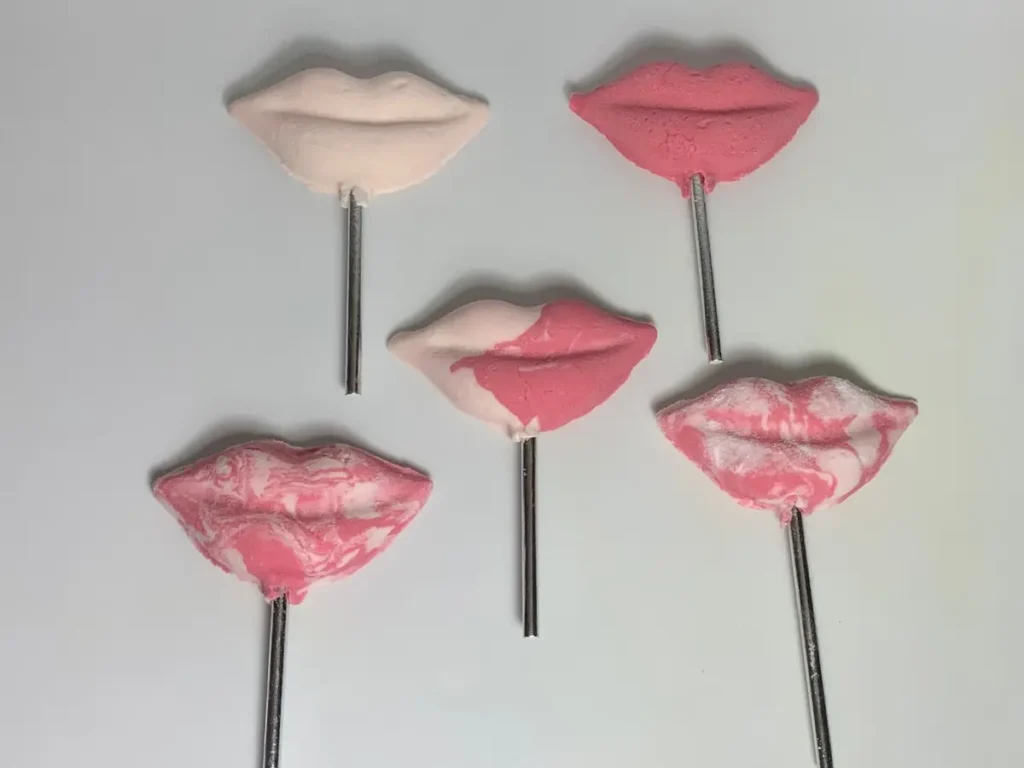
Polysorbate 80 helps distribute oils and fragrance in the bathwater. The formula also includes foaming surfactants, which perform the separate job of creating bubbles.
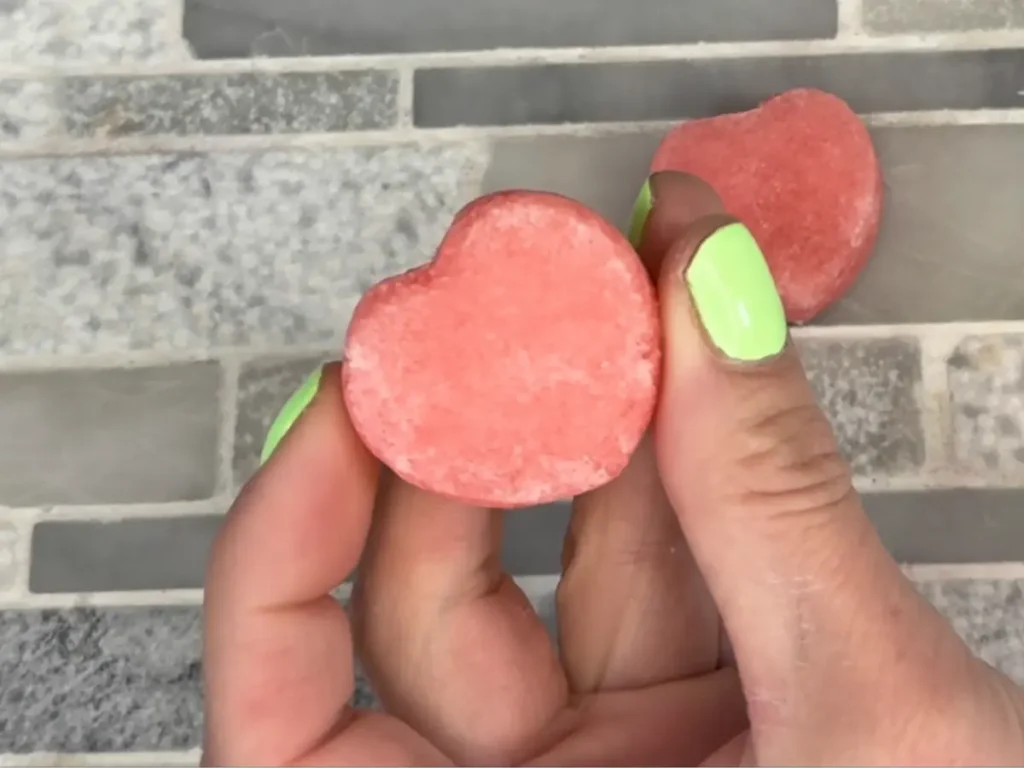
This recipe uses Polysorbate 80 to help the small amount of added oil rinse away more easily. The ingredient helps improve rinse-off but does not replace the soap base.
Polysorbate 80 helps incorporate sweet almond oil and fragrance oil into the water-based surfactant formula.
Polysorbate 80 vs. Polysorbate 20
Polysorbate 80 and Polysorbate 20 are both nonionic surfactants used to help solubilize or disperse oils, but they are not identical.
| Feature | Polysorbate 80 | Polysorbate 20 |
| Common applications | Bath products, oil-containing formulas | Fragrance and essential oil solubilization |
| Fatty acid component | Primarily oleic acid | Primarily lauric acid |
| Relative hydrophilic character | Less hydrophilic than Polysorbate 20 | More hydrophilic than Polysorbate 80 |
| Typical selection | Often considered for less water-soluble oils and heavier oil ingredients | Often considered for lighter fragrance and essential oil loads |
These are general tendencies, not strict rules. Either ingredient may work for some of the same applications, but the appropriate choice and usage level should be established through testing.
If you are formulating a product and want to understand how emulsifiers work more broadly, read Emulsifiers in Skincare: What They Are and How They Work.
Is Polysorbate 80 an Emulsifier or a Solubilizer?
It can function as both, depending on the formula.
An emulsifier helps form or stabilize a mixture of oil and water, while a solubilizer helps incorporate small amounts of oil-soluble ingredients into a water-based system.
In bath bombs, Polysorbate 80 helps disperse oils into the bathwater as the product dissolves. In a liquid soap, it may help incorporate a small amount of oil or fragrance into the formula.
However, Polysorbate 80 is not a substitute for a properly selected emulsifying system when formulating a conventional lotion. Lotions require an appropriate emulsifier and a formulation designed to remain stable over time.
For a deeper understanding, see Why Some DIY Skincare Separates and How to Fix It.
How to Add Polysorbate 80 to Your Formula
The best method depends on the type of product you are making.
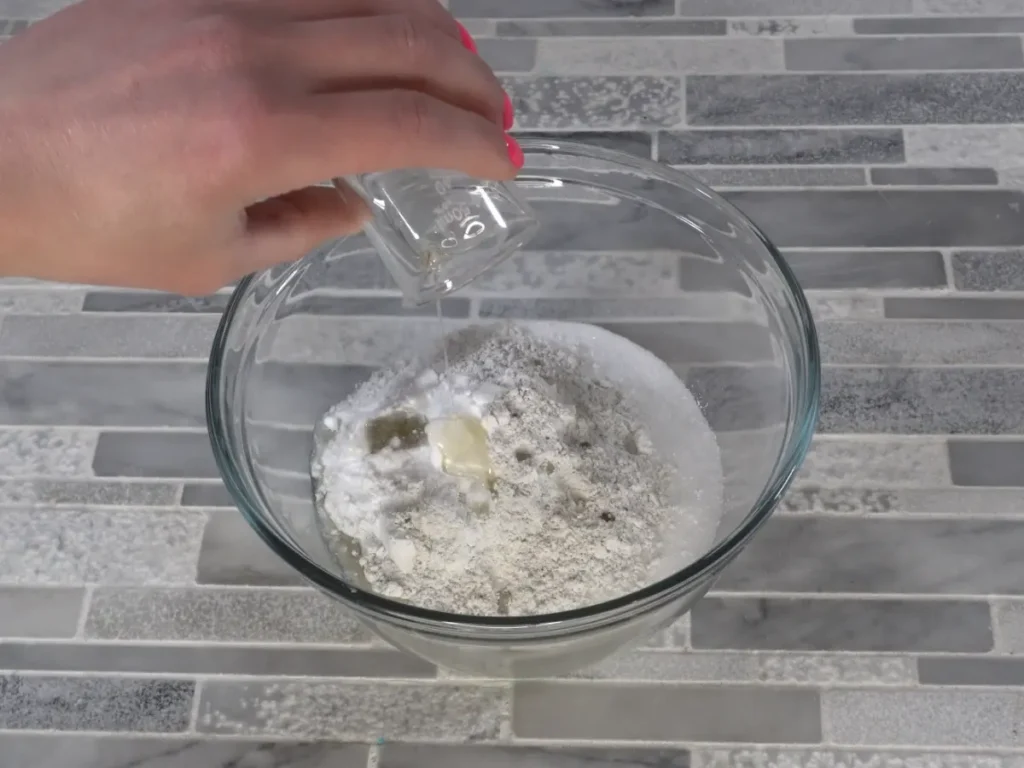
- Bath bombs: Mix Polysorbate 80 with the liquid oils and fragrance before incorporating the mixture into the dry ingredients.
- Bath melts: Add it to the oil-and-butter mixture according to your formula’s instructions, typically after heating when the ingredients have cooled sufficiently.
- Liquid soap: Combine it with the oil and fragrance ingredients as directed by your formulation, then incorporate that mixture into the main batch.
- Sugar scrub cubes: Add it with the oils and fragrance before mixing in the sugar.
Mix thoroughly and observe the finished product. A mixture that looks uniform immediately after mixing may still separate during storage or use.
For help calculating ingredient percentages and scaling your own formulas, read How to Convert a Recipe to a Formula.
Common Problems When Using Polysorbate 80
Why are my oils still floating on top of the bathwater?
You may not be using enough Polysorbate 80 for the particular oil or fragrance load, or the ingredients may not be sufficiently compatible. Try a small, controlled adjustment and test the product in water before making a larger batch.
Why is my liquid product cloudy?
Cloudiness does not necessarily mean the formula has failed. Some oil-and-surfactant combinations naturally create cloudy mixtures. If you need a clear product, you will need to select and test an appropriate solubilizer system.
Can I leave Polysorbate 80 out of a bath bomb?
You can formulate a bath bomb without it, but any added oils may float on the bathwater and leave residue on the tub. If you remove it, test the finished product carefully and consider whether the remaining formula is suitable for its intended use.
Does Polysorbate 80 preserve a product?
No. Polysorbate 80 is not a broad-spectrum preservative. Products containing water or exposed to water during use may require a suitable preservative system based on the complete formula and intended use.
Frequently Asked Questions
Is Polysorbate 80 safe for skin?
Polysorbate 80 is widely used in personal care products. Suitability depends on the concentration, formulation, product type, and individual skin tolerance. Use cosmetic-grade material and follow the supplier’s specifications.
Is Polysorbate 80 water-soluble?
It is water-dispersible and hydrophilic, which helps it work in water-based formulations. Its ability to incorporate oils depends on the oil and the overall formula.
Can I use Polysorbate 80 in lotion?
It is not a direct replacement for a conventional lotion emulsifier. Use an emulsifier designed for the type of emulsion you are making and test for stability.
Can I substitute Polysorbate 20 for Polysorbate 80?
Not automatically. They have different properties, so substitution may change the clarity, stability, and performance of the finished product. Reformulate and test rather than replacing it gram for gram without evaluation.
Does Polysorbate 80 create bubbles?
It is a surfactant, but it is not primarily used as a foaming agent. Ingredients such as SLSA and other foaming surfactants are generally used when the goal is to create abundant bubbles.
Final Thoughts
Polysorbate 80 is a versatile ingredient for DIY bath and body products, particularly when you want oils and fragrance to disperse more evenly in water or want an oil-containing rinse-off product to feel less greasy.
It is especially useful in bath bombs, bath melts, solid bubble bath, sugar scrub cubes, and certain liquid soap formulas.
The most important thing is to choose the right amount for the product you are making. Test the complete formula rather than assuming that a standard ratio will work for every oil or fragrance.