
Making your own hand wash at home is a fun way to create a personalized cleanser with your favorite fragrance and ingredients. Instead of buying another bottle of liquid hand soap, you can make your own with a silky texture and a scent you love.
This homemade hand wash combines coco glucoside, a plant-derived cleansing surfactant, with hazelnut oil for a conditioning touch. Carbopol 940 gives the mixture a thicker consistency, while champagne fragrance oil adds a luxurious scent.
In this tutorial, I’ll walk you through the ingredients, explain what each one does, and show you how to make your own hand wash at home. You’ll also find the complete recipe, formula, step-by-step instructions, and tips for customizing your finished product.
Why Make Your Own Hand Wash?
Making your own liquid hand wash gives you the freedom to experiment with different fragrances, ingredients, and textures.
You can create a hand wash that fits your preferences rather than choosing from the limited options available in stores. It’s also a fun project if you enjoy making your own bath and body products.
This recipe uses coco glucoside as its cleansing ingredient. It is a nonionic surfactant commonly used in personal care products because of its cleansing properties.
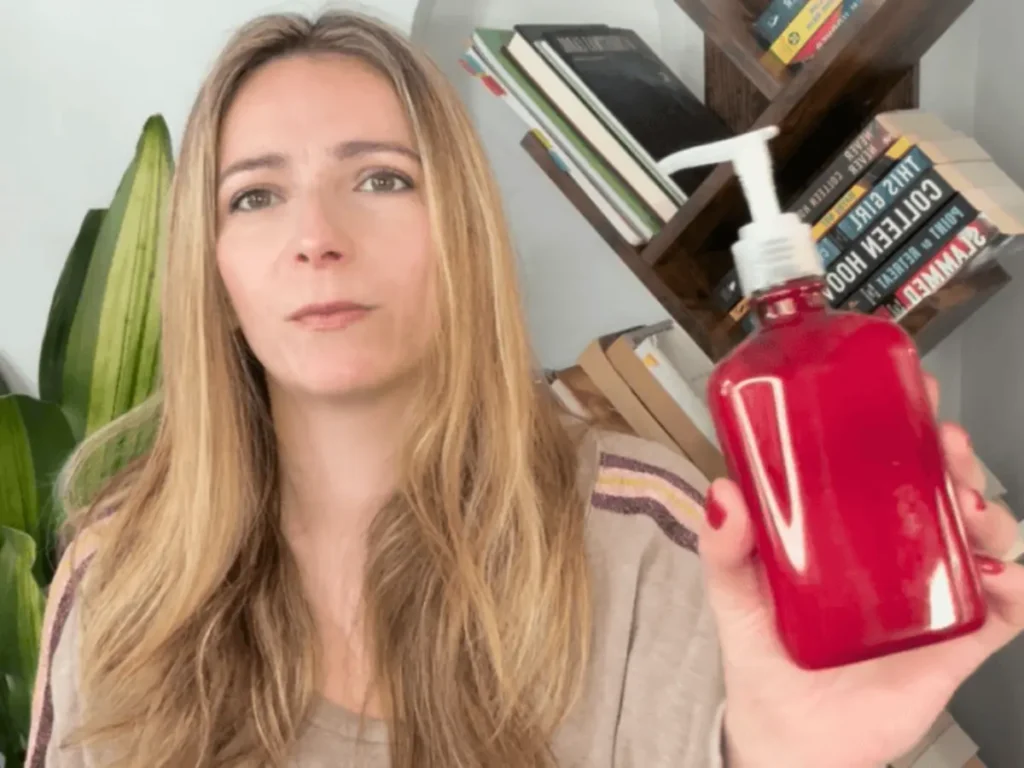
The addition of hazelnut oil gives the formulation an emollient component, while the fragrance makes washing your hands feel a little more special.
If you enjoy making your own personal care products, you might also like my DIY whipped body butter recipe.
Prefer to Watch This Project Instead of Reading It?
Watch the video tutorial to see how I make this homemade hand wash.
Some links on this website are affiliate links, meaning I may earn a small commission if you click and make a purchase. This comes at no additional cost to you.
Ingredients for Homemade Hand Wash
Here is what you’ll need to make this luxurious hand wash.
| Ingredient | Percentage | Weight (200 g batch) |
|---|---|---|
| Distilled Water | 77.2% | 154.4 g |
| Carbopol 940 Polymer | 0.3% | 0.6 g |
| Coco Glucoside | 15% | 30 g |
| Hazelnut Oil | 5% | 10 g |
| Liquid Germall Plus | 0.5% | 1 g |
| Champagne Fragrance Oil | 2% | 4 g |
| Total | 100% | 200 g |
Each ingredient serves a different purpose in the formulation. Understanding what they do will also help you when experimenting with other ingredients in future recipes.
Ingredient Breakdown and Substitutions
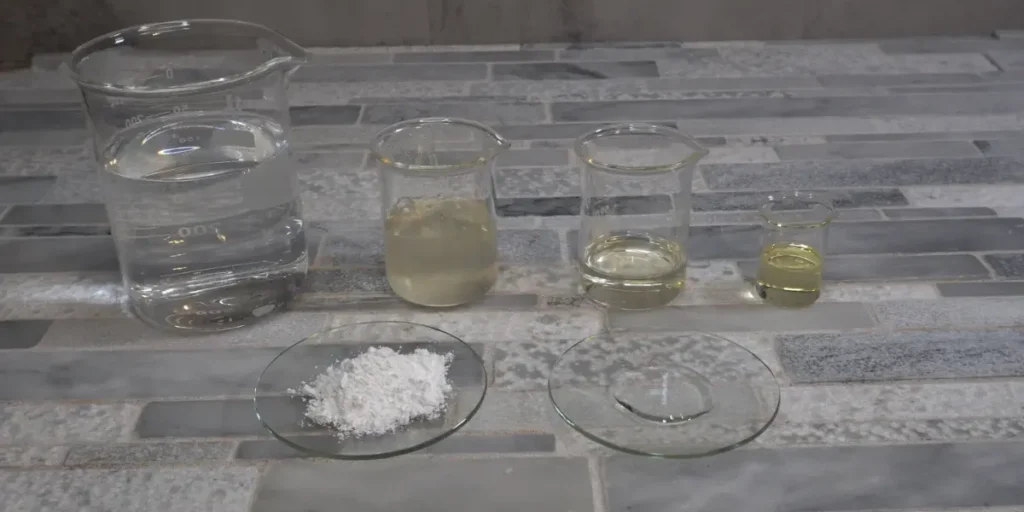
Distilled Water
Distilled water makes up the largest portion of this hand wash recipe. It acts as the base and provides the liquid needed to disperse the other ingredients.
I recommend using distilled water rather than tap water because it contains fewer minerals and impurities.
Although water may seem like a simple ingredient, it plays an important role in cosmetic formulations. Any product containing water needs an appropriate preservative to help prevent microbial growth.
Carbopol 940 Polymer
Carbopol 940 is a polymer-based thickening agent used to create gel-like textures in cosmetic products.
It helps transform a thin liquid into a thicker hand wash that is easier to dispense from a pump bottle.
Only a small amount is needed to provide thickening properties.
Carbopol 940 needs to be properly hydrated and neutralized to develop its full thickening ability.
Coco Glucoside
Coco glucoside is a mild, nonionic surfactant derived from plant-based materials.
Its primary purpose is cleansing. Surfactants help loosen dirt, oils, and other impurities so they can be rinsed away with water.
Coco glucoside is commonly used in shampoos, body washes, facial cleansers, and hand washes.
Other glucoside surfactants include:
- Decyl glucoside
- Lauryl glucoside
These can be used in other cleansing formulations, although their properties and recommended usage rates differ.
Hazelnut Oil
Hazelnut oil is a lightweight carrier oil used in skincare formulations for its emollient properties.
It helps give products a conditioning feel and can be used in a variety of homemade skincare recipes.
Other carrier oils you might experiment with include:
- Jojoba oil
- Sweet almond oil
- Grapeseed oil
Each carrier oil has its own characteristics, so the choice depends on the feel and properties you want in your finished product.
Keep in mind that oils need to be compatible with the water-based cleansing formulation to remain evenly distributed.
Liquid Germall Plus Preservative
Liquid Germall Plus is a broad-spectrum preservative used in water-based cosmetic products.
Because this hand wash contains distilled water, a preservative is essential to help protect the product against bacteria, yeast, and mold.
Preservatives are not optional in water-based DIY skincare. Microorganisms can grow even when a product looks and smells perfectly fine.
I use Liquid Germall Plus in many of my homemade skincare formulations because it is effective at a low usage rate.
For more information, read my article on why preservatives matter in DIY skincare.
Champagne Fragrance Oil
Champagne fragrance oil gives this hand wash its luxurious scent.
You can experiment with different fragrance oils to create a hand wash that matches your preferences. Floral, citrus, herbal, and fresh fragrances are all possibilities.
Always check the supplier’s documentation to make sure your fragrance is suitable for rinse-off products and that your usage rate is within the recommended IFRA limit.
Equipment Needed
Before getting started, gather the following equipment:
- Digital scale
- Mixing bowl
- Immersion blender
- Silicone spatula
- Small containers for weighing ingredients
- Clean pump bottle for packaging
- pH meter
Make sure your equipment and workspace are clean before beginning.
How to Make Homemade Hand Wash
Now that you have your ingredients and equipment ready, it’s time to make your hand wash.
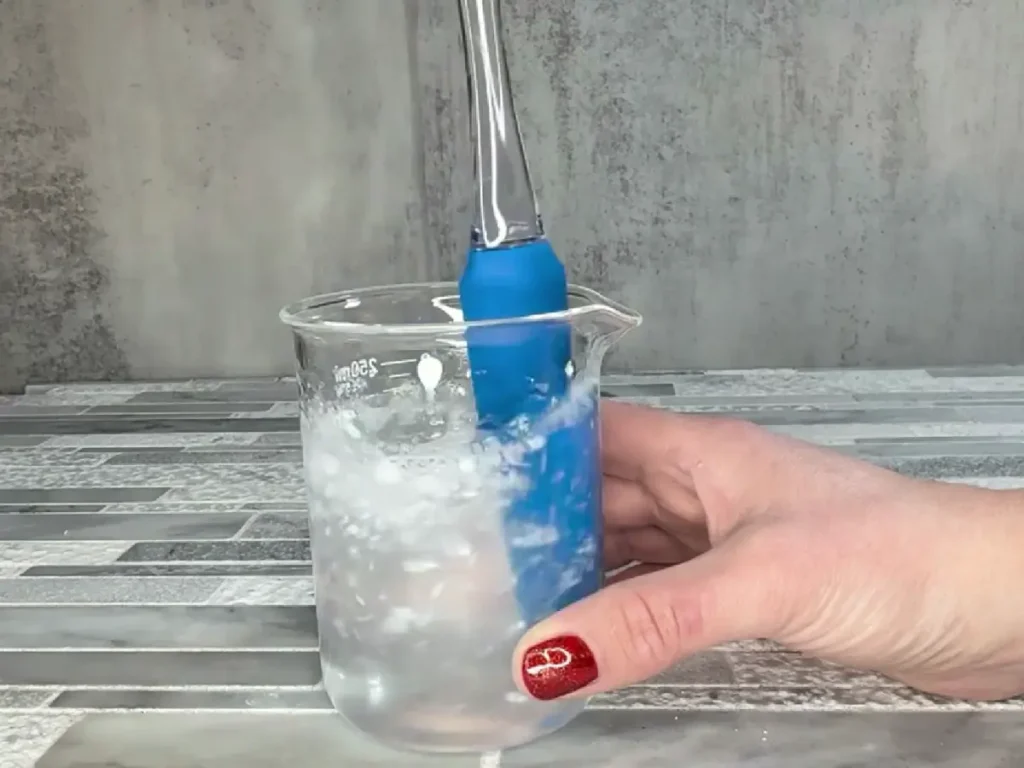
Step 1: Hydrate the Thickener
Begin by measuring the distilled water into a clean mixing bowl.
Gradually sprinkle the Carbopol 940 polymer into the water while mixing with an immersion blender.
Avoid adding all the powder at once. Sprinkling it in gradually helps prevent clumps and allows the polymer to disperse more evenly.
Allow the mixture to sit for approximately 15 minutes so the Carbopol can hydrate.
Proper hydration is important for achieving a smooth consistency.
Step 2: Add the Coco Glucoside
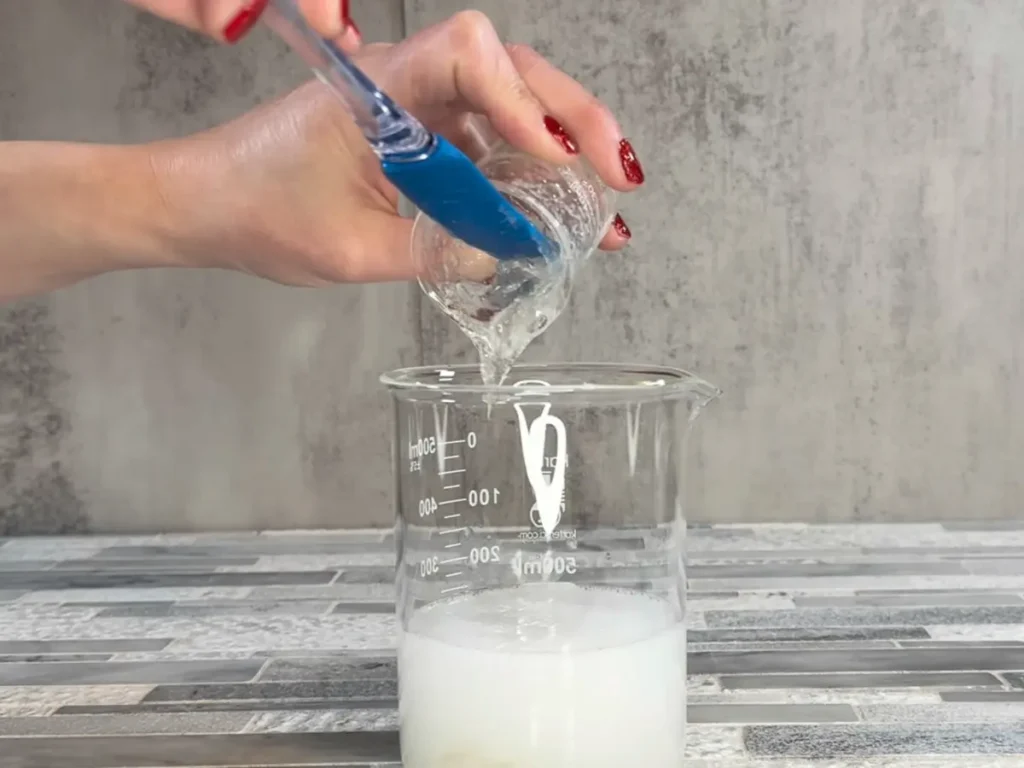
Once the Carbopol has hydrated, weigh out the coco glucoside.
Slowly add it to the water mixture while stirring gently.
Mix until the surfactant is incorporated.
Avoid mixing too aggressively because surfactants can create excess foam. Gentle mixing helps reduce the amount of air introduced into your hand wash.
Step 3: Incorporate the Hazelnut Oil
Measure the hazelnut oil and add it to the mixture.
Mix until incorporated.
Hazelnut oil is included to add an emollient component to the formulation.
Step 4: Add the Preservative and Fragrance
Next, add the Liquid Germall Plus preservative.
Mix well to distribute the preservative throughout the formulation.
Finally, add the champagne fragrance oil and mix until incorporated.
Always follow the manufacturer’s temperature and usage recommendations when adding your preservative and fragrance.
Step 5: Adjust the Consistency
Check the consistency of your hand wash.
If the mixture is thicker or thinner than you prefer, adjustments may be necessary.
When working with Carbopol 940, remember that its thickening ability depends on proper hydration and neutralization. Adding extra water or thickener without considering the formulation can affect the finished product.
Step 6: Package Your Hand Wash
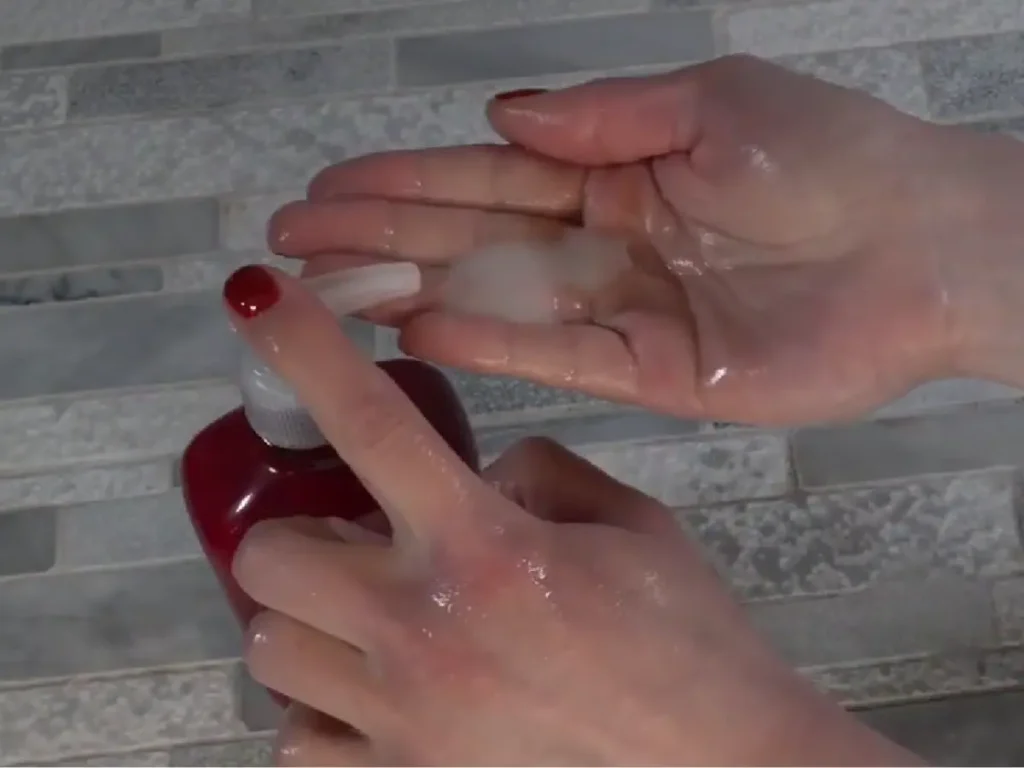
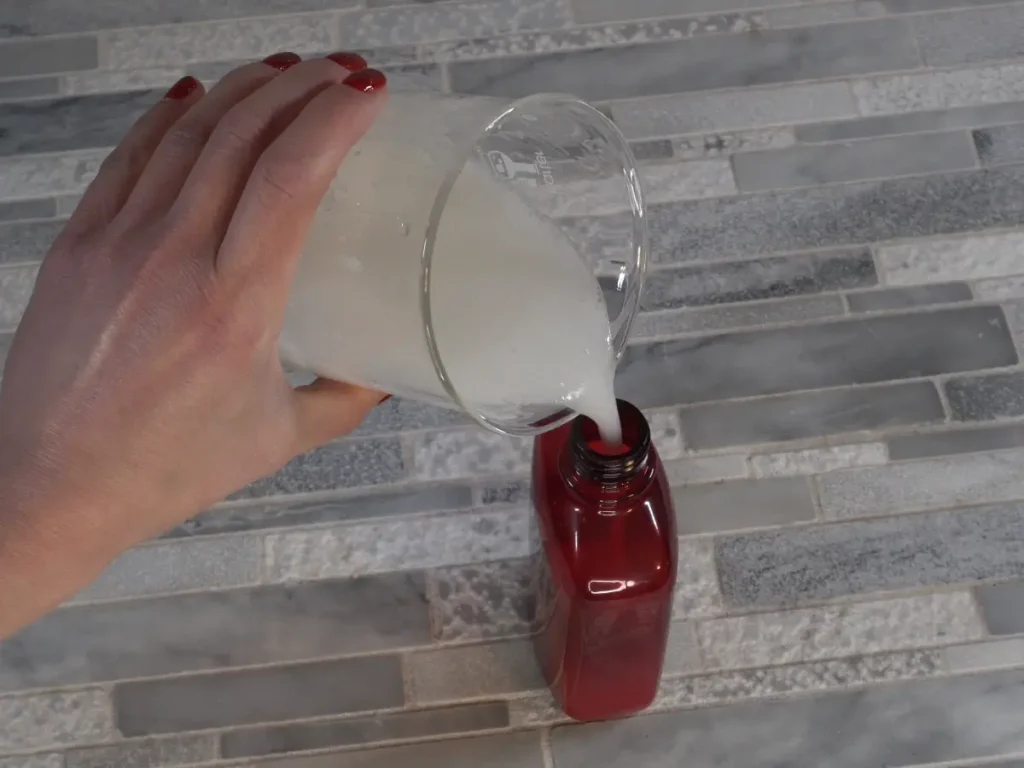
Once your hand wash is ready, transfer it into a clean pump bottle.
Pump bottles are convenient because they make dispensing easy and help minimize direct contact with the product.
If you’re making hand wash as a gift, you can use decorative bottles and personalized labels to give it a more finished appearance.
Tips for Making Homemade Hand Wash
A few simple practices can make your DIY projects easier and help you get more consistent results.
Use a Digital Scale
Always weigh your ingredients rather than relying on teaspoons or tablespoons. Small measurement differences can affect the finished product.
Mix Slowly
Surfactants can produce excess foam when mixed too aggressively. Use gentle mixing when incorporating coco glucoside.
Use Distilled Water
Distilled water is my preferred choice for water-based cosmetic formulations because it contains fewer minerals and impurities than tap water.
Keep Your Equipment Clean
Clean and sanitize your equipment, containers, and workspace before starting. This helps minimize contamination.
Check Your pH
A pH meter is useful when making personal care products. Calibrate it according to the manufacturer’s instructions and check the finished formulation.
How to Store Homemade Hand Wash
Store your finished hand wash in a clean, closed pump bottle in a cool, dry place away from direct sunlight.
Because this is a water-based product, proper preservation is important.
When properly prepared and stored, use within 6–12 months.
For more information about product longevity, see my guide on how to determine the shelf life of homemade cosmetics.
Frequently Asked Questions
Can I use a different fragrance oil?
Yes. You can experiment with different fragrance oils to create your own scent. Just make sure the fragrance is suitable for rinse-off products and follow the supplier’s recommended usage limits.
Can I substitute coco glucoside with another surfactant?
Other glucoside surfactants, such as decyl glucoside and lauryl glucoside, can be used in liquid cleansing formulations. However, they have different properties, so substitutions may affect the final consistency and performance.
Why does homemade hand wash need a preservative?
Hand wash contains water, which creates an environment where bacteria, yeast, and mold can grow. A suitable broad-spectrum preservative helps protect the product during storage and use.
Can I use tap water instead of distilled water?
I recommend distilled water for DIY cosmetic formulations. Tap water contains varying amounts of minerals and impurities that may affect your formulation.
Can I use this recipe in a foaming soap dispenser?
This recipe is intended for a regular pump bottle rather than a foaming dispenser. Foaming dispensers require a much thinner formulation designed specifically for that type of pump.
Final Thoughts
Making your own luxurious hand wash is a fun way to experiment with personal care formulations and create something with a fragrance you love.
With coco glucoside for cleansing, hazelnut oil, and a lovely champagne fragrance, this recipe gives you a starting point for exploring homemade liquid cleansers.
Once you’re comfortable working with the ingredients, you can experiment with different fragrances and learn more about how surfactants, thickeners, and other cosmetic ingredients work together.
Happy crafting!

Luxurious Hand Wash Recipe
Equipment
- Scale
Ingredients
- 200.72 grams | 77.29% Distilled Water
- 0.78 gram |0.3% Carbopol 940 Polymer
- 39 grams | 15% Coco Glucoside
- 13 grams | 5% Hazelnut Oil
- 1.3 grams | 0.5% Germall Plus Preservative
- 5.2 grams | 2% Champagne Fragrance Oil
Instructions
- Sprinkle the Carbopol 940 polymer into the water while continuously mixing with an immersion blender. Let the mixture sit for about 15 minutes.
- Once the Carbopol is fully hydrated, measure out the coco glucoside and slowly add it to the mixture. Mix well to ensure uniformity.
- Add hazelnut oil, preservative and fragrance oil and mix well.
- Transfer the finished hand wash into a clean, airtight container.