
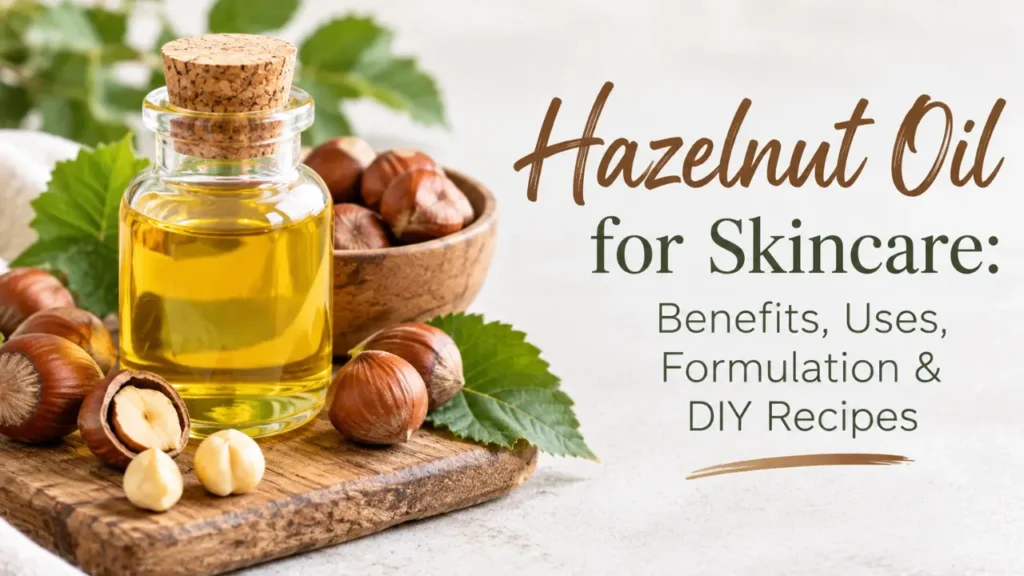
Hazelnut oil is a lightweight plant oil used in skincare to soften the skin, improve product texture, and create moisturizers that absorb comfortably without feeling overly greasy. It is a useful ingredient for DIY lotions, facial oils, body oils, and other oil-based skincare products.
If you enjoy experimenting with different carrier oils, hazelnut oil is worth exploring. Its relatively light skin feel makes it a good option when you want the conditioning benefits of an oil without the heavier finish of some richer oils.
In this guide, we’ll look at what hazelnut oil does, how to use it in DIY skincare formulations, which oils can replace it, and how to incorporate it into your own recipes.
Hazelnut Oil at a Glance
| Hazelnut Oil | |
|---|---|
| INCI Name | Corylus Avellana (Hazel) Seed Oil |
| Ingredient Type | Plant oil / emollient |
| Appearance | Liquid oil, typically pale yellow to golden |
| Solubility | Oil soluble; insoluble in water |
| Skin Feel | Lightweight, smooth and silky |
| Common Uses | Lotions, facial oils, body oils, massage oils, creams and balms |
| Oil Phase | Yes |
| Natural Aroma | Mild, nutty aroma |
| Best Known For | Its lightweight skin feel, emollient properties and oleic acid content |
What Is Hazelnut Oil?
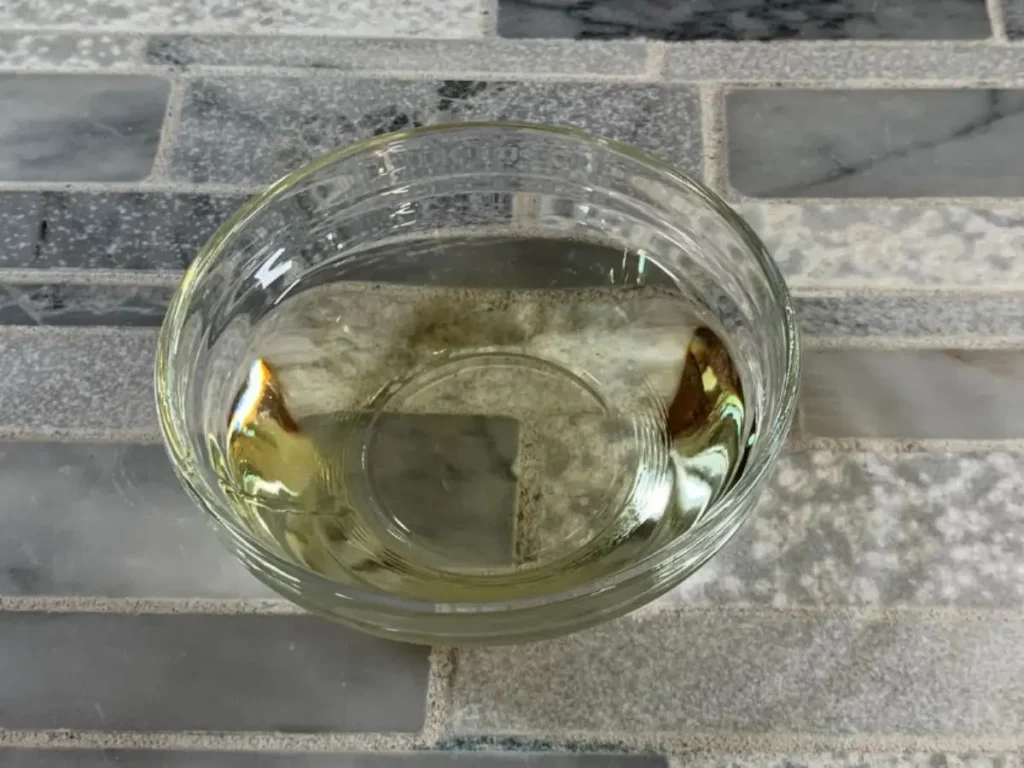
Hazelnut oil is a vegetable oil extracted from hazelnuts. It contains fatty acids, including oleic and linoleic acids, that contribute to its emollient properties.
In cosmetic formulations, hazelnut oil is primarily used as an emollient. It helps soften and smooth the skin while contributing to the overall texture and spreadability of a finished product.
Hazelnut oil is generally considered a lightweight oil, although the way it feels on the skin can vary depending on its quality, refining process, and the other ingredients in the formula.
It is commonly used in:
- Facial and body oils
- Lotions and creams
- Body butters
- Massage oils
- Balms and other oil-based products
What Does Hazelnut Oil Do in Skincare?
1. Softens and Conditions the Skin
Hazelnut oil acts as an emollient, helping soften the skin and improve its feel. It can make dry or rough skin feel smoother and more comfortable.
Unlike a humectant such as vegetable glycerin, hazelnut oil does not primarily attract water. Instead, it helps condition the skin and reduce the dry, rough feeling associated with moisture loss.
For a more detailed explanation of how these ingredients work together, read Humectants, Occlusives, and Emollients Explained.
2. Adds a Lightweight, Silky Feel
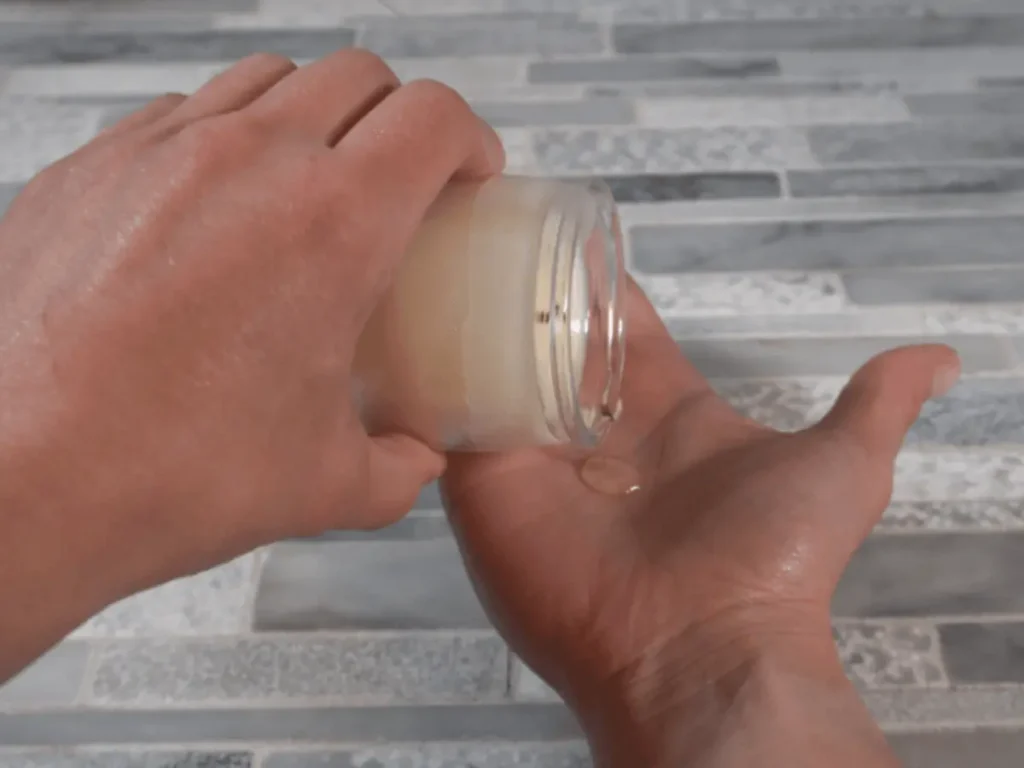
One reason to choose hazelnut oil is its relatively light skin feel. It can help create lotions and body oils that spread easily without feeling as heavy as formulations made with larger amounts of richer oils or butters.
The finished texture still depends on the entire formula. For example, a lotion containing hazelnut oil and a large percentage of butter will feel different from a lightweight facial oil made primarily with liquid oils.
3. Provides Fatty Acids for Skin Conditioning
Hazelnut oil contains fatty acids that contribute to its emollient properties. Its fatty acid profile can vary depending on the source and processing method.
These fatty acids help give the oil its characteristic conditioning feel, making it useful in formulations designed to leave the skin feeling soft and smooth.
4. Contributes Naturally Occurring Antioxidants
Hazelnut oil may contain naturally occurring vitamin E compounds, including tocopherols, depending on how the oil was produced and processed.
These compounds contribute antioxidant activity within the oil itself. However, the amount varies, and hazelnut oil should not be treated as a substitute for a properly selected antioxidant or preservative system.
If you want to understand the difference between antioxidants and preservatives, keep in mind that antioxidants help slow oxidation, while preservatives protect water-containing products against microbial growth.
5. Helps Improve Product Spreadability
Hazelnut oil can help a lotion or oil-based product spread more easily over the skin. This can be particularly useful in facial moisturizers, body oils, and lightweight lotions where a smooth application is desirable.
The amount you use will influence the final product’s feel, so it is worth testing different levels when developing your own formulas.
How to Use Hazelnut Oil in DIY Skincare
It can be incorporated into several types of cosmetic products.
Hazelnut Oil in Lotion
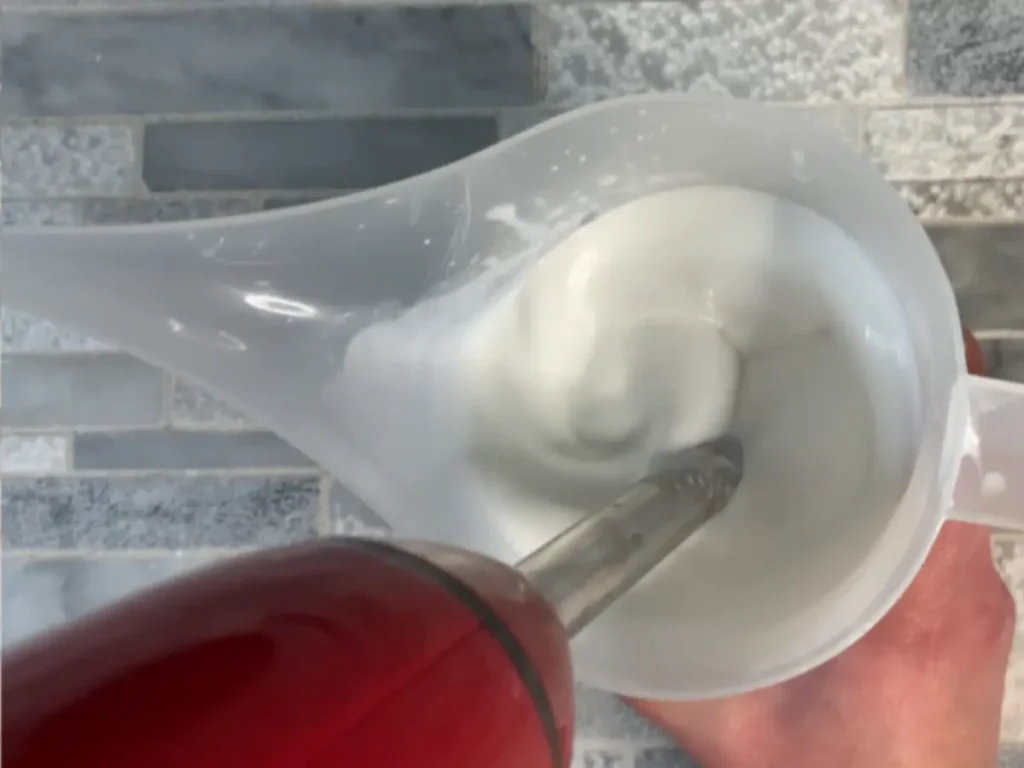
Hazelnut oil can be added to the oil phase of an emulsion. It contributes emollient properties and helps determine the finished lotion’s skin feel.
Because lotion contains both water and oil, you need an appropriate emulsifier to keep the ingredients combined. A broad-spectrum preservative is also necessary for a water-containing product.
Try it in: DIY Shimmer Lotion Recipe and Body Lotion
This recipe uses hazelnut oil alongside mango butter, emulsifying wax NF, and cetearyl alcohol to create a lotion with a soft shimmer.
Hazelnut Oil in Facial Oils
Hazelnut oil can be used as part of an anhydrous facial oil blend. You can combine it with other compatible carrier oils to adjust the texture and skin feel.
Choose oils based on their properties, oxidation stability, and suitability for your intended product rather than assuming every plant oil is interchangeable.
A facial oil made entirely from oils does not need a conventional water-phase preservative, provided water is not introduced during manufacturing or use. Good manufacturing practices and attention to oxidation are still important.
Hazelnut Oil in Body Oils
Hazelnut oil can be blended with other liquid carrier oils to make a lightweight body oil.
The proportions will affect how quickly the blend spreads, how long it takes to absorb, and how much residue it leaves on the skin.
For a beginner, a small test batch is a useful way to compare different oil combinations before making a larger amount.
Hazelnut Oil in Body Butters
Hazelnut oil can be incorporated into anhydrous body butter formulations to adjust their softness and spreadability.
Keep in mind that liquid oils can soften a butter formulation. If you replace a harder butter or wax with hazelnut oil, the final product may become softer or less structurally stable.
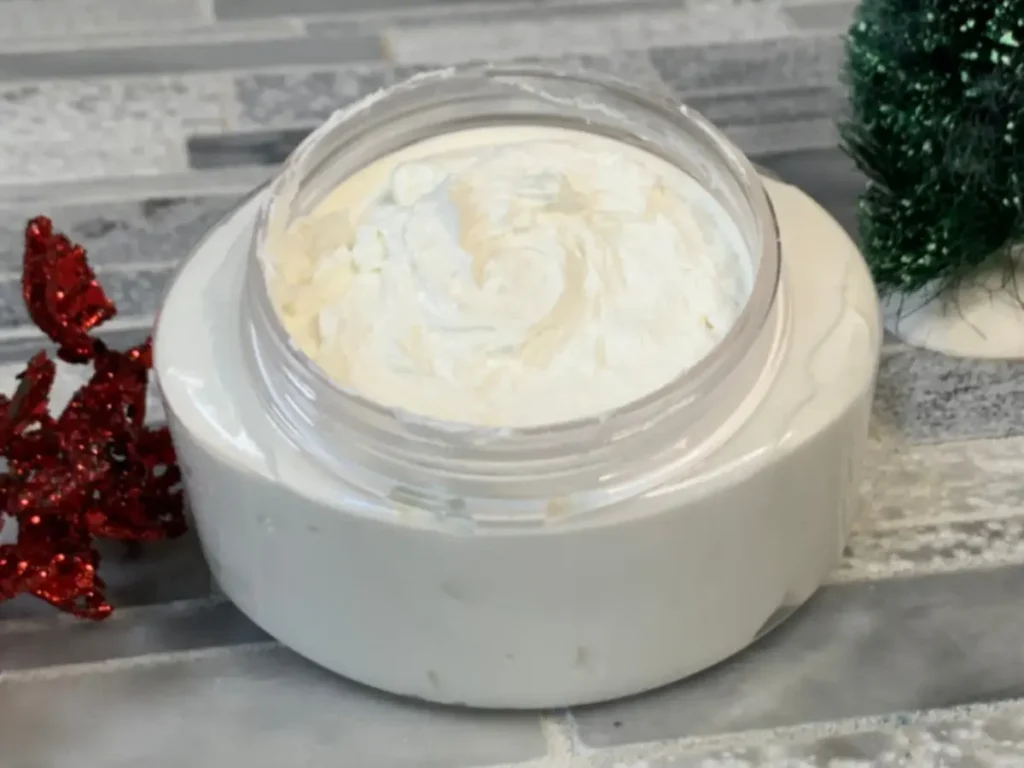
Try this Body Butter with Hazelnut Oil
How Much Hazelnut Oil Should You Use?
There is no single usage rate that works for every product. The appropriate amount depends on the product type, the other ingredients, and the desired texture.
As a starting point for formulation experiments, consider these illustrative ranges:
| Product type | Starting range |
| Lotion or cream | 2–10% |
| Facial oil blend | 10–50% |
| Body oil blend | 10–50% |
| Anhydrous body butter | 5–20% |
For lotions and creams, include hazelnut oil in the total oil phase and account for the requirements of your chosen emulsifier. For anhydrous products, adjust the remaining oils, butters, and waxes to maintain the desired consistency.
When developing a formula, work in percentages so you can accurately scale the batch. Learn more in How to Convert a Recipe to a Formula.
What Can You Substitute for Hazelnut Oil?
If you don’t have hazelnut oil, another liquid carrier oil may work. However, substitutions can change the texture, absorption, oxidation stability, and overall performance of your product.
Grapeseed Oil
Grapeseed oil is a relatively lightweight liquid oil that can work in facial oils, body oils, and lotions. It can be more prone to oxidation than some other oils, so consider its quality, storage, and expected shelf life.
Apricot Kernel Oil
Apricot kernel oil is a popular emollient in lotions, creams, and body oils. It can provide a soft, smooth skin feel and is a reasonable candidate when replacing hazelnut oil.
Sweet Almond Oil
Sweet almond oil is a versatile carrier oil that works in many DIY skincare formulations. Depending on the formula, it may create a slightly different skin feel from hazelnut oil.
Learn more in my Sweet Almond Oil ingredient guide
Fractionated Coconut Oil (MCT Oil)
Fractionated coconut oil, often sold as MCT oil, is a lightweight liquid emollient commonly used in body oils and other anhydrous formulations. Its composition differs from hazelnut oil, so the two will not necessarily produce identical results.
Learn more in my Fractionated Coconut Oil ingredient guide
Formulation tip: When substituting one carrier oil for another, start with a small test batch. In a lotion, replacing an oil at the same percentage may be a reasonable starting experiment, but you should still evaluate stability, viscosity, and skin feel. In a body butter, you may also need to adjust the amount of hard butter or wax.
Is Hazelnut Oil Suitable for Every Skin Type?
Hazelnut oil may work well for some people, but no carrier oil is ideal for everyone.
Its relatively lightweight feel may appeal to people who dislike heavy skincare products. However, skin compatibility depends on the individual, the finished formulation, and how the product is used.
Hazelnuts are tree nuts, so people with hazelnut allergies should exercise particular caution. Cosmetic processing can affect the composition of an oil, but it does not justify assuming that every hazelnut-derived ingredient is safe for someone with an allergy. Consult an appropriate healthcare professional about individual allergy concerns, and avoid use if you have been advised to avoid the ingredient.
For facial products, patch testing can help identify some types of irritation, although it cannot guarantee that an allergic reaction will not occur.
Does Hazelnut Oil Need a Preservative?
Pure hazelnut oil does not require a conventional broad-spectrum cosmetic preservative because it does not contain an aqueous phase that supports microbial growth in the same way as water-based products.
However, oils can oxidize over time. Heat, light, oxygen, and the oil’s initial quality can affect how quickly this happens.
Store hazelnut oil in a tightly closed container away from excessive heat and light. Follow the supplier’s recommended storage conditions and use-by date.
Vitamin E may help slow oxidation in an oil blend, depending on the formulation, but it is not a preservative and will not protect a water-containing lotion from bacteria, yeast, and mold.
If you’re making lotion with hazelnut oil, you still need an appropriate preservative system. Read Why Preservatives Matter in DIY Skincare
Tips for Working With Hazelnut Oil
- Check the ingredient quality. Choose cosmetic-appropriate oil from a supplier that provides suitable product information.
- Store it properly. Protect it from heat, air, and direct light.
- Measure by weight. Use a digital scale and work in grams and percentages for repeatable results.
- Test substitutions. Different oils have different fatty acid profiles and oxidation characteristics.
- Account for the complete formula. The oil’s percentage, the other emollients, and the emulsifier all influence the final product.
- Keep water-containing products properly preserved. An oil does not replace a broad-spectrum preservative.
DIY Recipes That Use Hazelnut Oil
Ready to see hazelnut oil in action? Start with this recipe from Summer Rain DIY.
Frequently Asked Questions
Is hazelnut oil a carrier oil?
Yes. Hazelnut oil is a plant-derived carrier oil that can be used alone or blended with other oils in cosmetic formulations.
Is hazelnut oil lightweight?
It is generally considered a relatively lightweight oil, although the finished skin feel depends on the oil’s processing and the other ingredients in the formula.
Can I use hazelnut oil in homemade lotion?
Yes. It can be incorporated into the oil phase of a properly formulated emulsion. Use an appropriate emulsifier and broad-spectrum preservative, and follow a tested formulation process.
Can hazelnut oil replace sweet almond oil?
It may be a suitable substitute in some formulations, but the two oils have different compositions and may produce different results. Test the substitution rather than assuming the finished product will remain identical.
Does hazelnut oil hydrate the skin?
Hazelnut oil is primarily an emollient. It softens and conditions the skin and can help reduce moisture loss, but it does not provide water to the skin in the same way a water-based product does.
Does hazelnut oil contain vitamin E?
Hazelnut oil can contain naturally occurring tocopherols, including vitamin E compounds. The amount varies with processing and oil quality, and it should not be assumed to provide a standardized vitamin E concentration.
Final Thoughts
Hazelnut oil is a useful emollient to explore when formulating lightweight lotions, facial oils, body oils, and body butters. It can soften the skin, improve spreadability, and help create products with a comfortable skin feel.
As with any cosmetic ingredient, the best way to learn how it performs is to test it in a well-balanced formula and compare the results with other carrier oils.
If you’re building your formulation skills, start with the Skincare Formulation for Beginners guide, then try the DIY Shimmer Lotion recipe to see how hazelnut oil works alongside butters, emulsifiers, and other ingredients.