

Have you ever wanted to make your own solid shampoo bar at home? A syndet bar is a great project to try if you want to explore DIY hair care without making traditional lye-based soap.
Unlike a traditional shampoo bar made with oils and lye, a syndet shampoo bar uses surfactants to cleanse your hair. The result is a compact, solid shampoo that is easy to store, convenient for travel, and can be customized with ingredients suited to your hair care preferences.
In this tutorial, I’ll explain what goes into a syndet bar, why each ingredient matters, and how to make your own solid shampoo bar from scratch.
This recipe uses Sodium Cocoyl Isethionate (SCI), Sodium Lauryl Sulfoacetate (SLSa), and Cocamidopropyl Betaine to create the cleansing base. I’ve also included ingredients to help the bar hold its shape and give it a more conditioning feel.
Before you begin: This recipe uses powdered surfactants, so work in a well-ventilated area and wear suitable respiratory protection to avoid inhaling airborne powder.
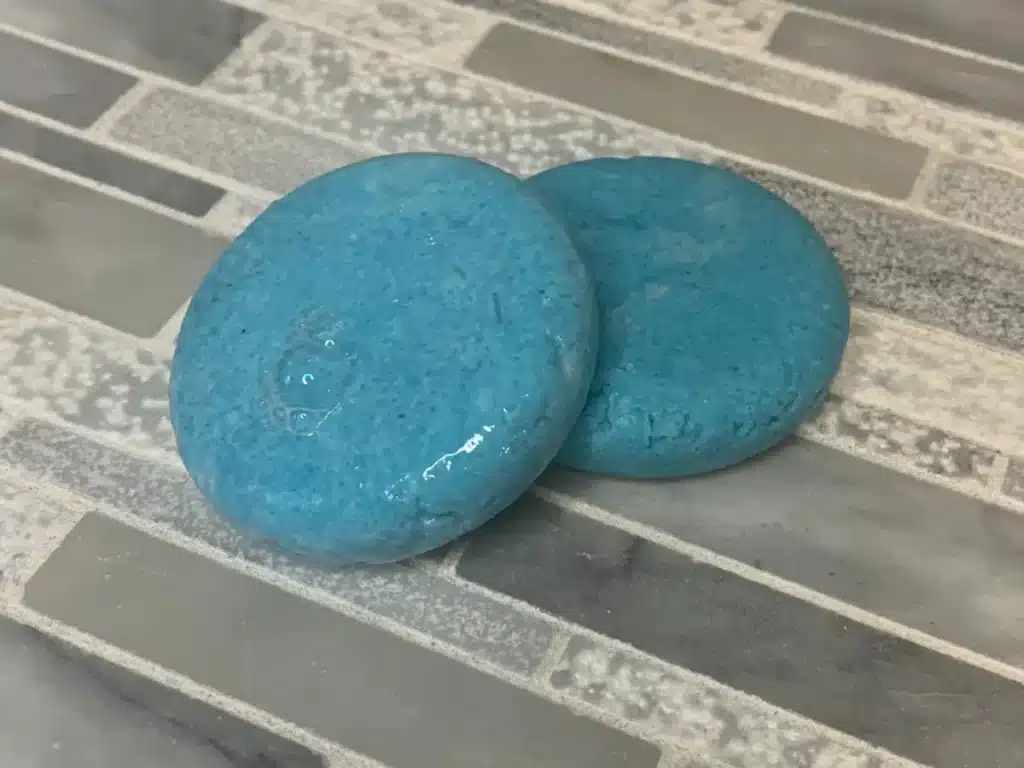
Syndet Bars vs. Traditional Soap Bars
Although syndet bars and traditional soap bars can look similar, they are made differently.
The word syndet comes from “synthetic detergent.” It describes a cleansing product made with surfactants rather than traditional soap produced by combining oils or fats with an alkali.
Surfactants help water remove dirt, excess oil, and other residues from your hair and scalp. Each surfactant molecule has a water-attracting portion and an oil-attracting portion. This allows it to help lift oily residues so they can be rinsed away.
Traditional soap, on the other hand, is produced through a process called saponification, which involves oils or fats reacting with an alkali such as sodium hydroxide.
One important difference is pH. Traditional soap is alkaline, while a properly formulated syndet shampoo bar can be made closer to the naturally acidic environment of the scalp and hair.
This matters because highly alkaline cleansing products can increase hair friction, tangling, and roughness for some hair types.
If you’re interested in learning more about how cleansing ingredients work, read my guide to surfactants.
Prefer to Watch How to Make a Shampoo Bar Tutorial?
Some of the links are affiliate links, because I am an associate and I earn a small commission on them.
Why Make a Syndet Shampoo Bar?
Solid shampoo bars offer a different approach to everyday hair care. Instead of storing liquid shampoo in a bottle, the cleansing ingredients are combined into a compact solid product.
Here are a few reasons you might want to try making your own.
Convenient for travel
A solid shampoo bar is compact and doesn’t require a traditional liquid shampoo bottle. It can be especially convenient when packing for a trip.
Customizable ingredients
Making your own shampoo bar allows you to choose the surfactants, conditioning ingredients, butters, proteins, and fragrance you want to experiment with.
Keep in mind that every ingredient affects the final formula, so changes should be made carefully rather than by simply adding more ingredients.
A different cleansing experience
Syndet bars can be formulated with a range of cleansing strengths and conditioning properties. Choosing suitable surfactants and balancing them with the other ingredients helps determine how the finished bar performs.
Less liquid packaging
Because the shampoo is solid, it can reduce the need for conventional liquid shampoo bottles, depending on how the finished product is packaged.
How Are Syndet Bars Made?
A syndet shampoo bar is made by combining surfactants with ingredients that help bind, soften, condition, and shape the finished product.
The surfactants form the cleansing base. Other ingredients help create a workable mixture that can be pressed into a mold and allowed to firm up.
In this recipe, I use a combination of SCI, SLSa, and Cocamidopropyl Betaine. Cocoa butter and cetyl alcohol contribute to the bar’s structure and feel, while sodium lactate helps with hardening.
The mixture is then packed into a mold and left to firm up before use.
Unlike traditional soap making, this process doesn’t require a lye solution. However, surfactant powders still require careful handling, and the finished formula needs appropriate pH and preservation considerations.
Understanding the Ingredients in a Syndet Shampoo Bar
Before making your shampoo bar, it helps to understand what each ingredient contributes to the formula. This also makes it easier to troubleshoot the finished bar or plan future variations.
Sodium Cocoyl Isethionate (SCI)
SCI is one of the main cleansing ingredients in this recipe. It is an anionic surfactant commonly used in solid cleansing products because it can create a creamy lather.
It is available in different physical forms, including powder and noodles. For this recipe, a fine powder is convenient because it can be incorporated into the mixture without first grinding larger pieces.
Safety note: SCI powder can become airborne during handling. Avoid creating dust, use suitable respiratory protection, and keep the powder away from your face.
Sodium Lauryl Sulfoacetate (SLSa)
SLSa is another anionic surfactant used to contribute cleansing and foam. It works alongside SCI to help the shampoo bar produce a satisfying lather.
Although its name resembles Sodium Lauryl Sulfate (SLS), SLSa is a different ingredient. Do not treat the two as interchangeable when following a formula.
As with SCI, avoid inhaling the powdered material.
Cocamidopropyl Betaine
Cocamidopropyl Betaine is an amphoteric surfactant commonly used in cleansing products. It can work alongside anionic surfactants and help influence the lather and overall cleansing experience.
In this formula, it is included at 9%.
Because it is a liquid ingredient, it also affects the consistency of the mixture while you’re working it into the surfactant blend.
Sodium Lactate
Sodium lactate is a salt commonly used as a humectant. In solid shampoo formulations, it can also contribute to the handling and hardening of the bar.
In this recipe, it is included at 3.5%.
The finished bar may initially feel softer than expected. Allowing it to rest and dry can help it firm up before use.
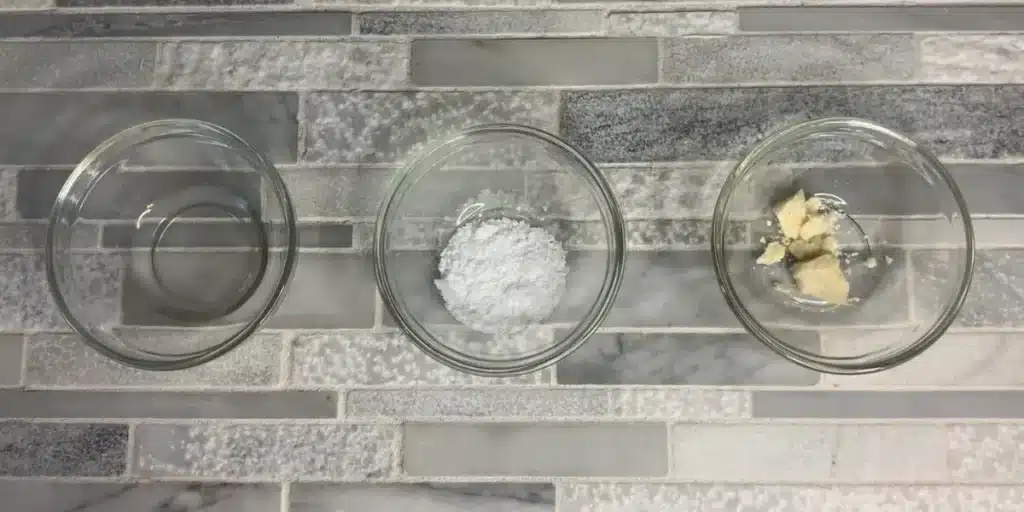
Cocoa Butter
Cocoa butter is an emollient that helps contribute to the feel and structure of the shampoo bar.
I like including cocoa butter because it adds a small amount of richness to the formula while helping the bar hold its shape.
It also has a naturally mild chocolate-like aroma, although the finished scent will depend on the other ingredients used.
Learn more about this ingredient in my cocoa butter guide.
Cetyl Alcohol
Despite having the word “alcohol” in its name, cetyl alcohol is a fatty alcohol, not the same type of alcohol as ethanol or isopropyl alcohol.
It is commonly used in personal care products to improve texture, add body, and contribute to a smoother feel.
In this shampoo bar, cetyl alcohol works alongside cocoa butter to support the structure of the finished product.
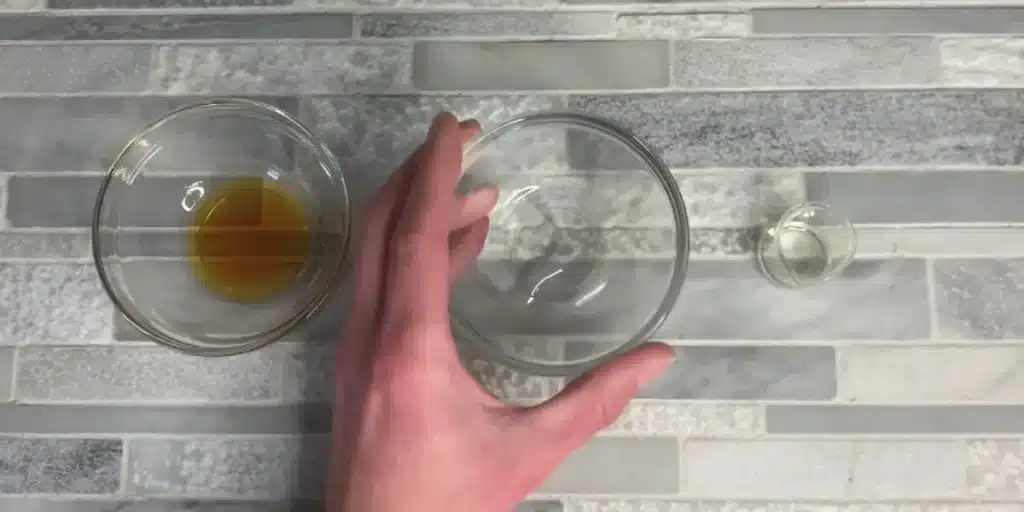
Germall Plus
Germall Plus is the preservative used in this recipe.
Even though a syndet bar contains little or no intentionally added water in its finished form, it will be exposed to water during use and may be stored in a damp bathroom.
The need for preservation depends on the complete formula, its water activity, manufacturing conditions, packaging, and expected use. Do not assume that every solid shampoo bar automatically needs the same preservative or that adding a preservative alone guarantees microbiological safety.
Fragrance Oil
Fragrance oil is optional. It adds scent to the finished shampoo bar but is not necessary for cleansing.
If you choose to include fragrance, use one that is appropriate for rinse-off hair care products and follow the supplier’s recommended usage limits.
The fragrance percentage in this recipe is 2%. Confirm that this level is permitted for your specific fragrance and intended product use before making the batch.
Hydrolyzed Wheat Protein
Hydrolyzed wheat protein is included at 1.5%. It is a protein ingredient used in hair care formulations to influence the feel and appearance of the hair.
The way it performs depends on the particular raw material, its recommended usage level, and the rest of the formula.
Other hydrolyzed proteins may be worth exploring in future versions, but they are not necessarily direct, percentage-for-percentage substitutes. Check each supplier’s guidance before making substitutions.
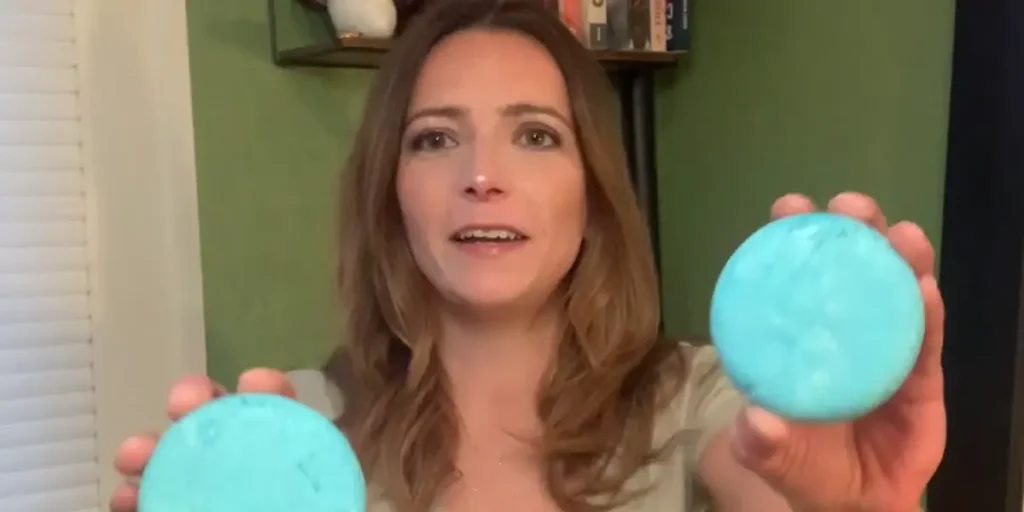
Syndet Shampoo Bar Recipe
This recipe makes 6 ounces of shampoo bar mixture, or 2 shampoo bars.
Ingredients
| Ingredient | Percentage | Weight |
|---|---|---|
| Sodium Cocoyl Isethionate (SCI) | 48.5% | 2.91 oz |
| Sodium Lauryl Sulfoacetate (SLSa) | 31% | 1.86 oz |
| Cocamidopropyl Betaine | 9% | 0.54 oz |
| Sodium Lactate | 3.5% | 0.21 oz |
| Cocoa Butter | 2% | 0.12 oz |
| Cetyl Alcohol | 2% | 0.12 oz |
| Germall Plus | 0.5% | 0.03 oz |
| Fragrance Oil | 2% | 0.12 oz |
| Hydrolyzed Wheat Protein | 1.5% | 0.09 oz |
| Total | 100% | 6 oz |
Equipment
- Digital scale
- Heat-safe container for the cocoa butter and cetyl alcohol
- Double boiler or suitable controlled heating setup
- Mixing container
- Suitable mixing utensil
- Silicone mold
- Appropriate respiratory protection and other personal protective equipment for handling the raw materials
- pH meter
Step-by-Step Instructions
Step 1: Prepare your workspace
Clean your equipment and work surface before starting. Gather and weigh the ingredients so that everything is ready when you begin mixing.
Because SCI and SLSa powders can become airborne, avoid pouring or stirring them in a way that creates dust. Use appropriate respiratory protection and follow the raw material suppliers’ safety guidance.
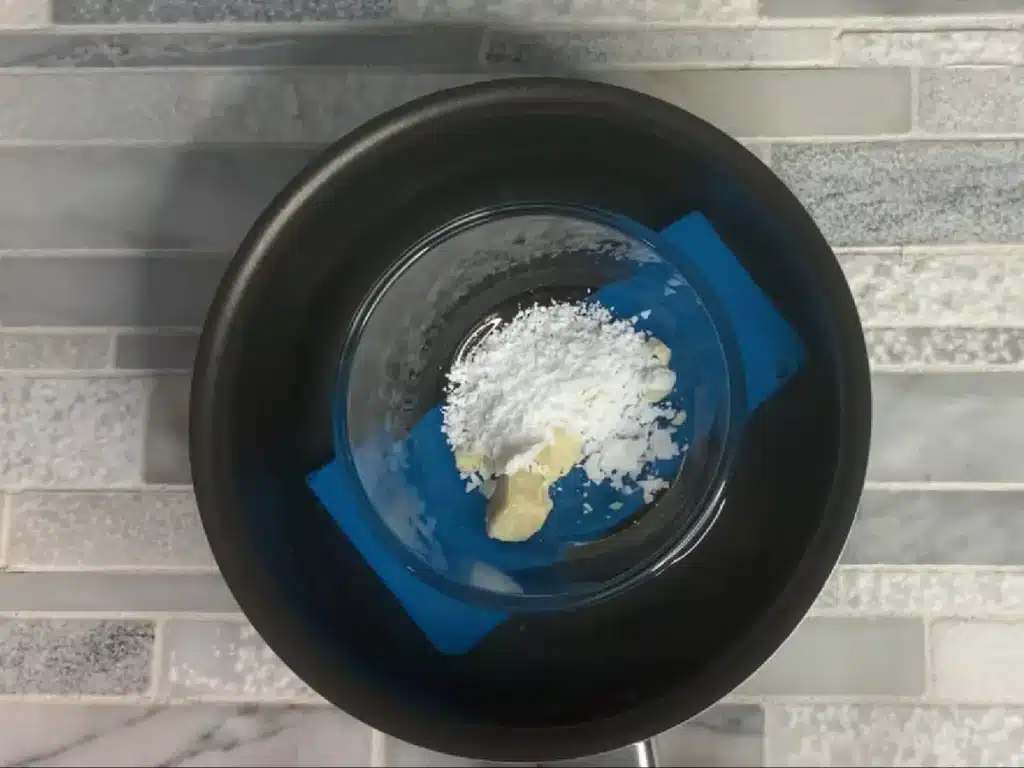
Step 2: Melt the cocoa butter and cetyl alcohol
Place the cocoa butter and cetyl alcohol in a heat-safe container.
Heat them gently in a double boiler until both ingredients are fully melted. Avoid overheating.
Step 3: Combine the surfactants
Place the SCI and SLSa in a suitable mixing container.
Mix gently to distribute the powders without creating airborne dust.
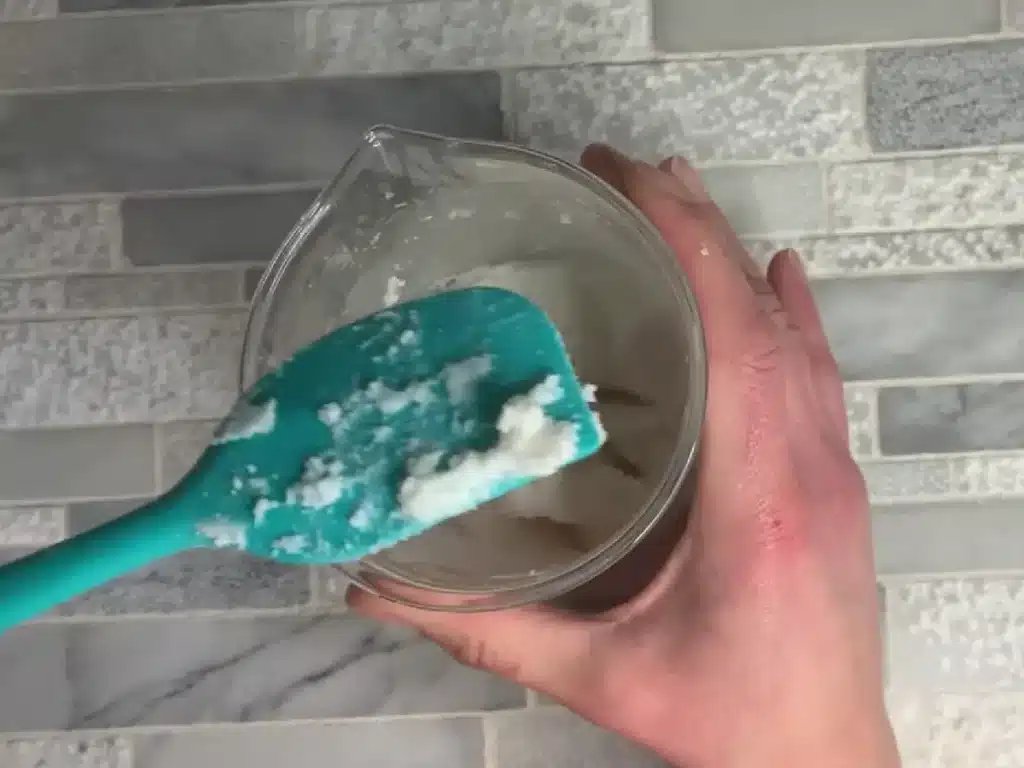
Add the melted cocoa butter and cetyl alcohol mixture to the surfactants. Stir slowly and carefully until the ingredients begin to combine.
The mixture may be thick and require some patience to incorporate evenly.
Step 4: Add the sodium lactate
Add the sodium lactate and mix thoroughly.
The mixture may need additional gentle warming to help it combine, but avoid unnecessary heat and follow the processing requirements of the individual ingredients.
Step 5: Adjust the pH
Use a suitable testing method to check the pH of the mixture or a representative sample.
If adjustment is necessary, add the 50% citric acid solution gradually, mix thoroughly, and retest. Record the amount used so you can reproduce the batch.
The target for this recipe is approximately pH 4–5.5. Do not assume that a fixed amount of citric acid will produce the same result in every batch.
Step 6: Add the cool-down ingredients
Allow the mixture to cool sufficiently before adding ingredients that are sensitive to heat.
Add the Germall Plus, fragrance oil, and hydrolyzed wheat protein according to the suppliers’ temperature and incorporation instructions. Mix thoroughly to distribute them evenly.
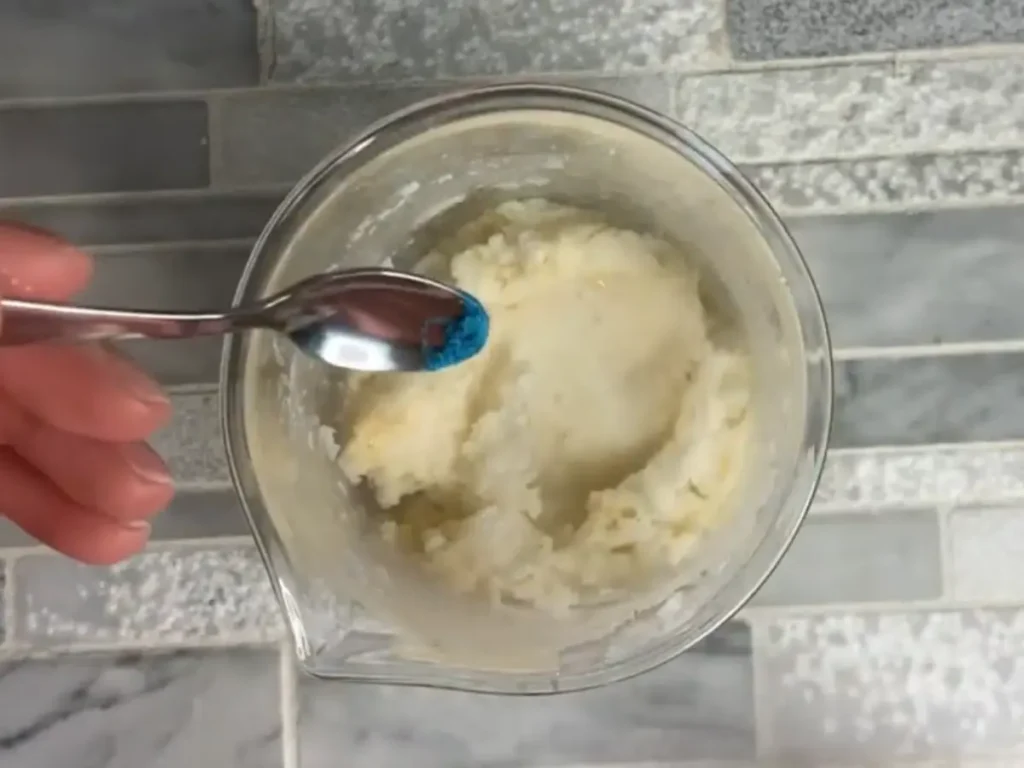
If using a colorant, incorporate an appropriate amount at a suitable stage in the process and include it in your formula record.
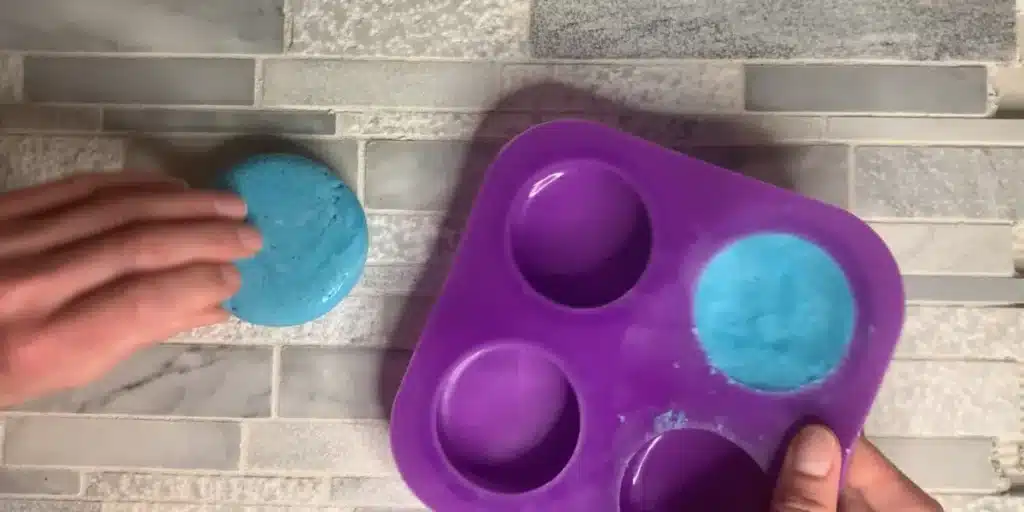
Step 7: Press the mixture into a mold
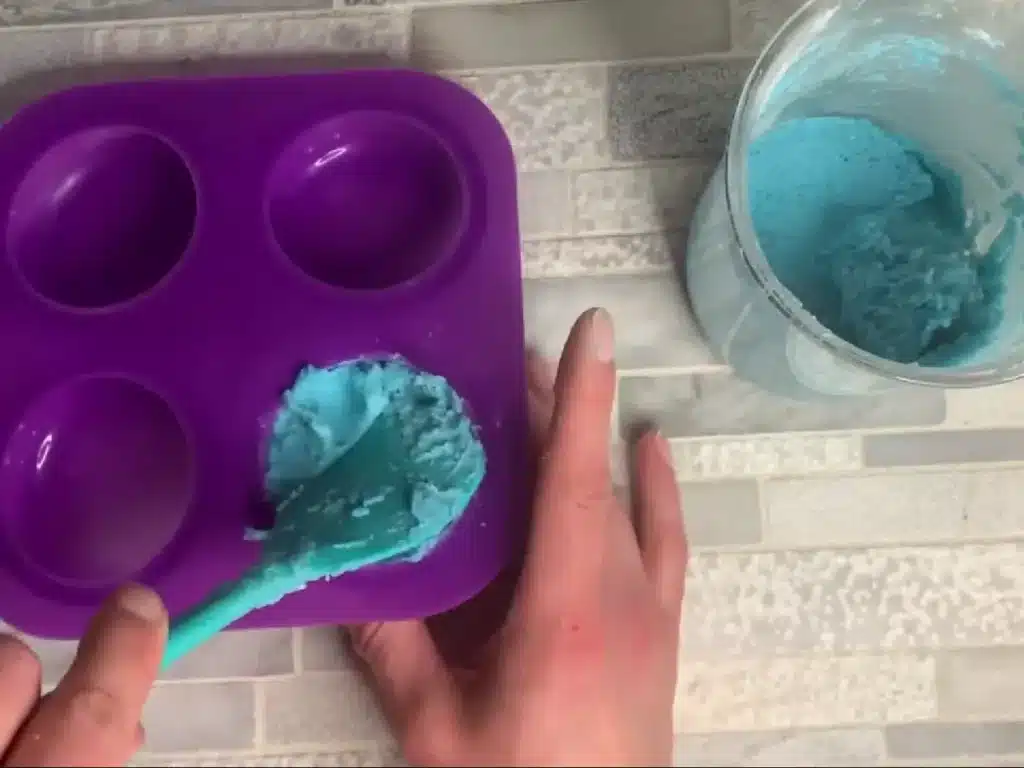
Transfer the mixture into your silicone mold.
Press it down firmly and evenly, paying particular attention to the edges and corners. Compacting the mixture helps reduce gaps and creates a more uniform bar.
Step 8: Allow the bar to firm up
Leave the bar to rest in a suitable area for 24–48 hours, or longer if necessary, until it has developed enough firmness for handling.
Check that the bar holds its shape before removing it from the mold.
Do Syndet Shampoo Bars Need a Preservative?
This is a common question when making solid personal care products.
A solid product is not automatically free from microbiological concerns. Water can be introduced when the bar is used, and repeated handling and storage can create opportunities for contamination.
However, whether a preservative is required and which preservative is appropriate depend on the actual formula and its microbiological risk. A preservative cannot compensate for poor manufacturing practices or unsuitable storage.
For this recipe, I have included Germall Plus at 0.5%. Before making the bar, confirm that the exact product you have is suitable for the formula and that the use level and processing conditions comply with its supplier’s instructions.
For products intended for sale, preservation decisions should be supported by appropriate product safety assessment and microbiological testing.
What pH Should a Syndet Shampoo Bar Have?
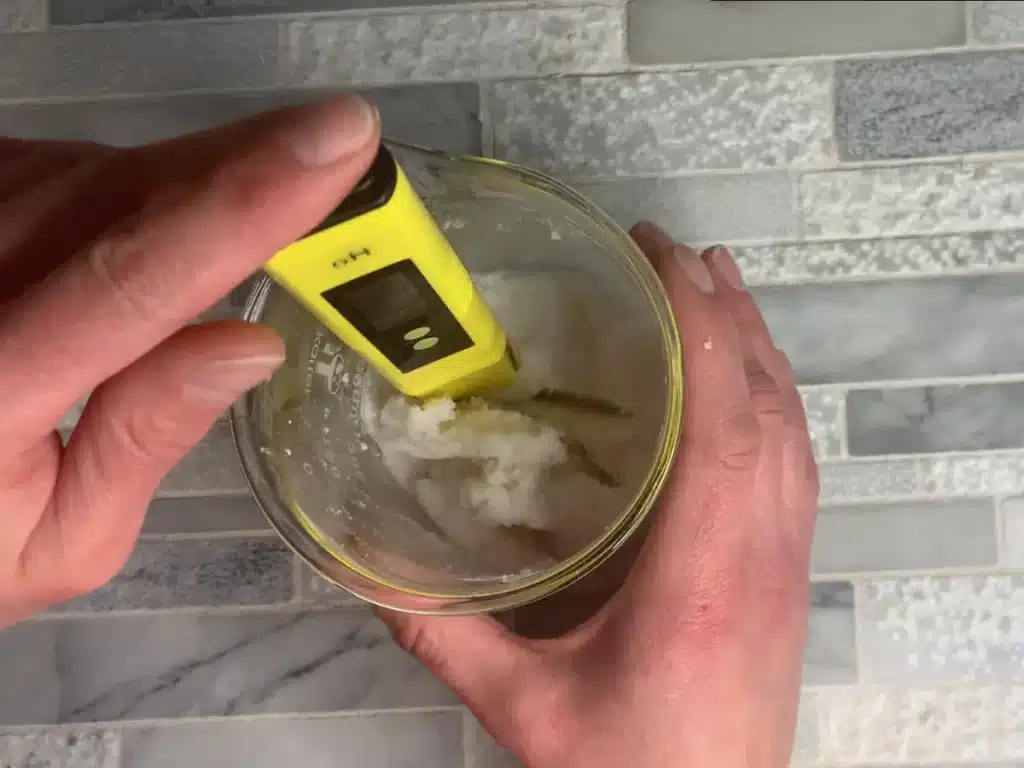
For this recipe, the intended pH range is approximately 4–5.5.
pH matters in hair care because highly alkaline products can increase friction and make hair feel rough or more difficult to detangle. A suitable pH can help make a cleansing product more compatible with the scalp and hair.
This recipe uses a 50% citric acid solution to adjust the pH downward when needed. Learn how to make pH solution in my guide.
Do not guess the amount of citric acid solution. The amount required depends on the actual ingredients, their starting pH, and the buffering capacity of the formula.
Measure the pH using a consistent method appropriate for solid syndet products and follow the suppliers’ guidance for preparing and testing the sample. Do not rely on a pH strip pressed directly against the dry bar.
Add the citric acid solution gradually, mix thoroughly, and retest. The finished product should be checked rather than assuming that the formula will automatically fall within the target range.
How to Measure and Adjust pH in DIY Skincare or Hair Care
How to Keep Syndet Shampoo Bars from Getting Mushy
A shampoo bar that sits in water between uses can soften much faster than one that is allowed to dry.
To help your bar last longer:
- Store it on a draining soap dish rather than in a pool of water.
- Allow air to circulate around the bar between uses.
- Avoid leaving it under a direct stream of shower water.
- Keep it in a dry place between showers.
A well-draining soap dish is one of the simplest ways to help extend the usable life of a solid shampoo bar.
How to Use a Syndet Shampoo Bar
Using a syndet shampoo bar is straightforward.
- Wet your hair and scalp thoroughly.
- Wet the shampoo bar.
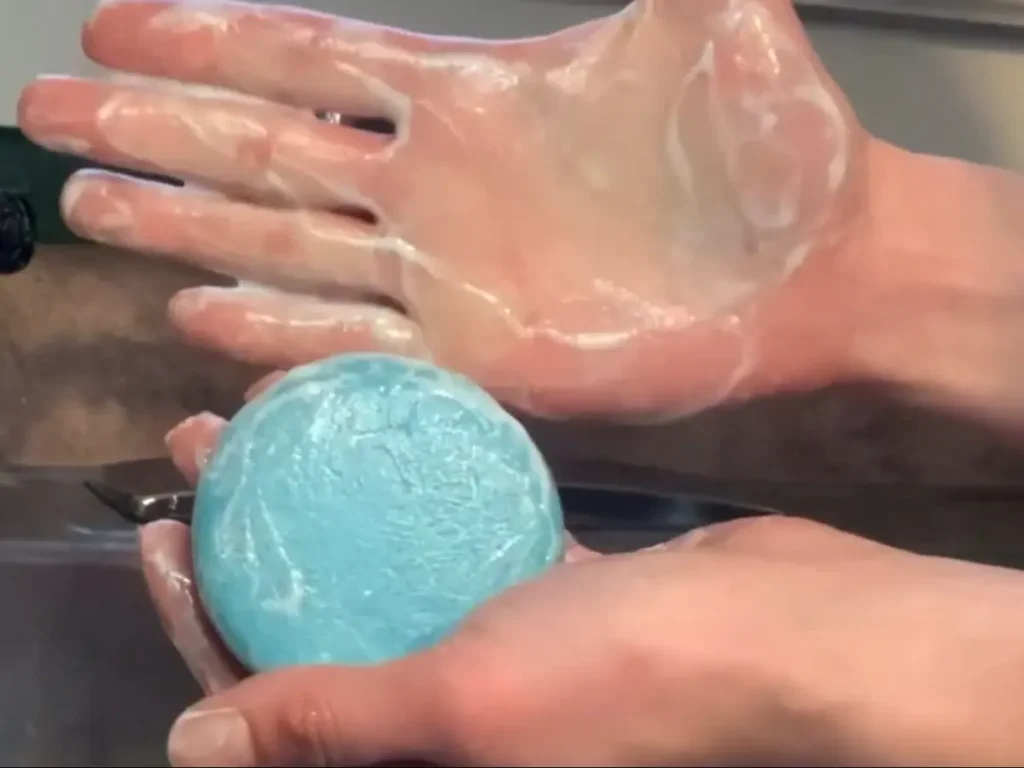
- Rub the bar between your wet hands to create a lather, or gently apply it to your wet scalp if the bar’s texture allows.
- Massage the lather into your scalp using your fingertips.
- Rinse thoroughly.
- Repeat if necessary, depending on your hair and cleansing needs.
Concentrate on cleansing your scalp rather than aggressively rubbing the bar along the lengths of your hair. Let the lather rinse through the ends.
Your results may vary depending on your hair type, water quality, styling products, and how frequently you wash your hair.
How Do You Make a Shampoo Bar Harder?
A freshly made syndet bar may feel soft at first. Allow it to rest in a suitable, well-ventilated area for 24–48 hours and check whether it has firmed up before unmolding or using it, as appropriate for your mold and formula.
Drying time alone will not correct every structural problem. If the bar remains soft, consider whether the ingredient balance, processing, or amount of liquid in the formula is responsible.
Sodium lactate is included in this recipe to help support the bar’s structure. If you are considering increasing it, don’t simply add more without recalculating the formula and checking the supplier’s recommended usage range.
Customizing Your Syndet Shampoo Bar
One of the best parts of making your own shampoo bars is the opportunity to experiment with different ingredients. However, the best approach is to change one variable at a time and keep records of your results.
For a more conditioning feel
Conditioning ingredients can help improve the feel of the hair after washing. BTMS-25 is one ingredient used in hair care formulations for conditioning and detangling, but it is not a simple drop-in replacement for any ingredient in this recipe.
Cationic conditioning ingredients can interact with anionic surfactants, so compatibility and the overall formula need to be considered before adding them.
For a different emollient profile
Butters and other compatible emollients can influence the feel and structure of a shampoo bar.
Cocoa butter is used in this recipe, but adding more butter may also affect lather, hardness, and cleansing performance. Test small, accurately weighed batches rather than making changes by eye.
For additional protein
Hydrolyzed wheat protein is included in this formula. Other proteins, such as hydrolyzed oat or silk proteins, may be options to investigate, depending on the supplier’s instructions and the requirements of your formula.
Check whether the alternative is suitable for your processing method and whether its recommended use level differs from that of the original ingredient.
For color
French green clay and kaolin clay are ingredients you may encounter in other solid shampoo formulations.
Clays can affect color, texture, and the behavior of a formula, so adding them may require adjustments elsewhere. Choose ingredients suitable for the intended hair care application and test the finished bar.
For fragrance
You can leave the fragrance out for an unscented bar or use an appropriate fragrance oil or essential oil.
Essential oils are not automatically safer than fragrance oils. Both require suitable usage levels and consideration of irritation and sensitization potential.
If you are experimenting with a new ingredient, make a small test batch and record the formula, processing details, hardness, lather, pH, and performance before scaling up.
Frequently Asked Questions
Are syndet shampoo bars made with lye?
This recipe does not use a lye solution. It relies on surfactants for cleansing rather than making traditional soap through saponification.
Are syndet bars the same as soap bars?
No. Traditional soap is made through saponification, while syndet bars are made with surfactants. The difference affects their chemistry, pH, and potential performance on hair.
Can I leave fragrance out of this recipe?
Fragrance is optional in principle. However, removing it changes the total formula weight and percentage balance, so the formula should be recalculated rather than treating the omitted ingredient as an automatic one-for-one change.
Why is my shampoo bar soft?
A fresh bar may need more time to firm up. Excess liquid, ingredient proportions, mixing, or processing can also affect hardness. Allow the bar to rest, then evaluate the formula before changing ingredients.
Why is my shampoo bar not lathering well?
Lather can be influenced by the surfactant blend, ingredient proportions, water quality, and how the bar is used. Check your weighing and mixing, and make only one controlled change at a time when troubleshooting.
Do I need to test the pH?
Yes. The target pH should be verified using an appropriate method for the finished syndet product. Do not assume that the formula’s pH will be correct simply because citric acid has been added.
Can I sell homemade syndet shampoo bars?
Before selling a shampoo bar, you need to consider applicable cosmetic regulations, ingredient safety, manufacturing hygiene, labeling, product stability, and microbiological safety. A recipe that works for personal experimentation is not automatically ready for commercial sale.
More DIY Hair Care Projects
If you enjoyed learning about syndet shampoo bars, you may also like these related tutorials:
- DIY Activated Charcoal Detox Shampoo Bar — Activated Charcoal Shampoo Bar
- How to Make a Shampoo Bar — Shampoo Bar Tutorial
- How to Make Dry Shampoo at Home — Dry Shampoo Tutorial
For another useful formulation topic, read my guide to surfactants to learn more about the cleansing ingredients used in shampoos and other personal care products.
Syndet Bar Printable Recipe

Syndet Shampoo Bar Recipe
Equipment
- Scale
Ingredients
- 2.91 ounce | 48.5% Sodium Cocoyl Isethionate
- 1.86 ounce | 31% Sodium Lauryl Sulfoacetate
- 0.54 ounce | 9% Cocamidopropyl Betaine
- 0.21 ounce | 3.5% Sodium Lactate
- 0.12 ounce | 2% Cocoa Butter
- 0.12 ounce | 2% Cetyl Alcohol
- 0.03 ounce | 0.5% Germall Plus
- 0.12 ounce | 2% Fragrance Oil
- 0.09 ounce | 1.5% Hydrolyzed Wheat Protein
Instructions
- Put all of your surfactants into a mixing container.
- After you remove from the heat add the melted butter mixture in with your surfactants. Mix very slowly.
- Add sodium lactate and mix well. You may need to heat the mixture to get it to mix.
- Lower the Ph.
- Add the colorant, preservative, fragrance and Hydrolyzed Wheat Protein and mix.
- Place the mixture into your silicone mold. Be sure to press down to really pack it in.
- Unmold and enjoy!