
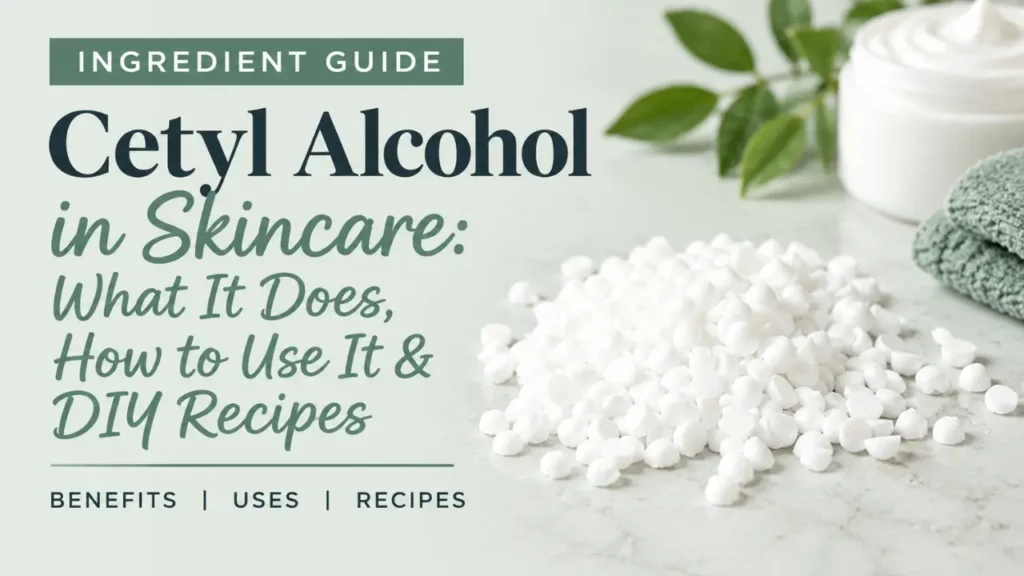
Cetyl alcohol is a useful ingredient to keep on hand when making DIY skincare and haircare products. It helps thicken lotions and creams, improves slip, and gives finished products a smoother, more substantial texture. It can also add structure and conditioning properties to solid haircare products such as shampoo bars.
If you’ve ever wondered why some lotions feel silky and luxurious while others feel thin or watery, ingredients such as cetyl alcohol may be part of the answer.
Despite having the word alcohol in its name, cetyl alcohol is not the same as drying alcohols such as ethanol. It is a fatty alcohol that helps improve the texture and feel of cosmetic formulations.
In this guide, we’ll look at what cetyl alcohol does, how it works, typical usage rates, how it compares with other ingredients, and how to use it in your own DIY skincare and haircare formulas.
Cetyl Alcohol at a Glance
| Cetyl Alcohol | |
|---|---|
| INCI Name | Cetyl Alcohol |
| Ingredient Type | Fatty alcohol / emollient / thickener |
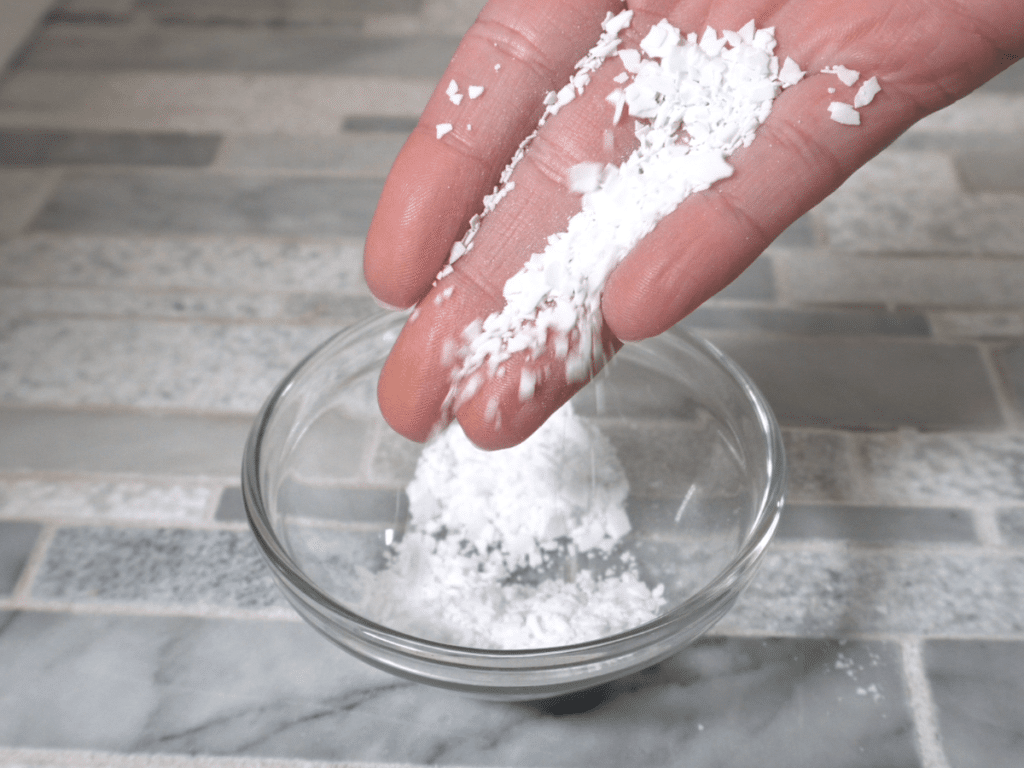
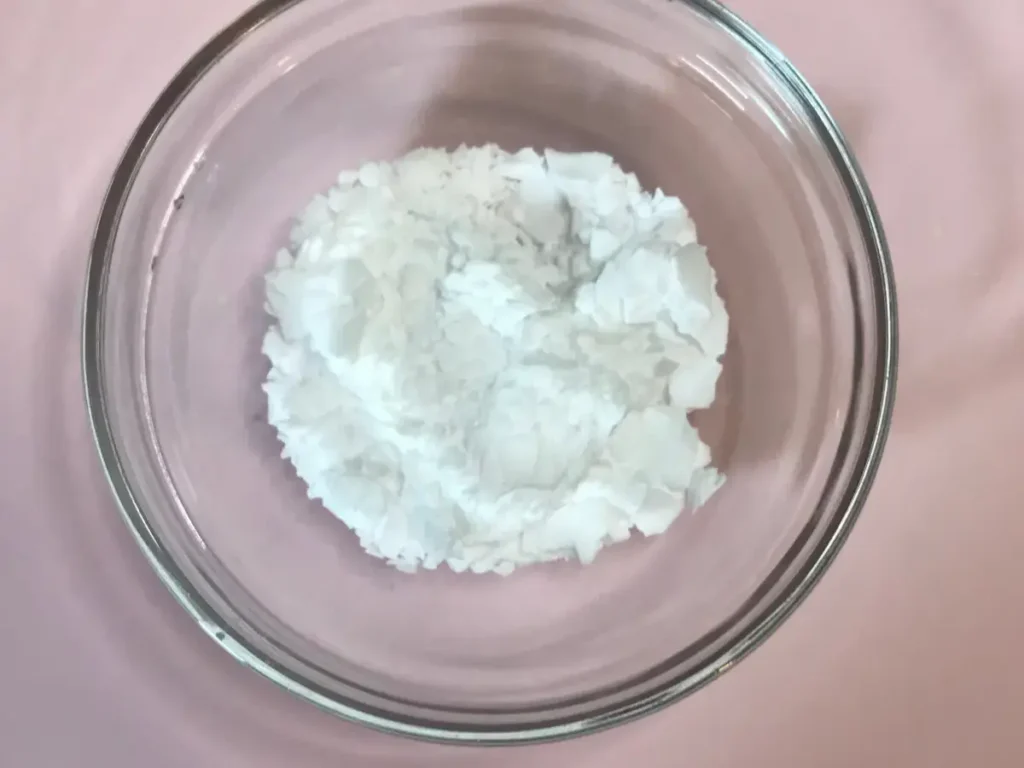
| Appearance | White waxy flakes, beads or pellets |
| Solubility | Oil soluble; insoluble in water |
| Skin Feel | Smooth, silky and soft |
| Common Uses | Lotions, creams, body butters, conditioners and other emulsions |
| Oil Phase | Yes |
| Natural Aroma | Little to no noticeable odor |
| Best Known For | Thickening formulations, improving stability and creating a smooth, creamy texture |
What Is Cetyl Alcohol?
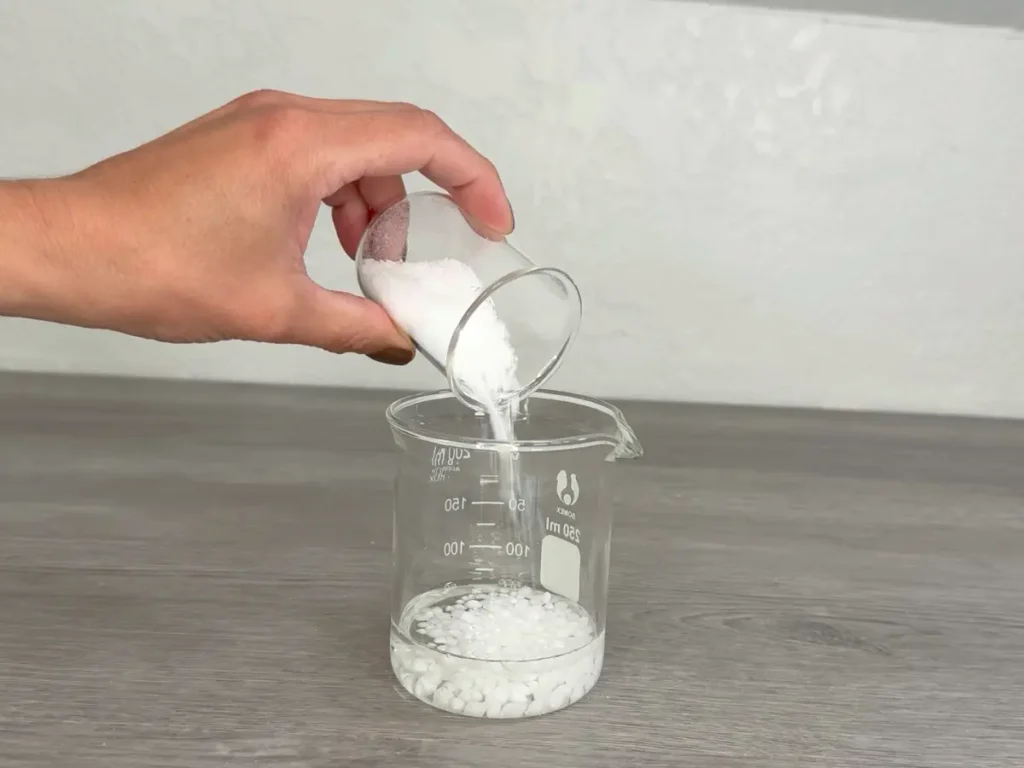
Cetyl alcohol is a fatty alcohol commonly used as a thickener, emollient, and texture-enhancing ingredient in cosmetics. It is typically sold as white flakes, beads, or pellets that melt when heated.
It is oil-soluble, meaning it belongs in the oil phase of an emulsion rather than being dissolved directly into the water phase.
Cetyl alcohol is commonly found in:
- Lotions and creams
- Facial moisturizers
- Body butters and emulsified creams
- Hair conditioners
- Syndet shampoo bars
- Cleansing products
- Other products that benefit from added thickness and slip
One of the reasons I like cetyl alcohol in formulation is that it can improve both the consistency and the sensory feel of a product. It isn’t just about making a lotion thicker; it can also help the product spread more smoothly across the skin.
What Does Cetyl Alcohol Do in Skincare Formulation?
Cetyl alcohol can perform several functions in a cosmetic formula. Its exact contribution depends on the other ingredients, the percentage used, and the type of product being made.
Thickens Lotions and Creams
One of the main reasons to use cetyl alcohol is to increase viscosity.
If a lotion is too thin, cetyl alcohol may help create a thicker, creamier consistency. It can give a finished product more body without relying entirely on increasing the amount of butter or liquid oil.
This is particularly useful when formulating facial creams, hand creams, and body lotions.
However, adding more cetyl alcohol isn’t always the best way to fix a thin lotion. The emulsifier, oil phase, processing method, and overall formula all affect the finished consistency.
Improves Slip and Spreadability
Cetyl alcohol can make lotions and creams feel smoother during application.
It helps create a lubricated feel that allows a product to glide more easily across the skin. This can reduce the perception of drag and make a cream feel more elegant.
The amount used matters. A small percentage may improve slip, while a higher percentage can produce a more substantial or waxy feel, depending on the rest of the formula.
Adds Emollient Properties
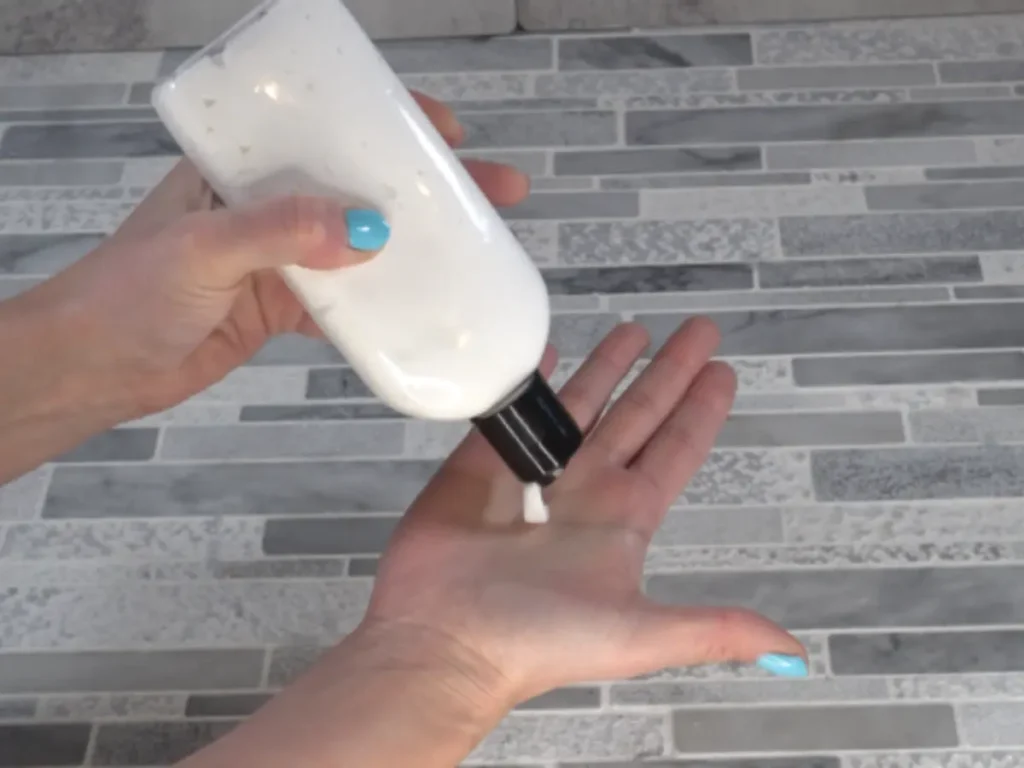
Cetyl alcohol is also an emollient. Emollients help soften and smooth the skin by improving the feel of its surface.
Although cetyl alcohol contributes to the moisturizing feel of a product, it is not a humectant like glycerin. It does not perform the same water-attracting function.
For more information about these ingredient roles, read Humectants, Occlusives, and Emollients Explained.
Helps Support Emulsion Structure
Cetyl alcohol can contribute to the structure and stability of emulsions when used with a suitable emulsifier.
An emulsion is a mixture of water and oil. Because these ingredients naturally separate, a properly designed emulsifying system is necessary to keep them combined.
Cetyl alcohol can work alongside an emulsifier to improve viscosity and the overall structure of a lotion or cream. However, cetyl alcohol is not a complete emulsifier on its own. It should not be substituted for an emulsifying wax or conditioning emulsifier when the formula requires one.
Learn more in my guide to Emulsifiers in Skincare: What They Are and How They Work.
Adds Structure to Shampoo Bars
Cetyl alcohol is also useful in solid haircare products.
In syndet shampoo bars, it can help improve firmness, structure, and slip. It may also contribute a conditioning feel to the finished bar.
This is particularly helpful when working with surfactants that create a soft or pliable mixture during manufacturing.
Cetyl alcohol is not a cleanser, though. The surfactants in a shampoo bar perform the primary cleansing function.
Is Cetyl Alcohol Drying?
No. Cetyl alcohol is a fatty alcohol, which behaves differently from simple alcohols such as ethanol.
The word alcohol describes a chemical group, not a single type of ingredient with identical properties.
Fatty alcohols have longer carbon chains and are used in cosmetics for their emollient, thickening, and texture-enhancing properties.
Cetyl alcohol is generally used to improve the feel of skincare and haircare products rather than to strip oil from the skin.
It is also different from ingredients such as stearyl alcohol and cetearyl alcohol, although these fatty alcohols share some similar formulation functions.
How Much Cetyl Alcohol Should You Use?
Cetyl alcohol is typically used at relatively low percentages in lotions and creams, but the ideal amount depends on the product you want to make.
The following ranges are useful starting points for experimentation, not universal rules. Always consider the requirements of your complete formula and the specifications of your raw material.
| Product | Illustrative starting range |
| Lightweight lotion | 0.5–2% |
| Richer lotion or cream | 1–4% |
| Facial cream | 1–3% |
| Syndet shampoo bar | 2–5% |
These are general formulation guidelines, not guarantees of a particular texture. A formula containing 2% cetyl alcohol can feel quite different from another formula containing the same percentage because the emulsifier, oils, butters, surfactants, and other ingredients also affect the final result.
If you’re new to formulation, start with a small test batch and change one variable at a time.
For help calculating ingredient percentages and batch sizes, read How to Convert a Recipe to a Formula.
How to Use Cetyl Alcohol in a Formula
Cetyl alcohol is normally added to the oil phase of a lotion or cream.
For Lotions and Creams
- Weigh the cetyl alcohol along with the other oil-phase ingredients.
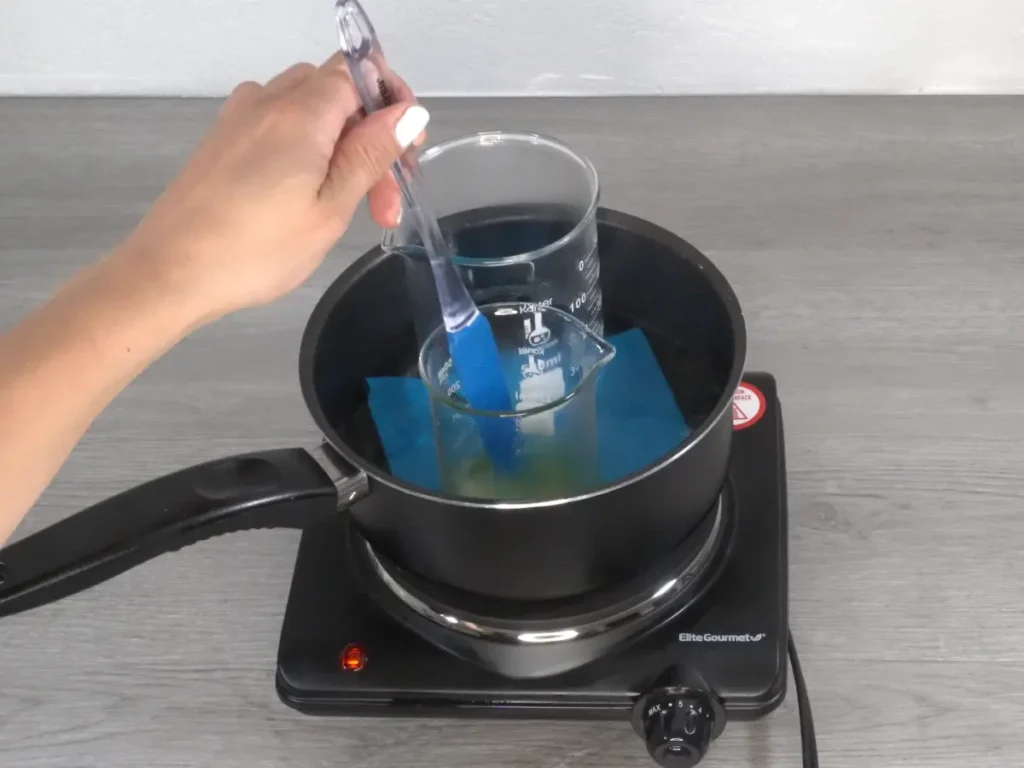
- Heat the oil phase using an appropriate controlled heating method until the cetyl alcohol has melted completely.
- Heat the water phase separately according to your formulation process.
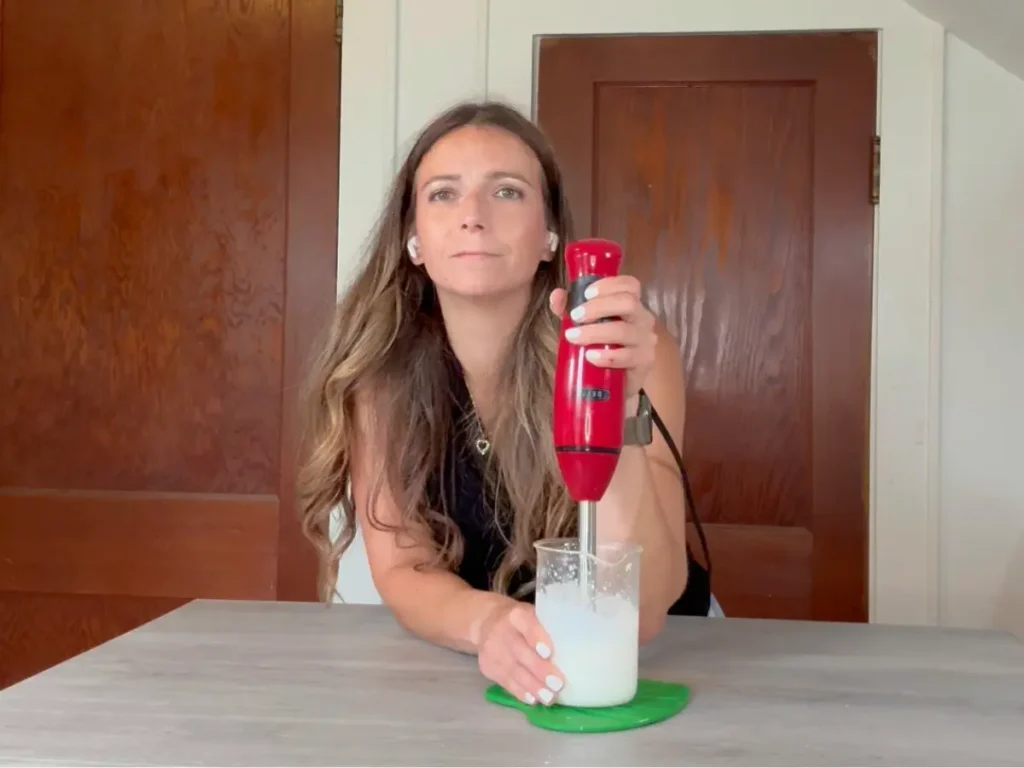
- Combine the phases and emulsify using the method appropriate for your formula.
- Continue mixing as the product cools, following the processing instructions for the other ingredients.
- Add heat-sensitive ingredients during the appropriate stage of manufacturing.
Always use a complete, balanced formula. Cetyl alcohol does not replace the emulsifier or preservative required in a water-containing product.
For Shampoo Bars
The process depends on the surfactants and other ingredients in the bar.
In my shampoo bar formulas, cetyl alcohol is heated with the solid oil-phase ingredients before being incorporated into the surfactant mixture.
Follow the specific instructions for your chosen formula, since surfactant blends can behave differently during heating and mixing.
Cetyl Alcohol vs. Cetearyl Alcohol vs. Stearyl Alcohol
These ingredients are related, but they are not identical.
| Ingredient | What it is | Typical formulation role |
| Cetyl alcohol | Primarily a C16 fatty alcohol | Thickening, slip, emollience |
| Stearyl alcohol | Primarily a C18 fatty alcohol | Thickening, emollience, structure |
| Cetearyl alcohol | A blend of cetyl and stearyl alcohols | Thickening, emollience, structure |
All three can be useful in creams, lotions, and other cosmetic products.
However, they may produce different textures and levels of firmness. Replacing one with another can change the finished product, so it’s best to test substitutions rather than assuming they will behave identically.
Cetearyl alcohol can be a reasonable alternative in some formulations, but the percentage may need adjustment to achieve the desired consistency.
Can You Use Cetyl Alcohol Instead of Emulsifying Wax?
No, not as a direct one-for-one replacement.
This is an important distinction when learning how to formulate skincare.
Cetyl alcohol can thicken a lotion and support the structure of an emulsion, but it does not provide the same emulsifying function as an appropriate emulsifying wax.
If you remove the emulsifier from a lotion and replace it with cetyl alcohol, the oil and water may separate.
A successful formula needs an emulsifier suited to its oil phase, along with the right processing method and preservation system.
Read Why Some DIY Skincare Separates and How to Fix It to learn more about the factors that can affect emulsion stability.
Can You Substitute Cetyl Alcohol in a Recipe?
Sometimes, but the best substitute depends on why cetyl alcohol is included.
Cetearyl alcohol: This may work in some lotions and creams as a thickener and emollient, but it can produce a different consistency most likely a bit thinner.
Stearyl alcohol: This can also contribute thickness and structure, but the finished texture may change. It will be firmer and heavier.
Other thickeners: Depending on the product, another thickening ingredient may help adjust viscosity. However, not every thickener is suitable for every formula, and water-soluble thickeners do not necessarily replace the sensory properties of a fatty alcohol.
For shampoo bars, any replacement must also work with the surfactant system and the desired hardness and conditioning properties.
When changing an ingredient, keep the formula balanced and bring the total back to 100%. Do not simply add a substitute on top of the original formula.
If you’re still learning how ingredient functions work together, start with What Each Ingredient Does in Skincare Formulation.
Common Problems When Using Cetyl Alcohol
My Lotion Is Too Thick
The cetyl alcohol percentage may be too high for the texture you want, but it isn’t the only possible cause.
The amount of butter, the emulsifier system, and the overall oil phase can also affect viscosity.
Try a small test batch with a lower cetyl alcohol percentage while keeping the rest of the formula appropriately balanced.
My Lotion Feels Waxy
A high level of fatty alcohols or a combination of ingredients that creates a heavy texture may be responsible.
Consider reducing the cetyl alcohol level or adjusting the balance of emollients. Make one change at a time so you can identify what improves the feel.
My Lotion Separates
Cetyl alcohol alone cannot prevent an inadequately emulsified product from separating.
Review the emulsifier, oil-phase percentage, heating and mixing procedure, and overall formula. If the product is not stable, don’t assume that adding more cetyl alcohol will fix the underlying problem.
See Why Some DIY Skincare Separates and How to Fix It.
My Shampoo Bar Is Too Soft
Cetyl alcohol contributes structure, but the softness of a shampoo bar can also depend on the surfactants, liquids, butters, and other ingredients.
Check the complete formula and follow the recommended drying and storage process before making adjustments.
DIY Recipes That Use Cetyl Alcohol
One of the easiest ways to understand an ingredient is to see how it works in an actual formula. Here are several Summer Rain DIY recipes that use cetyl alcohol.
Homemade Lotion
How to Make Homemade Lotion: Beginner Friendly DIY Lotion Recipe
This lotion formula uses cetyl alcohol to help thicken the product, improve its texture, and contribute to a smooth application. It is a useful example of how cetyl alcohol works alongside an emulsifying wax, oils, and butters in a water-based skincare product.
DIY Face Cream
DIY Face Cream to Combat Dry Winter Skin
This face cream uses cetyl alcohol with BTMS-50, mango butter, and olive oil. It demonstrates how a fatty alcohol can contribute to the texture of a cream while working alongside a conditioning emulsifier.
Shampoo Bar
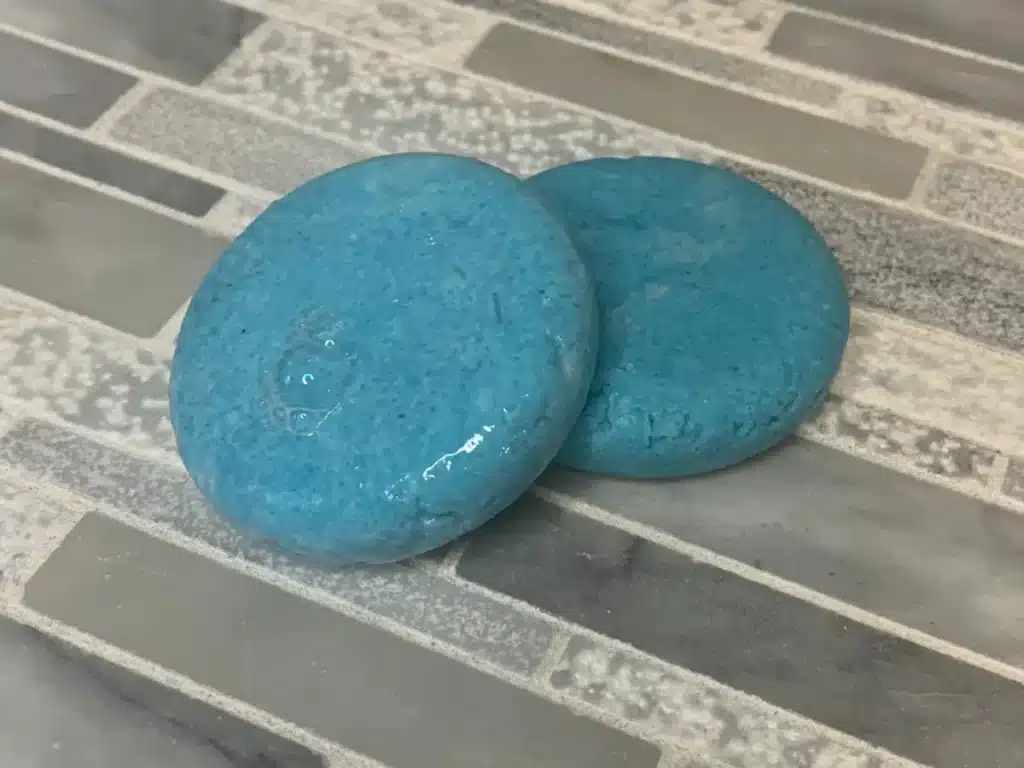
This syndet shampoo bar uses cetyl alcohol to add structure and conditioning feel. It is a helpful example of using the same ingredient in a solid haircare product rather than a lotion or cream.
Another Syndet Shampoo Bar Formula
Create Your Own Syndet Shampoo Bars at Home
This tutorial also includes cetyl alcohol in its heated phase, alongside the surfactants and cocoa butter. Comparing the two shampoo bar formulas is a useful way to see how the same ingredient can be incorporated into different formulations.
Frequently Asked Questions
Is cetyl alcohol natural?
Cetyl alcohol can be produced from plant-derived or other feedstocks, depending on the manufacturing process. The ingredient name alone does not tell you its source. Check the specifications of the particular material you purchase if its origin matters to you.
Is cetyl alcohol an emulsifier?
Cetyl alcohol is primarily used as a fatty alcohol thickener and emollient. It can support an emulsion’s structure when used with an appropriate emulsifier, but it should not be treated as a complete emulsifier by itself.
Is cetyl alcohol water-soluble?
No. Cetyl alcohol is oil-soluble and is generally incorporated into the heated oil phase of a lotion or cream.
Does cetyl alcohol moisturize skin?
Cetyl alcohol contributes emollient properties, helping the skin feel softer and smoother. It does not act like a humectant such as glycerin, which attracts and holds water.
Can I use cetyl alcohol in haircare?
Yes. Cetyl alcohol is used in various haircare formulations, including conditioners and syndet shampoo bars. It can contribute slip, structure, and a conditioning feel.
Does cetyl alcohol preserve a lotion?
No. Cetyl alcohol is not a preservative. Any lotion containing water needs a suitable broad-spectrum preservative as part of a properly formulated and manufactured product.
Final Thoughts
Cetyl alcohol is a versatile ingredient that can improve the thickness, slip, and overall feel of lotions, creams, and solid haircare products.
It is especially useful when you want to adjust the texture of a formulation without relying entirely on heavier oils and butters. However, it works best when you understand its role in the complete formula.
As you become more comfortable formulating, experiment with small batches, record your percentages, and make one adjustment at a time. This will help you learn how cetyl alcohol affects the finished product and how to use it to achieve the texture you want.
If you’re ready to keep learning, explore my Skincare Formulation for Beginners guide to understand how ingredients work together to create effective, stable skincare products.