
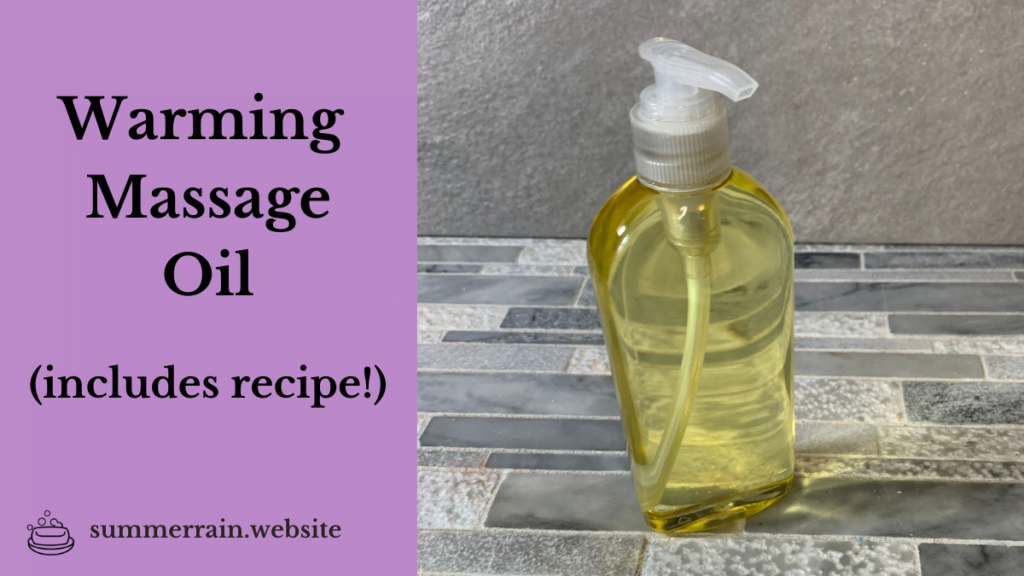
Making your own massage oil at home is a simple way to create a personalized body care product using nourishing carrier oils and aromatic essential oils. This recipe combines jojoba oil and fractionated coconut oil with a small amount of cinnamon bark essential oil for a warm, spicy aroma.
The best part about making massage oil yourself is that you can customize the carrier oils to suit your preferences. Whether you prefer an oil that absorbs relatively quickly or one that provides plenty of slip for a longer massage, choosing the right combination makes a difference.
This recipe is easy to make, requires no heating, and uses just three ingredients. I’ll walk you through what each ingredient contributes, how to combine everything, and how to customize the formula.
One important consideration is that cinnamon bark essential oil is particularly potent and has a high potential for skin irritation and sensitization. It is used at a very low concentration in this formula, and we’ll cover the safety considerations before you begin.
What Is a Warming Massage Oil?
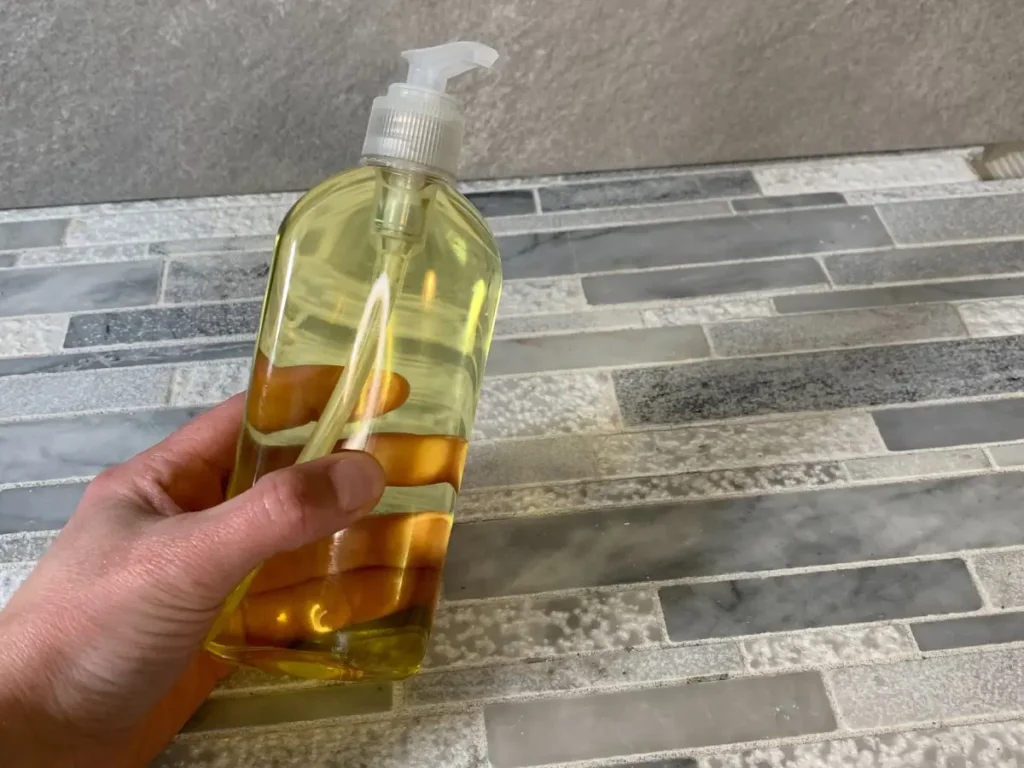
A warming massage oil is a body oil designed to provide glide during massage while offering a comforting sensory experience.
Some essential oils have warming or spicy aromatic profiles, which is why cinnamon is often associated with warming massage blends. However, it’s important to distinguish between a warm aroma and an actual warming sensation on the skin.
Cinnamon bark essential oil can cause skin irritation. A burning or hot sensation should never be considered a sign that the oil is working.
This recipe combines two carrier oils to create a lightweight massage oil that spreads easily and provides enough slip for a relaxing massage.
Prefer to watch this project instead of reading it?
Some of the links are affiliate links, because I am an associate and I earn a small commission on them. There is no additional cost to you, I earn a commission if you click through and make a purchase.
Why Make Your Own Massage Oil?
Making massage oil at home gives you control over the ingredients, texture, and fragrance.
Commercial massage oils can contain mineral oil, synthetic fragrances, and other ingredients you may prefer to avoid. When you make your own, you can select the carrier oils and customize the blend.
There are several advantages:
- Choose your carrier oils: Use oils that provide the amount of slip and absorption you prefer.
- Customize the scent: Create a blend with your preferred aromatic ingredients, provided they are suitable for topical use.
- Simple formulation: This recipe uses only a few ingredients and doesn’t require heating or complicated equipment.
- Easy to make in small batches: Prepare just enough for personal use rather than purchasing a large bottle.
Ingredients for Cinnamon Spice Massage Oil
This recipe uses three ingredients: jojoba oil, fractionated coconut oil, and cinnamon bark essential oil.
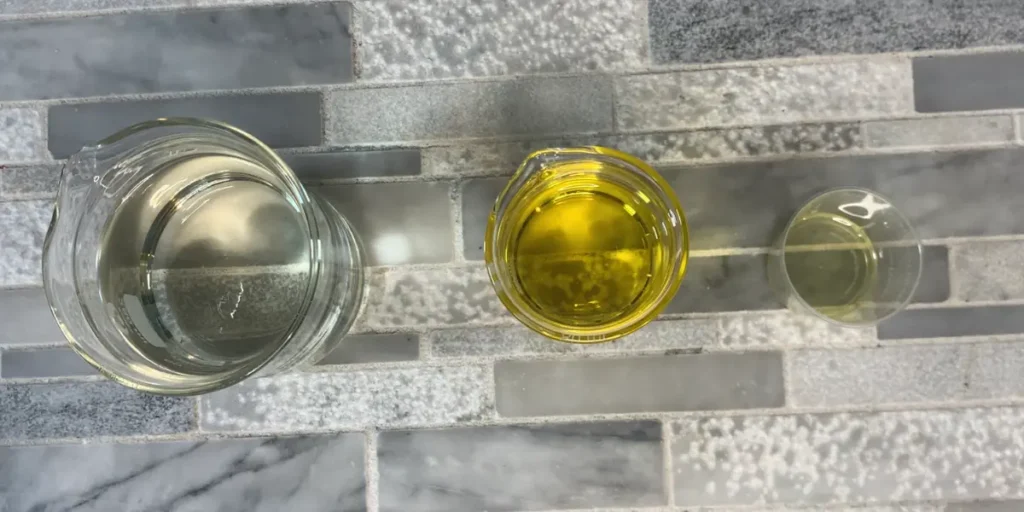
Jojoba Oil
Jojoba oil is actually a liquid wax ester rather than a traditional vegetable oil. Its composition is similar to some of the wax esters naturally found in human sebum.
Jojoba provides a lovely skin feel and helps give this massage oil a little more body. It also has a relatively long shelf life compared with many other carrier oils.
I like using jojoba in body care formulations because it leaves the skin feeling soft without the particularly greasy finish some heavier oils can produce.
Fractionated Coconut Oil (MCT)
Fractionated coconut oil, also called MCT oil, is a lightweight carrier oil that remains liquid at room temperature.
Unlike regular coconut oil, which can become solid in cooler temperatures, fractionated coconut oil stays liquid. This makes it especially convenient for massage oils and other liquid body care products.
It also helps reduce the heavier feeling of some carrier oils and allows the finished blend to spread easily over the skin.
Cinnamon Bark Essential Oil
Cinnamon bark essential oil has a distinctive warm, sweet, spicy aroma. It is steam-distilled from the bark of the cinnamon tree and is considerably more potent than many commonly used essential oils.
Cinnamon bark oil contains cinnamaldehyde, a constituent associated with skin irritation and sensitization. For this reason, its recommended maximum dermal concentration is extremely low.
This recipe uses 0.05% cinnamon bark essential oil. This is a deliberately low concentration, but it does not guarantee that irritation or an allergic reaction will not occur.
Always check the safety documentation for your particular essential oil, including its recommended dermal limit and applicable IFRA restrictions, before formulating.
If you prefer to avoid cinnamon bark essential oil altogether, you can simply leave it out and make an unscented massage oil.
Choosing Carrier Oils for Massage
One of the easiest ways to customize a massage oil is by changing the carrier oils.
Different carrier oils have different spreading characteristics, absorption rates, and skin feels. The right combination depends on how you intend to use your massage oil.
Here are a few alternatives:
| Carrier Oil | Characteristics |
|---|---|
| Sweet Almond Oil | Provides good slip and is popular in massage blends. |
| Avocado Oil | Richer, heavier-feeling oil that provides longer-lasting glide. |
| Grapeseed Oil | Lightweight and spreads easily. |
| Hazelnut Oil | Relatively lightweight with a smooth skin feel. |
| Jojoba Oil | Provides a soft, conditioning feel and has good oxidative stability. |
| Fractionated Coconut Oil | Lightweight, liquid, and easy to spread. |
You can substitute some or all of the jojoba or fractionated coconut oil with another carrier oil, keeping the total formula at 100%.
For more information about selecting oils for homemade body care, see my carrier oil guide.
How to Make Warming Massage Oil
This is a very straightforward project. There is no heating, melting, or special equipment required. You’ll simply weigh the ingredients, combine them, and transfer the finished oil into a suitable bottle.
Equipment You’ll Need
- Digital scale capable of measuring to 0.01 grams
- Small mixing container with a pouring spout
- Silicone spatula or mixing utensil
- Bottle with a pump or dispensing cap
- Small funnel (optional)
Cinnamon Spice Massage Oil Formula
| Ingredient | Percentage | Weight |
|---|---|---|
| Jojoba Oil | 74.95% | 179.88 g |
| Fractionated Coconut Oil | 25% | 60 g |
| Cinnamon Bark Essential Oil | 0.05% | 0.12 g |
| Total | 100% | 240 g |
Step-by-Step Instructions
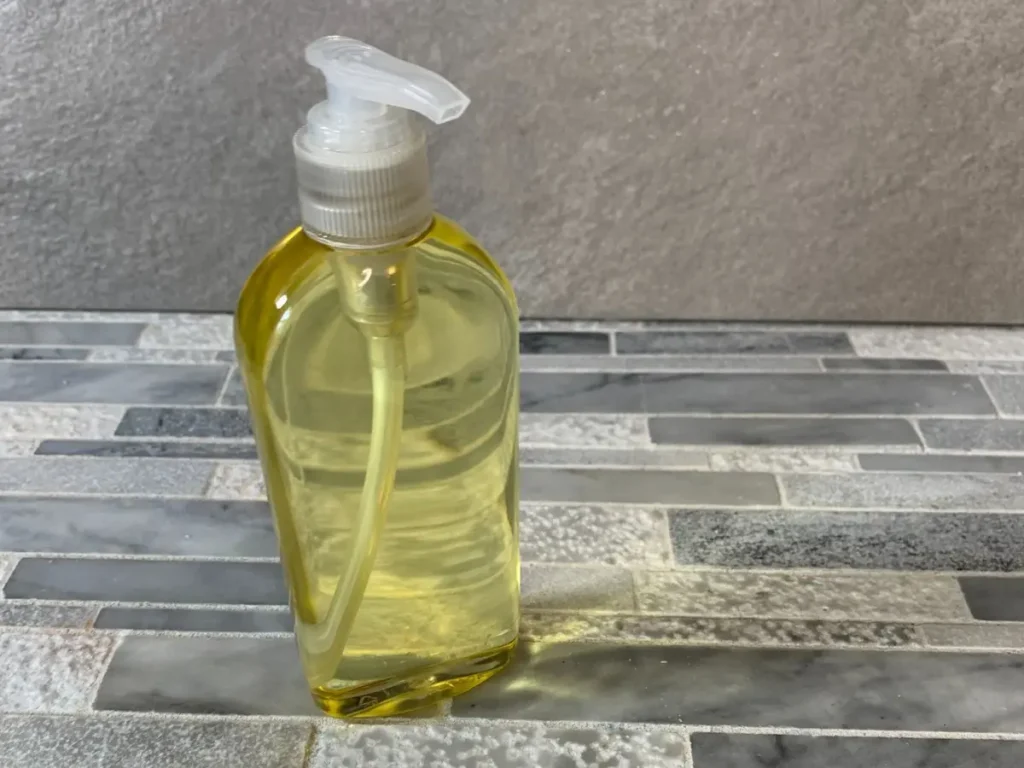
Step 1: Measure the carrier oils
Place your mixing container on the digital scale and tare it.
Weigh the jojoba oil and fractionated coconut oil into the container. Stir gently to combine.
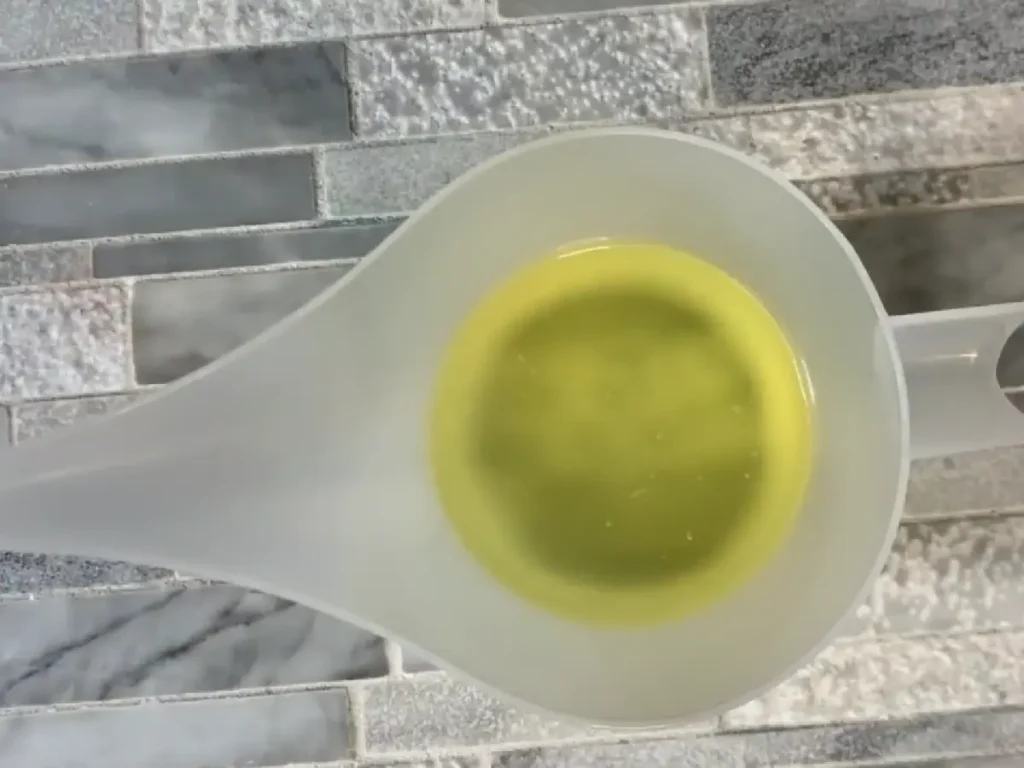
Step 2: Add the essential oil
Using a scale capable of measuring small quantities, carefully weigh the cinnamon bark essential oil.
Add it to the carrier oils and mix thoroughly.
Take your time with this step. You want the essential oil evenly dispersed throughout the carrier oil rather than concentrated in one area.
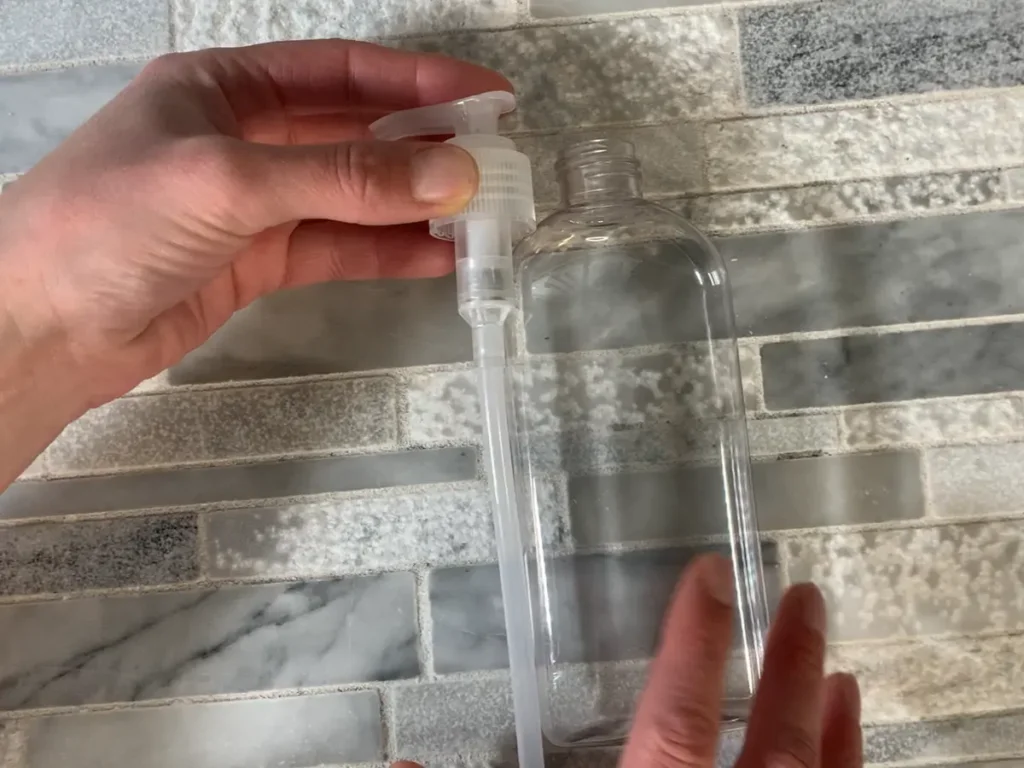
Step 3: Prepare your bottle
Choose a clean, completely dry bottle for your finished massage oil.
A pump bottle is convenient because it makes dispensing easier and reduces the need to handle the product directly.
If your pump has a dip tube that is too long, measure it against the bottle and trim the bottom at an angle. It’s always easier to trim a little more than to cut it too short.
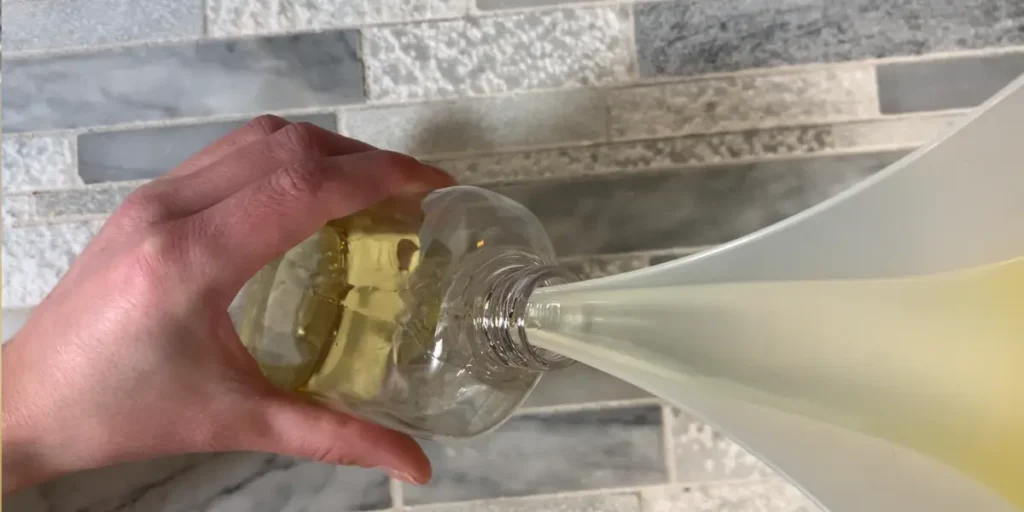
Step 4: Transfer the massage oil
Carefully pour the finished mixture into your bottle. A small funnel can help prevent spills.
Attach the pump or dispensing cap and make sure it is securely closed.
Step 5: Label and store
Label your bottle with the product name, ingredients, and date made.
Store the massage oil in a cool, dry location away from direct sunlight and excessive heat.
How to Use Your Homemade Massage Oil
Apply a small amount of oil to clean, intact skin and spread it between your hands before beginning a massage.
The combination of jojoba and fractionated coconut oil provides good glide, allowing your hands to move smoothly across the skin.
Start with a small amount. You can always add more if needed.
Do not apply this product to irritated or broken skin, and discontinue use if you notice any discomfort or reaction.
Because cinnamon bark essential oil is a potent skin sensitizer, I would not recommend frequent or repeated use of this particular blend. An unscented carrier oil blend is a better option for regular massage.
Can You Customize This Massage Oil?
Absolutely! One of the advantages of making your own massage oil is that you can adjust the carrier oil blend to create a different texture.
Here are a few ways to experiment:
- For a lighter-feeling oil: Increase the fractionated coconut oil and reduce the jojoba oil.
- For a richer massage oil: Replace some of the fractionated coconut oil with avocado oil.
- For a different skin feel: Try sweet almond oil or grapeseed oil.
Keep your total formula at 100%, adjusting the carrier oil percentages to compensate for any substitutions.
If you are interested in making other homemade body care products, you might also enjoy my tutorials for DIY overnight foot cream and how to make and customize a basic lotion formula.
What Is the Shelf Life of Homemade Massage Oil?
I would estimate a shelf life of 12 months, provided you use fresh, good-quality carrier oils and store the finished product properly.
Frequently Asked Questions
Does cinnamon bark essential oil actually warm the skin?
Cinnamon bark essential oil has a warm, spicy aroma, but it is not a skin-safe warming agent in the way some people imagine. It can cause irritation and burning, which should never be confused with a beneficial warming effect.
Can I use regular coconut oil instead of fractionated coconut oil?
You can, but the finished product will have a different consistency. Regular coconut oil can solidify at cooler temperatures, whereas fractionated coconut oil remains liquid. For a massage oil that is easy to dispense, fractionated coconut oil is the better choice.
Do I need to add a preservative?
No broad-spectrum preservative is needed for this completely anhydrous formula because there is no water phase to support microbial growth. However, proper storage and clean manufacturing practices are still important.
Can I use this massage oil every day?
I would not recommend regular or repeated use of a cinnamon bark essential oil product. Cinnamon bark has a high sensitization risk, and repeated exposure can increase the likelihood of developing an allergic reaction. An unscented carrier oil blend is a better choice for frequent massage.
Can I use a different cinnamon essential oil?
Cinnamon leaf and cinnamon bark essential oils have different chemical compositions and safety limits. They are not interchangeable, and you should never assume that the same dilution applies to both.
Final Thoughts
Making massage oil at home is a simple project, and experimenting with different carrier oils is a great way to learn how individual ingredients affect the feel of a finished product.
Jojoba and fractionated coconut oil make a lovely lightweight combination that provides plenty of glide without requiring a complicated formulation.
If you’re new to making your own body care products, this is a good opportunity to practice weighing ingredients, working with percentages, and understanding the differences between carrier oils.
I’d love to hear what carrier oil combinations you enjoy using in your homemade massage oils!

Cinnamon Spice Comfort: DIY Warming Massage Oil Recipe
Equipment
- Scale
Ingredients
- 0.12 grams Cinnamon Bark Essential Oil
- 179.88 grams Jojoba Oil
- 60 grams Fractionated Coconut Oil
Instructions
Measure Ingredients:
- Weigh out the required quantities of fractionated coconut oil, jojoba oil, and cinnamon bark essential oil.
Mixing Process:
- Combine the fractionated coconut oil, jojoba oil, and cinnamon bark essential oil into a mixing container with a spout for easy pouring. Thoroughly mix the ingredients together until they are well-blended.
Preparing the Container
- If using a pump top container, adjust the tube length for appropriate dispensing. Measure the required tube length by comparing it next to the bottle and cut it accordingly. Remember, it's easier to trim more if needed.
Filling the Container:
- Carefully pour the prepared warming massage oil into your selected container.
Enjoy Your Massage Oil:
- Seal the container and indulge in the comforting warmth and delightful aroma of your homemade warming massage oil.
Indulging in the warming massage oil offers several key benefits: the natural warmth from cinnamon bark oil, the nourishment of carrier oils, and the soothing sensation on the skin. This unique blend not only relaxes muscles but also promotes a sense of comfort and tranquility during massages.
I encourage you to try this recipe and experience the blissful comfort firsthand. Share your thoughts and experiences with us in the comments below. Your feedback and insights can inspire others to create their own comforting massage oil and elevate their self-care routines.
Let’s foster a community of relaxation and wellness—try this warming massage oil recipe and share your journey with us!