
You light your beautiful new soy candle, expecting the wax to melt evenly across the top. Instead, the flame burns straight down the middle, leaving a thick ring of unmelted wax around the sides. If this sounds familiar, your candle is tunneling.
Candle tunneling is one of the most frustrating problems when making candles because you can end up with a candle that looks perfectly fine when you make it—but doesn’t burn properly once you light it.
The good news is that candle tunneling usually comes down to two main things: the wick and the first burn.
In this guide, I’ll explain why soy candles tunnel, how to prevent it, and what you can do if you’ve already made a candle that is tunneling.
What Is Candle Tunneling?
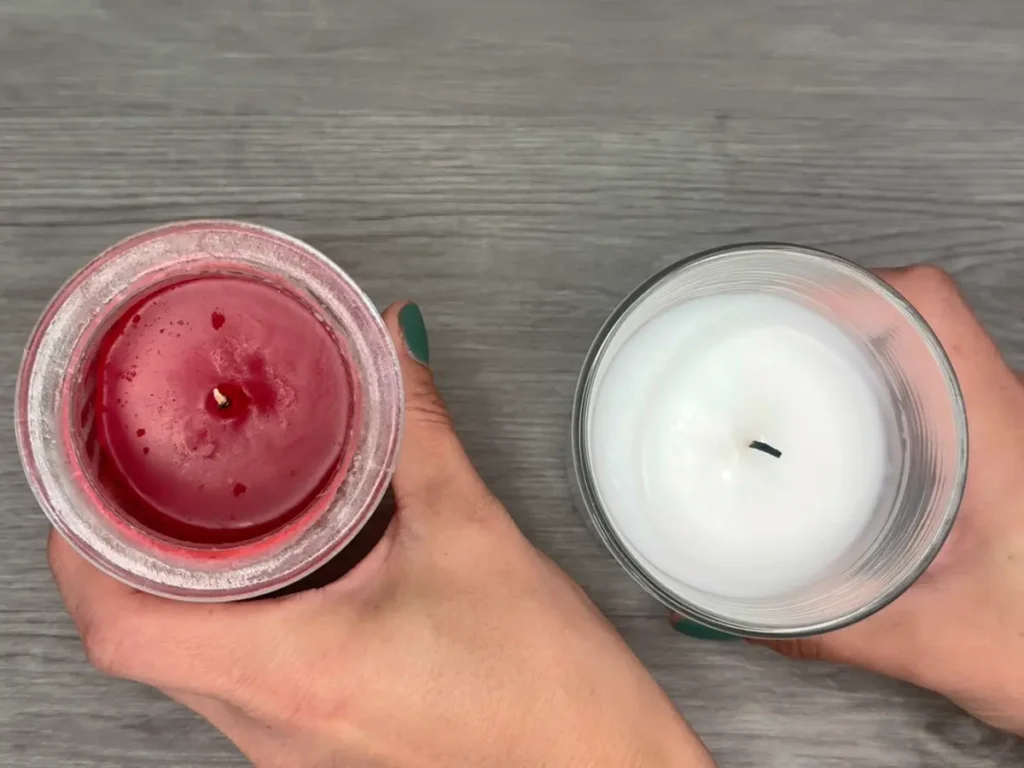
Candle tunneling happens when the wax melts around the wick but doesn’t melt outward toward the sides of the container.
Instead of creating a wide, even melt pool, the candle burns downward and creates a tunnel through the center.
You may notice a thick layer of solid wax remaining around the sides while the area immediately around the wick continues to melt.
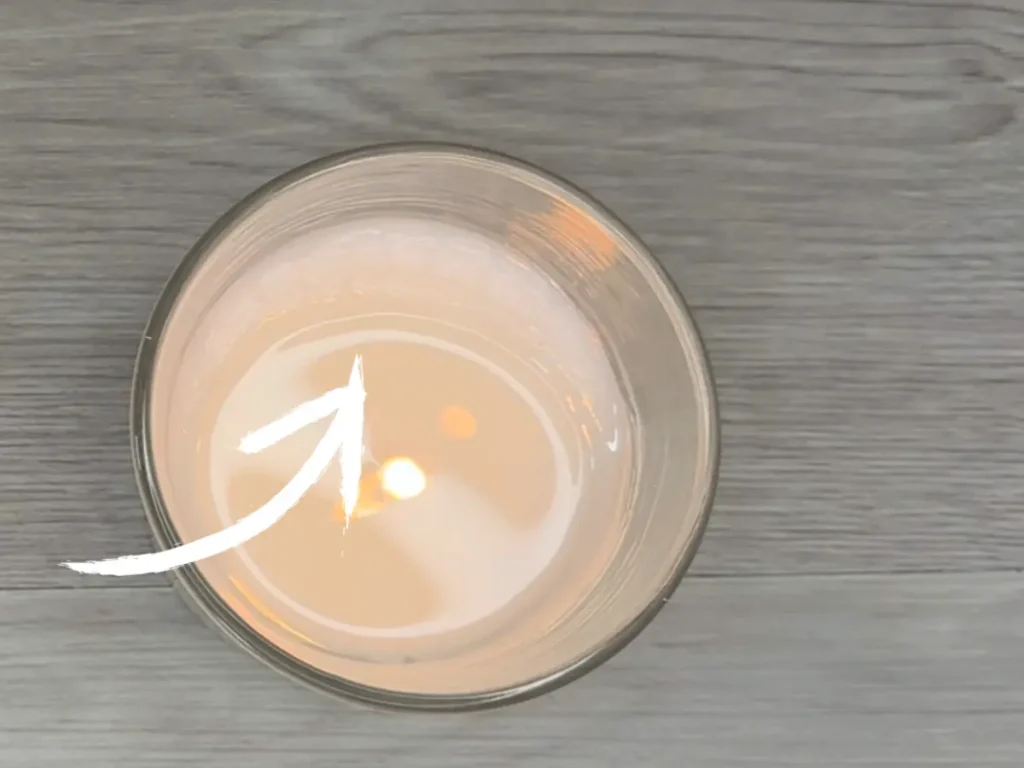
A candle doesn’t necessarily need to have the entire surface melted immediately to be burning correctly. What you’re looking for is whether the candle consistently fails to melt outward as it burns.
If it repeatedly burns straight down the middle, you have a tunneling problem.
Prefer to watch Video Tutorial on Candle Tunneling?
Why Is My Soy Candle Tunneling?
There are a few main things I look at when troubleshooting a tunneling soy candle:
- The wick is too small for the container.
- The wick was not centered.
- The candle wasn’t burned correctly during the first burn.
Let’s look at all three.
Your Wick Is Too Small
One of the biggest causes of candle tunneling is using a wick that isn’t large enough for the diameter of your candle container.
The wick needs to produce enough heat to melt the wax across the appropriate area of the container.
If the wick is too small, it may only melt the wax directly around itself.
That creates the classic tunnel: the flame burns in the center while the wax around the sides remains solid.
This is why choosing the right wick is such an important part of candle making.
When selecting a wick, start with the manufacturer’s recommendation for the inside diameter of your container.
But remember that a manufacturer’s recommended wick size is a starting point. Your finished candle still needs to be burn tested.
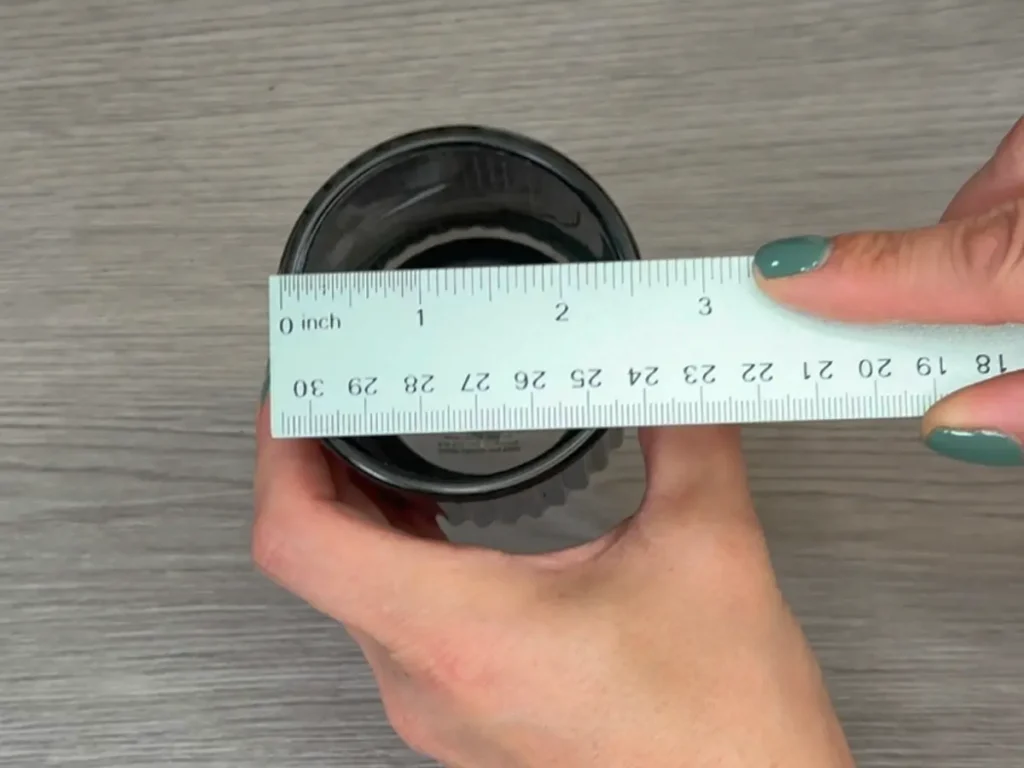
Your wax, fragrance oil, fragrance load, container diameter, and wick all affect how your candle burns.
You might be interested in Choosing the Right Wick
I’ve also written about making your own candle wicks if you’re interested in learning more about how wicks work.
The Wick is Not Centered
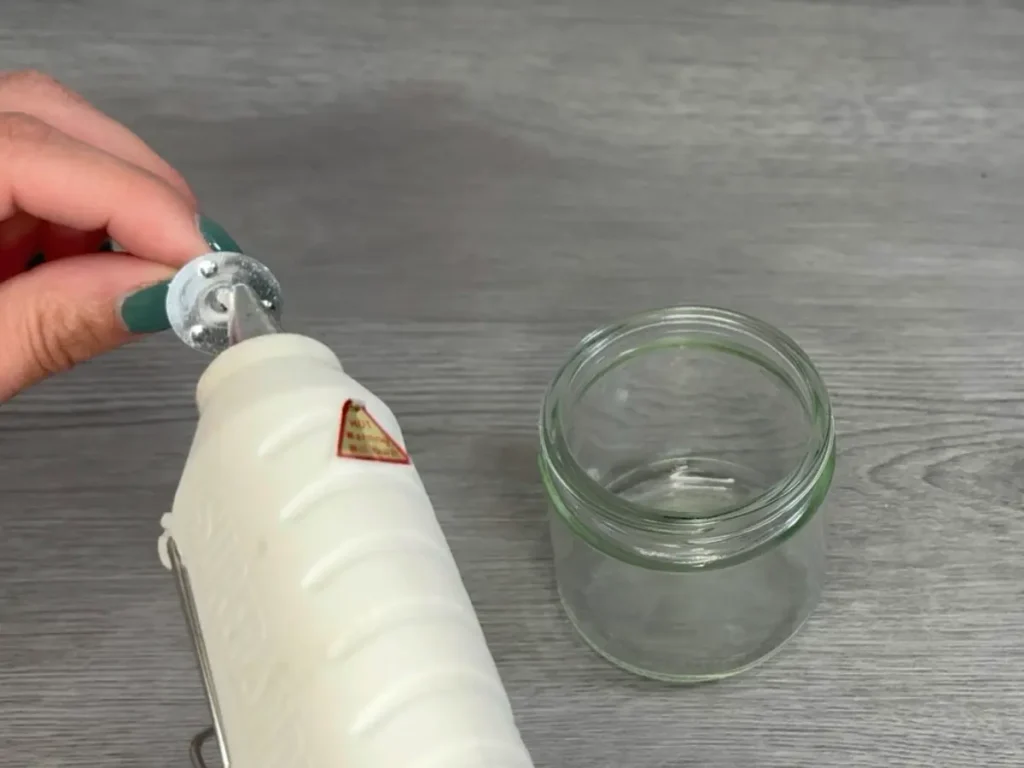
Another major cause of tunneling is that the wick is not placed in the center of the candle.
When you have the wick off center, it will normally burn one side all the way to the edge and the other side will tunnel.
I recommend using a glue gun to attach the wick. That way you can move it if you need to.
The First Burn Wasn’t Long Enough
The other major cause of tunneling is not giving the candle enough time to establish a proper melt pool during its first burn.
This is especially important with soy candles.
As a general rule of thumb, I recommend allowing about 1 hour of burn time per inch of container diameter for the first burn.
For example:
| Container Diameter | Approximate First Burn |
|---|---|
| 2 inches | 2 hours |
| 3 inches | 3 hours |
| 4 inches | 4 hours |
The idea is to give the candle enough time to melt outward rather than extinguishing it while only a small area around the wick has melted.
If you repeatedly burn a candle for a short amount of time and extinguish it before the melt pool has had time to develop, you can encourage the candle to continue following that narrow burn pattern.
But Don’t Just Burn It Forever
The goal isn’t to leave your candle burning for as long as possible.
Candles should always be monitored while burning, and you should follow appropriate candle safety guidelines.
The first burn is about giving the candle enough time to establish a good melt pattern, not burning it forever.
This is often referred to as candle memory. A candle tends to follow the burn pattern established during its first few burns. If you extinguish the candle before the melt pool reaches the appropriate area, the next time you light it, the candle may continue to burn down that same narrow area instead of melting evenly toward the edges.
That is why the first burn is so important. Give the candle enough time to develop a proper melt pool before extinguishing it.
How to Prevent Candle Tunneling
If you’re making your own soy candles, preventing tunneling starts before you ever light the candle.
Step 1: Measure Your Container
Start by measuring the inside diameter of your candle container.
This measurement is important because wick recommendations are generally based on the diameter of the area the wick needs to heat.
Step 2: Choose a Wick Recommended for That Diameter
Use the wick manufacturer’s recommendations as your starting point.
If the manufacturer gives a recommended container diameter range, choose a wick within that range and then test it in your specific wax and fragrance formula.
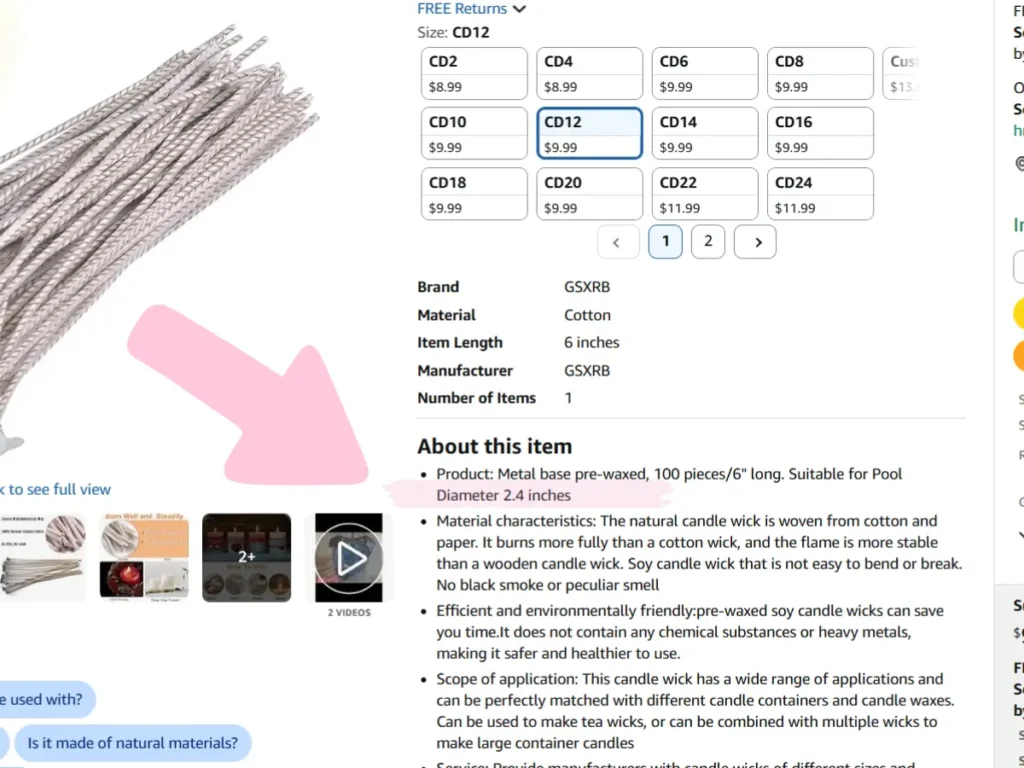
Don’t assume that a wick that worked perfectly in one candle will work perfectly in another.
You can also find more supplies in my Candle Making Supplies for Beginners post.
Your wax and fragrance can also affect how your candle burns.
Step 3: Make a Test Candle
This is the step that can save you from making an entire batch of candles that doesn’t burn correctly.
Make a test candle first.
Then burn it and observe:
- The size of the melt pool
- Flame size
- How quickly the wax is being consumed
- Whether the candle is tunneling
- Whether the wick is mushrooming
- Whether the candle produces excessive smoke or soot
If the candle tunnels, don’t just assume the problem will disappear.
Go back to the wick.
Step 4: Consider Multiple Wicks for Larger Containers
A larger candle doesn’t always need one enormous wick. They dont even make them that large.
Sometimes a wide container is better suited to multiple wicks.
The goal is to distribute heat across the candle rather than trying to make one oversized wick do all the work.
This is especially important when working with larger-diameter containers.
How to Stop a Candle That Is Already Tunneling
This is where it’s important to separate fixing the appearance of the candle from actually fixing the candle.
If the candle is tunneling because the wick is too small, there isn’t a trick that will turn that wick into the correct wick.
For your next candle, you may need:
- A larger wick
- A different wick series
- Multiple wicks
- More testing with your particular wax and fragrance combination
In other words, if the wick is wrong, fix the wick.
That’s much better than trying to hide the problem.
Can You Fix Candle Tunneling With Aluminum Foil?
You’ve probably seen the aluminum foil trick.
The idea is to wrap foil around the top of the candle to trap heat and encourage the wax around the edges to melt.
It may help melt some of the leftover wax, but it doesn’t fix the reason the candle tunneled in the first place.
If the candle has an undersized wick, the wick is still undersized.
So while you may be able to melt some of the wax that was left behind, you’ve still got a candle that wasn’t properly tested.
What About a Candle-Warming Lamp?
If you’ve made a candle that doesn’t burn properly and you don’t want to throw it away, you could use a candle-warming lamp to enjoy the fragrance without burning the wick.
This doesn’t fix the candle—but it can keep you from feeling like you’ve completely wasted the candle you made.
For candles you’re making to sell, though, I wouldn’t consider this a solution.
A candle that doesn’t burn correctly needs more testing.
How Do I Know If My Wick Is Too Small?
Here are some signs that your wick may not be large enough for your container:
- The candle consistently burns down the middle.
- A thick ring of wax remains around the sides.
- The melt pool stays very narrow.
- The candle continues tunneling after you’ve given it an appropriate first burn.
- A large-diameter container isn’t getting enough heat across the surface.
If you’re seeing these problems, don’t automatically jump to the largest wick you can find.
Try the next appropriate wick size and test again.
A wick that’s too large can create its own problems, including an excessively large flame, excessive heat, less hot throw, and an overly fast burn.
That’s why wick testing matters.
Candle Tunneling in Large Containers
Large containers can be particularly challenging because the wick has more wax to heat.
A wick that works well in a 2-inch container may not be able to create the same results in a 4-inch container.
This is where multiple wicks may be a better option. You can use multiple appropriately sized wicks can help distribute heat across a wider candle.
If you’re making a large candle, test your wick configuration before making a large batch.
A Simple Candle Tunneling Troubleshooting Guide
| What You’re Seeing | What to Check |
|---|---|
| Candle burns straight down the middle | Check your wick size |
| Thick wax remains around the sides | Wick may not be producing enough heat |
| Candle tunnels after a proper first burn | Try a different or larger wick |
| Large candle doesn’t melt evenly | Consider multiple wicks |
| Flame is extremely large | Wick may be too large |
| Candle produces excessive smoke | Reevaluate wick and burn conditions |
| Candle only melts a small circle around the wick | Check wick size and first-burn method |
The Bottom Line
If your soy candle is tunneling, start with the basics.
Is your wick large enough for the container?
Did you give the candle a proper first burn?
Those two things are where I’d start.
For your next candle, follow the wick manufacturer’s recommended container size, make a test candle, and pay attention to how it burns.
If it continues to tunnel, try a larger wick or consider multiple wicks if you’re working with a larger container.
And remember: burn testing is part of candle making.
You may have to test several wick sizes before you find the combination that works best with your particular soy wax, fragrance, container, and wick.
That’s not failure.
That’s how you make a better candle.
Ready to Test Your Next Candle?
Having several wick sizes and the basic candle-making supplies on hand makes testing much easier.
This post may contain affiliate links. If you purchase through one of my links, I may earn a small commission at no additional cost to you.
Candle Tunneling FAQs
Why is my soy candle tunneling?
The three main causes are an improperly sized wick, wick not being centered and not allowing the candle to burn long enough during its first burn. If the wick isn’t producing enough heat for the container diameter, the candle may burn down the middle instead of melting evenly.
How do I stop my candle from tunneling?
Start by checking your wick size and your first-burn method. If the candle continues to tunnel, try a larger wick or consider multiple wicks for a larger container.
How long should I burn a candle the first time?
As a general guideline, allow about 1 hour per inch of container diameter for the first burn, while always monitoring the candle and following appropriate candle safety practices.
Can I fix a tunneling candle with aluminum foil?
Aluminum foil may help melt some of the wax around the edges, but it doesn’t correct an incorrectly sized wick. If you’re making candles yourself, it’s better to identify and correct the underlying problem.
Should I use two wicks in a large candle?
A large-diameter container may work better with multiple wicks. The exact setup needs to be tested because the right configuration depends on the container, wax, fragrance, and wick.
Why does my candle only burn in the middle?
If your candle repeatedly burns down the center while leaving significant wax around the sides, it is likely tunneling. Check the wick size first, then make sure it is in the center and then consider whether the candle received a proper first burn.
Can I still use a candle that tunnels?
You can choose to use a candle-warming lamp to enjoy the fragrance, but a tunneling candle isn’t burning as intended. If you’re making candles to sell, use the results of your burn test to adjust the wick before producing more candles.
More Candle-Making Help
New to Candle Making?
Want Stronger-Scented Candles?
Read How to Make a Strong-Scented Soy Candle: Maximize Hot & Cold Throw.
Want to Learn More About Candle Wicks?
Read How to Make Candle Wicks: Candle Making & Making Candle Wicks.
Want to See Wick Selection in a Real Candle?
Check out Island Oasis Candle with Vybar 260.