
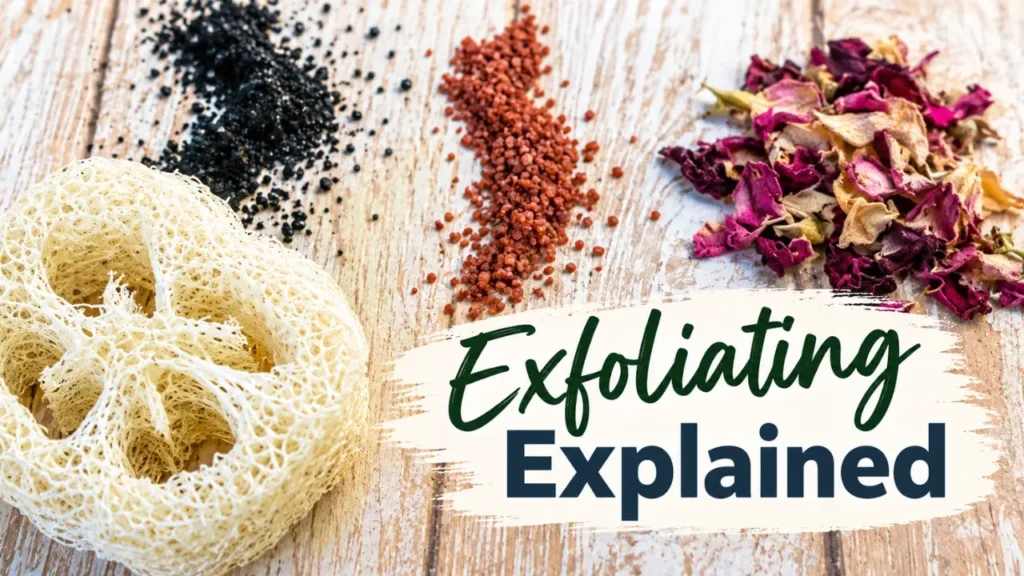
Exfoliation is a common part of skin care, but choosing the right exfoliant is just as important as deciding to exfoliate in the first place. Sugar, salt, oats, botanical powders, and jojoba beads all offer different textures and levels of exfoliation. What works well in a foot scrub may be too abrasive for a facial product.
If you make your own skin care products, understanding these differences can help you choose ingredients that suit your formula and intended use.
In this guide, I’ll explain what physical exfoliation is, how different exfoliating ingredients compare, and what to consider when selecting an exfoliant for facial care, body scrubs, and foot care products.
What Is Physical Exfoliation?
Physical exfoliation uses particles or textured materials to help loosen and remove dead skin cells from the skin’s surface. These ingredients work through friction rather than relying on chemical exfoliants such as alpha hydroxy acids (AHAs) or beta hydroxy acids (BHAs).
Common physical exfoliants include sugar, salt, ground oats, jojoba beads, and certain botanical materials.
The level of exfoliation depends on several factors, including the particle size, shape, hardness, concentration, and how the product is applied. Two ingredients that look similar may feel very different on the skin.
Physical exfoliants can be used in products such as facial scrubs, body polishes, foot scrubs, and exfoliating soaps. The best ingredient depends on the intended use and the overall formulation.
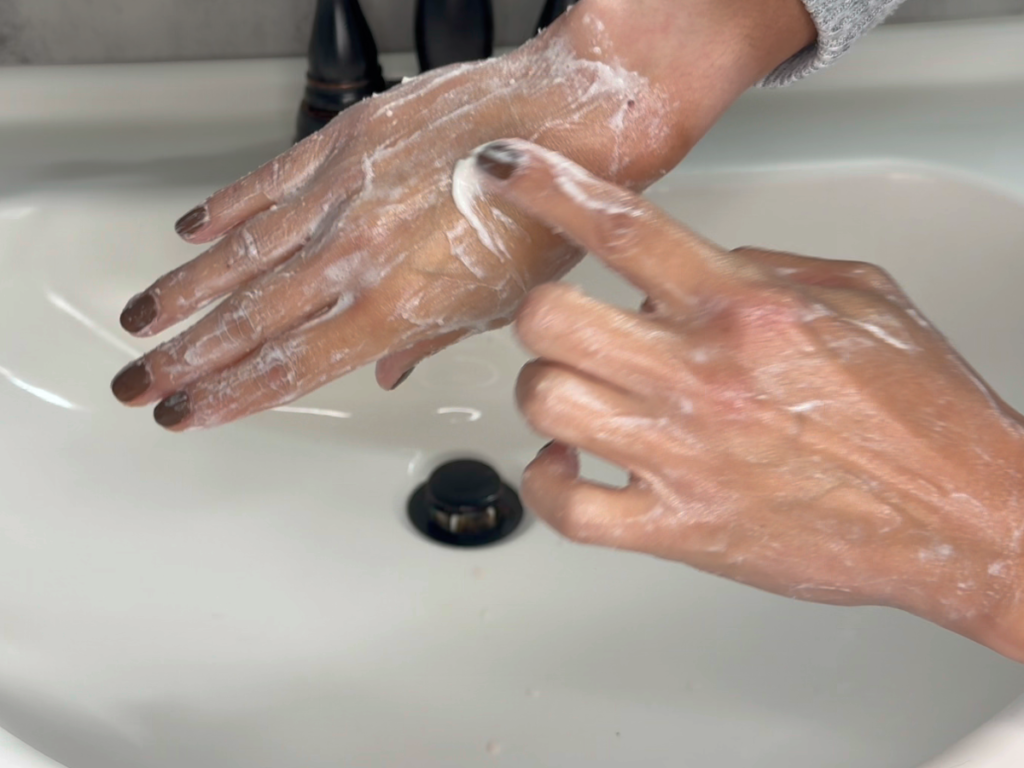
Why Exfoliate?
Dead skin cells naturally shed from the skin’s surface. Exfoliation helps remove some of the cells that remain, leaving the skin feeling smoother.
Depending on the product and how it is used, physical exfoliation may help:
- Improve the feel of rough or flaky skin.
- Temporarily smooth the skin’s surface.
- Remove surface buildup.
- Create a smoother-feeling finish before applying moisturizer.
However, exfoliation isn’t necessary for everyone, and more isn’t always better. Scrubbing too frequently or using an overly abrasive product can cause redness, irritation, dryness, and damage to the skin barrier.
Exfoliation also doesn’t make skin cells grow faster simply by removing dead skin cells. Skin naturally renews itself over time.
The goal is to choose an appropriate exfoliant and use it gently, not to scrub until the skin feels raw or irritated.
Choosing the Right Physical Exfoliant
Not all exfoliating ingredients behave the same way. Some dissolve in water, some remain suspended in a formula, and others have a rough texture that makes them better suited to specific areas of the body.
When choosing an exfoliant for a homemade skin care product, consider the following.
1. Where Will the Product Be Used?
The intended application is one of the most important factors.
Facial skin and the skin around the lips generally call for a gentler approach than rough areas such as the heels. Hands, elbows, and feet may tolerate more substantial exfoliation, although the ingredient and pressure used still matter.
For facial products, avoid assuming that a finely ground ingredient is automatically gentle. Particle shape, hardness, and the finished product’s texture all influence how it feels on the skin.
2. Does the Exfoliant Dissolve in Water?
This matters when developing a scrub or another product that contains water.
Sugar and salt dissolve in water. In a water-containing formula, they may gradually dissolve during storage, changing the product’s texture and exfoliating properties.
Jojoba beads and many insoluble botanical particles are more likely to retain their shape in water-based products, depending on their material and specifications.
If you are making an anhydrous scrub, such as an oil-based sugar scrub, the absence of added water helps the sugar retain its texture. However, introducing water during use can still cause the particles to dissolve.
Products containing water also require appropriate preservation. Exfoliating particles do not replace a preservative, and an oil-based formula should not automatically be considered safe from contamination simply because it contains no added water.
3. What Is the Particle Shape and Texture?
The physical characteristics of an exfoliant influence how it feels during use.
Rounded, smooth particles may provide a different experience from irregular, angular, or sharp-edged particles. Hardness and particle size also matter.
Avoid materials with sharp or jagged particles, particularly in products intended for delicate skin. Excessive friction can irritate the skin regardless of whether an ingredient is natural.
4. Will the Exfoliant Work in Your Formula?
The ingredient needs to suit both the intended use and the product itself.
Consider whether the exfoliant will dissolve, soften, settle, float, or remain evenly distributed. Particles added to a liquid or gel may need a suitable suspension system to prevent separation.
Also consider the finished texture. A body polish may benefit from a noticeable grain, while a facial product generally calls for a more conservative approach.
Types of Physical Exfoliants
The following ingredients are commonly used in DIY skin care and bath and body products. Their suitability depends on their grade, particle characteristics, intended use, and finished formulation.
Activated Charcoal
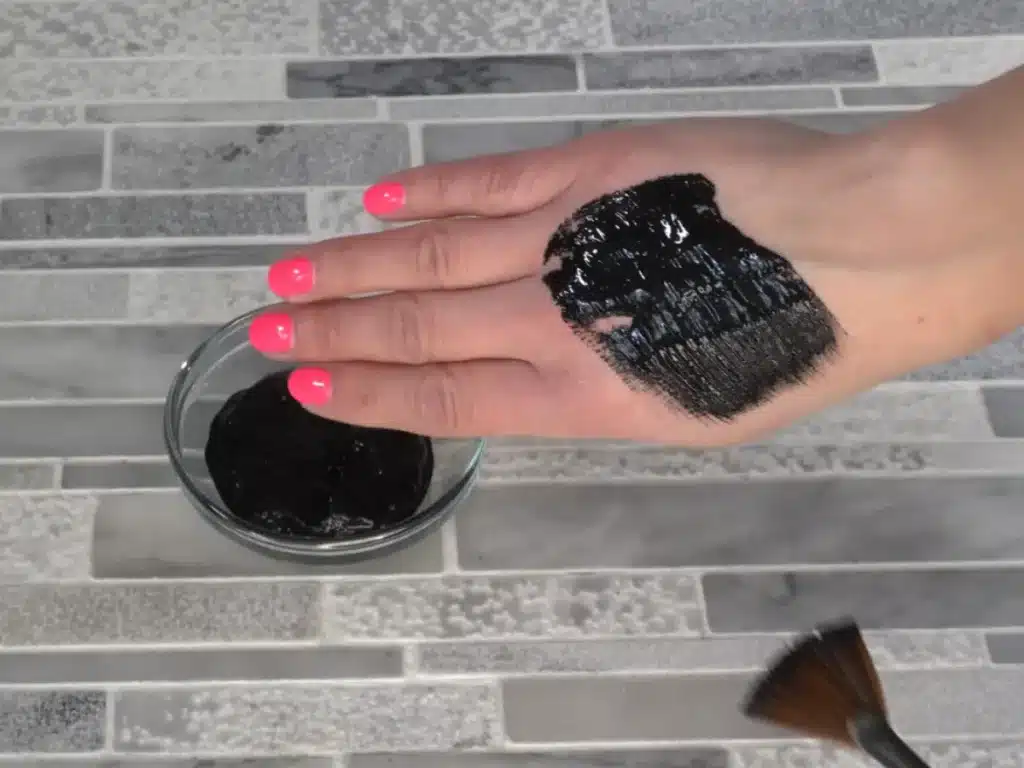
Activated charcoal is a finely processed form of carbon used primarily for its adsorptive properties. It can bind certain substances to its surface under appropriate conditions and is commonly included in facial masks and cleansing products.
Although charcoal powder can affect the texture of a product, it should not automatically be considered a physical exfoliant. Fine charcoal powder may contribute little noticeable scrubbing action.
It is better known as a functional ingredient in rinse-off masks than as a substitute for a conventional granular exfoliant.
For an example of how it can be used in a facial product, see my Detoxifying Activated Charcoal & Rose Petal Face Mask.
Botanicals
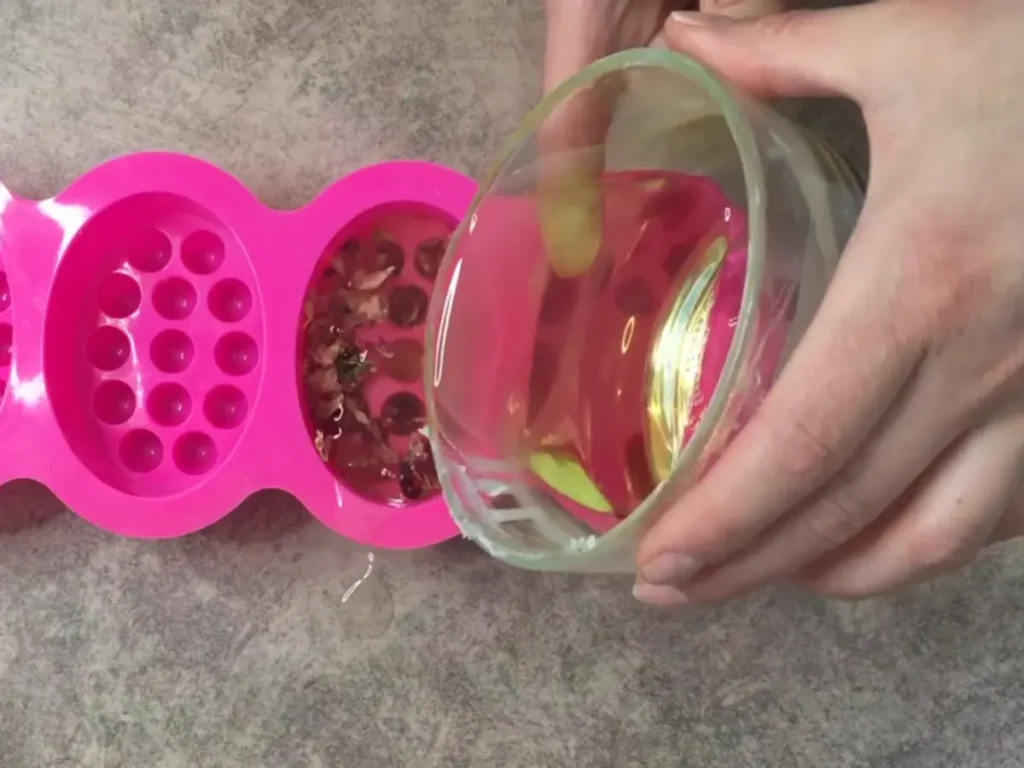
Botanical ingredients include materials such as rose petals, lavender, and chamomile. Depending on how they are processed, they can add visual interest, texture, and a botanical element to a formulation.
Whole or coarsely cut botanicals may be too rough for delicate facial skin. Finely processed materials can behave differently, but their suitability still depends on particle size and shape.
Botanicals can be useful in body scrubs, bath products, and decorative soaps. Keep in mind that dried plant material can introduce additional formulation and storage considerations, especially when exposed to moisture.
Colloidal Oatmeal
Colloidal oatmeal is finely milled oatmeal designed to disperse in water. It is widely used in skin care for its soothing and skin-conditioning properties.
Because it is so finely processed, colloidal oatmeal does not generally provide the noticeable scrubbing action associated with sugar or salt. It is more appropriate to think of it as a soothing, skin-conditioning ingredient than as a conventional granular exfoliant.
It can be a useful addition to gentle cleansers, masks, and other facial products.
See my All Natural Homemade Face Wash for an example of a homemade facial cleansing product.
Coffee Grounds
Coffee grounds are sometimes added to body scrubs and soap to provide a textured, exfoliating feel.
Their performance depends on how finely they are ground and whether the particles have irregular or sharp edges. Coarser grounds may feel harsh, particularly on sensitive skin.
Used coffee grounds are not automatically a gentler option. They can also retain moisture, so their condition and suitability for the finished product need consideration.
For a homemade scrub, use a material specifically suited to cosmetic use and avoid assuming that kitchen leftovers are appropriate for long-term storage in a skin care product.
Jojoba Beads
Jojoba beads are small, manufactured exfoliating particles typically made from hydrogenated jojoba oil. They are available in different sizes and colors.
Their relatively rounded shapes can provide a more uniform exfoliating texture than many irregular natural particles. The appropriate grade and particle size still matter, especially for facial products.
Jojoba beads can be useful in cleansers, scrubs, and other formulations where a consistent particle size is desirable.
Check the supplier’s specifications for heat tolerance and compatibility with your formula rather than assuming every grade behaves identically.
For a facial scrub example, see my Homemade Face Scrub for Glowing Skin.
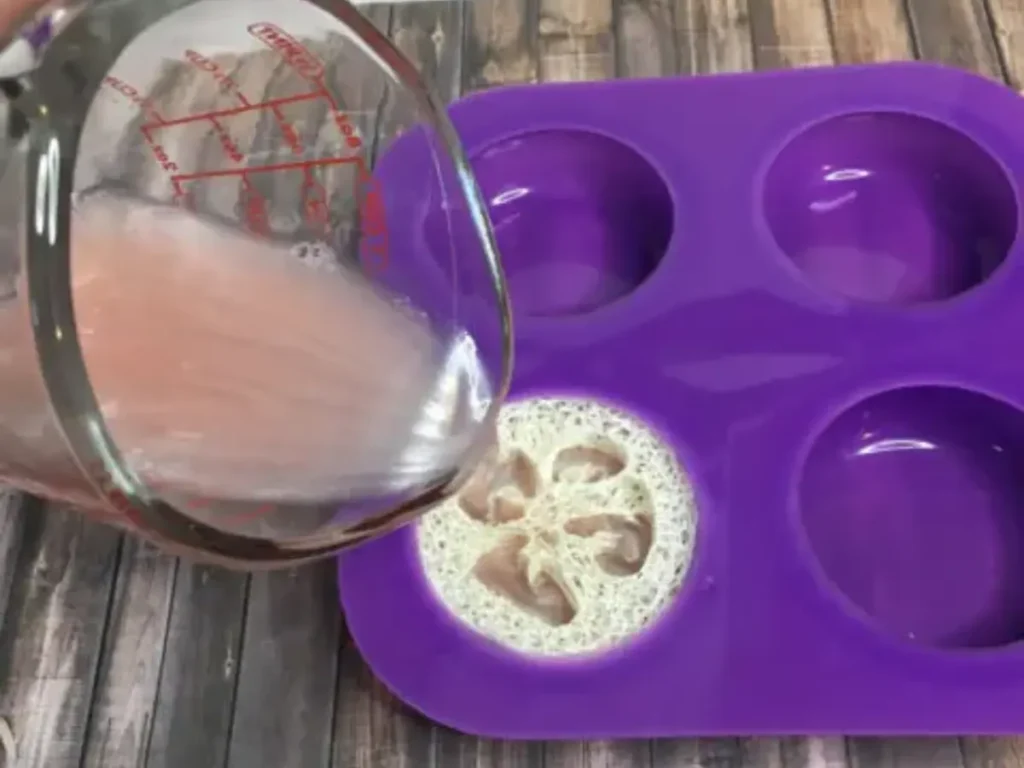
Luffa
Luffa is a fibrous plant material often used in exfoliating soaps and bath products. When incorporated into melt-and-pour soap, it creates a textured surface that can help scrub rough areas.
Luffa generally provides more substantial mechanical exfoliation than fine powders. It is better suited to products intended for tougher areas, such as hands and feet, than to delicate facial skin.
Make sure the finished product can dry appropriately between uses, and discontinue use if the material becomes uncomfortable or irritating.
Try my DIY Luffa Soap for an example of using luffa in a soap bar.
Oats
Oats can be used in skin care in several forms, including finely ground oats and colloidal oatmeal. These forms are not interchangeable in every application.
Finely ground oats can add a mild, powdery texture, while coarser particles may provide more noticeable friction. Oats are also used for their skin-conditioning properties.
Choose the form based on the intended function. If the goal is a soothing facial product, colloidal oatmeal is often a more appropriate choice than coarsely ground oats intended to provide scrubbing action.
Pumice Powder
Pumice is a naturally occurring volcanic material that is processed into particles or powder. In personal care products, it can provide substantial mechanical exfoliation.
The degree of exfoliation depends on the grade and particle size. A fine powder may look soft and lightweight but can still be quite abrasive.
Pumice is most commonly associated with foot scrubs and products for rough skin. Choose a cosmetic-grade material with specifications appropriate for the intended application, and avoid using a coarse grade on delicate skin.
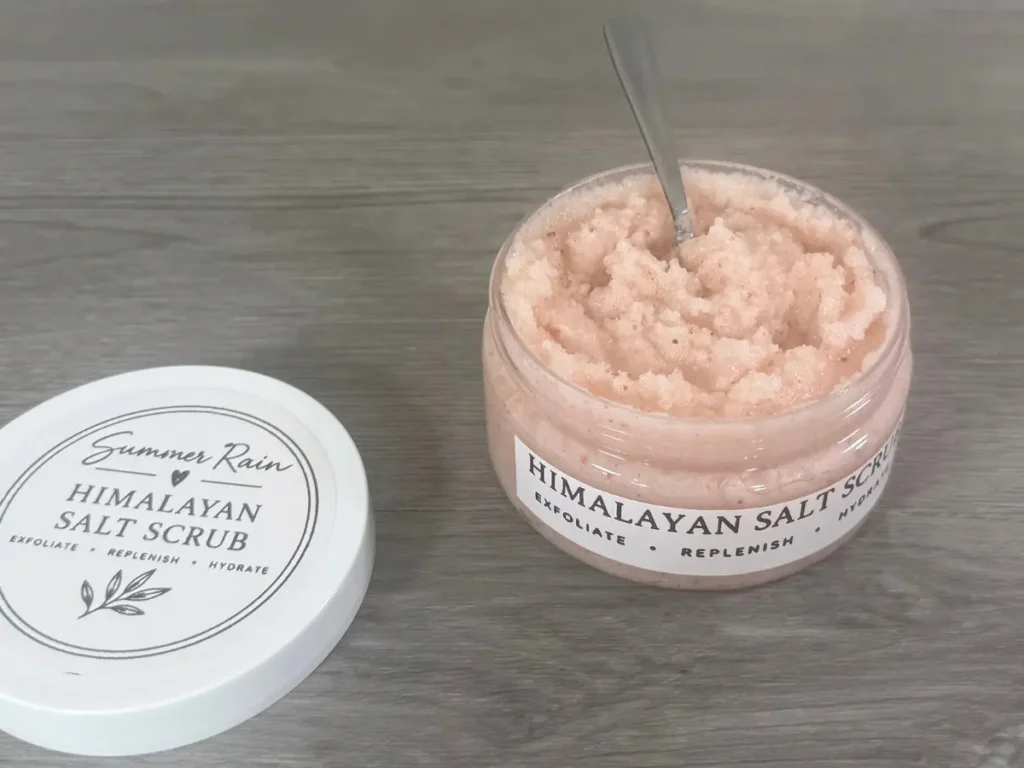
Salts
Salt is a popular ingredient in body scrubs. Different salts are available in a range of crystal sizes, from fine grains to coarse crystals.
The size and shape of the crystals affect how the scrub feels. Coarse salt may be appropriate for certain foot-care products, while finer crystals generally create a less aggressive texture.
Salt can sting on broken or freshly shaved skin, so it is not an ideal choice for every application. It may also dissolve when exposed to water.
For a salt-based DIY project, see my Solid Salt Scrub Cubes.
Seeds
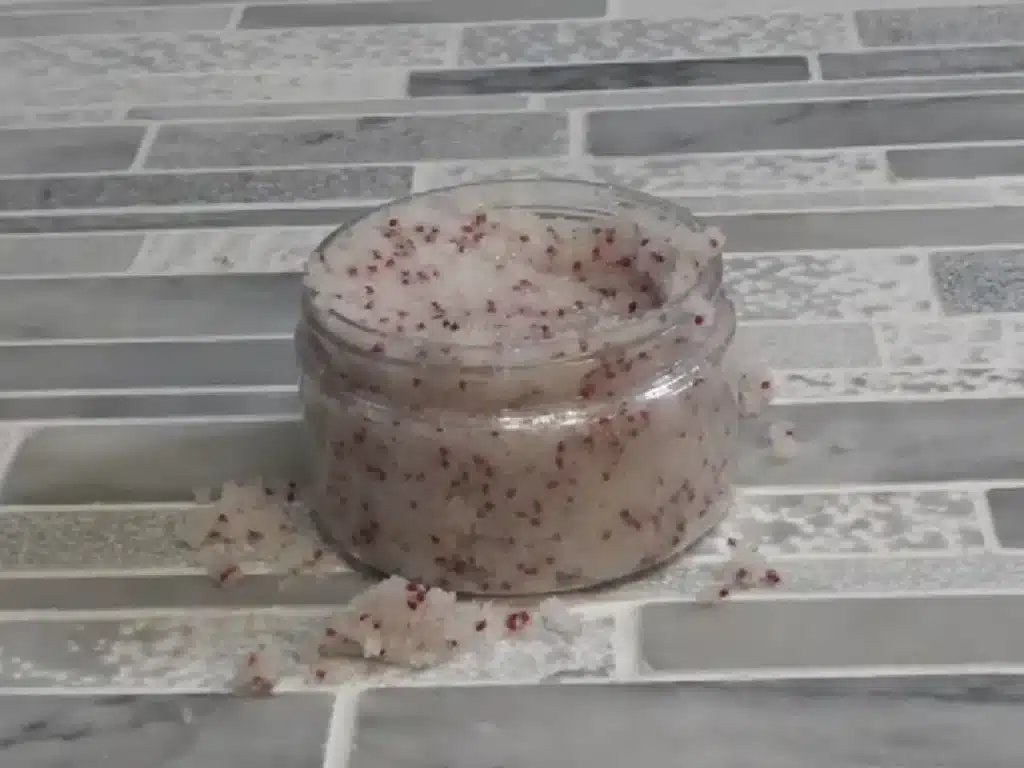
Some cosmetic formulations use processed seeds or seed-derived particles for exfoliation. Strawberry seeds are one example.
The particle size, hardness, and shape determine whether a particular grade is suitable for a finished product. Seeds should not automatically be considered gentle simply because they are plant-derived.
In water-based formulas, insoluble particles may settle or float depending on their density and the properties of the base. A formulation may need an appropriate suspension system to help distribute the particles evenly.
Use cosmetic-grade materials intended for the application rather than assuming that raw seeds are suitable for skin care.

Sugar
Sugar is a common ingredient in DIY body scrubs because it is readily available and dissolves in water.
Granulated sugar provides noticeable exfoliation, while finer grades create a different texture. The right choice depends on the intended use and how gently the product is applied.
Sugar is often used in lip scrubs and body polishes. However, coarse particles can still irritate delicate skin, and sugar may leave a slightly sticky feeling if it is not rinsed away thoroughly.
Because sugar dissolves in water, it is generally easier to maintain its texture in an anhydrous scrub than in a water-containing product stored over time.
For examples, see my Foaming Sugar Scrub Made with a Whipped Soap Base.
Choosing Exfoliants by Product Type
The same ingredient can perform differently depending on the product in which it is used. Consider the intended application, the particle characteristics, and whether the exfoliant will retain its properties throughout storage.
Facial Care
Facial products generally benefit from a conservative approach to physical exfoliation. Fine particles are not automatically safe for everyone, so consider the particle shape and the finished product’s texture.
Ingredients to consider include:
- Colloidal oatmeal: Useful for soothing and skin-conditioning products rather than noticeable scrubbing.
- Suitable jojoba beads: Can provide a consistent, rounded exfoliating texture when the grade is appropriate.
- Fine sugar: Sometimes used in lip products, although the delicate lip surface can still become irritated by scrubbing.
- Activated charcoal: Better suited to masks and cleansing formulations than to products that rely on granular exfoliation.
Related projects:
- Detoxifying Activated Charcoal & Rose Petal Face Mask
- All Natural Homemade Face Wash
- Homemade Face Scrub for Glowing Skin
- DIY Mango Lip Scrub
- Cinnamon Roll Sugar Lip Scrub Stick
- Whipped Monkey Farts Lip Scrub
Body Scrubs
Body scrubs can accommodate a wider range of textures, depending on the body area and the intended experience. Sugar is popular for oil-based and foaming scrubs, while salt is often used in traditional body polishes.
Possible ingredients include:
- Sugar
- Salt
- Suitable jojoba beads
- Cosmetic-grade botanical particles
- Appropriately processed oats or seed particles
Related project ideas:
Foot Care and Pedicure Products
The heels and soles of the feet often need a different approach from facial skin. Products intended for rough skin may use more substantial exfoliating materials, but excessive friction can still cause irritation or damage.
Ingredients to consider include:
- Pumice powder: A common choice for foot-care formulations, with the grade determining its abrasiveness.
- Luffa: Provides a fibrous, textured surface in exfoliating soaps.
- Salt: Available in different crystal sizes for foot scrubs.
- Sugar: An alternative granular exfoliant for foot-care products.
- Suitable botanicals: Can add texture, depending on their particle characteristics.
Related projects:
- DIY Foot Scrub for a Spa Day at Home
- DIY Luffa Soap
- Homemade Pedicure: Foot Soak, Exfoliator and Whipped Pedi Butter
Frequently Asked Questions
What is the difference between physical and chemical exfoliation?
Physical exfoliation uses particles or textured materials to loosen and remove dead skin cells through friction. Chemical exfoliation uses ingredients such as AHAs or BHAs to help loosen the connections between cells at the skin’s surface. Each approach has different benefits and potential for irritation.
Which exfoliant is best for sensitive skin?
There is no single exfoliant that works for everyone with sensitive skin. A product with a gentle overall formulation may be better tolerated than one with coarse or irregular particles. Colloidal oatmeal is commonly used for its soothing properties, but it is not a substitute for a granular exfoliant. Patch testing and avoiding excessive friction are sensible precautions.
Can I use sugar and salt in a water-based scrub?
Sugar and salt dissolve in water, so their particle size and exfoliating effect may change over time in a water-containing formula. They are generally easier to use in anhydrous scrubs. If your product contains water, consider whether an insoluble exfoliant is more suitable, and ensure the finished formulation has an appropriate preservation system.
Are natural exfoliants always better for the skin?
No. Natural origin does not automatically make an ingredient gentle or safe for every application. Particle size, shape, hardness, purity, and the way a product is used all matter. Some natural materials can be too abrasive for delicate skin.
How often should you exfoliate?
It depends on the product, the skin area, and individual tolerance. Frequent or aggressive exfoliation can cause dryness and irritation. Start conservatively, follow the product’s intended use, and stop if your skin becomes red, painful, or irritated.
Final Thoughts
Choosing an exfoliant is about more than selecting an ingredient that removes dead skin cells. You also need to consider the skin area, particle size and shape, the texture you want to create, and how the ingredient behaves in your formulation.
Sugar and salt are useful for many scrubs, jojoba beads can provide a consistent particle texture, and pumice and luffa are better suited to certain rough-skin applications. Other ingredients, such as colloidal oatmeal and activated charcoal, are often more valuable for their skin-conditioning or formulation functions than for their exfoliating action.
When developing your own skin care products, start with the intended use and choose ingredients that support it. Gentle, well-formulated products are more useful than scrubs that rely on aggressive friction.
Pingback: Coconut Oil: How to Use it In DIY Skincare - Summer Rain