
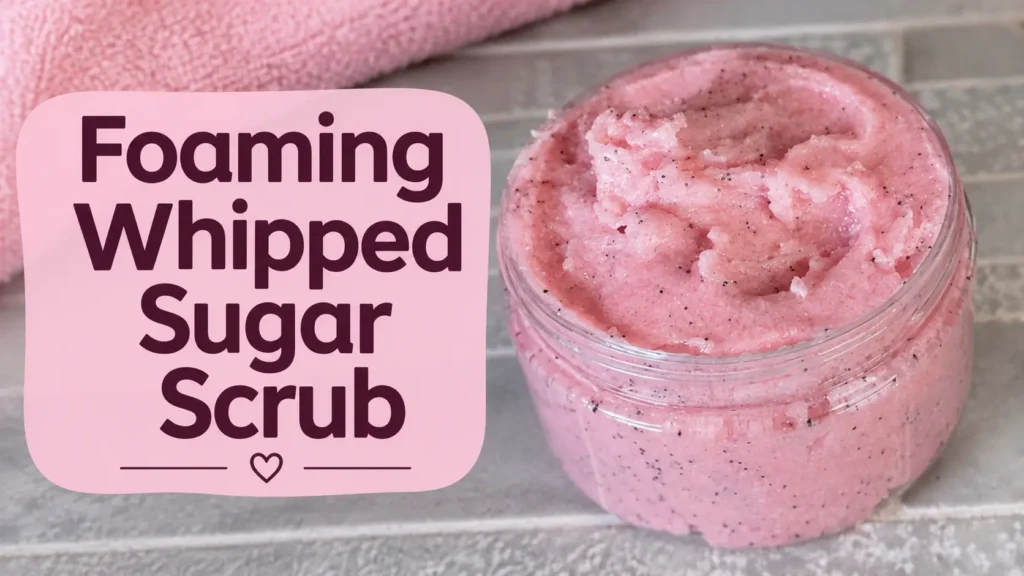
A foaming whipped sugar scrub combines the exfoliating benefits of sugar with the cleansing action of surfactants. Unlike a traditional oil-based sugar scrub, this version creates a lather when mixed with water, helping wash away dirt, excess oil, and the scrub itself.
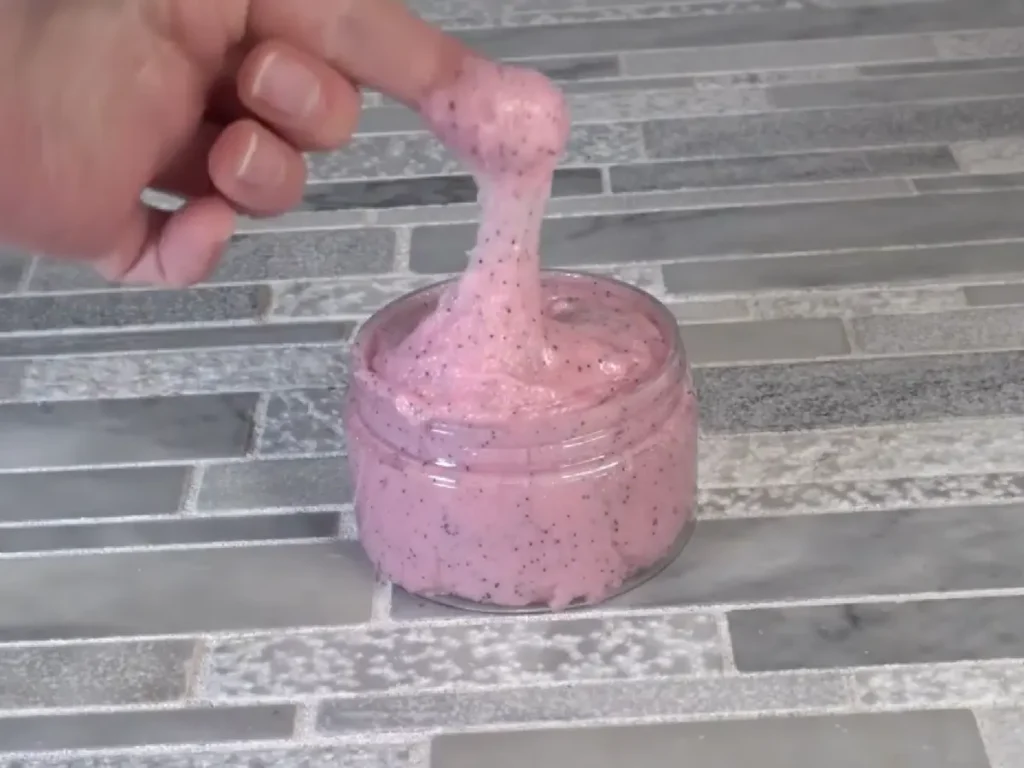
The texture is another thing that makes this recipe special. Instead of a loose mixture of sugar and oil, you’ll make a light, whipped base that holds the sugar and creates a creamy, spreadable scrub.
In this tutorial, I’ll show you how to make a foaming whipped sugar scrub from scratch, explain what each ingredient contributes to the formula, and share tips for choosing exfoliants, getting the right consistency, and storing your finished scrub.
This recipe is a great project if you’ve already experimented with homemade sugar scrubs and want to try something that cleanses and exfoliates in one step.
Prefer to watch this project instead of reading it?
Some of the links are affiliate links, because I am an associate and I earn a small commission on them. There is no additional cost to you, I earn a commission if you click through and make a purchase.
What Is a Foaming Whipped Sugar Scrub?
A foaming whipped sugar scrub is a cleansing exfoliating product made with sugar, oils, and surfactants. It combines three functions in one product:
- Exfoliation: Sugar provides physical exfoliation by helping remove dead skin cells from the skin’s surface.
- Cleansing: Surfactants create foam and help remove dirt and excess oil.
- Conditioning: Glycerin and a small amount of oil help give the scrub a softer, more conditioned after-feel.
There are a few different types of sugar scrubs, and understanding the difference helps explain why this formula is made the way it is.
A traditional sugar scrub typically contains sugar mixed with oils and sometimes an emulsifier. It exfoliates but doesn’t necessarily produce a cleansing lather.
A foaming sugar scrub uses surfactants to create bubbles and provide cleansing. This helps the product rinse away more easily than a simple oil-and-sugar mixture.
A whipped sugar scrub takes things a step further by incorporating a whipped, creamy base. This gives the product a lighter texture that is easy to scoop and spread over the skin.
If you’d like to experiment with other types of scrubs, see my guide to making different types of sugar scrubs.
How Do the Surfactants Make a Sugar Scrub Foam?
The foaming action in this recipe comes from two surfactants: Sodium Cocoyl Isethionate (SCI) and Coco Glucoside.
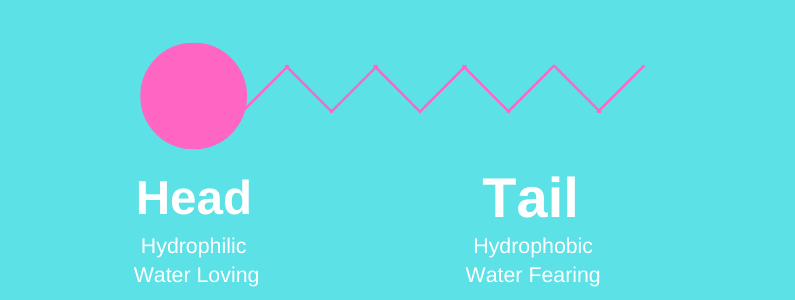
Surfactants are ingredients that help water and oil interact. They have a water-loving (hydrophilic) portion and an oil-loving (lipophilic) portion. This allows them to help lift dirt and oils from the skin so they can be rinsed away with water.
If you’d like to understand the science behind these ingredients, read my guide to How Surfactants Work.
Sodium Cocoyl Isethionate (SCI)
SCI (Sodium Cocoyl Isethionate) is a mild anionic surfactant commonly used in cleansing products. It produces a creamy lather and helps give this scrub its foaming properties.
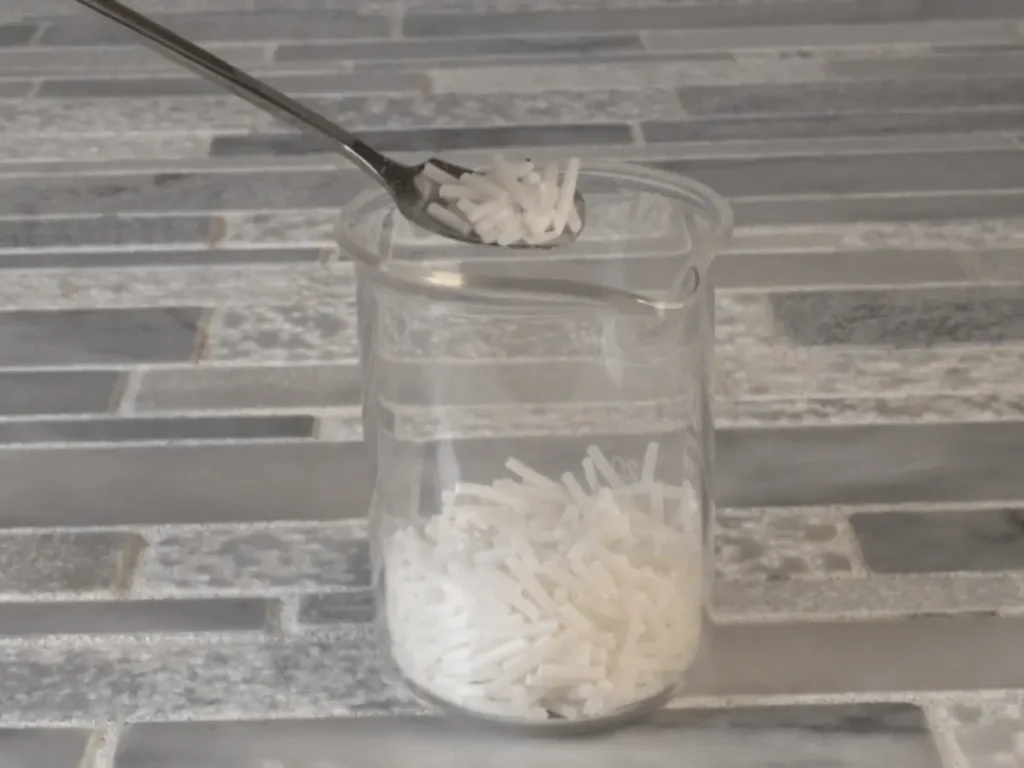
SCI is available in several forms, including noodles and powder. I prefer working with the noodle form because fine surfactant powders can become airborne during handling.
Safety tip: Wear a suitable dust mask when handling powdered SCI. Avoid creating dust and work in a well-ventilated area.
SCI also contributes to the overall structure of the scrub, making it an important part of this particular formula.
Coco Glucoside
Coco Glucoside is a nonionic surfactant derived from plant-based fatty alcohols and glucose.
It works alongside SCI to provide cleansing and foaming properties. Using two different surfactants gives the formula a combination of cleansing and lathering characteristics.
Coco Glucoside is a liquid, which also makes it convenient to incorporate into the heated mixture.
Understanding the Remaining Ingredients
The remaining ingredients help create the texture, consistency, and skin feel of the scrub. Each one has a specific job, and changing their proportions can affect the finished product.
Stearic Acid
Stearic Acid is a fatty acid used to thicken and structure cosmetic products.
In this recipe, it helps create a thicker, creamier base that can be whipped once cooled. Without enough structure, the mixture may be too loose to hold a whipped consistency.
Stearic acid is particularly useful in products where you want a rich texture without relying on large amounts of butter or oil.
Vegetable Glycerin
Vegetable Glycerin is a humectant, meaning it attracts and holds water.
It helps give the scrub a more comfortable skin feel and contributes to the consistency of the base.
Glycerin is commonly used in lotions, body washes, and other personal care products because of its ability to attract moisture.
If you’re interested in learning more about how humectants work, see my guide to Humectants, Occlusives, and Emollients Explained.
Fractionated Coconut Oil
Fractionated Coconut Oil is a lightweight emollient that helps soften the skin and improves the overall feel of the scrub.
You’ll notice that this recipe uses a relatively small amount of oil compared with a traditional sugar scrub.
There is a reason for that!
Too much oil can interfere with the cleansing experience and reduce the effectiveness of the foaming system. It can also make the finished scrub feel greasy or leave more residue behind after rinsing.
Distilled Water
Water helps hydrate the surfactants and allows the ingredients to combine into a workable base.
Because this recipe contains water, it also needs a broad-spectrum preservative. Water-containing products can support microbial growth, even when they don’t look or smell spoiled.
Using distilled water helps reduce the introduction of minerals and other impurities during formulation.
Foaming Whipped Sugar Scrub Recipe
Champagne Bliss Foaming Whipped Sugar Scrub
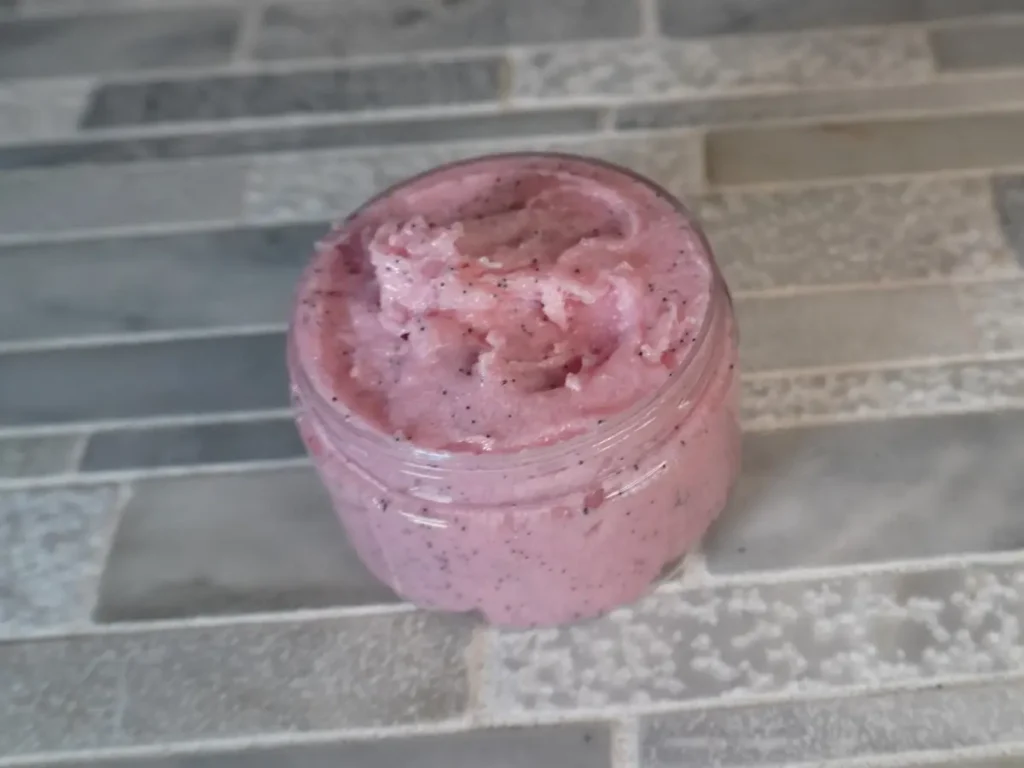
| Ingredient | Percentage | Weight (oz) |
|---|---|---|
| SCI (Sodium Cocoyl Isethionate) | 27% | 2.70 |
| Coco Glucoside | 4.5% | 0.45 |
| Stearic Acid | 3.5% | 0.35 |
| Vegetable Glycerin | 10% | 1.00 |
| Fractionated Coconut Oil | 5% | 0.50 |
| Distilled Water | 14% | 1.40 |
| Germall Plus | 0.5% | 0.05 |
| Champagne Fragrance Oil | 4% | 0.40 |
| Granulated White Sugar | 31% | 3.10 |
| Jojoba Beads | 0.5% | 0.05 |
| Total | 100% | 10 oz |
How to Make a Foaming Whipped Sugar Scrub
Step 1: Melt the Base Ingredients
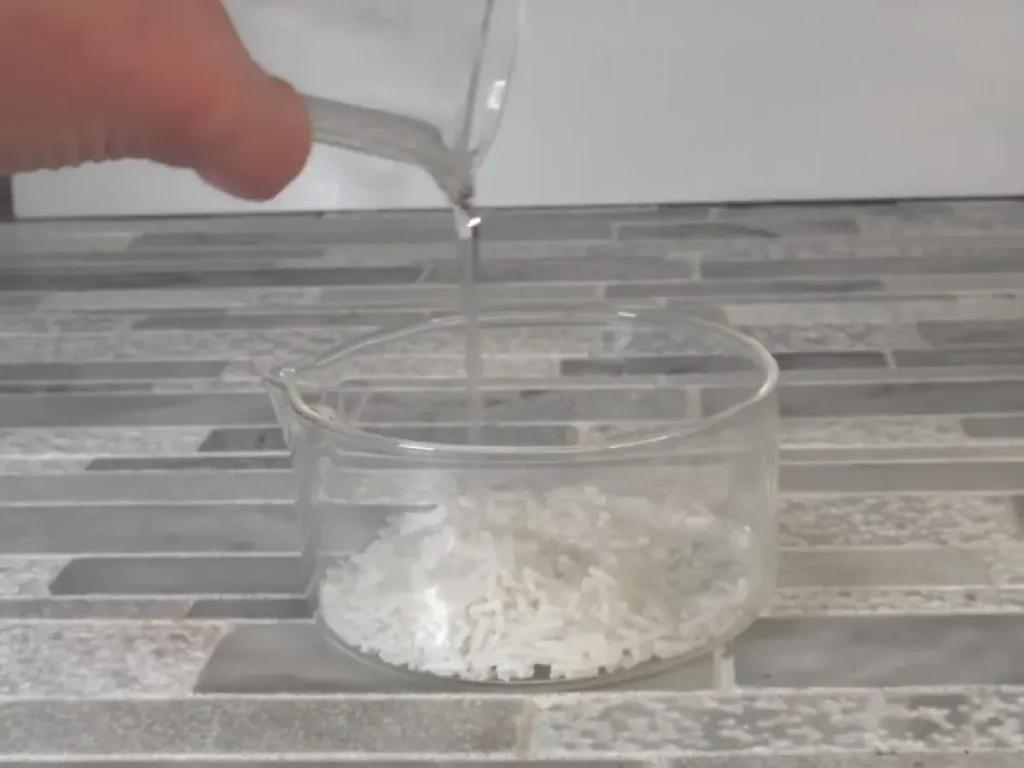
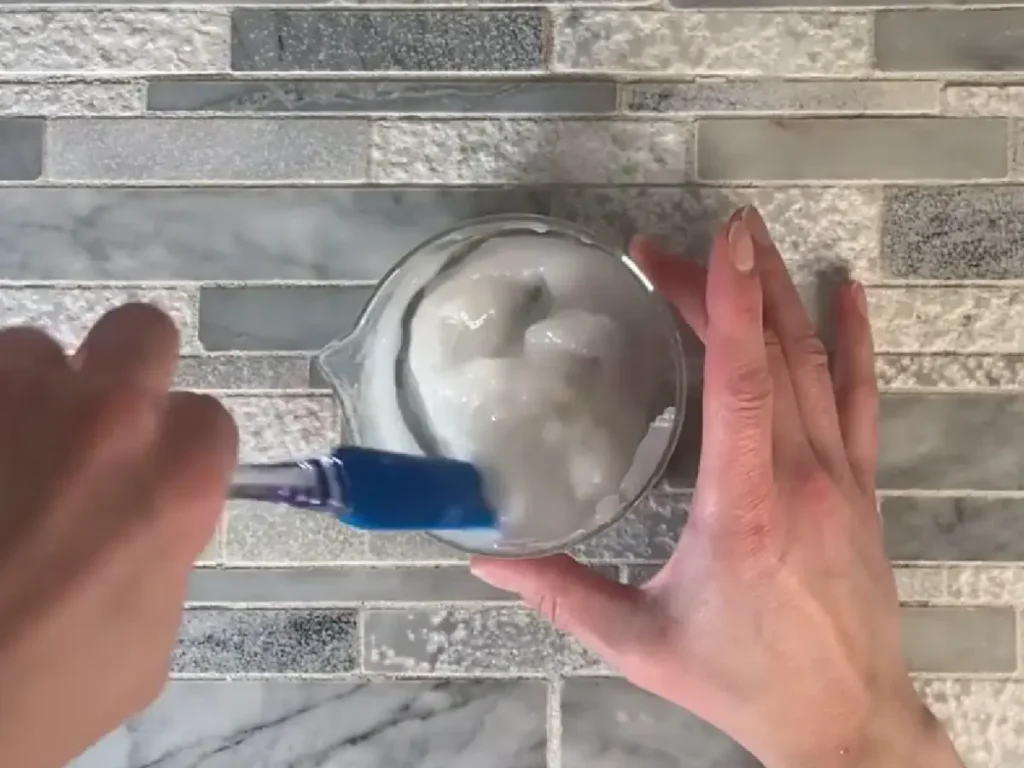
Combine the SCI, coco glucoside, stearic acid, vegetable glycerin, distilled water, and fractionated coconut oil in a heat-safe container.
Place the container over a double boiler and heat gently over low heat, stirring occasionally until the ingredients have completely melted and formed a smooth mixture.
Step 2: Cool the Mixture
Remove the mixture from the heat and allow it to cool to room temperature. This is important because you’ll want the base to cool and thicken before whipping.
Step 3: Whip the Base
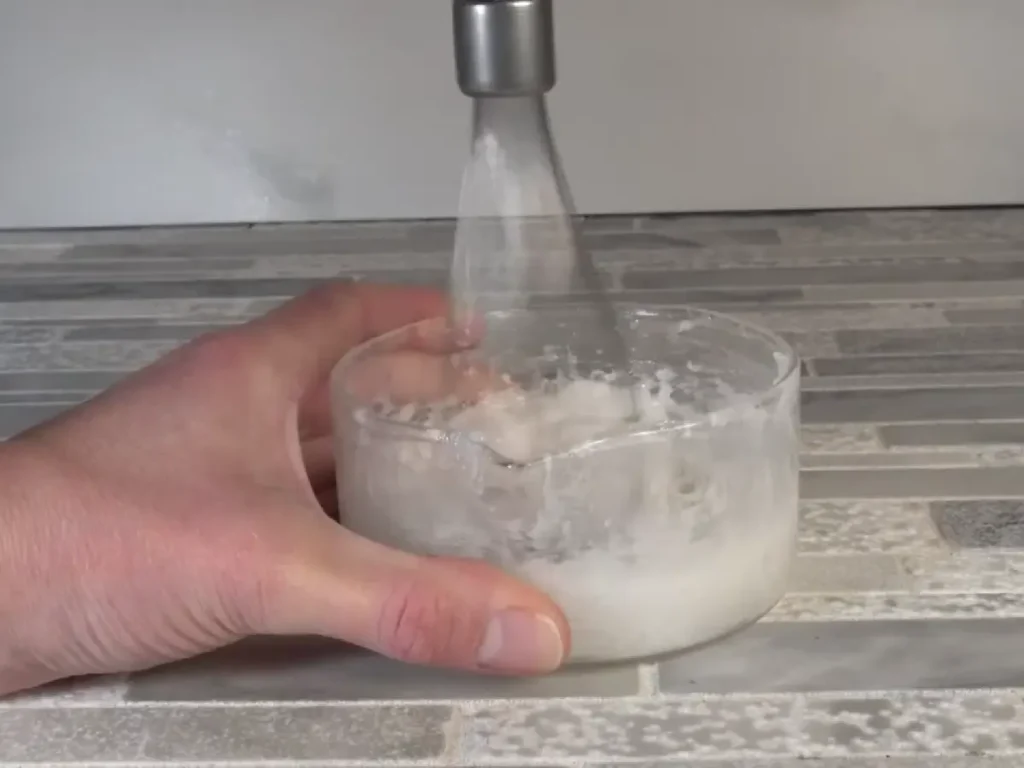
Using an electric hand mixer, whip the cooled mixture until it becomes light, fluffy, and creamy. Scrape down the sides of the container as needed to ensure everything is evenly mixed.
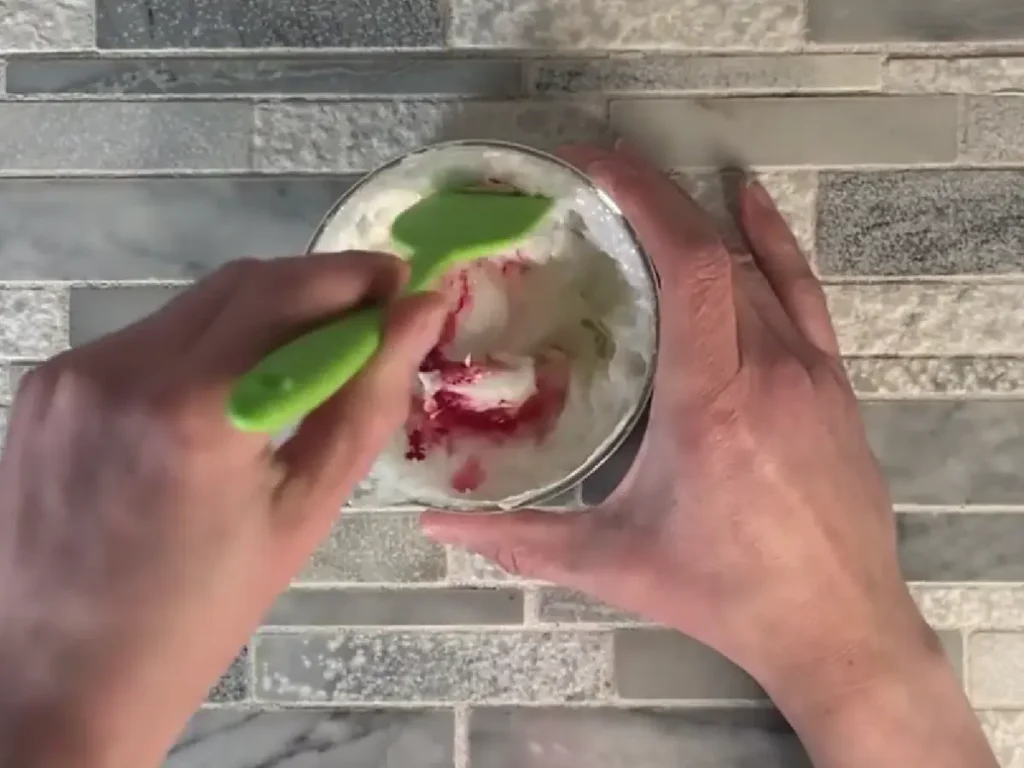
Step 4: Add the Preservative and Fragrance
Add the Germall Plus preservative, Champagne fragrance oil, and mica powder. Mix thoroughly with the electric mixer until the ingredients are evenly incorporated.
Step 5: Add the Sugar
Gradually add the granulated white sugar, mixing between additions until it is evenly distributed throughout the whipped base.
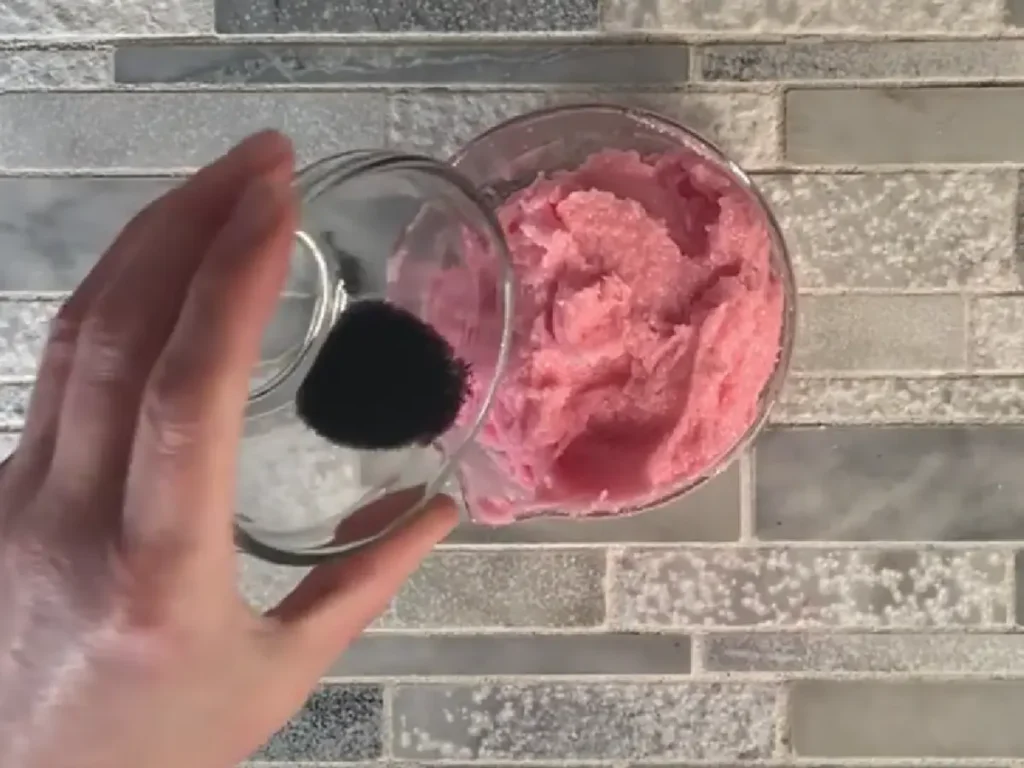
Step 6: Add the Jojoba Beads
Gently fold in the jojoba beads until they are evenly dispersed throughout the scrub.
Step 7: Package Your Sugar Scrub
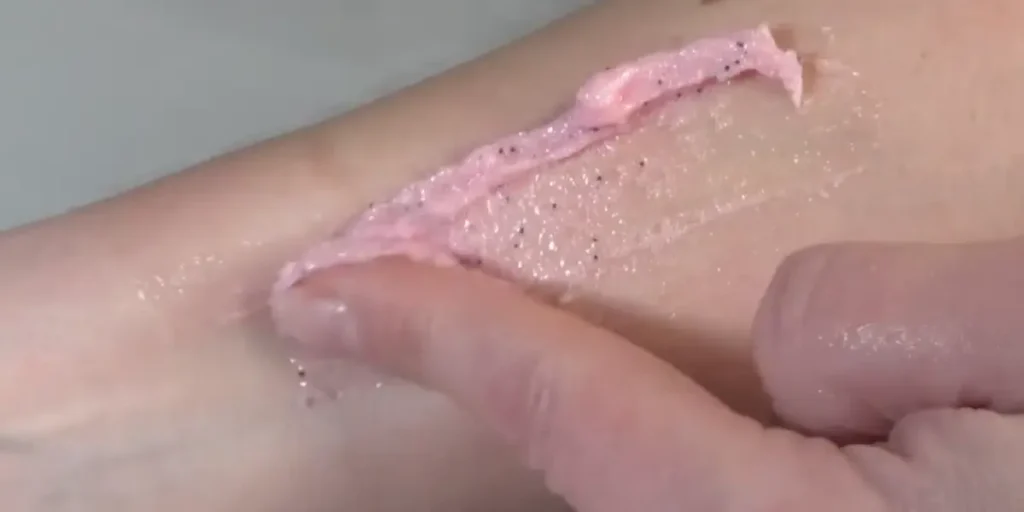
Transfer the finished foaming whipped sugar scrub into a clean, airtight container. Store with the lid securely closed between uses.
Why Is the Base Whipped?
Whipping incorporates air into the cooled mixture, making it lighter and giving it a softer, more spreadable consistency.
The stearic acid helps provide structure, while the surfactants and other ingredients contribute to the overall texture.
Keep in mind that whipping doesn’t create a permanent foam. The finished scrub is a whipped product, but the cleansing foam develops when you use it with water.
Choosing the Right Sugar for Your Scrub
Sugar is the main physical exfoliant in this recipe. However, not all sugars have the same particle size, so the type you choose can change how the finished scrub feels.
Here are three options:
| Sugar | Characteristics | Best Use |
|---|---|---|
| Granulated White Sugar | Larger crystals that provide noticeable exfoliation | Body scrubs |
| Brown Sugar | Generally smaller, softer-feeling crystals | Gentle body scrubs |
| Caster Sugar | Fine granules that provide a milder-feeling exfoliation | Areas where a finer texture is preferred |
For this recipe, I prefer granulated white sugar. It gives the scrub a noticeable exfoliating texture without being overly fine.
One thing to remember is that sugar dissolves as it comes into contact with water. This means the exfoliating sensation gradually decreases as you use the scrub.
What Are Jojoba Beads?
I also add jojoba beads to this formula.
Jojoba beads are small, rounded exfoliating particles that add another texture to the scrub. Unlike sugar, which dissolves in water, jojoba beads remain intact during use.
They also add a little color and visual interest to the finished product.
If you’d like to learn more about physical exfoliation and choosing exfoliating ingredients, read my guide to Exfoliating: Everything You Need to Know About Physical Exfoliating & Selecting the Best Exfoliator.
How Much Oil Should You Add to a Foaming Sugar Scrub?
One of the biggest differences between a traditional sugar scrub and a foaming sugar scrub is the amount of oil used.
Traditional sugar scrubs often rely heavily on oils to bind the sugar together. Foaming scrubs need to balance the oil with the cleansing system.
If you add too much oil, you may notice:
- Less effective foaming.
- A heavier or greasier skin feel.
- More residue after rinsing.
- A scrub that doesn’t cleanse as effectively as intended.
This doesn’t mean you can’t experiment with different oils. Fractionated coconut oil is simply a good lightweight choice for this formula.
If you want to make changes, adjust the formula by weight and keep track of the total percentages so the recipe remains balanced.
How to Preserve a Homemade Foaming Sugar Scrub
Because this recipe contains distilled water, it requires a broad-spectrum preservative.
I use Germall Plus, which helps protect the finished product against bacteria, yeast, and mold.
A preservative is not optional in this type of formula. Sugar and surfactants do not replace a preservative, and adding sugar does not make a water-containing product self-preserving.
Always follow the preservative manufacturer’s recommended usage rate, temperature limitations, and formulation guidelines.
For more information, read my guide to Why Preservatives Matter in DIY Skincare.
How Long Does Homemade Foaming Sugar Scrub Last?
With fresh ingredients, proper preservation, and clean manufacturing practices, this recipe has an estimated shelf life of at least 6 months.
However, this is an estimate rather than a verified expiration date. Actual shelf life depends on the formulation, packaging, manufacturing conditions, and how the product is stored and used.
For the best results:
- Store the scrub in a clean, airtight container.
- Use clean, dry hands or a small scoop to remove the product.
- Avoid introducing shower water into the container.
- Keep the lid closed between uses.
- Discard the scrub if you notice an unusual odor, discoloration, or changes in texture.
Remember that a product can become contaminated without showing obvious signs of spoilage.
For a more detailed explanation, see How Do You Determine the Shelf Life of Homemade Cosmetics?.
Frequently Asked Questions
Does a foaming sugar scrub actually clean your skin?
Yes. The surfactants in this recipe provide cleansing properties by helping lift dirt and excess oils from the skin. The sugar provides physical exfoliation, so the product combines cleansing and exfoliating in one step.
What is the difference between a foaming sugar scrub and a regular sugar scrub?
A traditional sugar scrub generally uses sugar and oils to exfoliate the skin. A foaming sugar scrub contains surfactants that create lather and help wash away dirt and oils when rinsed with water.
Can I leave out the SCI?
SCI is an important part of this particular cleansing system. Removing it would change the surfactant balance, texture, and foaming properties. I wouldn’t recommend simply leaving it out without reformulating the recipe.
Can I use a different oil?
You can experiment with other lightweight carrier oils, but keep the total oil percentage the same initially. Different oils have different skin-feel characteristics and may change how the scrub rinses.
Can I use this sugar scrub on my face?
I recommend using this formula as a body scrub rather than a facial scrub. Physical exfoliation can be too abrasive for some facial skin, and the fragrance and cleansing ingredients may not be suitable for everyone.
Why does my sugar scrub need a preservative?
This formula contains distilled water, which creates an environment where microorganisms can grow. Germall Plus helps protect the product against microbial contamination. Sugar alone is not a substitute for a broad-spectrum preservative.
Can I use a different fragrance oil?
You can use a different skin-safe fragrance oil, provided it is suitable for the intended application and used within the supplier’s recommended skin-safe usage rate. Check the fragrance’s IFRA documentation for the applicable product category.
Why is my foaming sugar scrub not as fluffy as expected?
The consistency of the base depends on cooling, ingredient proportions, and whipping. Make sure the mixture has cooled sufficiently before whipping. If it is still too warm, it may not hold as much air.
Also remember that the sugar adds considerable weight to the finished mixture, so the final product will be denser than the whipped base on its own.
Can I make this recipe without the jojoba beads?
Yes. The jojoba beads provide additional exfoliating texture and color, but they aren’t responsible for the cleansing or primary exfoliating action. The sugar is still the main exfoliant.
More DIY Bath and Body Recipes
If you enjoyed making this foaming whipped sugar scrub, you might also enjoy these projects:
Making your own bath and body products gives you the opportunity to experiment with different ingredients, textures, and scents. Once you understand what each ingredient contributes, it’s much easier to start customizing your own formulas.
Champagne Bliss Foaming Whipped Sugar Scrub
Equipment
- Scale
Ingredients
Heat Phase Ingredients
- 2.70 ounce | 27% SCI (Sodium Cocoyl Isethionate).
- 0.45 ounce | 4.5% Coco Glucoside
- 0.35 ounce | 3.5% Stearic Acid
- 1 ounce | 10% Vegetable Glycerin
- 0.50 ounce | 5% Fractionated Coconut Oil
- 1.40 ounce | 14% Distilled Water
Cool Down Ingredients
- 0.05 ounce | 0.5% Germall Plus
- 0.40 ounce | 4% Champagne Fragrance Oil
- 3.10 ounce | 31% Granulated White Sugar
- 0.05 ounce | 0.5% Jojoba Beads
Instructions
- Place SCI, coco glucoside, stearic acid, vegetable glycerin, water, and fractionated coconut oil into a heat-safe container. Put the container on a double boiler and heat until the mixture is completely melted. This should be done on low heat.
- After the mixture has melted, remove it from the heat. Allow it to cool down to room temperature.
- Whip the mixture with an electric hand whisk until it becomes light and fluffy.
- Add the Champagne fragrance oil and Germall Plus preservative, then mix thoroughly with the electric whisk.
- Add the sugar and mix thoroughly.
- Add the jojoba beads and mix thoroughly.