

What if your face cleanser started as a powder and turned into a soft, foamy face wash when you added water?
That is exactly what makes this powder to foam face cleanser so fun to make.
Instead of storing your cleanser as a liquid, this DIY face wash is kept completely dry. When you’re ready to use it, simply mix a small amount of the powder with water and it turns into a gentle facial cleanser.
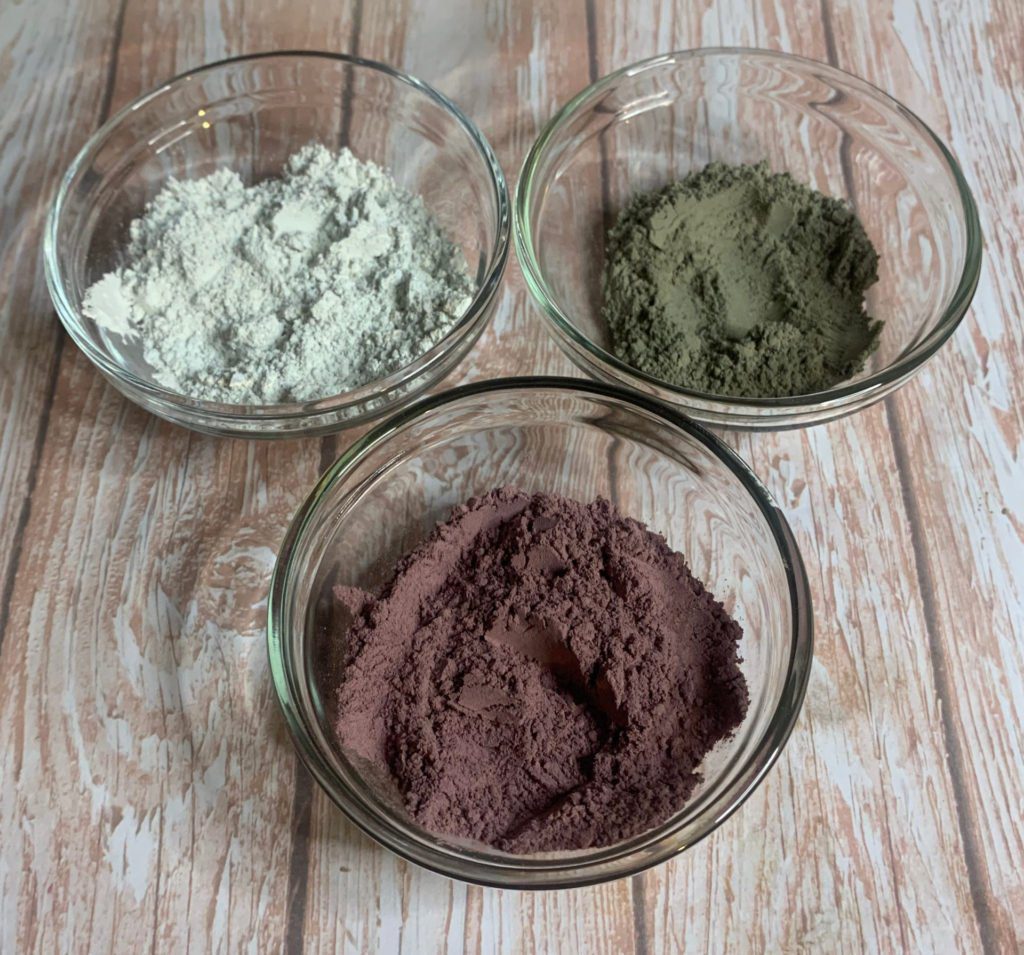
I especially love this formula because it lets us use ingredients like kaolin clay, Dead Sea clay, rose petal powder, and colloidal oatmeal in a dry cleanser.
And because there is no water in the stored product, this is also a great option for travel.
Quick Answer: What Is a Powder to Foam Face Cleanser?
A powder to foam face cleanser is a dry facial cleanser that you mix with water immediately before using it.
The dry formula contains a combination of clays, botanical powders, a surfactant, and other ingredients that create a gentle cleansing mixture when activated with water.
It is a fun alternative to traditional liquid face wash and is especially convenient when traveling.
Why You’ll Love This Powder Face Cleanser
There are a few things that make this DIY powder cleanser different from a traditional face wash.
- It is stored as a dry powder.
- You activate it with water when you’re ready to use it.
- It’s convenient for travel.
- It contains clay and botanical powders.
- SLSA provides light foam and cleansing.
- It takes about 10 minutes to make.
- There is no heating or emulsifying required.
- You only activate the amount you need.
This is also a great beginner formulation project because you can see exactly what each ingredient contributes to the finished product.
Prefer to Watch Instead?
If you would rather watch me make this powder to foam face cleanser, you can follow along with the video below.
In the video, you’ll be able to see how the dry cleanser looks before adding water and what the finished cleanser looks like after it has been activated.
How Does a Powder to Foam Cleanser Work?
The concept is pretty simple.
Traditional face washes contain water, so they need to be formulated and preserved as a water-based product.
This cleanser starts completely dry.
The finished powder contains clays, botanical powders, SLSA, xanthan gum, arrowroot powder, and colloidal oatmeal. When you are ready to use it, you add water to a small amount of the powder.
The water hydrates the ingredients and creates the finished cleanser.
The SLSA provides the foam and cleansing action, while the clays and botanical powders give the cleanser its characteristic texture and gentle exfoliating feel.
The amount of water you add also gives you some control over the final consistency.
Start with less water and add more until you get the texture you like.
What Does Powder Face Cleanser Feel Like?
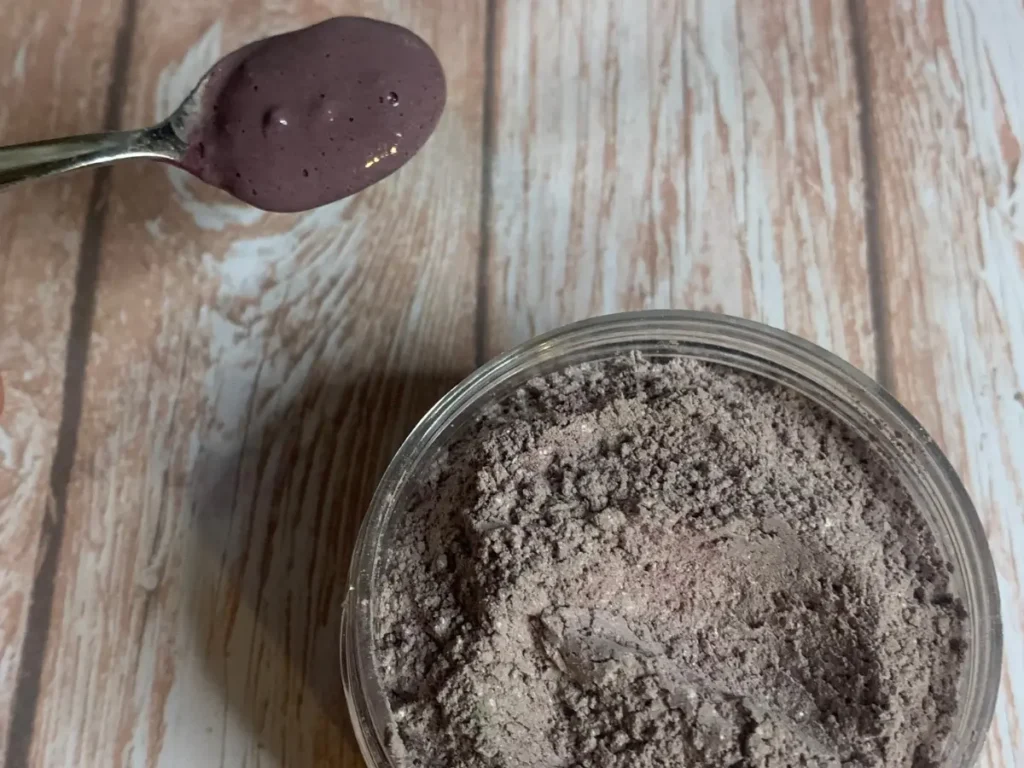
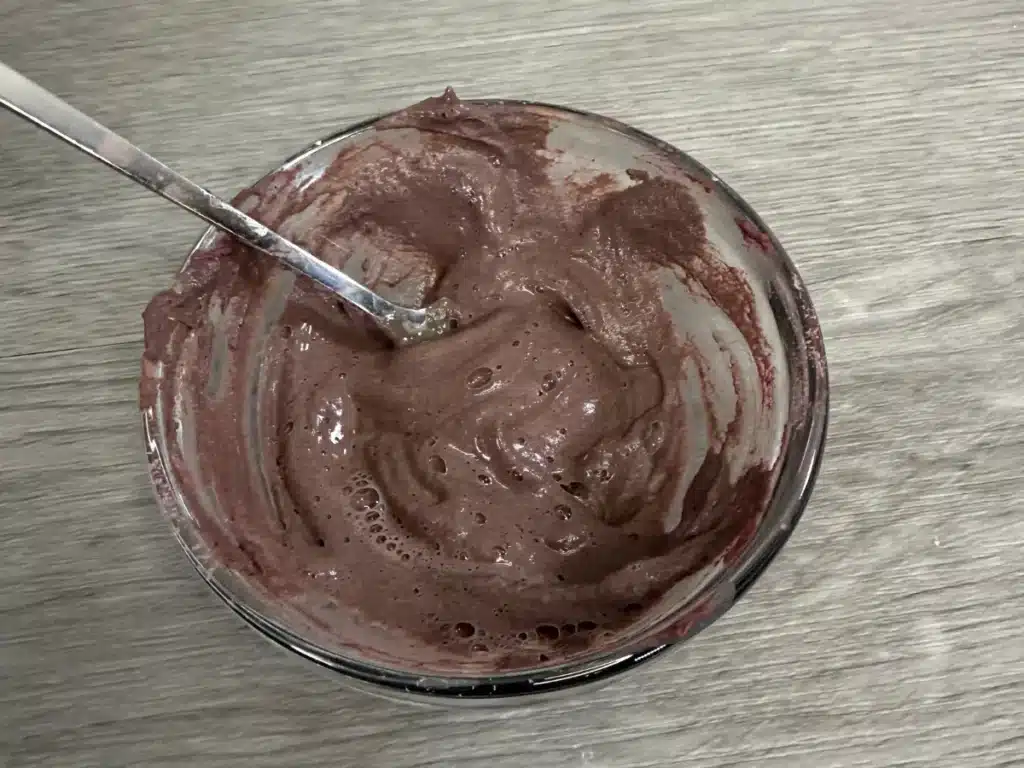
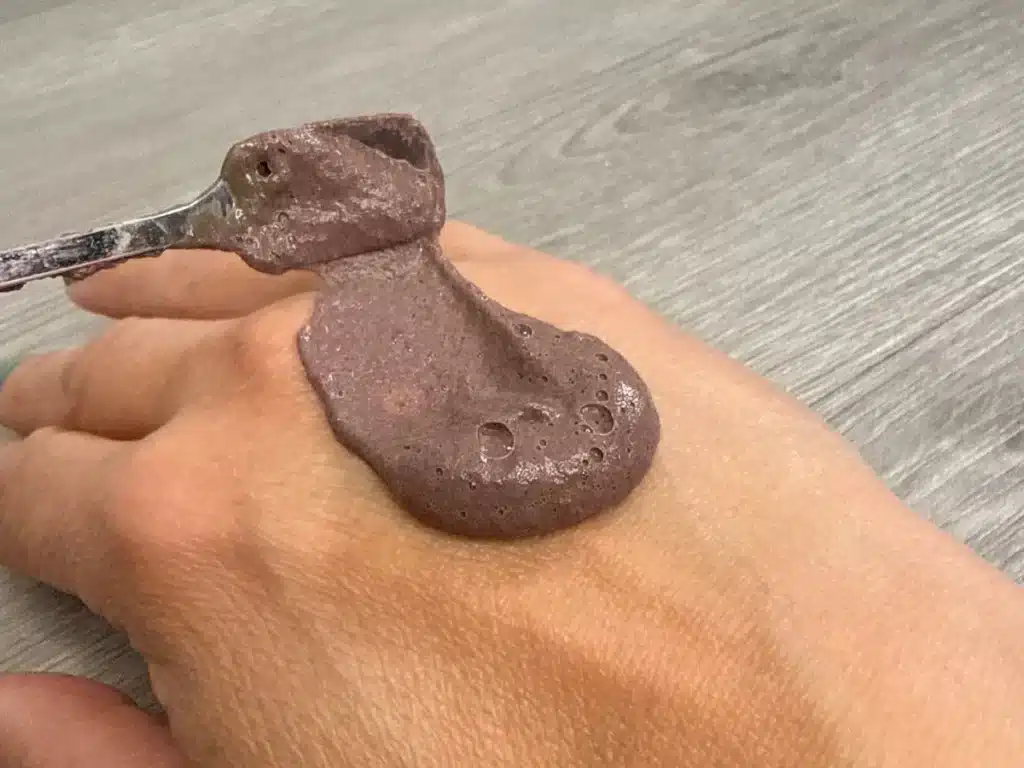
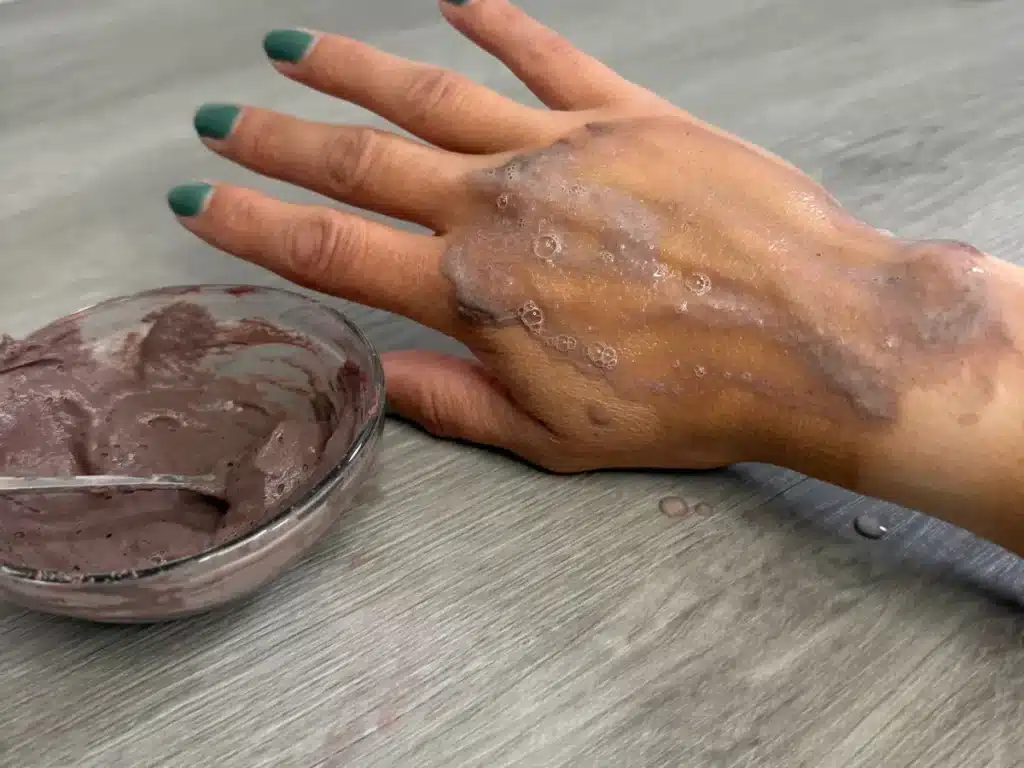
When activated with water, this cleanser becomes a soft, creamy mixture with light foam.
It isn’t meant to be an extremely bubbly face wash. The formula is designed to combine gentle cleansing with the texture and exfoliating properties of the clays and botanical powders.
The finished cleanser will also feel different from a commercial liquid face wash because of the amount of clay and powder in the formula.
If you prefer a thinner cleanser, add a little more water. For a thicker consistency, use less water.
Who Is This Powder Cleanser For?
This DIY cleanser is especially fun if you:
- enjoy making your own skincare
- want a dry alternative to liquid face wash
- travel frequently
- like clay-based skincare
- enjoy botanical ingredients
- want to experiment with powder formulations
- prefer making small batches of skincare at home
Because this formula contains clays and physical exfoliating ingredients, pay attention to how your skin responds to it.
If your skin feels dry, tight, or irritated, reduce how often you use it.
Why Make a Powder Face Wash?
It’s Great for Travel
This might be my favorite reason to make a powder cleanser.
Liquid skincare products can be annoying to travel with. They take up space, can leak, and can turn the inside of your toiletry bag into a mess.
A dry face cleanser eliminates the liquid from the equation.
Just pack the powder in a small container and add water when you’re ready to use it.
You Can Use Clays
I love using clay in skincare, but adding clay to a water-based product means you need to think carefully about preservation and formulation.
With this cleanser, the formula remains dry until you’re ready to use it.
That makes it much easier to incorporate dry clays and botanical powders.
If you’re looking for another exfoliating DIY, check out my homemade face scrub for glowing skin.
It’s a Simple Formula
There is no water phase.
There is no heating.
There is no emulsifying.
You simply weigh the ingredients, mix them together, and package the powder.
That makes this a great little project if you’re learning how DIY skincare formulations work.
Shop This Project
Find the ingredients and supplies you’ll need to make this powder to foam face cleanser.
Keep this section near the top of the article so readers don’t have to hunt through the ingredient descriptions to find the supplies.
Powder Face Cleanser Ingredients
Here’s a quick look at what each ingredient does before we get into the details.
| Ingredient | What It Does |
|---|---|
| White Kaolin Clay | Gentle cleansing and exfoliation |
| Dead Sea Clay | Adds clay-based cleansing and texture |
| Rose Petal Powder | Botanical powder and gentle exfoliation |
| SLSA | Cleansing and foam |
| Xanthan Gum | Adds body after activation |
| Colloidal Oatmeal | Soothing ingredient |
| Arrowroot Powder | Helps with texture and absorbs some oils |
Now let’s look at each ingredient a little more closely.
White Kaolin Clay
Kaolin clay is a very fine, mild cosmetic clay.
It contributes to the soft texture of the cleanser while providing gentle physical exfoliation.
Kaolin is one of the clays I like using when I want a milder formula because it generally doesn’t absorb as much oil as some of the stronger clays.
Dead Sea Clay
Dead Sea clay adds another type of clay to the formula and contributes to the cleansing and exfoliating feel.
Using two different clays also gives the finished powder a nice texture.
Since this formula is stored dry, we can incorporate the clay without adding water to the stored product.
Rose Petal Powder
Rose petal powder is one of the ingredients that makes this cleanser feel a little more special.
It adds a botanical element to the formula and provides gentle physical exfoliation.
And it actually smells like rose petals.
If you enjoy using botanical powders in skincare, this is a fun ingredient to experiment with.
SLSA
Sodium Lauryl Sulfoacetate, usually called SLSA, is the surfactant in this formula.
This is the ingredient responsible for creating the foam.
Surfactants help loosen oils, dirt, and other debris so they can be rinsed away.
We’re not using enough SLSA to make this an ultra-foamy cleanser. Instead, it provides light foam while allowing the clays and other ingredients to remain an important part of the formula.
Because SLSA is a very fine powdered ingredient, avoid creating dust while measuring and mixing it. Follow your supplier’s recommended handling and safety precautions.
If you want to understand more about why surfactants are used in cleansers, read my guide to surfactants in skincare.
Xanthan Gum
Xanthan gum might seem like an unusual ingredient in a powder cleanser, but it has an important job.
When water is added, xanthan gum hydrates and helps give the cleanser more body.
Without it, the activated cleanser would be much thinner.
It also helps give the face wash some slip, making it feel nicer when massaging it onto your skin.
If you’re interested in learning more about thickeners, check out my guide to thickeners in skincare formulation.
Arrowroot Powder
Arrowroot powder helps contribute to the texture of the finished cleanser.
It can also absorb some of the oils on the skin.
Together, the arrowroot and xanthan gum help give the activated cleanser more body.
Colloidal Oatmeal
Colloidal oatmeal is our soothing ingredient.
It is commonly used in skincare products designed for dry or easily irritated skin and helps make the formula feel gentler.
I like including colloidal oatmeal here because cleansing and exfoliation can sometimes leave skin feeling uncomfortable, especially when a formula is overused.
Before You Make This Recipe
There are a few things to keep in mind before you start.
Keep everything dry. Moisture can cause problems with a dry powder formula.
Use a digital scale. Weighing your ingredients gives you much more consistent results than measuring with teaspoons.
Be careful with powdered ingredients. Avoid creating unnecessary dust while working with SLSA and other fine powders.
Only activate what you’re going to use. Don’t add water to the entire container and then store it.
Powder to Foam Face Cleanser Recipe
| Ingredient | Amount | Percentage |
|---|---|---|
| White Kaolin Clay | 0.60 oz | 30% |
| Dead Sea Clay | 0.38 oz | 19% |
| Rose Petal Powder | 0.41 oz | 20.5% |
| SLSA | 0.40 oz | 20% |
| Xanthan Gum | 0.01 oz | 0.5% |
| Colloidal Oatmeal | 0.10 oz | 5% |
| Arrowroot Powder | 0.10 oz | 5% |
| Total | 2.00 oz | 100% |
How to Make Powder to Foam Face Cleanser
Now let’s make it.
Weigh the Ingredients
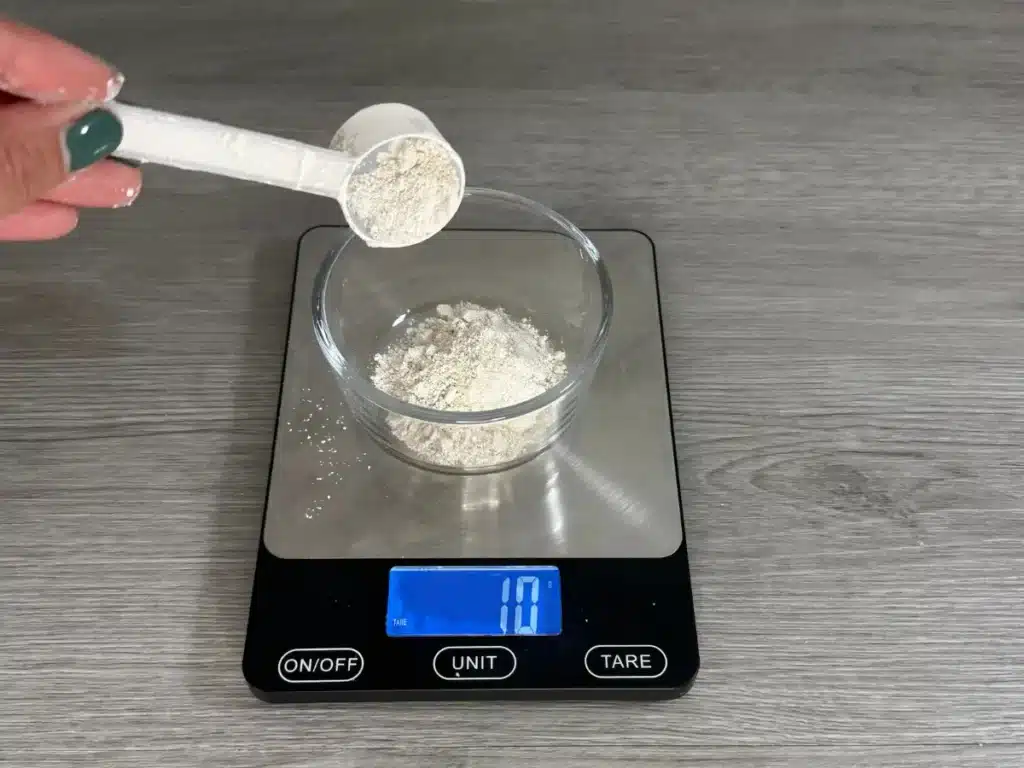
Use a digital scale to accurately weigh each ingredient.
This is a small batch, so even small measurement differences can affect the final formula.
I recommend working in percentages and weighing ingredients by weight rather than relying on volume measurements.
Combine the Ingredients
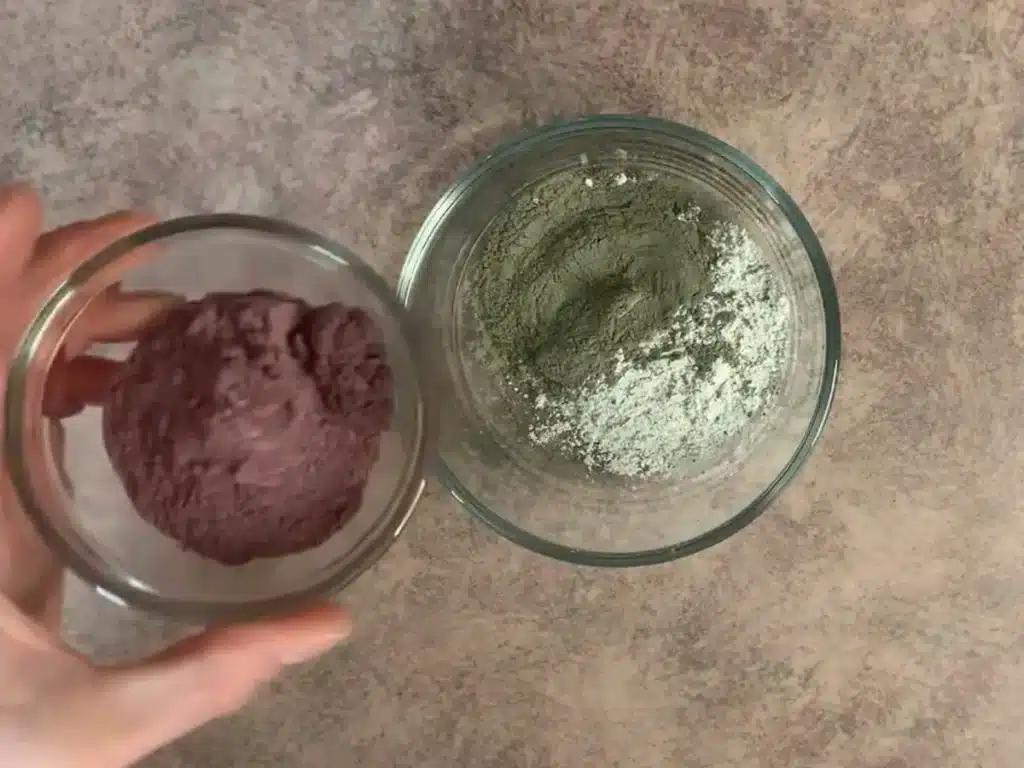
Add all of the dry ingredients to a clean, completely dry bowl.
Mix thoroughly until the powder is evenly distributed.
Take your time with this step. You want the SLSA, clays, botanical powder, xanthan gum, arrowroot, and oatmeal evenly dispersed throughout the batch.
Package the Powder
Carefully transfer the finished powder into a clean, dry 4-ounce container.
Label the container with the name and date.
That’s it.
No heating.
No cooling.
No emulsification.
Just mix and package.
How to Use Powder Face Cleanser
You don’t need much cleanser for each use.
Place a small amount of powder in your hand or a small bowl.
Add a little water.
Mix until the powder is hydrated.
Apply to damp skin.
Gently massage over your face.
Rinse thoroughly.
Start with a small amount of water and add more as needed.
I prefer to activate only the amount I’m going to use rather than mixing the entire batch with water.
How Much Water Should You Add?
There isn’t one exact amount of water that you have to use.
That’s actually one of the nice things about a powder cleanser.
Start with a small amount of powder and gradually add water until you reach the consistency you prefer.
If you add too much water, the cleanser will simply be thinner.
If you want a thicker cleanser, start with less water.
Does Powder Face Cleanser Need a Preservative?
The dry formula does not need the same type of preservation as a water-based cleanser because there is no water in the stored product.
Keeping the formula dry is an important part of how this product works.
However, this changes as soon as water is introduced.
Once you add water, you’re creating a water-containing product that can support microbial growth.
For that reason, don’t add water to the entire batch and store the activated cleanser for later unless you have properly formulated, preserved, and tested it.
Instead, keep the powder dry and activate only what you need immediately before use.
Tips for Making Powder Face Cleanser
Keep Everything Dry
Make sure your bowl, utensils, and storage container are completely dry.
Even a little moisture can cause a dry powder product to clump.
Mix Thoroughly
You want the ingredients evenly distributed throughout the batch.
This is especially important with a small formula containing a surfactant and a very small amount of xanthan gum.
Start With Less Water
It’s easy to add more water.
It’s impossible to take it back out.
Start with a small amount and gradually add more until you get the consistency you want.
Don’t Store the Activated Cleanser
Only mix the amount you’re going to use.
Keep the rest of the formula dry.
Patch Test New Skincare Products
Even gentle ingredients aren’t automatically right for every person.
Patch test new skincare products before using them all over your face, and discontinue use if irritation occurs.
Troubleshooting Powder Face Cleanser
Why isn’t my powder cleanser foaming?
The foam comes primarily from the SLSA.
However, this isn’t designed to be an extremely bubbly cleanser. The formula contains a large amount of clay and botanical powder, so the finished product will have a different texture from a typical commercial foaming face wash.
The amount of water and how you mix the cleanser can also affect the amount of foam.
Why did my powder cleanser clump?
Moisture is the most likely culprit.
Make sure your ingredients, bowl, utensils, and storage container are completely dry.
If you’re making the cleanser in a humid environment, take extra care to keep moisture away from the powder.
Why is my activated cleanser too thin?
You probably added more water than you need.
Next time, start with less water and gradually add more.
Why is my activated cleanser too thick?
Add a little more water and mix again.
Because you’re activating the cleanser immediately before use, you can adjust the consistency as you go.
Frequently Asked Questions
What is a powder to foam face cleanser?
It is a dry facial cleanser that is mixed with water immediately before use.
The powder contains cleansing ingredients, clays, botanical powders, and texture-enhancing ingredients that create a face wash when activated.
How do you make powder face cleanser?
Combine the dry ingredients, mix them thoroughly, and store the finished powder in a clean, dry container.
When you’re ready to use it, mix a small amount with water.
Does powder cleanser need a preservative?
A completely dry formula does not require the same preservation system as a water-based cleanser.
However, once water is added, preservation becomes an issue. This is why I recommend activating only the amount you’re going to use.
How do you activate powder cleanser?
Place a small amount of powder in your hand or a bowl and gradually add water until you reach your desired consistency.
Then massage onto damp skin and rinse.
Is powder cleanser good for travel?
Yes. A dry cleanser can be much more convenient for travel because you aren’t packing a bottle of liquid face wash.
Can you use powder cleanser every day?
That depends on your skin and how it responds to the formula.
This cleanser contains clays and physical exfoliating ingredients, so I wouldn’t assume that using it more often is automatically better.
If your skin becomes dry, tight, or irritated, reduce how often you use it.
Can you substitute the ingredients?
You can experiment with different dry ingredients, but remember that changing an ingredient or its percentage can change the texture, cleansing ability, exfoliation, and overall performance of the formula.
If you’re modifying the formula, work in percentages rather than simply substituting ingredients by volume.
How long does homemade powder cleanser last?
Because this is a dry formula, its shelf life depends on the raw materials, packaging, storage conditions, and whether moisture has been introduced.
Rather than assuming a specific shelf life without testing, make small batches and keep the container tightly closed in a cool, dry location.
Discard the product if it develops an unusual odor, color, texture, or signs of contamination.
More DIY Skincare Projects
If you enjoyed making this powder face cleanser, here are a few more Summer Rain projects to try.
DIY Lotion Dots
Looking for another easy skincare project?
My DIY Lotion Dots are small solid lotion bars that are easy to make and convenient to keep in your purse, desk, or travel bag.
Homemade Face Scrub
If you enjoy the exfoliating side of this cleanser, try my homemade face scrub for glowing skin.
It’s another simple way to experiment with exfoliating skincare at home.
Learn More About Skincare Formulation
If you’re starting to wonder why each ingredient is in a formula and how they work together, my Skincare Formulation for Beginners guide is a good place to start.
From there, you can learn more about ingredients, emulsions, preservatives, surfactants, thickeners, and how to formulate your own skincare products.
DIY Aroma Beads
Want to make something completely different?
My DIY aroma beads and car freshies are another fun Summer Rain project.
Final Thoughts
I love formulas like this because they make you think differently about homemade skincare.
A face cleanser doesn’t have to start out as a liquid.
By leaving the water out of the stored formula, we can create a dry cleanser that’s easy to make, convenient for travel, and gives us the opportunity to use ingredients like clay and botanical powders.
And once you’re ready to use it, all you have to do is add a little water.
If you’ve never made a powder-to-foam cleanser before, this is a fun one to try.
Save the recipe, gather your ingredients, and give it a try!
Powder to Foam Face Cleanser Printable Recipe
Equipment
- Bowl
- Scale
- 4 ounce plastic container
Ingredients
- 0.60 ounce | 30% White Kaloin Clay
- 0.38 ounce | 19% Dead Sea Clay
- 0.41 ounce | 20.5% Rose Petal Powder
- 0.40 ounce | 20% SLSA
- 0.01 ounce | 0.5% Xanthan Gum
- 0.10 ounce | 5% Collodial Oatmeal
- 0.10 ounce | 5% Arrowroot Powder
Instructions
- Weigh all your ingredients with your scale.
- Add all the ingredients into a bowl.
- Mix well.
- Carefully pour the powder face wash into your 4 oz plastic container.