
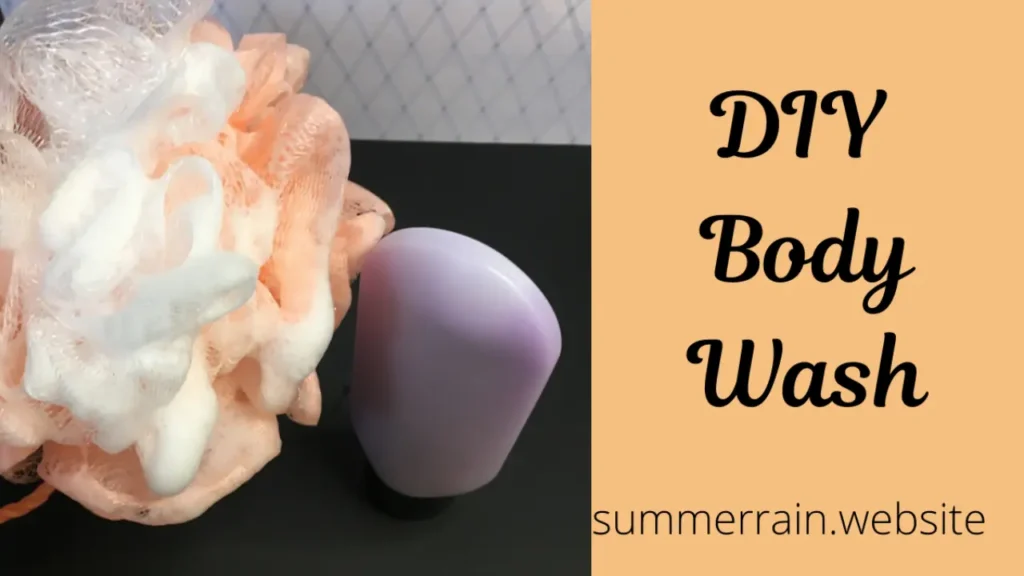
Making body wash from scratch can sound intimidating when you first start looking at surfactants, thickeners, preservatives, pH, and all the other ingredients that go into a good cleanser.
But once you understand what each ingredient is doing, it becomes much easier.
This homemade body wash recipe combines three different surfactants to create a foaming cleanser with a pleasant texture. Xanthan gum gives the body wash its thickness, glycerin helps disperse the xanthan gum, and a broad-spectrum preservative protects the water-based formula from microbial growth.
In this guide, I’ll show you how to make body wash from scratch, explain what each ingredient does, show you how to thicken homemade body wash, and walk through the problems you might run into while making it.
The goal isn’t just to give you a recipe to follow. I want you to understand why the formula works so you can eventually make informed changes of your own.
Prefer to watch this project instead of reading it?
Some links are “affiliate links,” because I am an Amazon Associate and I earn from qualifying purchases. There is no additional cost to you, the price of the item is the same whether it is an affiliate link or not.
DIY Body Wash at a Glance
Difficulty: Beginner
Batch size: 100 g / approximately 3.5 oz
Product type: Surfactant-based body wash
Main cleansers: SLSA, cocamidopropyl betaine, decyl glucoside
Thickener: Xanthan gum
Humectant: Vegetable glycerin
Preservative: Broad-spectrum preservative
Fragrance: Optional
Best packaging: Pump or flip-top bottle
Before You Start
Because this is a water-based skincare formulation, there are a few things I want you to understand before you begin.
- Use a digital scale and weigh your ingredients in grams.
- Use distilled water rather than tap water.
- Clean and sanitize your equipment and packaging before making your body wash.
- Avoid creating dust when handling powdered SLSA. Work carefully and avoid breathing the powder.
- Use your preservative according to the manufacturer’s instructions, including its recommended usage rate, pH range, and processing requirements.
- Fragrance oils have different usage limits depending on the specific fragrance and intended cosmetic application. Check the supplier’s safety information before adding fragrance.
- Test the pH of the finished product and make sure it is appropriate for the ingredients and preservative system you are using.
- Don’t assume that a preserved product has a guaranteed shelf life simply because a preservative was added.
If you’re completely new to skincare formulation, I recommend starting with my Skincare Formulation for Beginners guide.
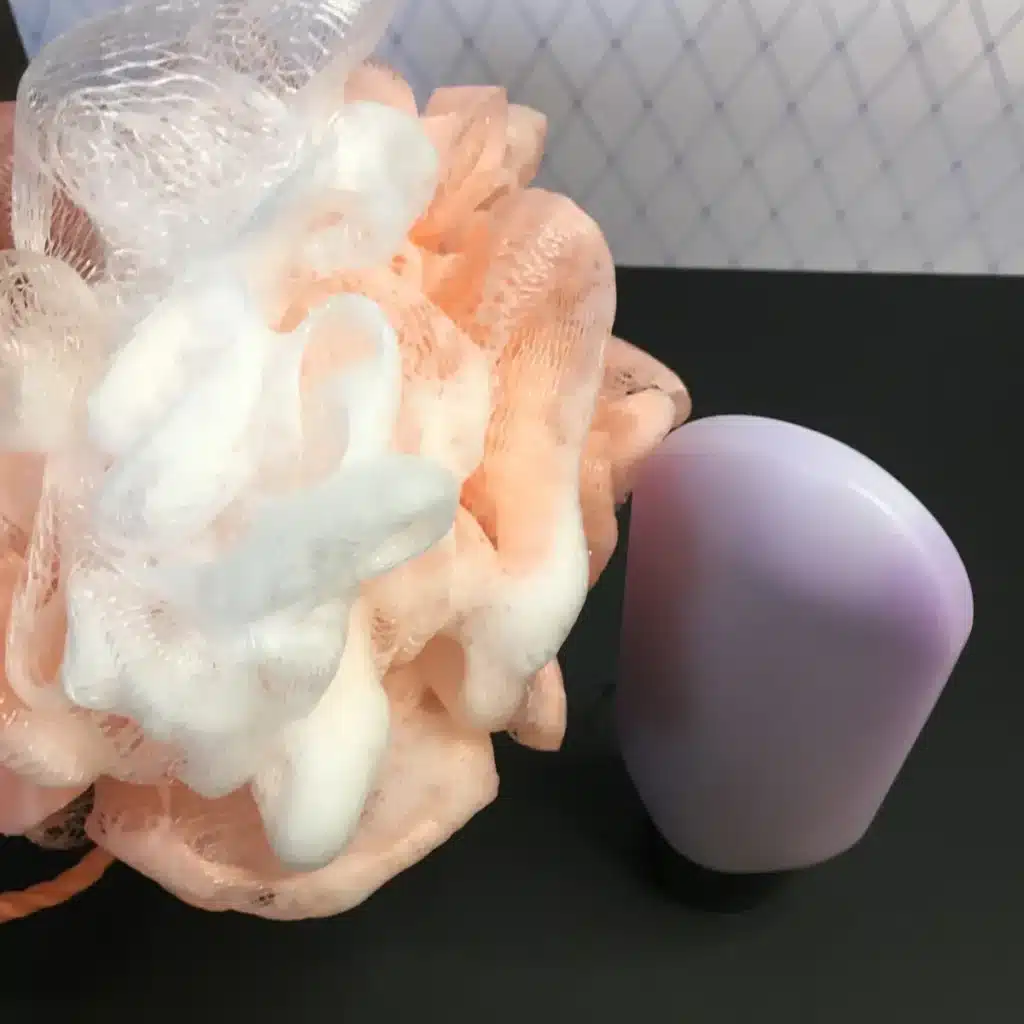
Shop This Project
A good body wash isn’t simply a recipe that makes lots of bubbles.
The formula needs to balance several things:
- Cleansing
- Foam
- Skin feel
- Viscosity
- Mildness
- Preservation
- Fragrance
- Packaging
This is why I don’t recommend simply mixing one surfactant with water and calling it body wash.
Different surfactants have different characteristics. Some contribute more foam, some affect viscosity, and some change the overall feel of the cleanser.
Combining surfactants gives you more control over the finished product.
If you’re completely new to skincare formulation, start with my Skincare Formulation for Beginners guide.
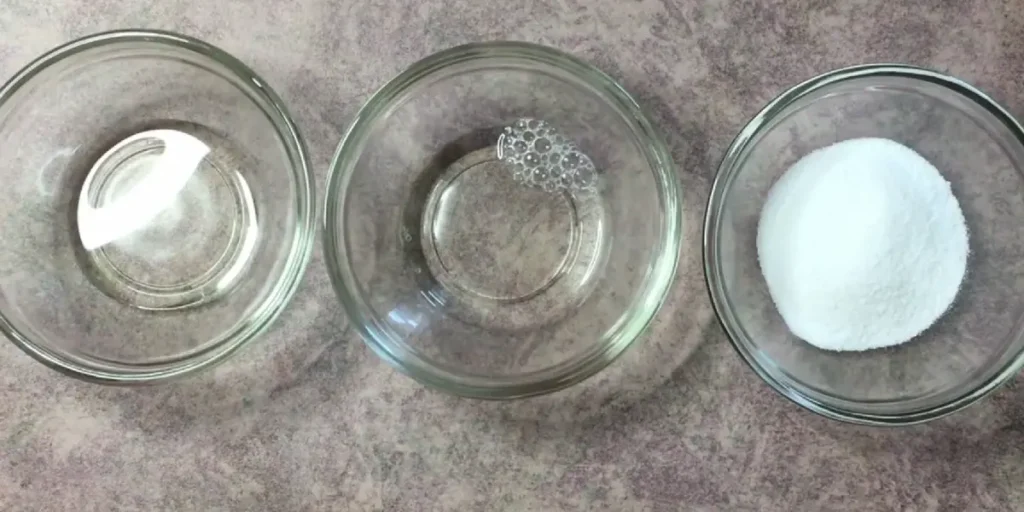
What Are Surfactants?
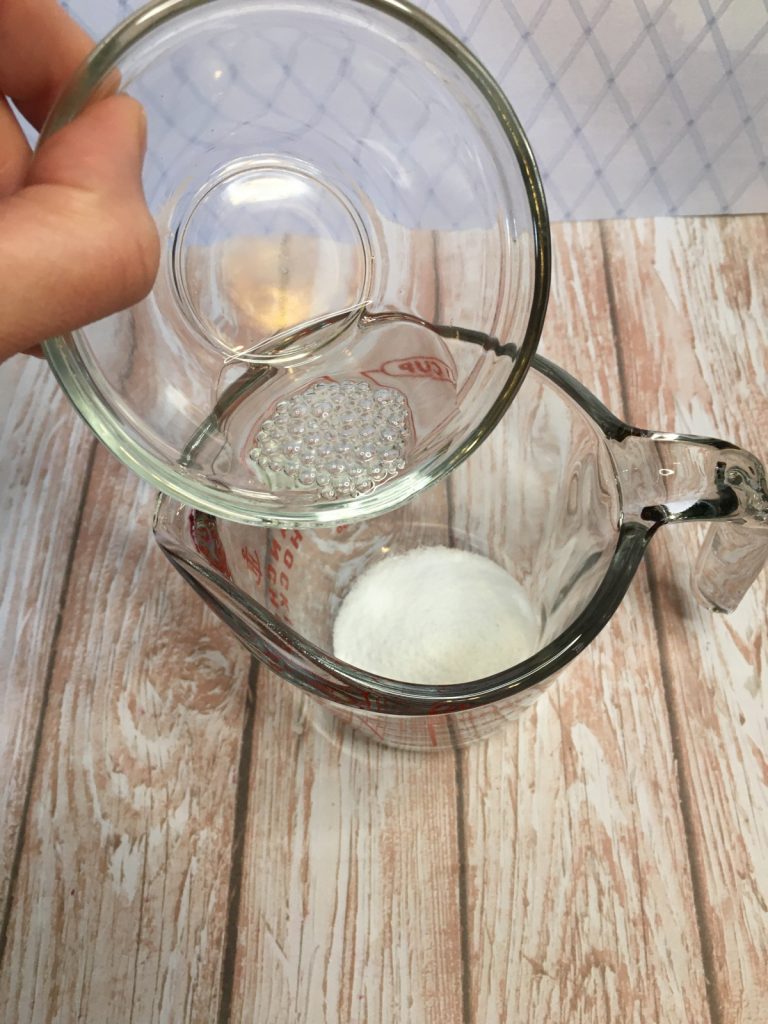
Surfactants are the cleansing ingredients in body wash.
They help loosen and remove oils, dirt, and other substances from the skin so they can be rinsed away with water.
Surfactants can also contribute to the foam and lather we associate with products such as body wash, shampoo, and facial cleansers.
One important thing to understand is that more foam does not automatically mean better cleansing.
Foam is part of the experience, but it isn’t the same thing as cleansing power.
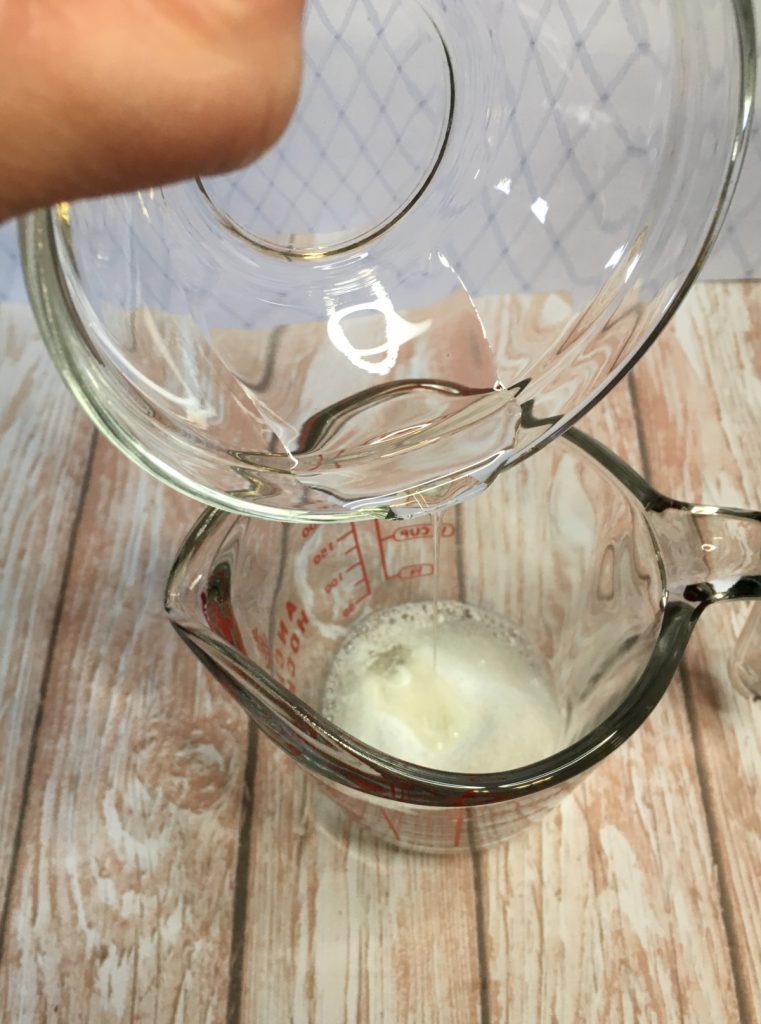
This body wash uses three surfactants:
- Sodium Lauryl Sulfoacetate (SLSA)
- Cocamidopropyl Betaine
- Decyl Glucoside
If you want to learn more about how surfactants work, read my guide to Surfactants in Skincare: What They Are and How They Work.
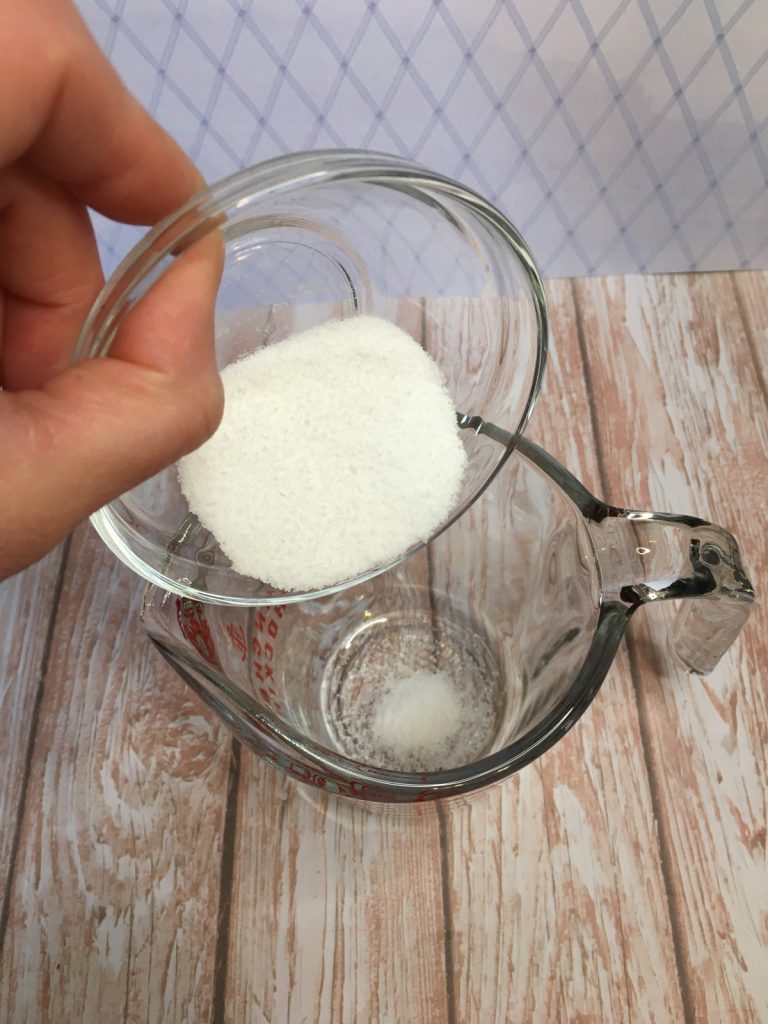
Why Use Three Surfactants?
You might be wondering why we don’t just use one surfactant.
You can formulate a cleanser around a single surfactant, but combining surfactants lets you balance their individual characteristics.
Think of the surfactants as a team.
One may contribute foam, another may affect the texture, and another may contribute cleansing and additional foam.
This is also why I don’t recommend simply replacing one surfactant with another at the same percentage. Changing a surfactant changes the overall formula.
Ingredients and What They Do
Here’s a quick look at what each ingredient contributes to this body wash.
| Ingredient | Percentage | 100 g Batch | Purpose |
|---|---|---|---|
| Vegetable Glycerin | 6% | 6 g | Humectant and xanthan gum dispersant |
| Xanthan Gum | 1% | 1 g | Thickener |
| Distilled Water | 67% | 67 g | Solvent |
| SLSA | 10% | 10 g | Primary cleansing and foaming surfactant |
| Cocamidopropyl Betaine | 6% | 6 g | Surfactant that contributes cleansing, foam, and texture |
| Decyl Glucoside | 5% | 5 g | Nonionic cleansing and foaming surfactant |
| Fragrance | 4%* | 4 g* | Fragrance |
| Broad-Spectrum Preservative | 1%* | 1 g* | Helps protect the water-based formula from microbial growth |
| Total | 100% | 100 g |
*The fragrance and preservative percentages shown are the percentages in this specific formula. Always check the manufacturer’s recommended usage rate and requirements for the exact fragrance or preservative you are using.
What Makes a Good Homemade Body Wash?
SLSA
Sodium Lauryl Sulfoacetate, usually called SLSA, is the primary surfactant in this body wash.
It is a powdered anionic surfactant that contributes cleansing and foam.
Why I use SLSA
SLSA helps:
- Clean the skin
- Produce foam
- Give the formula its cleansing ability
SLSA is a very fine powder, so take care when weighing and handling it. Avoid creating dust and avoid breathing the powder.
This is simply a precaution when handling the raw ingredient.
Cocamidopropyl Betaine
Cocamidopropyl betaine is an amphoteric surfactant commonly used alongside other surfactants in cleansing products.
In this formula, it contributes to cleansing and foam while also affecting the overall texture of the body wash.
Unlike SLSA, it is a liquid surfactant, so it behaves very differently during mixing.
Decyl Glucoside
Decyl glucoside is a nonionic surfactant.
It contributes cleansing and foam and is commonly used in cleansing formulations.
In this recipe, it works alongside SLSA and cocamidopropyl betaine rather than trying to provide all of the cleansing by itself.
What Does Glycerin Do in Body Wash?
Vegetable glycerin is a humectant, meaning it helps attract and hold water.
But in this formula, glycerin also has another important job.
It is used to disperse the xanthan gum before the xanthan gum comes into contact with water.
That helps prevent the little gummy clumps that can form when xanthan gum is added directly to water.
Why Mix Xanthan Gum With Glycerin?
If you’ve ever added xanthan gum directly to water, you may have discovered that it can form stubborn little lumps.
The outside of the xanthan gum hydrates quickly while the inside of the clump remains dry.
Mixing xanthan gum into glycerin first helps separate the particles before they are introduced to the water-containing portion of the formula.
It’s a small step, but it makes the finished body wash much easier to work with.
For more information about how thickeners work, read Thickeners in Skincare: What They Are and How They Work.
Why Does Homemade Body Wash Need a Preservative?
This body wash contains a large amount of water.
Water-containing skincare products can support the growth of bacteria, yeast, and mold, so an appropriate broad-spectrum preservative is needed.
A preservative helps protect the finished product from microbial growth. You cannot reliably determine whether a water-based product is contaminated simply by looking at it or smelling it.
The preservative you use needs to be appropriate for the formula and used according to the manufacturer’s recommended usage rate, pH range, and processing instructions.
Different preservatives have different requirements, so don’t assume that every preservative should be used at 1%.
For a deeper explanation, read my guide to Why Preservatives Matter in DIY Skincare.
What About pH?
pH is an important part of formulating a water-based cleanser.
The pH of the finished product can affect how the cleanser feels on the skin and can also affect the performance of certain preservatives.
Rather than adjusting the pH to a number simply because you’ve seen it in another recipe, test the finished product and follow the recommended pH range for the ingredients and preservative you’re using.
If you’re new to pH testing, this is a skill worth learning as you move into more advanced skincare formulation.
Homemade Body Wash Formula
This recipe makes a 100 g batch, which is approximately 3.5 ounces.
I prefer to write formulas in percentages and weigh ingredients in grams. This makes the recipe much easier to reproduce and scale.
100 g Body Wash Formula
| Phase | Ingredient | Percentage | 100 g Batch |
|---|---|---|---|
| A | Vegetable Glycerin | 6% | 6 g |
| A | Xanthan Gum | 1% | 1 g |
| B | Distilled Water | 67% | 67 g |
| B | SLSA | 10% | 10 g |
| B | Cocamidopropyl Betaine | 6% | 6 g |
| B | Decyl Glucoside | 5% | 5 g |
| C | Fragrance | 4%* | 4 g |
| C | Broad-Spectrum Preservative | 1%* | 1 g |
| Total | 100% | 100 g |
Why Use Percentages Instead of Just Grams?
Percentages make it easy to change your batch size without changing the concentration of the ingredients.
For example, this formula contains 10% SLSA.
For a 100 g batch:
100 × 0.10 = 10 g SLSA
For a 500 g batch:
500 × 0.10 = 50 g SLSA
The percentage stays the same; only the batch size changes.
If you’re new to formulation percentages or want to learn how to convert percentages into grams for different batch sizes, read my guide to Percentages vs. Grams in Skincare Formulation.
Equipment You’ll Need
- Digital scale
- Heat-safe container
- Small mixing bowl
- Spatula
- Double boiler or water bath
- Body wash bottle
- Small silicone funnel
Use clean, sanitized equipment and packaging when making the product.
How to Make Body Wash From Scratch
Step 1: Make the Xanthan Gum Slurry
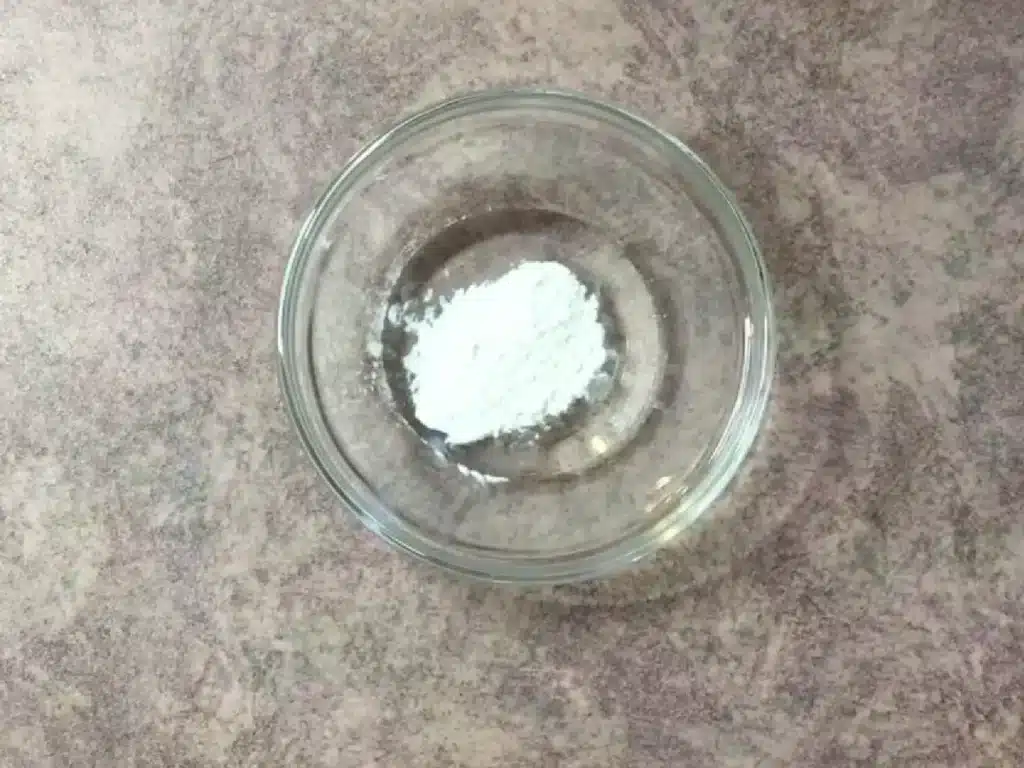
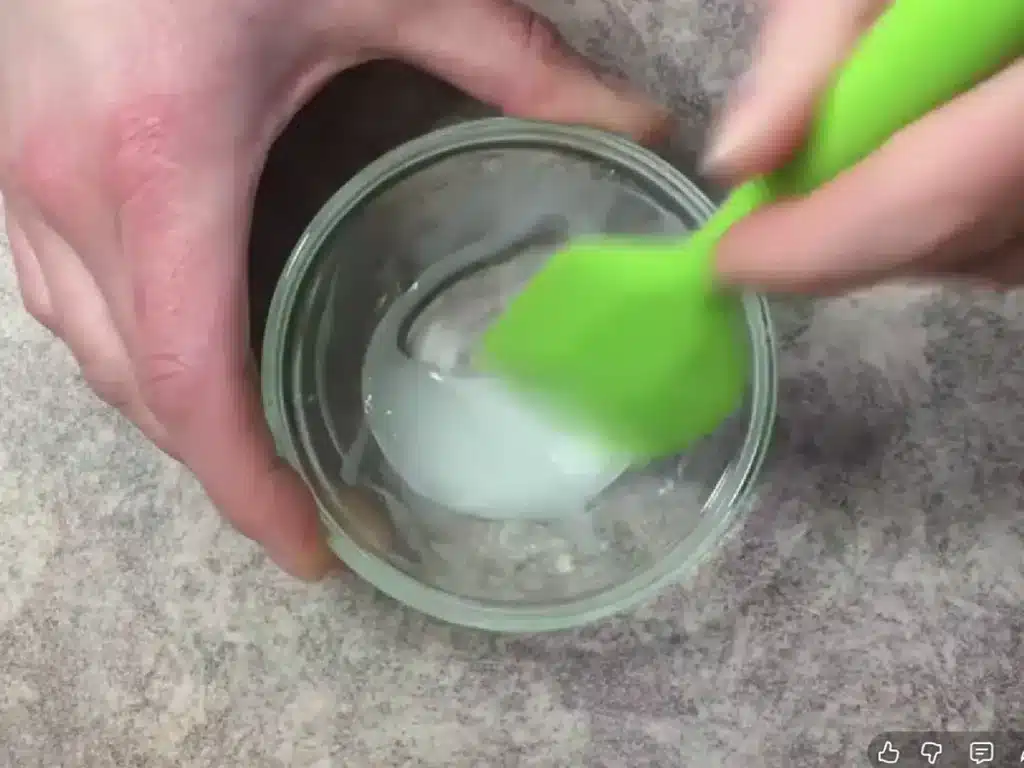
Add the vegetable glycerin and xanthan gum to a small mixing bowl.
Mix thoroughly until the xanthan gum is evenly dispersed throughout the glycerin.
The mixture should be evenly combined without obvious dry pockets of xanthan gum.
Set aside.
Step 2: Combine the Surfactants
Add the SLSA, cocamidopropyl betaine, and decyl glucoside to your heat-safe container.
Mix carefully.
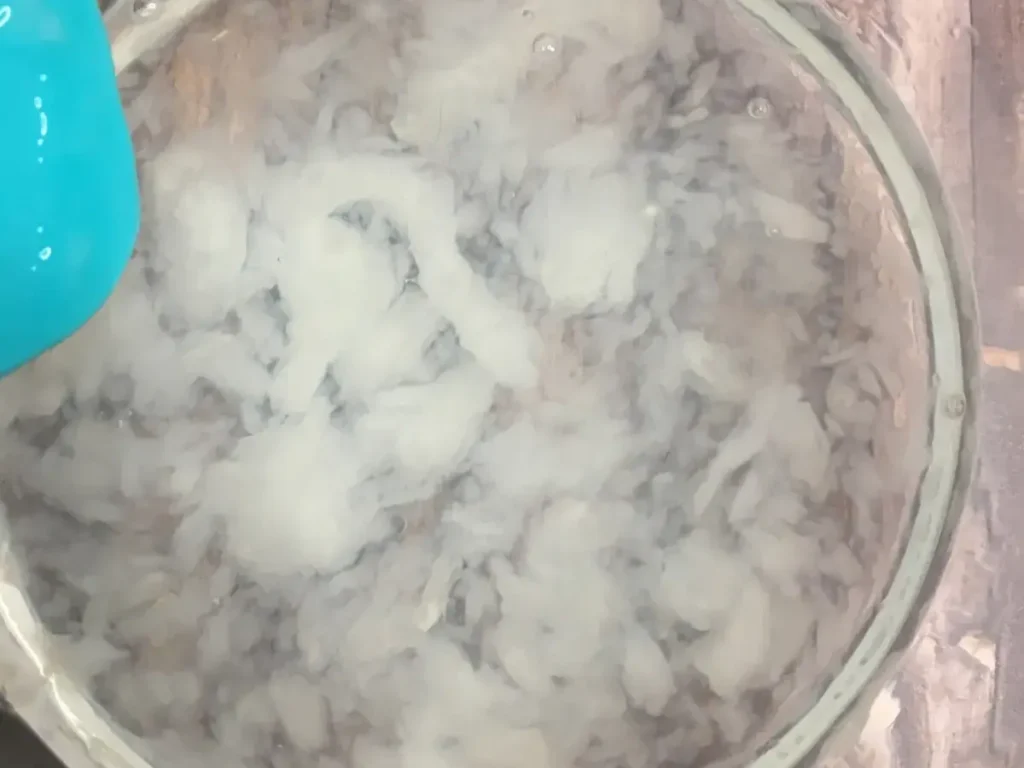
The mixture will become thick and paste-like as the ingredients come together.
Avoid aggressive mixing. Surfactants can create a lot of foam, and you don’t want your container filled with bubbles before you’ve finished the recipe.
Step 3: Add the Xanthan Gum Slurry
Add the glycerin and xanthan gum mixture to the surfactant blend.
Mix until it is evenly incorporated.
Work slowly rather than whipping the mixture. The goal is to combine the ingredients without unnecessarily introducing air.
Step 4: Add the Distilled Water
Slowly add the distilled water.
Mix gently until the ingredients are combined.
Adding the water gradually makes the mixture easier to work with and helps you avoid creating a container full of foam.
Try not to whip the mixture because excessive mixing can introduce a lot of air.
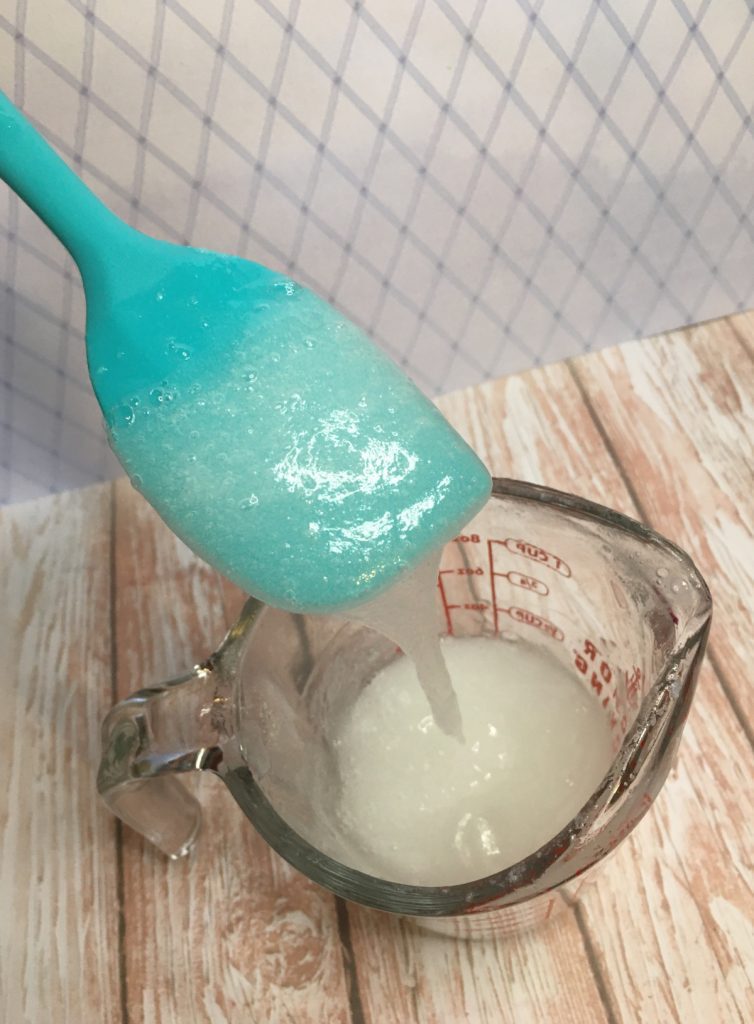
Step 5: Gently Heat the Formula
Place the container into a double boiler or water bath and heat gently.
The heating step helps the ingredients incorporate and allows the xanthan gum to fully hydrate as the formula comes together.
Don’t overheat the formula.
Follow the supplier’s processing instructions for any temperature-sensitive ingredients you’re using.
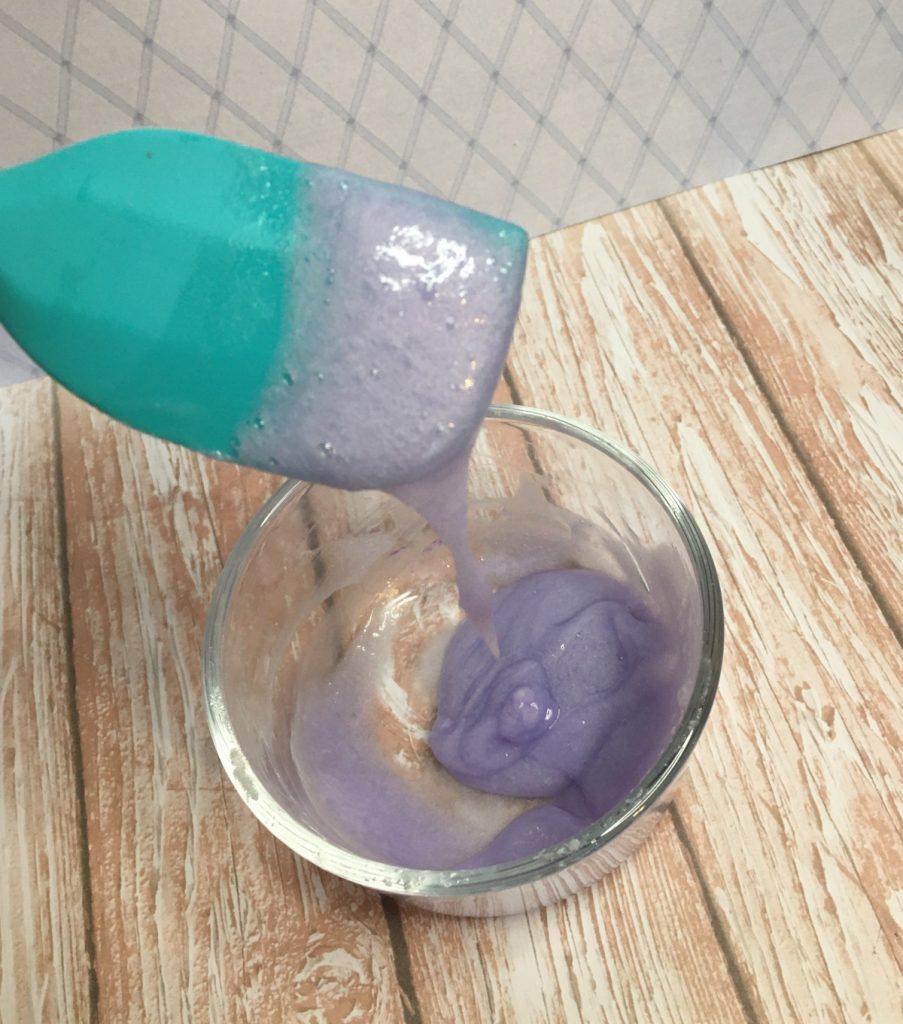
Step 6: Cool and Add the Fragrance and Preservative
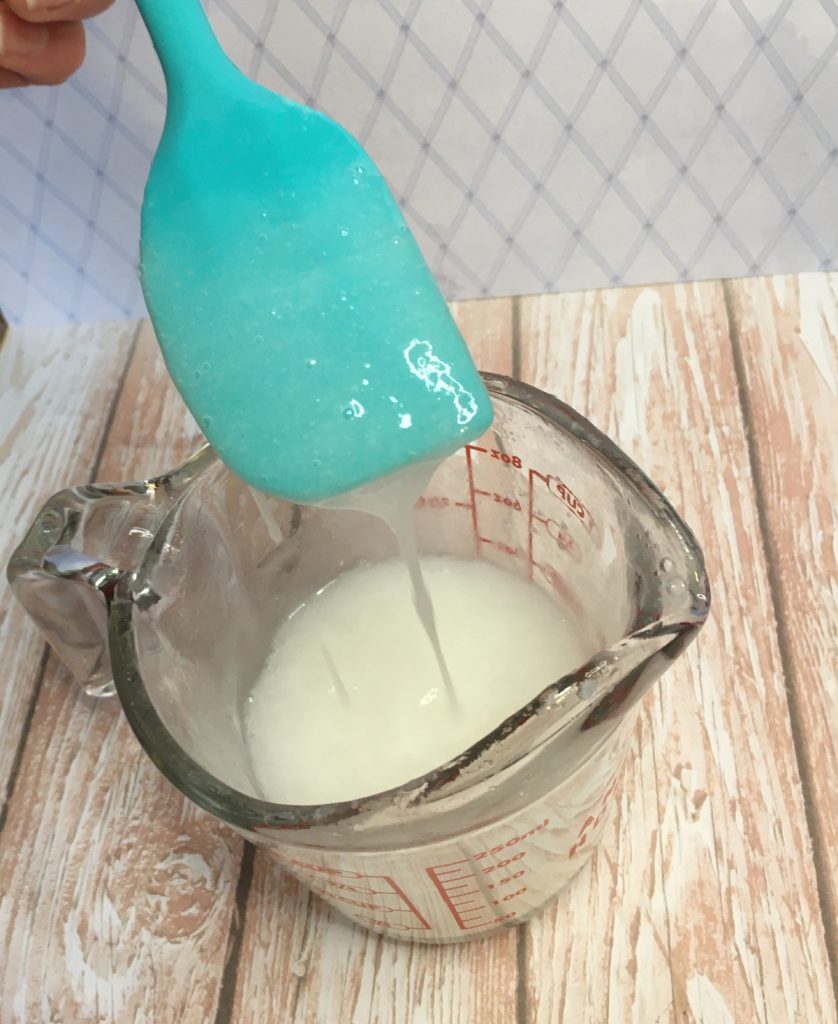
Remove the body wash from the heat and allow it to cool to the appropriate temperature for your preservative and fragrance.
Add the preservative according to the manufacturer’s instructions.
Add the fragrance at the appropriate usage rate.
Mix gently but thoroughly.
Once everything is incorporated, test the finished product’s pH according to your formulation and preservative requirements.
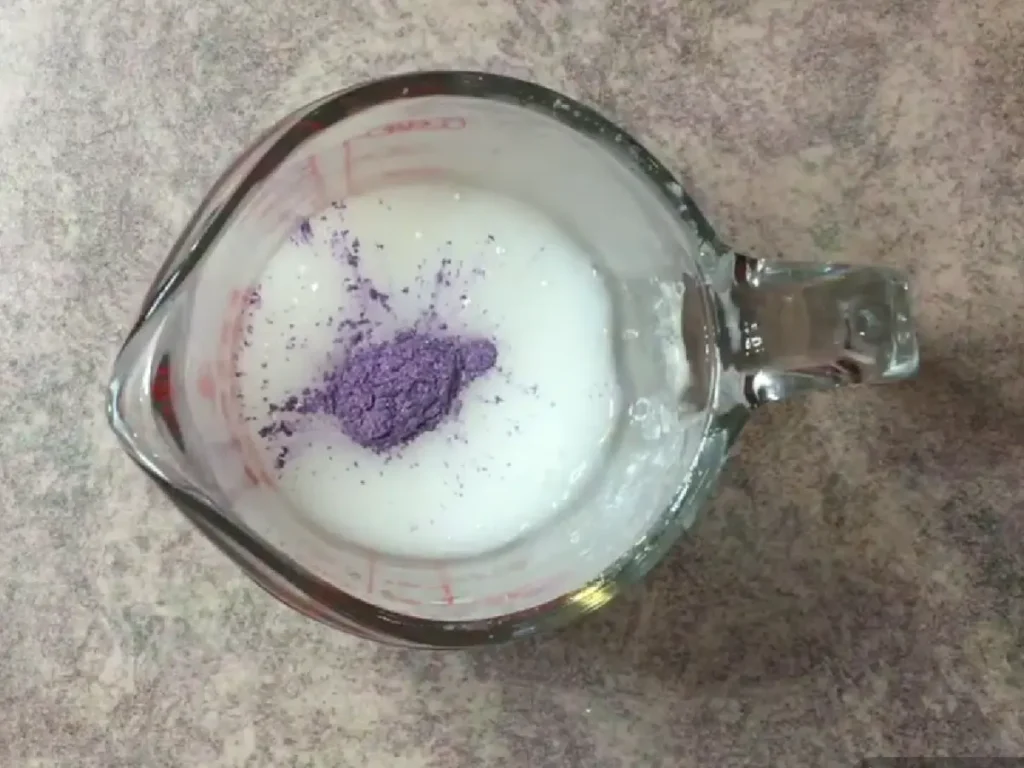
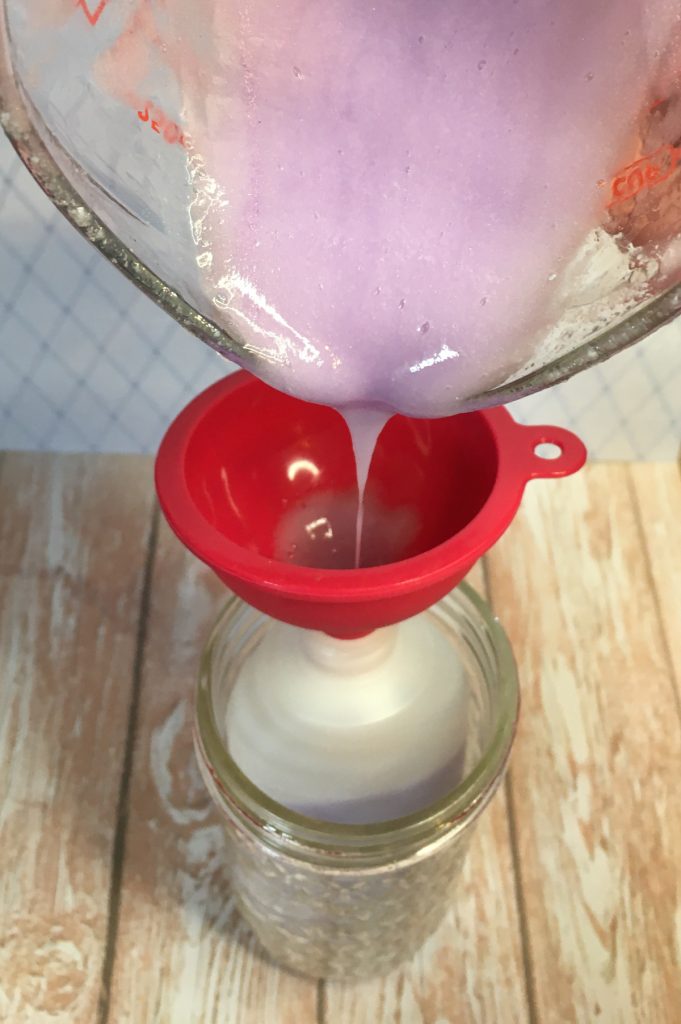
Step 7: Fill Your Bottle
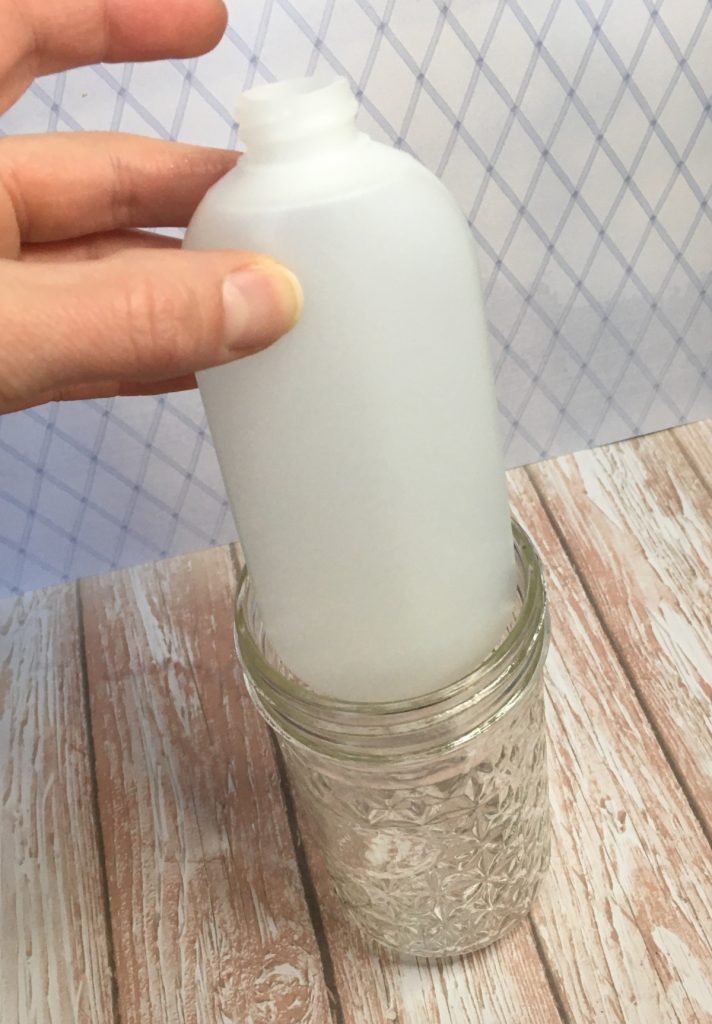
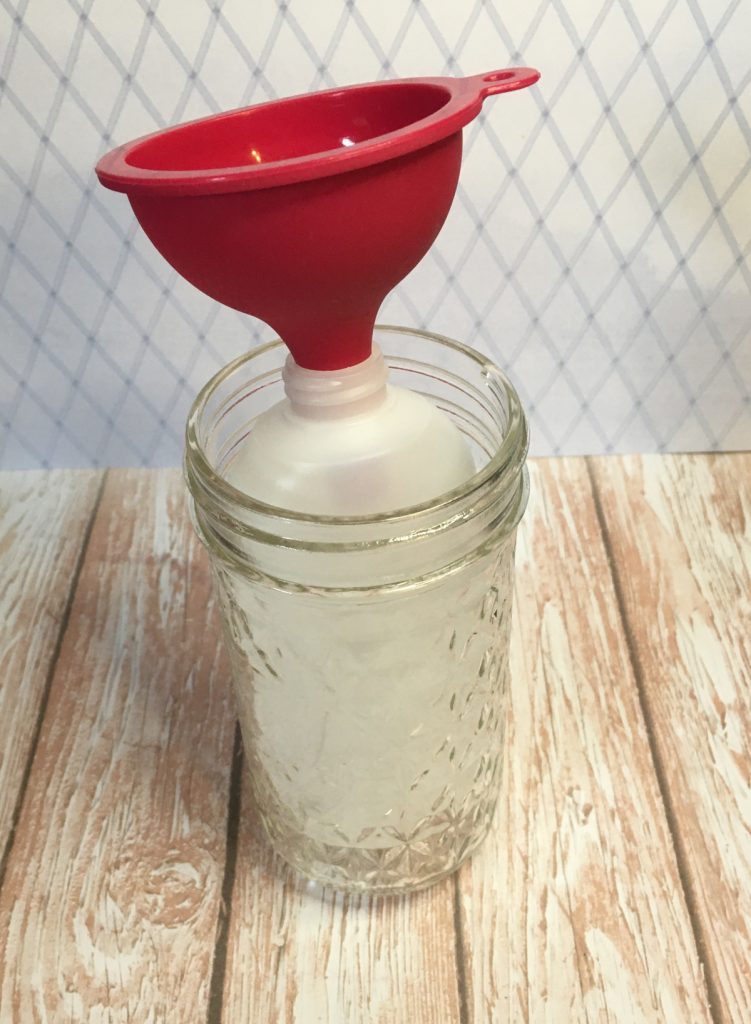
Transfer the finished body wash to your container.
A small silicone funnel makes this much easier.
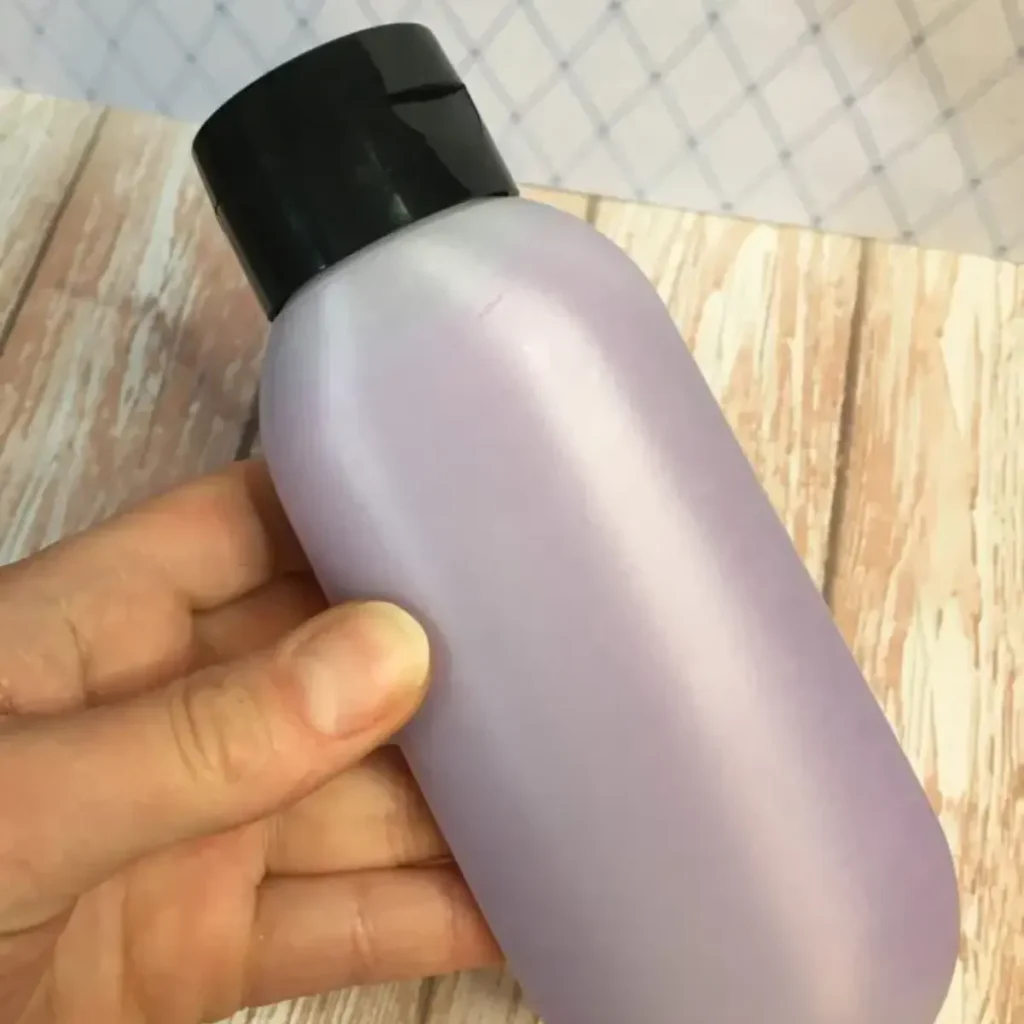
A pump or flip-top bottle works well for body wash because it helps keep shower water from getting into the product.
How to Thicken Homemade Body Wash
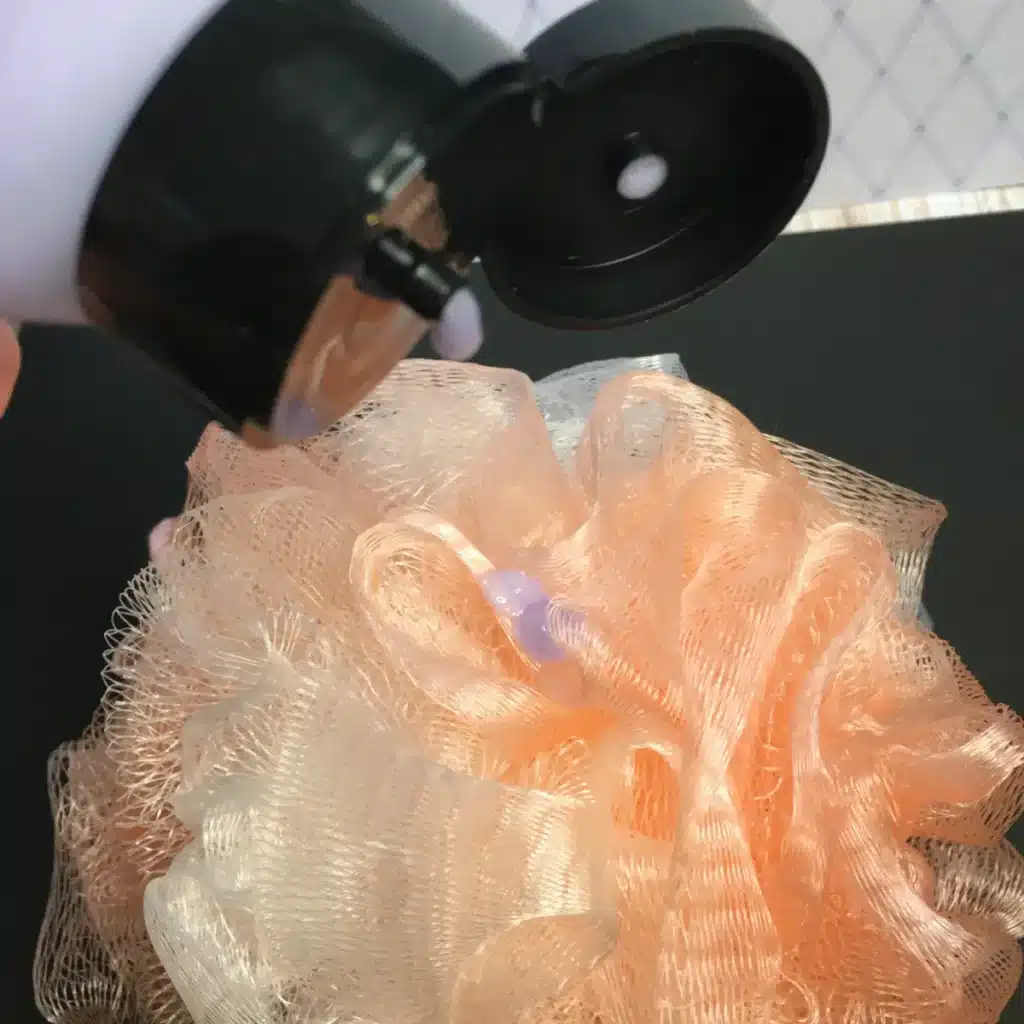
This recipe uses xanthan gum as the thickener.
If your finished body wash isn’t as thick as you expected, don’t immediately add more xanthan gum.
First, give the finished product time to cool and settle. Because it gets thicker as it cools.
Then consider:
Xanthan gum: Was it properly dispersed in glycerin before being added to the formula?
Surfactants: Did you change the type or percentage of any surfactant?
Fragrance: Did you use a different fragrance or a higher fragrance percentage?
Preservative: Did you change the preservative?
Water: Did the amount of water change?
pH: Did the finished pH change?
All of these can affect the final viscosity.
Too much xanthan gum isn’t necessarily the answer either. Adding more can create an unpleasant texture, and it doesn’t solve every cause of a thin cleanser.
For a deeper look at thickeners, see Thickeners in Skincare: What They Are and How They Work.
Why Is My Homemade Body Wash Too Thin?
Body wash can change in viscosity as the ingredients hydrate, the formula cools, and the different ingredients interact.
Before changing the formula, allow the finished product to cool and settle.
If it is still thinner than expected, look at the formula as a whole rather than assuming the xanthan gum is the problem.
Check:
- Was the xanthan gum properly dispersed?
- Were the surfactants changed?
- Was the amount of water changed?
- Was a different fragrance used?
- Was the preservative changed?
- Has the finished pH been checked?
A change in any one of these can affect the final texture.
Can I Make This Body Wash Fragrance-Free?
Yes.
If you don’t want to use fragrance, leave it out and replace the fragrance percentage with distilled water.
For example, if you remove 4% fragrance, add 4% distilled water.
Always check your preservative usage rate separately and make sure the finished formula still totals 100%.
Can I Use Essential Oils Instead of Fragrance Oil?
You can formulate a body wash with essential oils, but essential oils are concentrated ingredients and should not automatically be treated as interchangeable with fragrance oils.
Check the appropriate dermal usage rate and supplier safety information for the specific essential oil you’re using.
You also need to consider how the essential oil will be incorporated into the finished formula.
Can I Add Oil to Homemade Body Wash?
You can formulate a body wash containing oil, but you can’t simply pour oil into this recipe and expect it to remain evenly mixed.
Oil and water don’t naturally stay together.
Adding oil can also change the foam, viscosity, cleansing properties, stability, and preservation requirements of the formula.
For this beginner recipe, I recommend keeping the formula as written.
If you want to learn more about combining oil and water in skincare, read What Is an Emulsion in Skincare and Why Does It Matter?.
Can I Substitute the Surfactants?
I don’t recommend making a simple 1:1 substitution.
For example, if you’re out of decyl glucoside, replacing it with another surfactant at exactly the same percentage can change the cleansing, foam, viscosity, skin feel, pH, and stability of the formula.
If you want to change the surfactant system, treat it as a new formulation rather than a simple substitution.
How Should I Package Homemade Body Wash?
I recommend a pump or flip-top bottle.
Body wash is usually stored in a wet shower environment, so you want to minimize the chance of water getting into the finished product.
Packaging isn’t just about appearance. It can affect how the product is used and how easily it becomes contaminated.
My guide to How Do You Determine the Shelf Life of Homemade Cosmetics? explains more about how packaging, ingredients, preservatives, and storage affect homemade products.
How Long Does Homemade Body Wash Last?
There isn’t one universal expiration date for homemade body wash.
Shelf life depends on factors such as:
- Preservative system
- Preservative usage rate
- pH
- Ingredients
- Manufacturing process
- Packaging
- Storage
- How the product is used
A preservative helps protect a water-based product, but it does not guarantee a specific shelf life.
Pay attention to unexpected changes in the product’s smell, color, appearance, or consistency.
If something seems wrong, discard it.
For a more detailed explanation of shelf life, see How Do You Determine the Shelf Life of Homemade Cosmetics?.
What About Adding Other Skin-Loving Ingredients?
You don’t need to add a long list of specialty ingredients to make a good body wash.
Body wash is a rinse-off product, so I prefer to keep the formula focused on what it actually needs to do.
It can be tempting to add aloe, botanical extracts, oils, vitamins, proteins, and other ingredients because they sound good on a label.
But every ingredient adds another formulation consideration.
A simple, well-formulated cleanser is often more useful than a complicated formula packed with ingredients that don’t have a clear purpose.
If you want to understand what different skincare ingredients actually do, see What Each Ingredient Does in Skincare Formulation.
A Beginner Formulation Tip: Change One Thing at a Time
Once you’ve made this body wash successfully, you may want to start experimenting.
That’s great.
Just don’t change five things at once.
If you change the surfactant blend, fragrance, thickener, preservative, and water percentage in the same batch, you won’t know which change caused the result.
Instead:
- Make the original formula.
- Record your results.
- Change one ingredient or percentage.
- Make a small test batch.
- Compare the results.
This is how you start moving from following recipes to understanding formulation.
Body Wash vs. Liquid Soap
Body wash and liquid soap are often used as though they mean the same thing, but they are different types of products.
This recipe is a surfactant-based body wash.
Traditional soap is made through saponification, where fats or oils react with an alkali to create soap.
A surfactant-based cleanser uses manufactured surfactants as the cleansing ingredients.
If you want to learn more about the difference between surfactants and soap, my Surfactants in Skincare guide goes into more detail.
Why This Is a Good Beginner Formulation Project
This body wash teaches several important formulation concepts without requiring an overly complicated formula.
You’ll learn about:
- Surfactants
- Water-based formulas
- Humectants
- Thickeners
- Preservation
- Fragrance
- pH
- Percentages
- Batch scaling
- Packaging
- Viscosity
- Troubleshooting
And most importantly, you’ll start to understand why the ingredients are there.
Once you understand the role of each ingredient, you’re no longer just following a recipe.
You’re learning how to formulate.
Frequently Asked Questions
Can you make body wash from scratch?
Yes. Homemade body wash can be made using water, surfactants, a thickener, a suitable preservative, and optional fragrance.
The important part is treating it as a cosmetic formulation rather than simply mixing soap and water.
What is the best surfactant for homemade body wash?
There isn’t one best surfactant for every body wash.
Different surfactants have different cleansing, foaming, viscosity, and skin-feel characteristics. Many formulas combine multiple surfactants to create a balanced cleanser.
This recipe uses SLSA, cocamidopropyl betaine, and decyl glucoside.
Can I make body wash without SLSA?
Yes, but you would need to reformulate the recipe.
Simply removing SLSA and replacing it with another surfactant can change the entire surfactant system.
Does homemade body wash need a preservative?
Yes. Because this recipe contains water, it needs an appropriate broad-spectrum preservative system.
Can I use Castile soap to make body wash?
Castile soap can be used as a cleanser, but it is a different type of formulation from this surfactant-based body wash.
You cannot simply replace the surfactants in this recipe with Castile soap and expect the same results.
Can I use essential oils in homemade body wash?
Essential oils can be used in some body wash formulations, but they need to be used at appropriate rates and incorporated properly.
Always check the safety information for the specific essential oil you’re using.
Can I add coconut oil to body wash?
Not directly.
Oil needs to be properly incorporated into a water-based formula, and adding oil can change the foam, viscosity, cleansing properties, stability, and preservation requirements.
Why is my homemade body wash watery?
Several factors can affect viscosity, including xanthan gum dispersion, surfactant selection, fragrance, preservative, water percentage, pH, and temperature.
Let the finished product cool and settle before making adjustments.
How do you thicken homemade body wash?
This recipe uses xanthan gum.
The xanthan gum is first dispersed in glycerin before being added to the water-containing portion of the formula.
If the finished product is too thin, don’t automatically add more xanthan gum. Check the other factors that can affect viscosity first.
How long does homemade body wash last?
There isn’t one universal shelf life for homemade body wash.
The finished product’s shelf life depends on its ingredients, preservative system, pH, manufacturing process, packaging, storage, and use.
Should homemade body wash be refrigerated?
Refrigeration isn’t a substitute for proper preservation.
A properly preserved water-based body wash should be formulated and stored according to the requirements of its ingredients and preservative system.
Can I sell homemade body wash?
If you plan to sell body wash, you need to treat it as a cosmetic product and understand the applicable regulations, labeling requirements, ingredient safety, manufacturing practices, preservation, and product testing.
More Skincare Formulation Guides
If you’re interested in learning more about making skincare from scratch, these are good next steps.
Start With Formulation Basics
Skincare Formulation for Beginners
Learn About Surfactants
Surfactants in Skincare: What They Are and How They Work
Learn About Thickeners
Thickeners in Skincare: What They Are and How They Work
Learn About Percentages
Percentages vs. Grams in Skincare Formulation
Learn About Preservation
Why Preservatives Matter in DIY Skincare
Learn About Shelf Life
How Do You Determine the Shelf Life of Homemade Cosmetics?
Final Thoughts
Making body wash from scratch can seem complicated when you first look at all the ingredients involved.
But once you understand what each ingredient does, the process becomes much less intimidating.
The surfactants provide cleansing and foam. Glycerin helps disperse the xanthan gum and also acts as a humectant. Xanthan gum gives the formula its viscosity. The preservative protects the water-based product, and fragrance gives you the scent you want.
And that’s really the fun part of making your own skincare.
You’re not just following a recipe.
You’re learning why the formula works, how to troubleshoot it, and eventually how to make informed adjustments of your own.
DIY Body Wash Recipe
Equipment
- Heat Safe Container
- Spatula
- Double boiler
- Small mixing bowl
- Bottle to store the body wash
- Mason jar (to hold up container)
- Silicone funnel
Ingredients
Phase A
- 0.24 ounce | 6% Vegetable Glycerin
- 0.04 ounce | 1% Xanthan Gum
Phase B
- 2.68 ounce | 67% Distilled Water
- 0.40 ounce | 10% Sodium Lauryl Sulfoacetate (SLSA)
- 0.24 ounce | 6% Cocamidopropyl Betaine
- 0.20 ounce | 5% Decyl Glucoside
Phase C
- 0.16 ounce | 4% Fragrance Oil
- 0.04 ounce | 1% Broad Spectrum Preservative
Instructions
Phase A
- In a small bowl, mix together the vegetable glycerin and xanthan gum.
- Set the slurry off to the side for now.
Phase B
- Mix together your three surfactants: SLSA, cocamidopropyl betaine and decyl glucoside.
- It is going to make a thick surfactant paste.
- Add your vegetable glycerin and xanthan gum slurry to the surfactant paste you just made. Then mix well.
- Add your distilled water. You are going to want to mix it just a little bit, more so to just get the surfactant paste off the bottom of the container.
- Place on a double boiler.
Phase C
- After you remove your body wash from the double boiler, you are going to want to add your fragrance oil and broad spectrum preservative. Mix well.
- Add your mica powder and mix until it is fully combined and no mica clumps remain.
- Pour into your bottle and enjoy!
Hello,
You mentioned possibly adding an oil for hydration. Where would you add this in the recipe and how much would you add?
Thank You
If I was going to add an oil I would add in a new phase. You will also need to add an emulsifier such as polysorbate 80 at the same time.
You wouldn’t need much oil in here, maybe 1-2% of the recipe.